Does Peanut Butter Contain Gluten?
When you're managing gluten sensitivity, a condition where the body reacts negatively to gluten, a protein found in wheat, barley, and rye. Also known as non-celiac gluten sensitivity, it means even tiny amounts of gluten can cause discomfort, bloating, or fatigue. That’s why so many people ask: does peanut butter contain gluten? The simple answer? Most pure peanut butter doesn’t. But that’s not the whole story.
Here’s what actually matters: cross-contamination, when gluten-free foods come into contact with gluten during manufacturing or handling. Many peanut butter brands are made in facilities that also process wheat bread, crackers, or cereals. Even if peanuts themselves are naturally gluten-free, the equipment, shared air systems, or even dust on conveyor belts can sneak gluten in. That’s why some peanut butters carry a "may contain wheat" warning—even if the ingredient list looks clean. Then there’s the added stuff. Some brands mix in flour, malt flavoring, or barley-based ingredients to thicken or sweeten their product. Malt, for example, comes from barley and is a hidden gluten source. Always read the label—not just the front, but the fine print on the back.
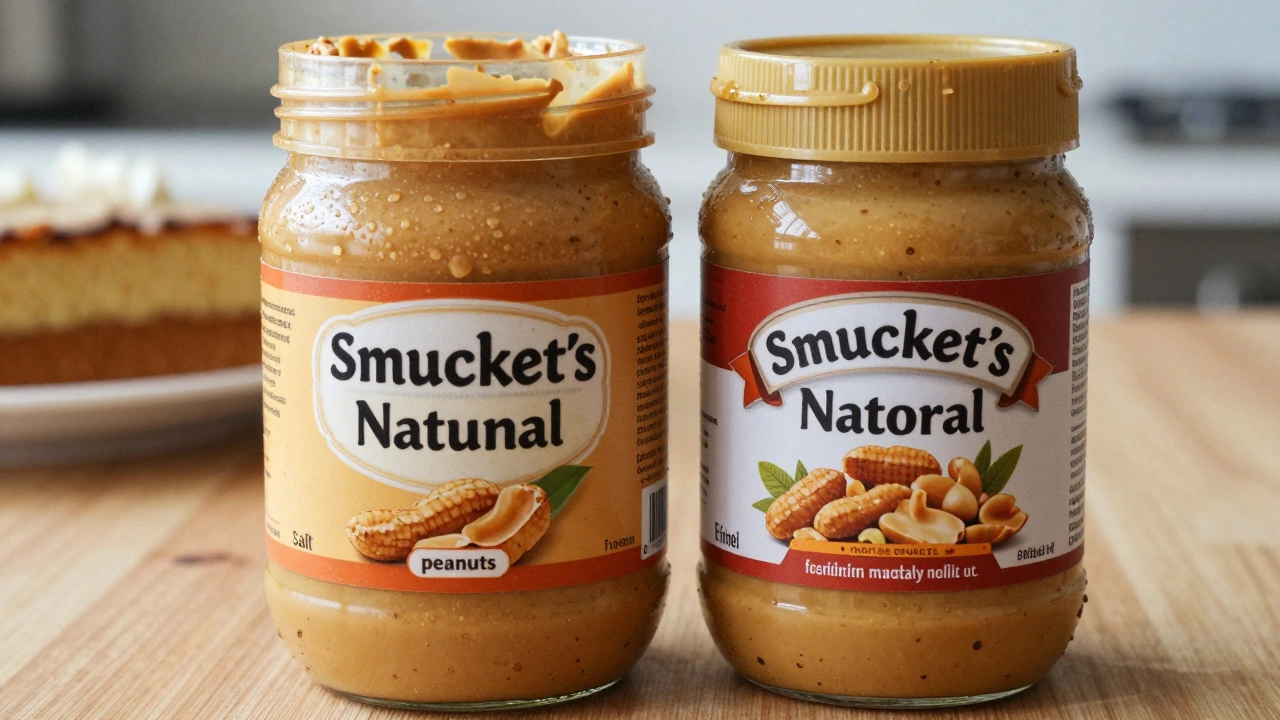
gluten-free peanut butter, a category of peanut butter certified or verified to contain less than 20 parts per million of gluten. Also known as certified gluten-free peanut butter, it’s your safest bet if you have celiac disease or severe sensitivity. Look for labels that say "certified gluten-free"—that means a third party tested it. Brands like Smucker’s Natural, Justin’s, and PB2 have clear gluten-free certifications. Store brands? Check their website. If they don’t say it outright, assume risk. And never trust a brand just because it says "natural" or "organic." Those terms don’t mean gluten-free.
What about crunchy vs. creamy? Doesn’t matter. The texture doesn’t change gluten risk. What matters is the manufacturing process. Even if you’ve eaten a certain brand for years without issues, a change in supplier or production line could introduce gluten overnight. That’s why checking every jar is non-negotiable.
If you’ve had a reaction after eating peanut butter, it’s not always the peanut. It’s the hidden gluten. And if you’re baking with it—say, in cookies or brownies—you’re adding that risk to everything else. That’s why people with gluten sensitivity often turn to making their own peanut butter from raw peanuts and salt. It’s cheap, simple, and 100% controllable.
You’ll find plenty of guides here on how to spot gluten in unexpected places—from soy sauce to fudge to macarons. Some of these posts help you fix failed desserts; others teach you how to bake safely without gluten. This page pulls it all together: what to look for, what to avoid, and how to make smart choices without giving up the foods you love. Whether you’re new to gluten-free living or just double-checking your pantry, you’ll walk away knowing exactly how to pick peanut butter that won’t make you sick.