Gluten-Free Peanut Butter Safety Checker
Check Your Peanut Butter Safety
Enter the brand name and type to determine if it's safe for gluten-free baking
When you’re baking gluten-free cakes, every ingredient matters. You check the flour, the baking powder, even the vanilla extract. But what about peanut butter? It seems simple-just peanuts and salt, right? Yet, if you’ve ever stared at a jar wondering if it’s truly safe, you’re not alone. The answer isn’t as straightforward as you might think.
Plain peanut butter is naturally gluten-free
- Real peanut butter starts with peanuts. That’s it.
- Peanuts are legumes, not grains. They don’t contain gluten.
- Unadulterated peanut butter-just ground peanuts and maybe a pinch of salt-has zero gluten.
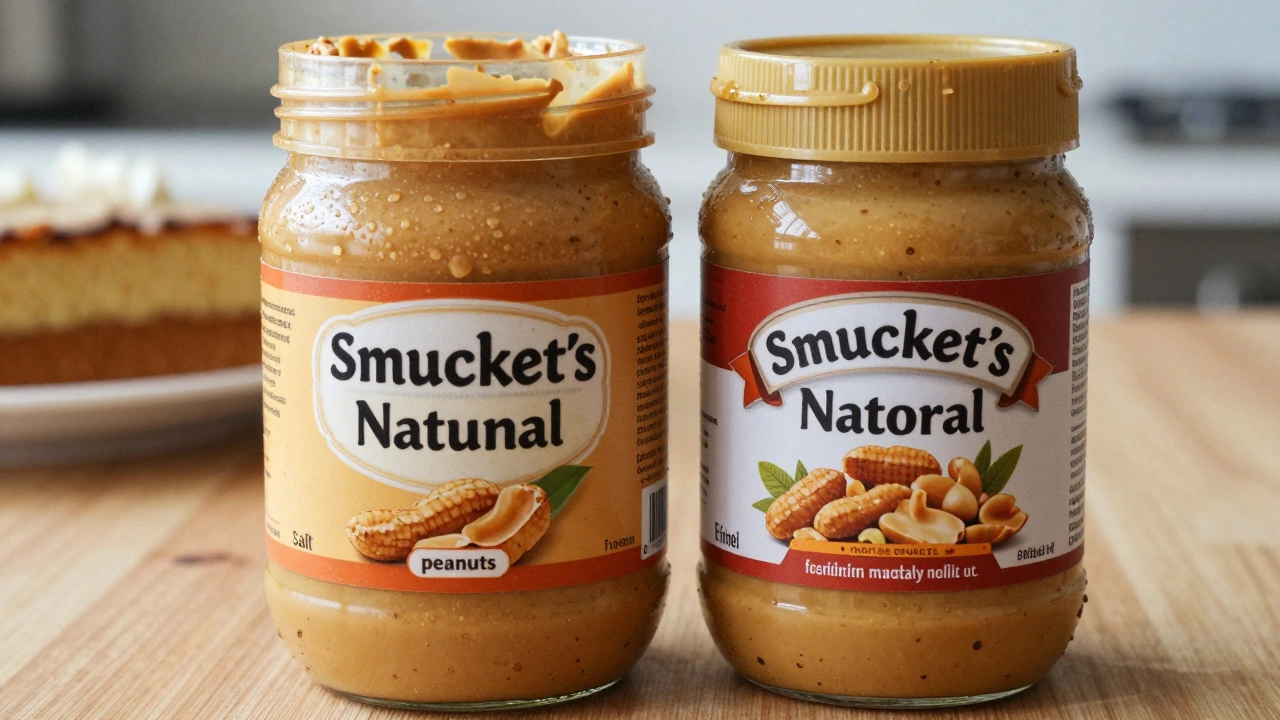
For example, natural brands like Smucker’s Natural Peanut Butter and Justin’s Classic Peanut Butter list just two ingredients. No wheat, no barley, no rye. No hidden additives. No cross-contamination warnings. These are safe choices for gluten-free baking.
But not all peanut butter is created equal
Here’s where things get tricky. Some peanut butters add things you wouldn’t expect. Things like:- Flour or starches to thicken the texture
- Barley malt extract for sweetness
- Modified food starch (often derived from wheat)
- Flavorings or stabilizers with hidden gluten
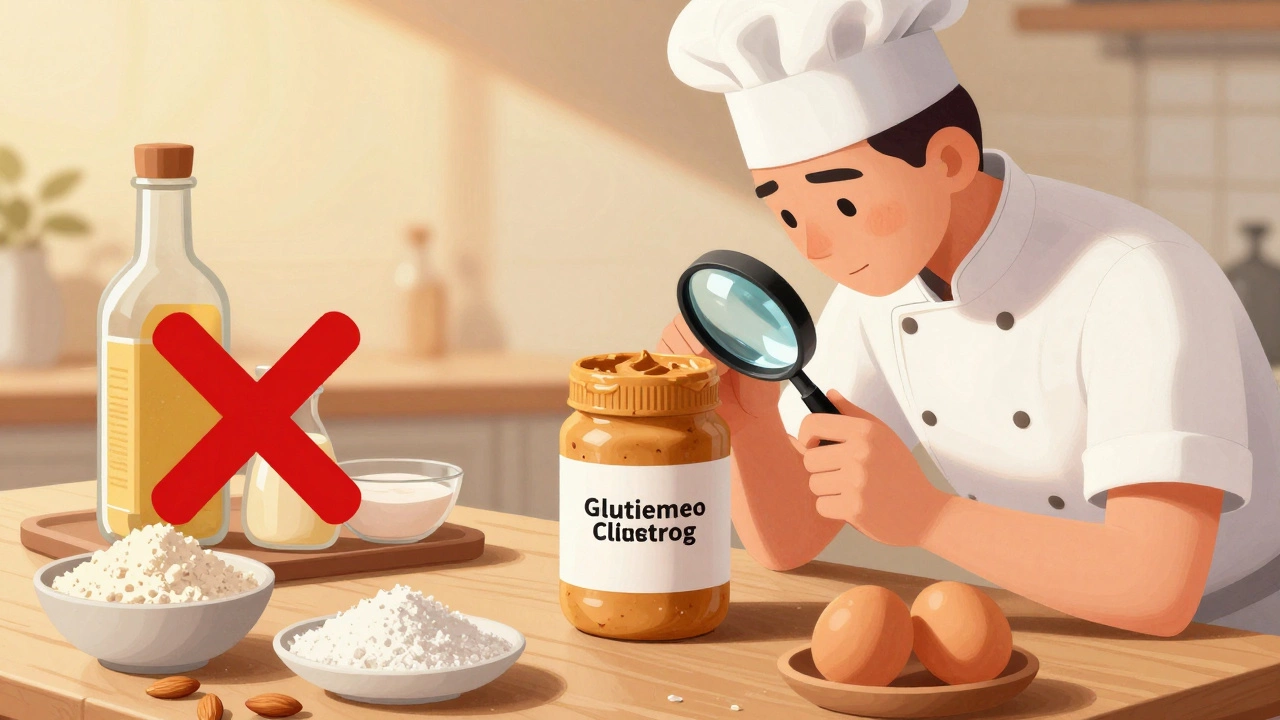
So don’t assume. Always read the label. Even if the brand is known for being safe, formulations change. A jar you bought last month might be different this month. That’s why checking every time matters.
Gluten cross-contamination is real
Even if a peanut butter has no gluten ingredients, it might still be unsafe. How? Cross-contamination.Many factories process both peanut butter and products that contain gluten-like granola, cereal, or bread crumbs. If the same equipment is used without thorough cleaning, tiny traces of gluten can end up in your jar. This is especially common with big brands that make multiple products on shared lines.
Look for labels that say “processed in a dedicated gluten-free facility” or “certified gluten-free.” Brands like Once Again Nut Butter and Kraft Peanut Butter (in the U.S.) now carry the GFCO (Gluten-Free Certification Organization) seal. That means they’ve been tested and verified to contain less than 10 ppm of gluten.
In Canada, the Canadian Celiac Association recognizes GFCO certification. If you’re baking gluten-free cakes for someone with celiac disease, this seal gives you confidence.
What about natural or organic peanut butter?
Natural peanut butter often separates-oil rises to the top. That’s normal. It doesn’t mean it’s unsafe. But “natural” doesn’t mean “gluten-free.” Some organic brands still add wheat-based thickeners or process in shared facilities.One popular organic brand, for instance, uses “organic cane sugar” and “sea salt” but also includes “organic roasted peanuts.” Sounds clean. But their website admits they process other tree nuts and grains on shared equipment. No certification. No warning. That’s a red flag if you’re baking for someone with severe gluten intolerance.
Stick to brands that explicitly state their gluten-free status. Don’t rely on “natural” or “organic” labels alone. Those terms have nothing to do with gluten.
How to use peanut butter in gluten-free cakes
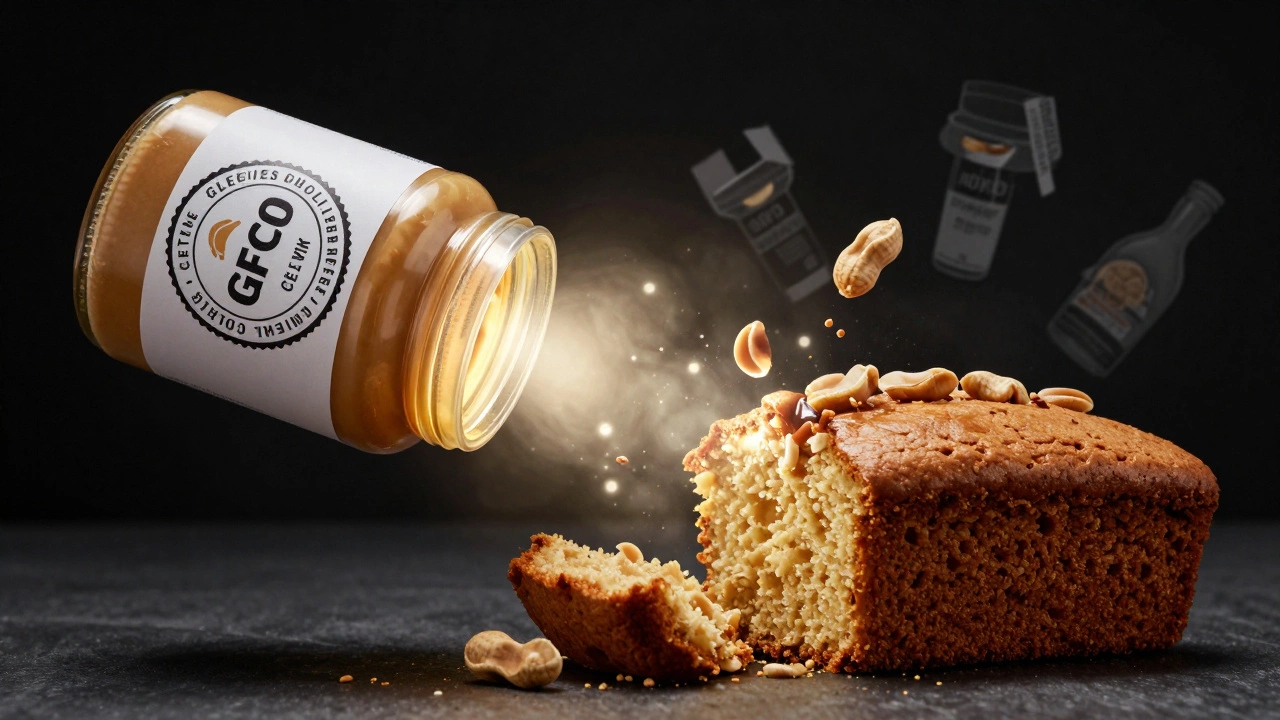
Peanut butter is a star in gluten-free baking. It adds moisture, richness, and deep flavor without needing extra fats or binders. Here’s how to use it safely:- Choose a certified gluten-free brand-check the label every time.
- Use creamy or crunchy? Both work. Just make sure the crunchy version doesn’t have added cereal or flour bits.
- For cakes, creamy peanut butter blends better. Crunchy adds texture, great for cookies or brownies.
- Don’t substitute peanut butter for oil or butter without adjusting other ingredients. It’s denser and has less fat than butter.
- Pair it with gluten-free flours like almond, oat (certified GF), or rice flour for best results.
A simple gluten-free peanut butter cake recipe uses 1 cup of certified gluten-free peanut butter, 1 cup of coconut sugar, 2 eggs, 1 tsp baking soda, and ½ tsp salt. No flour needed. It’s moist, rich, and holds together perfectly. People often mistake it for a traditional cake.
What to avoid
Avoid these peanut butter types unless they’re certified gluten-free:- Flavored peanut butters (honey, chocolate, cinnamon)
- Reduced-fat or “light” versions
- Peanut butter spreads with added cereal or cookie pieces
- Imported brands without clear labeling
- Store-brand generics with vague ingredient lists
One woman in Toronto, who has celiac disease, got sick after eating a “gluten-free” peanut butter cup cake. The peanut butter used in the recipe had maltodextrin from wheat. The label didn’t say so. The manufacturer didn’t test for cross-contamination. That’s the risk of assuming.
What to do when you’re unsure
If you’re at the store and the label doesn’t say “gluten-free,” don’t guess. Here’s what to do:- Scan the barcode with a gluten-free app like Fig or Find Me Gluten Free-they update ingredient databases monthly.
- Check the brand’s website. Look for a “gluten-free policy” or “allergen statement.”
- Call the manufacturer. Ask: “Is this product made in a dedicated gluten-free facility? Is it tested for gluten?”
- If you can’t get a clear answer, pick another brand. Your health isn’t worth the risk.
Many brands respond within 24 hours. Some even send you a written allergen statement via email. That’s your proof.
Final checklist for gluten-free peanut butter
Before you buy or use peanut butter in your gluten-free cakes, run through this:- Ingredients list: only peanuts, salt, maybe sugar-nothing else.
- Label: says “gluten-free” or carries GFCO certification.
- Manufacturing: says “made in a dedicated gluten-free facility.”
- Flavor: avoid anything with “malt,” “barley,” “wheat,” or “modified starch.”
- When in doubt: call the company or pick a different jar.
Gluten-free baking doesn’t have to be complicated. Peanut butter can be a safe, delicious staple-if you know how to choose it. Stick to the simple, certified brands. Avoid the fancy stuff. And always, always read the label. Your gluten-free cake will thank you.
Is all peanut butter gluten-free?
No. While plain peanut butter made from just peanuts and salt is naturally gluten-free, many commercial brands add ingredients like flour, malt extract, or modified starches that contain gluten. Always check the label.
Can I use peanut butter in gluten-free cakes?
Yes, as long as it’s certified gluten-free. Peanut butter adds moisture and flavor without needing flour. Use creamy varieties for smoother texture in cakes, and always pair with certified gluten-free flours like almond or rice flour.
Does creamy peanut butter have more gluten than crunchy?
No. The texture doesn’t affect gluten content. It’s the added ingredients that matter. Some crunchy versions include cereal bits or flour for crunch, which can introduce gluten. Always read the ingredient list, not just the texture.
What brands of peanut butter are safe for gluten-free baking?
Brands like Smucker’s Natural, Justin’s, Once Again, and Kraft (U.S.) are commonly certified gluten-free. Look for the GFCO seal or check the manufacturer’s website for allergen statements. Always verify each jar, as formulas can change.
Is natural peanut butter always gluten-free?
Not necessarily. “Natural” means no artificial ingredients, but it doesn’t guarantee gluten-free status. Some natural brands process peanuts on shared equipment with wheat or add wheat-based thickeners. Always look for “gluten-free” certification.
Can I trust peanut butter labeled “made in a facility that also processes wheat”?
Not if you have celiac disease or severe gluten sensitivity. That warning means cross-contamination is possible. Only trust products that say “made in a dedicated gluten-free facility” or carry a certification like GFCO. For mild sensitivity, you may take the risk-but it’s not recommended for baking for others.