Gluten Free Peanut Butter: What It Is and Why It Matters for Baking
When you buy gluten free peanut butter, a spread made from ground peanuts without added wheat, barley, or rye. Also known as gluten-free nut butter, it’s a go-to for people with celiac disease or gluten sensitivity who still want rich, creamy flavor in their snacks and desserts. But here’s the catch: just because peanuts are naturally gluten-free doesn’t mean the jar in your pantry is. Cross-contamination during processing is the real problem. Many brands share equipment with products that contain gluten, and some even add malt flavoring or stabilizers that sneak in gluten. If you’re baking for someone with gluten intolerance, you can’t assume— you need to check labels every time.
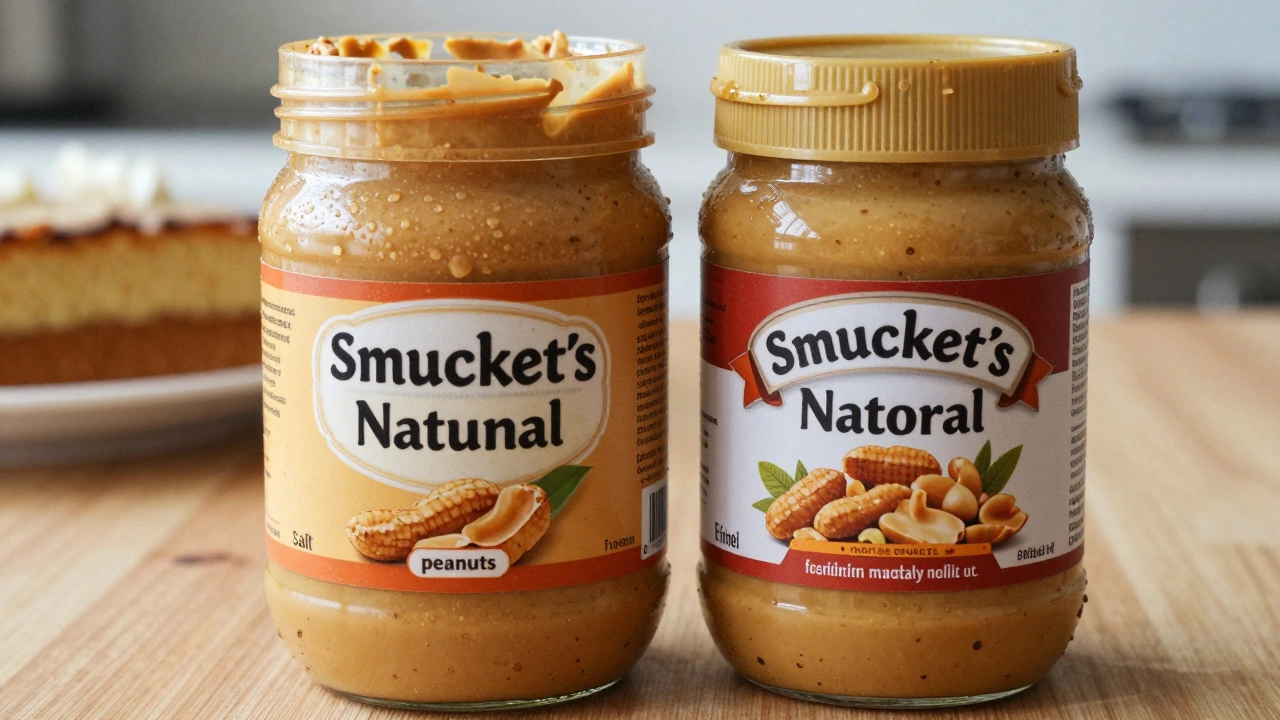
That’s why gluten free baking, the practice of making desserts and treats without any gluten-containing ingredients. Also known as celiac-safe baking, it’s not just about swapping flour—it’s about understanding every ingredient you touch. Peanut butter is one of the easiest swaps in gluten-free baking. It adds moisture, richness, and structure to cookies, brownies, and bars without needing extra binders. But if your peanut butter has hidden gluten, your whole batch could be unsafe. That’s why people who bake for gluten-sensitive households always look for certified gluten-free labels. Brands like Smucker’s Natural, Justin’s, and PB2 are widely trusted, but even those can change formulas. Always double-check.
And it’s not just about safety—it’s about taste. A good gluten free peanut butter should taste like peanuts, not chemicals or fillers. Some cheaper brands use hydrogenated oils or added sugars that mask the real flavor. The best ones? Just peanuts and salt. That’s it. That simplicity makes them perfect for recipes where you want the peanut flavor to shine, like in no-bake energy balls or chocolate peanut butter cups. You don’t need fancy tricks. Just clean ingredients and a little care.
Gluten free peanut butter also connects to other parts of your kitchen. If you’re making gluten free desserts, sweet treats made without any gluten-containing grains. Also known as allergen-friendly sweets, they often rely on nut butters for texture and binding. Think cookies that hold together without wheat flour, or fudge that’s rich but not grainy. Peanut butter is one of the most versatile tools in that toolkit. It works in brownies, cheesecakes, and even as a swirl in cake batter. But again—your success depends on the peanut butter you choose. A contaminated batch can ruin more than just flavor. It can cause real health issues.
That’s why the posts below cover everything you need to know. From how to test if your peanut butter is safe, to what happens when you use it in fudge or cookies, to how other gluten-free ingredients interact with it. You’ll find real fixes for failed recipes, smart substitutions, and honest reviews of brands you can trust. No fluff. Just what works when you’re baking for someone who can’t risk gluten.