Macaron Taste: What Do Macarons Really Taste Like?
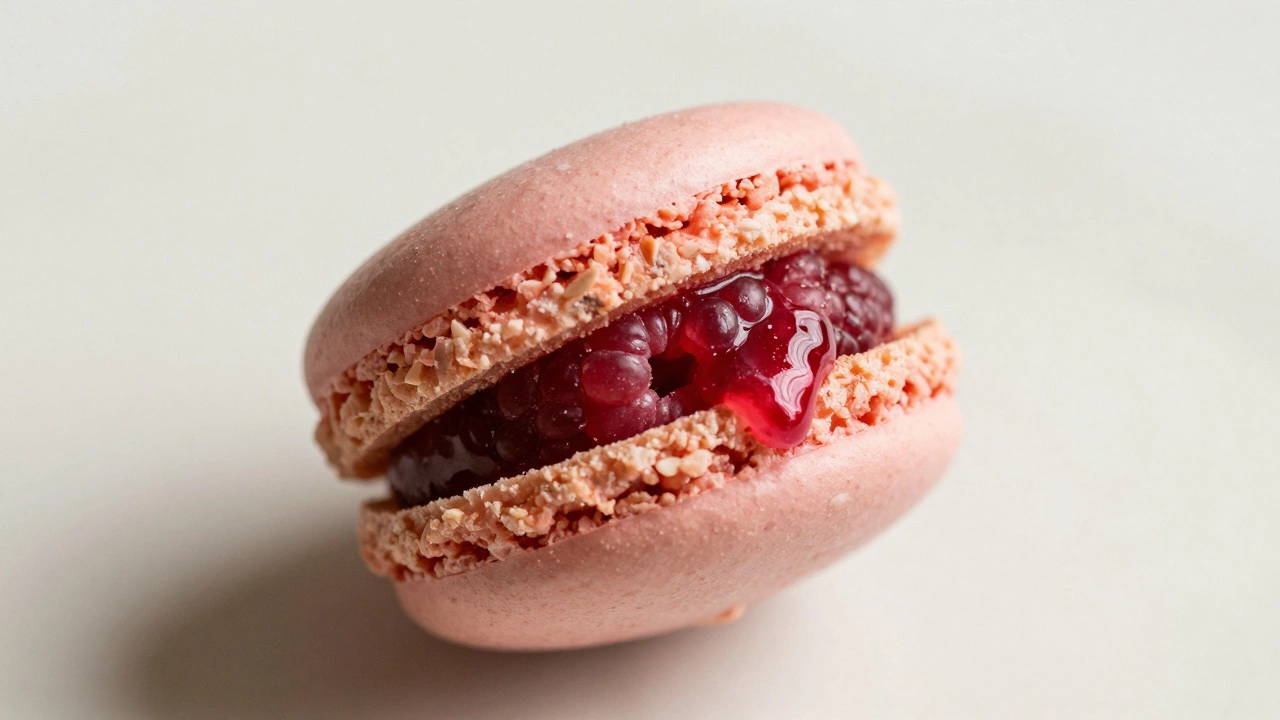
When you bite into a macaron, a delicate French cookie made of almond flour, egg whites, and sugar, with a creamy filling sandwiched between two crisp shells. Also known as French macaron, it’s not the shell that gives it flavor—it’s the filling. Most people assume the colorful outer shell is where the taste comes from, but that’s just the packaging. The shell is mild, slightly sweet, and crunchy at first bite, then melts into a soft chew. The real magic happens in the center—where flavors like raspberry ganache, salted caramel, or pistachio buttercream live.
The macaron filling, the creamy center that defines the cookie’s flavor profile and texture is what turns a simple cookie into something unforgettable. A blue macaron might look like it tastes like blueberry, but if it’s filled with vanilla buttercream, that’s what you’ll taste. Many shops use artificial flavoring to match the color, but the best ones use real ingredients—fresh fruit purees, real chocolate, or ground nuts. That’s why two macarons that look identical can taste completely different. The macaron shell, the outer layer made from almond flour and meringue, providing structure and texture matters too—it should be smooth, not cracked, and give just a little when pressed. If it’s too hard, it’s overbaked. If it’s sticky, it’s underbaked. Texture is part of the taste.
Macarons aren’t just sweets—they’re a test of precision. Temperature, humidity, and even how you mix the batter change the outcome. That’s why homemade macarons often fail, and why the ones you buy at a bakery can cost so much. But when they’re right? The crunch, the give, the burst of flavor—it’s like eating a little piece of French patisserie magic. You’ll find posts here that break down what makes a blue macaron taste like anything at all, how to tell if a macaron uses real ingredients, and why gluten-free versions still need careful handling. Whether you’re trying them for the first time or baking them at home, understanding the taste isn’t about the color on the outside—it’s about what’s hidden between the shells.