Peanut Butter Gluten: What You Need to Know About Cross-Contamination and Safe Choices
When you think of peanut butter, a simple spread made from ground peanuts, often used in snacks, baking, and sandwiches. Also known as peanut spread, it’s one of the most common pantry staples in homes across the UK and beyond. But if you’re managing gluten sensitivity, a condition where the body reacts negatively to gluten, causing digestive discomfort, fatigue, or brain fog. Also known as non-celiac gluten sensitivity, it’s not just about bread or pasta—hidden sources matter. The real question isn’t whether peanut butter has gluten in its ingredients—it’s whether it’s been contaminated during processing.
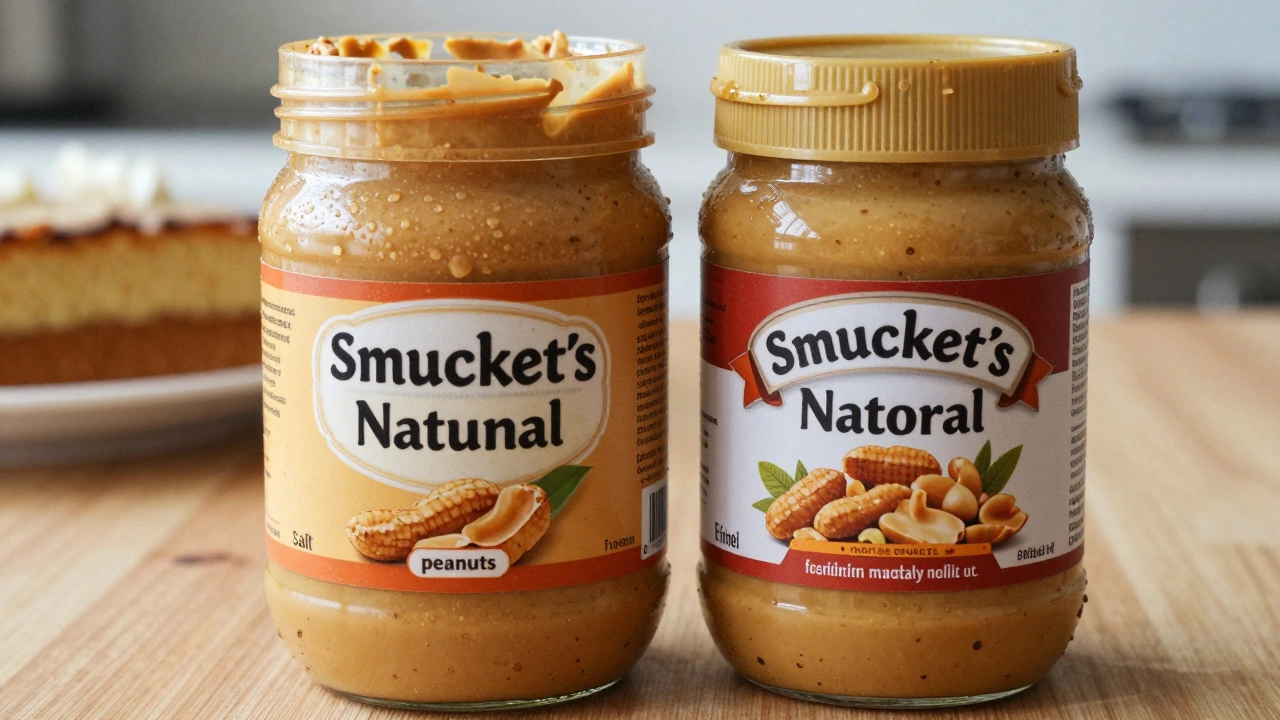
Most pure peanut butter, made with just peanuts and salt, is naturally gluten-free. But here’s the catch: many brands produce peanut butter in facilities that also handle wheat, barley, or rye. That means even if the label says "gluten-free," cross-contamination can still happen. A 2023 study by the Gluten Intolerance Group found that nearly 12% of peanut butter brands labeled "gluten-free" still tested above the safe threshold of 20 ppm due to shared equipment. That’s not a small risk if you’re sensitive. Brands like Skippy and Jif often use shared lines, while others like Smucker’s Natural and Justin’s clearly label their gluten-free lines and test each batch. Always look for the certified gluten-free seal—it’s not just marketing.
And don’t forget about added ingredients. Some peanut butters include malt flavoring, which comes from barley, or modified starches that might be wheat-based. Even "flavored" varieties like chocolate peanut butter or honey roasted can sneak in gluten. If you’re baking with peanut butter—say, in cookies or fudge—those tiny amounts add up. One of our readers, a mum with celiac disease, told us she got sick after using a "gluten-free" peanut butter in her brownies. Turns out, the brand had changed their supplier without updating the label. That’s why checking the website or calling the company is smarter than trusting the box.
What about natural, organic, or small-batch peanut butters? They’re often safer—but not always. Some artisan brands use the same grinders for nut butters and grain-based products. The best move? Look for brands that are dedicated gluten-free facilities. If you’re unsure, try a small jar first. Keep a food diary. See how your body reacts. And if you’re making homemade peanut butter? Just grind peanuts in a clean blender. No additives. No risk.
Gluten doesn’t just hide in bread. It hides in the things you think are safe. And peanut butter? It’s one of the most common traps. You don’t need to give it up. You just need to know which ones to pick. Below, you’ll find real guides from people who’ve been there—how to read labels, which brands to trust, what to do if you accidentally eat gluten, and how to fix recipes that didn’t turn out right because of a contaminated ingredient. No fluff. Just what works.