Peanut Butter Safety: What You Need to Know About Allergies, Contamination, and Storage
When you think of peanut butter, a creamy or crunchy spread made from ground peanuts, commonly used in sandwiches and baking. Also known as peanut spread, it's one of the most popular foods in American and British households—but it’s also one of the most dangerous for millions. About 1.6% of children in the U.S. have a peanut allergy, and that number is rising. A single crumb can trigger anaphylaxis, which is why peanut butter safety isn’t just a suggestion—it’s a life-or-death issue.
Not all peanut butter is created equal. Some brands add hydrogenated oils, sugar, and preservatives that make them cheaper but less healthy. Others are just peanuts and salt—clean, simple, and safe for most. But even the cleanest peanut butter can become unsafe if it’s stored wrong. Moisture, heat, and poor sealing can lead to mold, including aflatoxin, a known carcinogen. The FDA sets limits on aflatoxin levels, but home storage matters just as much. Keep your jar sealed, cool, and dry. If it smells off, looks strange, or tastes bitter, toss it. No exceptions.
Then there’s cross-contamination. Even if you don’t have a peanut allergy, someone in your home might. A knife used for peanut butter, then wiped and used on a gluten-free or dairy-free dessert, can cause serious reactions. Many bakeries and home cooks now use separate utensils, jars, and even cutting boards just for peanut products. And if you’re buying pre-made treats—like cookies or brownies—check the label. Many are made in facilities that process peanuts, even if peanuts aren’t listed in the ingredients. That’s called shared equipment risk, and it’s real.
Parents, teachers, and caregivers need to know the signs: hives, swelling, vomiting, trouble breathing. If someone has a known allergy, they should always carry an epinephrine auto-injector. Schools and workplaces are required to have allergy plans, but you can’t rely on others to protect your loved ones. Educate yourself. Read labels every time—ingredients change. Look for "may contain peanuts" or "processed in a facility with peanuts." Those warnings aren’t just legal footnotes—they’re your first line of defense.
And here’s something most people don’t think about: peanut butter can go rancid. Unlike dairy or meat, it doesn’t smell bad right away. Instead, it loses its flavor, turns stale, and gets oily on top. That’s not mold—it’s oxidation. Still, it’s not safe to eat. Rancid fats can cause inflammation and digestive upset. Buy smaller jars. Use them within two months after opening. Refrigerate if you live in a hot climate. It’s not just about taste—it’s about safety.
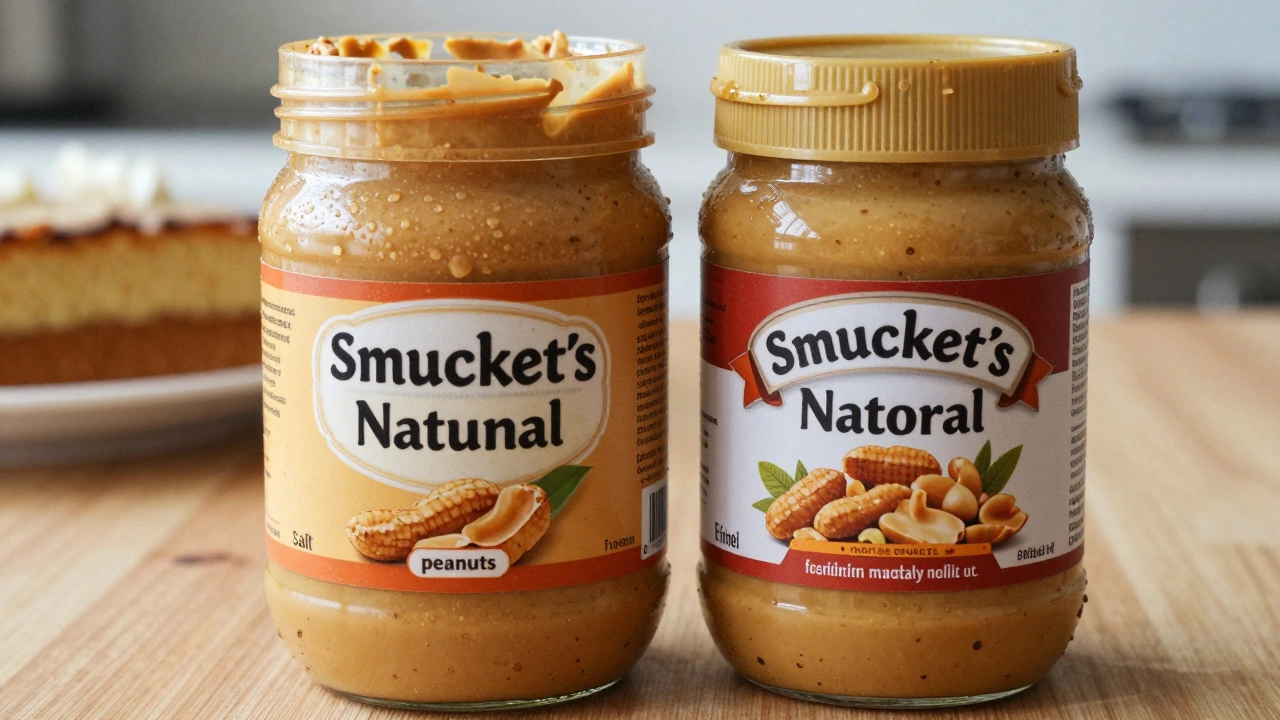
There’s also the issue of mislabeled products. In 2022, a major recall happened when peanut butter was sold under a different brand name, falsely labeled as nut-free. That’s not rare. Fake labels, unclear printing, and international imports increase the risk. Always buy from trusted retailers. If a deal seems too good to be true, it probably is.
For bakers, this matters too. If you’re making chocolate fudge, cookies, or cakes with peanut butter, you’re not just adding flavor—you’re adding risk. Make sure everyone who eats it knows what’s in it. Label your treats clearly. Keep peanut butter-based desserts separate from other sweets. And if you’re hosting a party, ask guests about allergies upfront. It’s not awkward—it’s responsible.
What you’ll find below isn’t a list of recipes. It’s a collection of real, practical posts about food safety, hidden ingredients, and how to avoid common mistakes that could turn a simple snack into a health crisis. From fudge that shouldn’t go in the fridge to vegan desserts that might still contain hidden animal products, these guides help you bake smarter, eat safer, and protect the people around you. You’re not just making dessert—you’re managing risk. And that’s worth getting right.