Is All Soy Sauce Vegan? The Hidden Ingredients in Vegan Desserts
Not all soy sauce is vegan-some contain hidden fish extracts or animal-derived alcohol. Learn how to spot vegan-friendly soy sauce for your desserts and what to use instead.
Read More
When you think of soy sauce, a fermented condiment made primarily from soybeans, wheat, salt, and water, used widely in Asian cooking. Also known as soy sauce, it is a cornerstone flavor in dishes from stir-fries to sushi, you probably picture something simple: dark, salty, umami-rich. But the soy sauce ingredients behind that flavor are far from basic. Not all soy sauce is created equal—some are made with just four natural ingredients, while others hide corn syrup, MSG, and preservatives. If you’re watching what you eat—whether you’re gluten-sensitive, vegan, or just trying to avoid junk—knowing what’s in your bottle changes everything.
The core soy sauce ingredients, typically soybeans, wheat, salt, and water, fermented with koji mold haven’t changed in centuries. But modern mass production has added shortcuts. Traditional Japanese shoyu uses whole soybeans and roasted wheat, slowly fermented over months. That’s where the deep flavor comes from—not chemicals. But cheaper versions? They might use hydrolyzed soy protein, artificial coloring, and high-fructose corn syrup to mimic taste and color in days. And if you’re avoiding gluten, watch out: most soy sauce contains wheat. Even if it’s labeled "Asian sauce," that doesn’t mean it’s gluten-free. Look for tamari instead—it’s a wheat-free version made from just soybeans and salt.
Then there’s the fermentation process, a natural aging method using Aspergillus oryzae mold to break down proteins into savory amino acids. This isn’t just science—it’s flavor building. Fermented soy sauce develops complex notes: earthy, sweet, smoky. Pasteurized, quick-made versions skip this entirely. They taste flat. And if you’re cooking for someone with allergies or dietary restrictions, that difference matters. Even something as small as a splash of soy sauce can ruin a gluten-free meal if it’s not labeled properly. The same goes for vegans: some brands use fish-based additives (like bonito flakes) in their brewing process, even if the label doesn’t say so.
So what should you look for? Read the label like a detective. If the ingredient list is longer than five items, walk away. Stick to brands that list only soybeans, wheat (or none), salt, and water. If you see "hydrolyzed vegetable protein" or "artificial flavor," it’s not real soy sauce. And if you’re unsure? Try a tamari or coconut aminos as a substitute. They’re not the same, but they’re cleaner.
Below, you’ll find real, practical guides on what’s hidden in everyday sauces, how to spot fake soy sauce, and what to eat instead if you’re avoiding gluten, sugar, or additives. No fluff. Just the facts you need to make smarter choices in your kitchen.
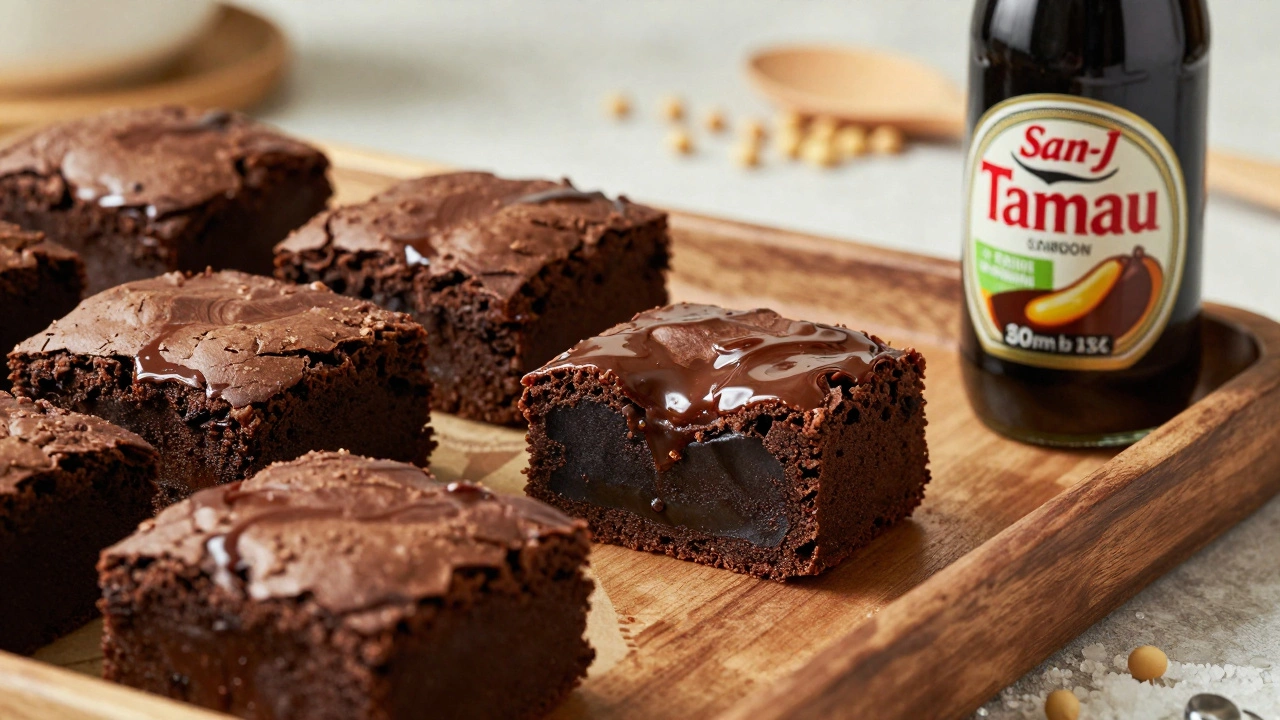
Not all soy sauce is vegan-some contain hidden fish extracts or animal-derived alcohol. Learn how to spot vegan-friendly soy sauce for your desserts and what to use instead.
Read More