
Vegan Soy Sauce Checker
Check if your soy sauce brand is truly vegan. Some brands contain hidden animal ingredients like fish extract or animal-derived alcohol. Enter a brand name below to verify.
Enter a brand name above to check if it's vegan.
How to Use
Check your soy sauce brand against common hidden ingredients:
- Look for "fish extract," "anchovy," or "shiitake fish sauce" in ingredients
- Avoid products labeled "naturally brewed" without verification
- Check for "alcohol" without specified source
- Verify with manufacturer if uncertain
When you’re baking vegan desserts, every ingredient counts. You check the sugar for bone char, the chocolate for dairy, the vanilla extract for alcohol derived from animals. But what about soy sauce? It’s in so many recipes-glazed tofu, stir-fried tempeh, even some vegan brownies and glazes. You assume it’s fine because it’s made from soy. But here’s the truth: not all soy sauce is vegan.
What’s actually in soy sauce?
Soy sauce starts with a simple idea: fermented soybeans, salt, water, and sometimes roasted grain. That sounds vegan. And for a lot of brands, it is. But here’s where it gets messy. Some manufacturers add fish extract or shellfish derivatives to boost umami. Others use alcohol derived from animal products in the fermentation process. Even the yeast or mold cultures used in fermentation can be grown on media containing animal products-though this is rare and usually not listed on labels.
Take Kikkoman’s traditional soy sauce. It’s made from soybeans, wheat, salt, and water. No animal products. It’s vegan. But look at some cheaper brands, especially those made in Southeast Asia, and you might find shiitake fish sauce or anchovy extract added to enhance flavor. These aren’t always labeled clearly. In fact, the FDA doesn’t require disclosure of fermentation agents unless they’re allergens. That means a bottle labeled “soy sauce” could still contain hidden animal ingredients.
Why does this matter for vegan desserts?
You might think, “I don’t put soy sauce in my vegan chocolate cake.” But you’d be surprised. Many vegan dessert recipes use soy sauce as a secret ingredient to deepen flavor. It’s common in:
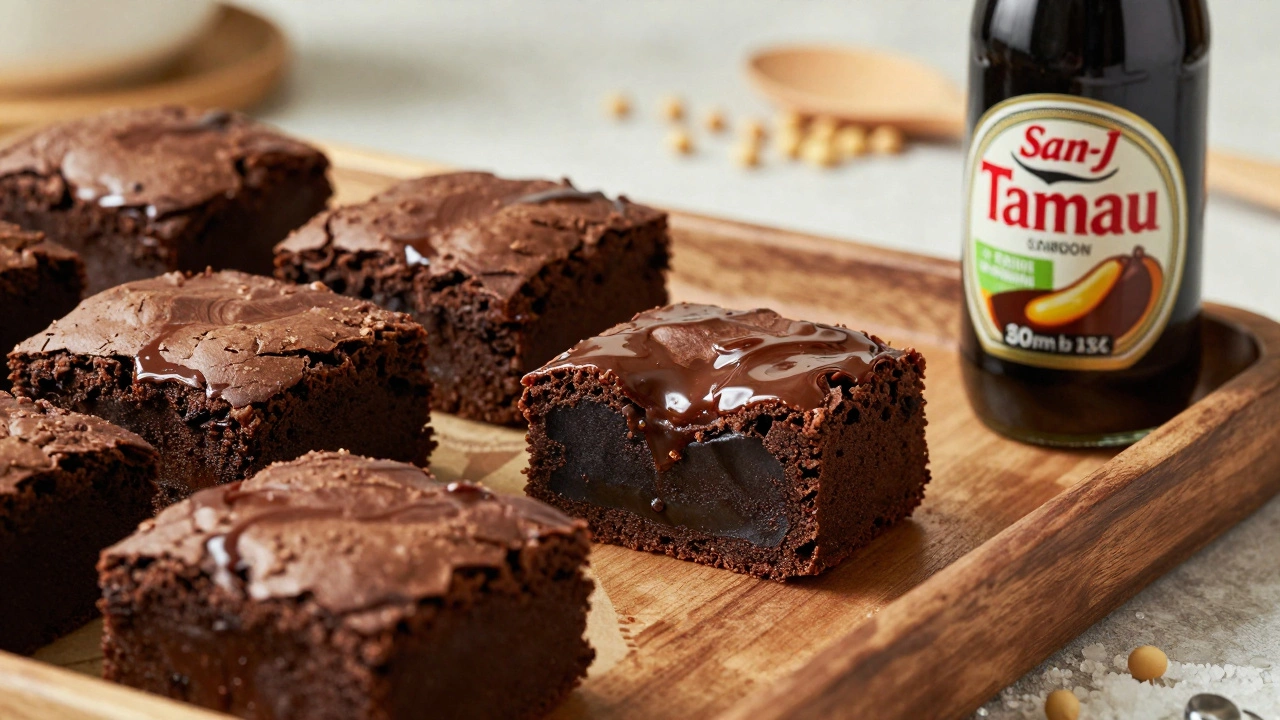
- Vegan brownies-adds richness without chocolate overload
- Glazed vegan donuts-balances sweetness with a savory note
- Chocolate soy sauce caramel-yes, it’s a real thing
- Black sesame ice cream-used to cut through the nuttiness
In these cases, you’re not tasting soy sauce. You’re tasting depth. But if the soy sauce contains fish extract, then your dessert isn’t vegan anymore. And if you’re cooking for someone with allergies, cross-contamination from non-vegan soy sauce can be dangerous.
How to tell if soy sauce is vegan
You can’t rely on the word “natural” or “traditional.” You need to read the label like a detective.
Look for these red flags:
- “Fish extract” or “anchovy”
- “Wheat-based fermentation” without clarification
- “Contains alcohol” without specifying source
- “Naturally brewed” - this can mean it was fermented with animal-derived enzymes
Instead, look for these trusted signs:
- “Certified Vegan” logo (from Vegan Action or Vegan Society)
- “Gluten-free” - often means no wheat, which means it’s more likely to be pure
- Brands like San-J Tamari, Coconut Secret Coconut Aminos, or Little Soya
San-J Tamari, for example, is made with only soybeans, water, salt, and alcohol derived from sugar cane. It’s certified vegan and gluten-free. It’s also the brand most vegan bakers in Halifax use for desserts.

Best vegan soy sauce options for baking
Not all soy sauces are created equal. Here’s what works best in desserts:
| Brand | Ingredients | Best For | Gluten-Free? |
|---|---|---|---|
| San-J Tamari | Soybeans, water, salt, alcohol (from sugar cane) | Chocolate glazes, brownies | Yes |
| Coconut Secret Coconut Aminos | Coconut sap, sea salt | Light glazes, fruit desserts | Yes |
| Little Soya Organic Soy Sauce | Soybeans, water, salt, wheat | Traditional recipes | No |
| Kikkoman Traditional Soy Sauce | Soybeans, wheat, salt, water | Most recipes | No |
Coconut aminos are a great alternative if you want to avoid wheat entirely. They’re sweeter and milder than soy sauce, so you might need to use a bit more. But they’re perfect for vegan caramel sauces or drizzling over roasted fruit.
What about tamari?
Tamari is often assumed to be vegan because it’s Japanese and “richer.” But not all tamari is gluten-free or vegan. Some tamari brands still use wheat or fish enzymes. Always check. San-J Tamari is the only widely available brand that’s both certified vegan and gluten-free. If you’re using tamari in a vegan dessert, make sure the label says “vegan” or lists no animal-derived ingredients.
What if I can’t find vegan soy sauce?
You don’t need to give up your recipes. Here are three easy swaps:
- Coconut aminos - 1:1 substitute. Slightly sweeter, but works great in glazes.
- Miso paste diluted in water - Use 1 tablespoon miso + 2 tablespoons water. Adds umami without fish.
- Homemade soy sauce substitute - Mix 2 tbsp water, 1 tbsp molasses, 1 tsp salt, 1/2 tsp smoked paprika. Simmer for 2 minutes. It’s not identical, but it gives depth.
One baker in Toronto uses the molasses mix in her vegan chocolate fudge. She says it gives a “smoky depth that people think is dark cocoa, but it’s just salt and smoke.”
How to store vegan soy sauce
Once opened, keep it in the fridge. It lasts up to two years. But if you notice mold, cloudiness, or a sour smell, toss it. Even vegan soy sauce can go bad if left unrefrigerated.
Also, don’t assume that because a bottle says “organic” or “non-GMO,” it’s vegan. Those labels mean nothing about animal ingredients.
Final tip: Always test your sauce
If you’re unsure about a brand, do a quick search: “[Brand name] + vegan + ingredients.” You’ll often find forums, Reddit threads, or vegan blogs that have already tested it. Or email the company. Most will reply within 48 hours. If they say “we don’t use animal products,” trust them. If they say “it’s naturally brewed,” ask for clarification.
For vegan desserts, the smallest ingredient can make the biggest difference. Don’t let hidden fish extract ruin your hard work. Read labels. Ask questions. Choose brands that make it easy. Your desserts will taste better-and they’ll truly be vegan.
Is Kikkoman soy sauce vegan?
Yes, Kikkoman’s traditional soy sauce is vegan. It contains only soybeans, wheat, salt, and water. No animal products are added. However, it is not gluten-free due to the wheat content.
Can I use tamari instead of soy sauce in vegan desserts?
Yes, but only if the tamari is certified vegan. Many tamari brands use wheat or animal-derived enzymes. San-J Tamari is a reliable option-it’s both gluten-free and vegan. Always check the label before using it in desserts.
Does soy sauce contain dairy?
No, traditional soy sauce does not contain dairy. But some non-traditional or flavored versions may include butter or milk derivatives for richness. Always check the ingredient list for “whey,” “casein,” or “milk solids.”
Is coconut aminos a good vegan substitute for soy sauce?
Yes, coconut aminos are a popular vegan substitute. Made from coconut sap and sea salt, they’re naturally gluten-free and lower in sodium. They’re slightly sweeter than soy sauce, so you may need to adjust sweetness in desserts. They work especially well in fruit glazes and caramel sauces.
Why is some soy sauce not vegan?
Some soy sauces contain fish extract, anchovy paste, or alcohol derived from animal sources. Others use fermentation cultures grown on animal-based media. These ingredients aren’t always listed on labels, especially in imported brands. That’s why it’s essential to choose certified vegan products or verify ingredients directly with the manufacturer.