McDonald's Fries: Vegan Compatibility Checker
Can You Eat These Fries?
Select your current region and your dietary strictness to get a verdict.
Quick Verdict for Vegans
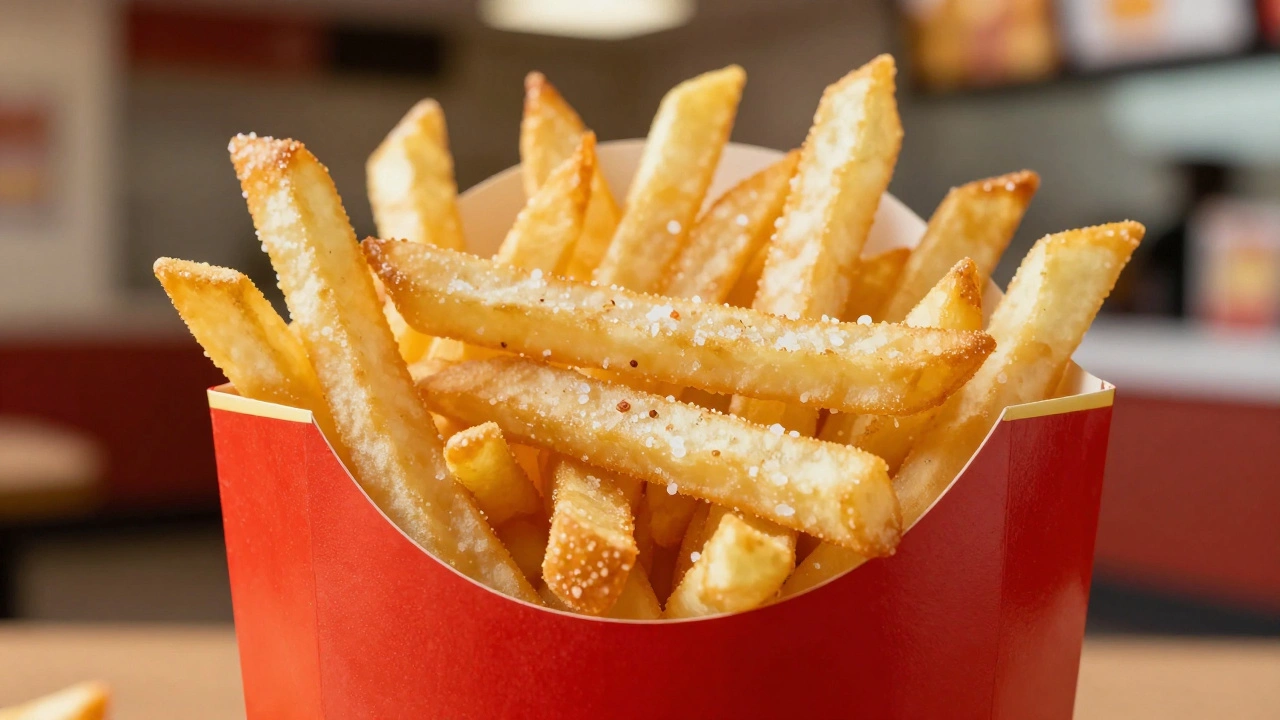
- Ingredients: In the US and Canada, the ingredients are potatoes, corn oil, sugar, salt, and a natural beef flavor.
- The Beef Flavor Controversy: This is the dealbreaker for many. The "natural beef flavor" is a key component in North American fries.
- Cross-Contamination: Fries share fryers with chicken and fish in many locations.
- Regional Differences: Fries in the UK and Europe often use different oil and seasoning, making them more vegan-friendly.
The Ingredient Breakdown: What's Actually Inside?
If you look at the official ingredient list for McDonald's fries in North America, you'll see a mix of simple and confusing items. They use potatoes, corn oil, and salt. However, the inclusion of "natural beef flavor" is where the conversation shifts. Now, the company claims this flavor is a chemical compound that doesn't actually contain meat chunks, but for a strict vegan, any derivative of an animal is a no-go. Why do they even add it? It's all about consistency. That specific, savory taste that makes a fry taste like it came from a golden arch and not a home freezer is precisely what that additive provides. If you're okay with synthetic flavors derived from animal sources, you're good. If you believe anything touching an animal is off-limits, these fries aren't for you.The Danger of the Shared Fryer
Even if you ignore the beef flavor, there's a bigger problem: the equipment. In a fast-paced kitchen, efficiency is king. This often means a single fryer is used for multiple items. While the fries are separate from the burgers, they aren't always separate from the chicken nuggets or fish fillets. When a piece of breaded chicken drops into the oil, it leaves behind particles of animal protein and batter. This is called cross-contamination. For someone with a severe allergy, this is a medical emergency. For a vegan, it's a moral dilemma. If you're a "vegan for the animals" and can't stand the thought of your potatoes bathing in the same oil as a fish fillet, you'll want to skip the fries. If you're a "practical vegan" who is fine with trace amounts of oil overlap, the risk is minimal but present.| Region | Beef Flavor Included? | Primary Oil Type | Vegan Status |
|---|---|---|---|
| USA / Canada | Yes | Corn/Canola Blend | Controversial |
| UK / Europe | No | Vegetable Oil | Generally Vegan |
| Asia (Various) | Varies | Palm/Vegetable | Check Local Menu |
Why Regional Differences Matter
It's fascinating how a global brand changes its recipe based on where you are. In the UK, McDonald's UK has historically been more transparent and vegan-friendly with its fries. They often omit the beef flavor entirely, making the fries a safer bet for plant-based diners. This happens because consumer tastes and regulations differ. European markets tend to have a higher demand for strictly labeled vegan options. When you're traveling, it's always worth checking the local app or website. A fry in London is not the same as a fry in New York. The McDonald's fries vegan status is essentially a geography game.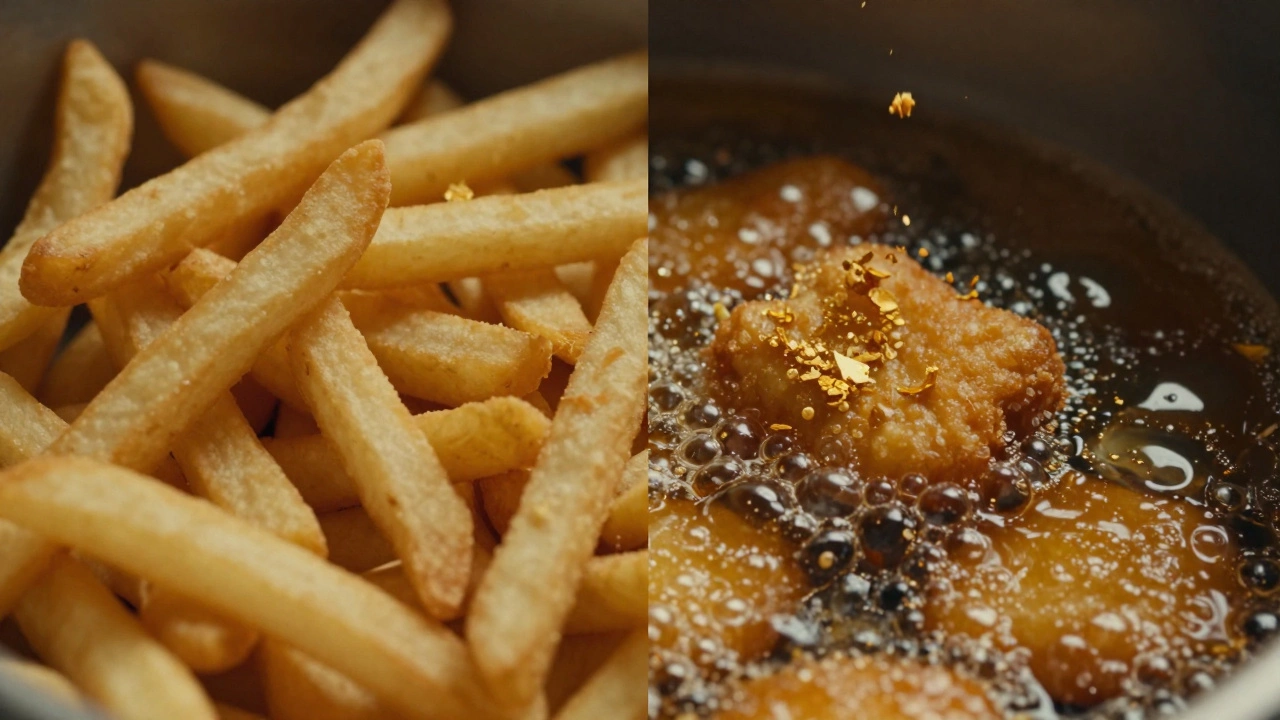
How to Navigate the Menu as a Vegan
If you're craving that fast-food hit but want to stay true to your values, you have to be a bit of a detective. Don't just assume the fries are safe. Here is a realistic way to handle it:- Ask the staff if the fries are cooked in a dedicated fryer. Most will say no, but it's worth the ask to be sure.
- Check the local ingredients list via the official app. Companies are updating these more frequently now.
- Consider the "Beef Flavor" trade-off. Decide if a synthetic additive is a boundary for you.
- Look for plant-based alternatives. Some regions now offer a McPlant burger, which shows the company is moving toward more authentic vegan options.
The Psychology of Fast Food Veganism
There's a lot of judgment in the vegan community about "fast food mistakes." Some say if it's not 100% pure, it's not vegan. Others argue that the goal is to reduce harm, and a trace amount of oil in a fryer doesn't outweigh the benefit of choosing plant-based over meat. If you're new to this lifestyle, don't stress too much. Most people start by cutting out the obvious stuff-like the Big Mac-and then gradually refine their standards. The fries are a great example of the "gray area." They aren't a steak, but they aren't a raw carrot either. Using a rule of thumb: if it makes you feel uneasy, skip it. If you're just hungry and the beef flavor doesn't bother you, enjoy your meal.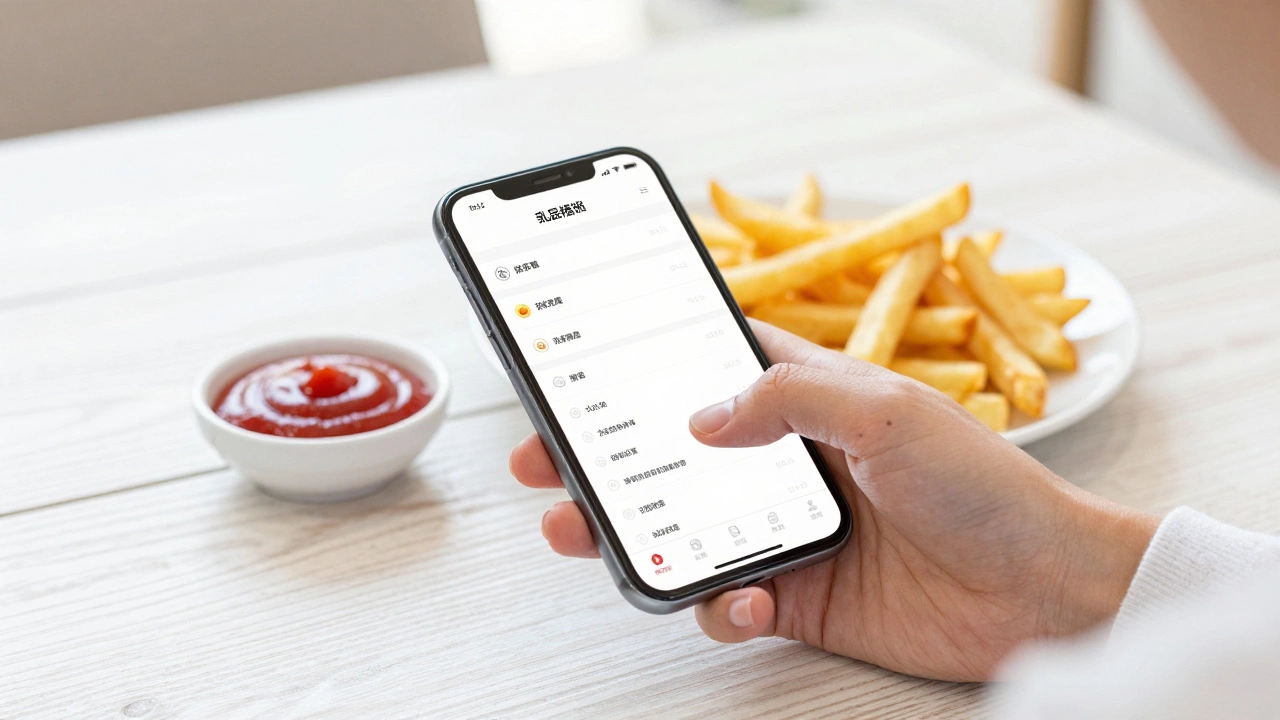
Common Pitfalls to Avoid
One big mistake people make is assuming that because a product is "meatless," it's vegan. Many fast food items use casein (a milk protein) or whey to keep things crispy or creamy. While the fries don't typically use these, other "vegetarian" sides might. Another pitfall is the dip. Ketchup is usually safe, but honey mustard or ranch are definitely out. Always double-check the sauce. If you're dipping your fries in something, that's where the real dairy and egg hidden-ingredients usually hide.Do McDonald's fries contain dairy or eggs?
No, the fries themselves do not contain dairy or eggs. They are made from potatoes, oil, salt, and flavorings. The main concern for vegans is the beef-derived flavor and the risk of cross-contamination from shared fryers.
Are the fries gluten-free?
While the ingredients are naturally gluten-free, they are cooked in the same oil as breaded chicken and fish. This means there is a high risk of gluten cross-contamination, so they aren't recommended for people with Celiac disease.
Can I ask for fries cooked in a fresh batch of oil?
In theory, you could, but in practice, it's almost impossible. Fast food kitchens operate on tight timers and pre-set batches. Asking for a fresh pot of oil would slow down the entire line and is rarely granted.
Is the "natural beef flavor" actually meat?
It is a flavoring agent. While it is derived from beef, it isn't "meat" in the sense of a steak or burger. It's a chemical profile designed to mimic the taste of beef to ensure the fries taste the same every time.
What is the most vegan-friendly McDonald's menu item?
Depending on the region, the McPlant burger (without cheese/mayo) is the gold standard. Otherwise, plain fries (if you accept the flavor) and some fruit-based desserts are the safest bets.