The Secret to Gluten-Free Baking: Moist Cakes and Perfect Crumbs
Discover the real secrets to moist, structurally sound gluten-free cakes. Learn how to balance flours, use gums correctly, and adjust baking techniques for perfect results.
Read More
If you’ve ever pulled a batch of cookies out of the oven only to find them flat or too crunchy, you’re not alone. Small changes in how you handle dough, temperature, or timing can make a massive difference. Below are the most useful, down‑to‑earth tips that work for cookies, cakes, brownies, and pretty much any sweet you’re tackling.
Chilling dough isn’t just for pie crusts. When you rest cookie dough in the fridge for 30 minutes to an hour, the butter firms up again after it melts in the oven. This prevents the cookies from spreading too much and gives you a chewy centre with a crisp edge. The same idea applies to cake batter. A brief chill (15‑20 minutes) before baking can help the batter settle, reducing air bubbles and giving you a finer crumb.
Weight beats volume every time. A kitchen scale eliminates the guesswork that comes with packing flour or scooping brown sugar. Use the same cup for dry ingredients only, and level it off with the back of a knife. This simple habit stops dense cakes and crumbly brownies caused by too much flour.
Another quick win: when a recipe calls for “a pinch of salt,” just add about 1/8 teaspoon. Too little can make flavors flat, too much can overwhelm. Small adjustments keep the balance right without trial‑and‑error.
Every oven has hot spots. Rotate your tray halfway through the bake to get even browning. If you notice your bottom cookies burning while the tops stay pale, move the rack up one level or place a baking sheet on the rack below to diffuse heat.
Preheating isn’t optional; it’s the foundation. Give the oven at least 10‑15 minutes to reach the set temperature before you slide anything in. This ensures the initial rise and set happen as intended, especially for airy cakes.
Let baked goods cool on a wire rack, not in the pan. The steam trapped inside the pan continues to cook the item, often leading to soggy bottoms. For brownies and fudge, a short cool‑down (15 minutes) in the pan helps them set enough to cut cleanly, then move them to a rack for the final chill.
And remember, flavors develop as they rest. A slice of chocolate cake tastes richer the next day because the moisture redistributes. So, if you have time, bake a day ahead and enjoy the improvement.
Over‑mixing creates gluten, which makes cookies tough and cakes dense. Stir dry ingredients into wet ones just until combined. For brownies, fold in chocolate chips at the last second; this prevents them from melting into the batter and losing texture.
When a recipe calls for “cream” butter and sugar, do it for 2‑3 minutes until the mix looks pale and fluffy. This incorporates air, giving cakes a lighter crumb without adding extra leaveners.
Use these tricks next time you tackle a new recipe. The difference shows up in texture, rise, and flavor without needing fancy equipment. Keep experimenting, note what works, and you’ll be the go‑to baker for friends and family in no time.
Discover the real secrets to moist, structurally sound gluten-free cakes. Learn how to balance flours, use gums correctly, and adjust baking techniques for perfect results.
Read More
Discover why the chocolate chip cookie dominates global sales and hearts. Learn the science behind its popularity and get expert tips for baking the perfect homemade batch.
Read More
Struggling with stuck pavlovas? Discover why baking paper beats foil for meringues. Learn expert tips for perfect release, avoiding weeping, and achieving a crisp shell.
Read More
Learn how to replace heavy cream in cheesecake with easy swaps like Greek yogurt or coconut cream. Discover tips to prevent cracking and achieve a perfect texture every time.
Read More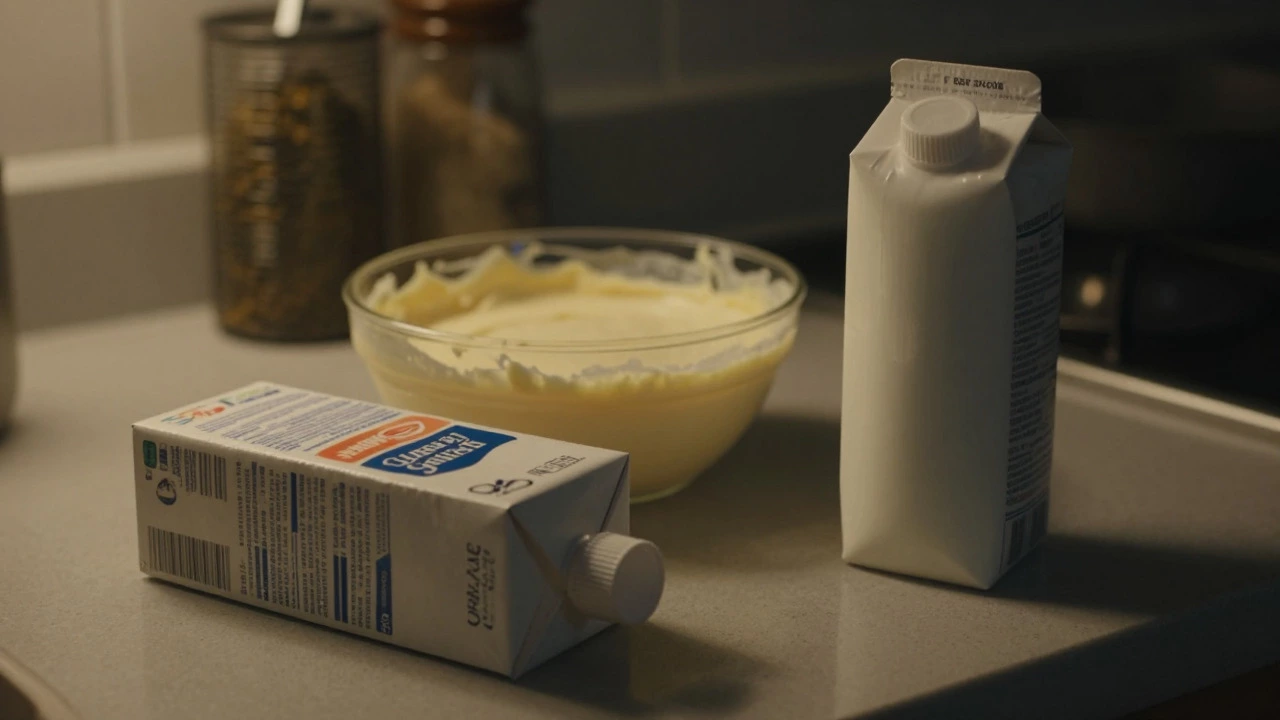
Can you swap evaporated milk for heavy cream in cheesecake? Yes, but expect texture changes. Learn how to adjust fat and moisture for better results, plus safer alternatives like sour cream or Greek yogurt.
Read More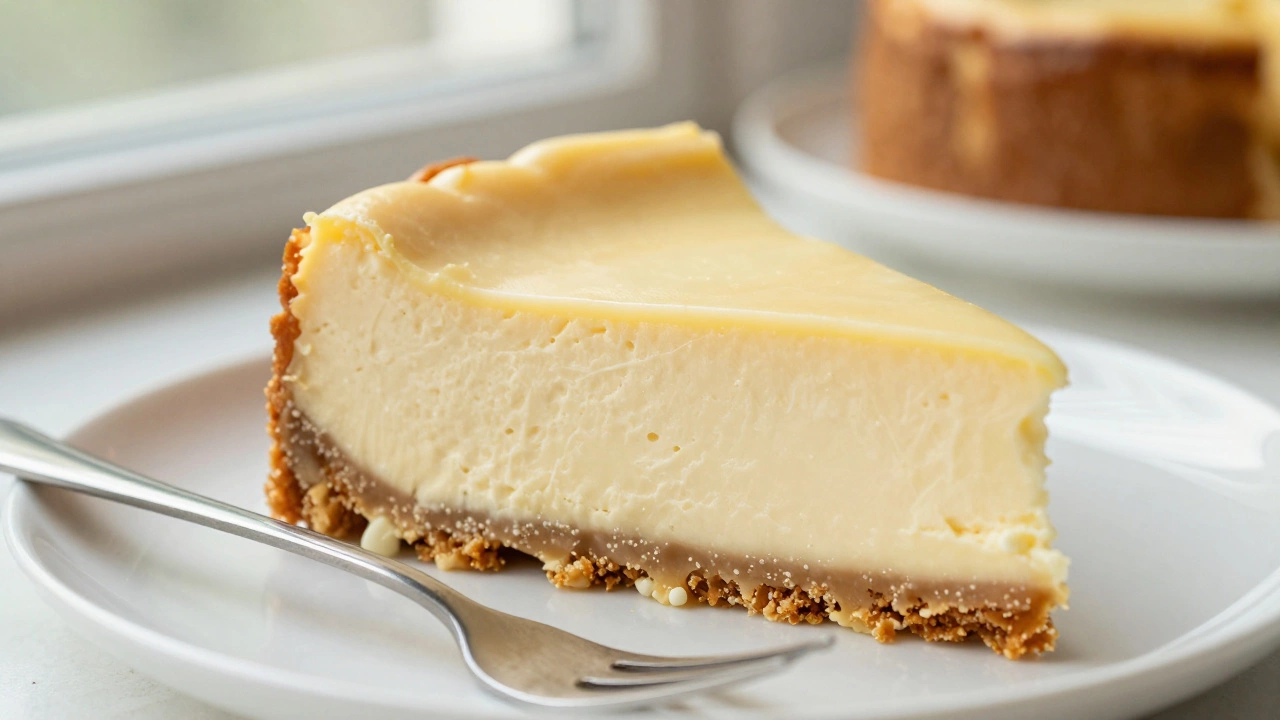
Discover what makes New York cheesecake famous. Learn about its dense texture, key ingredients like cream cheese, and baking secrets to avoid cracks.
Read More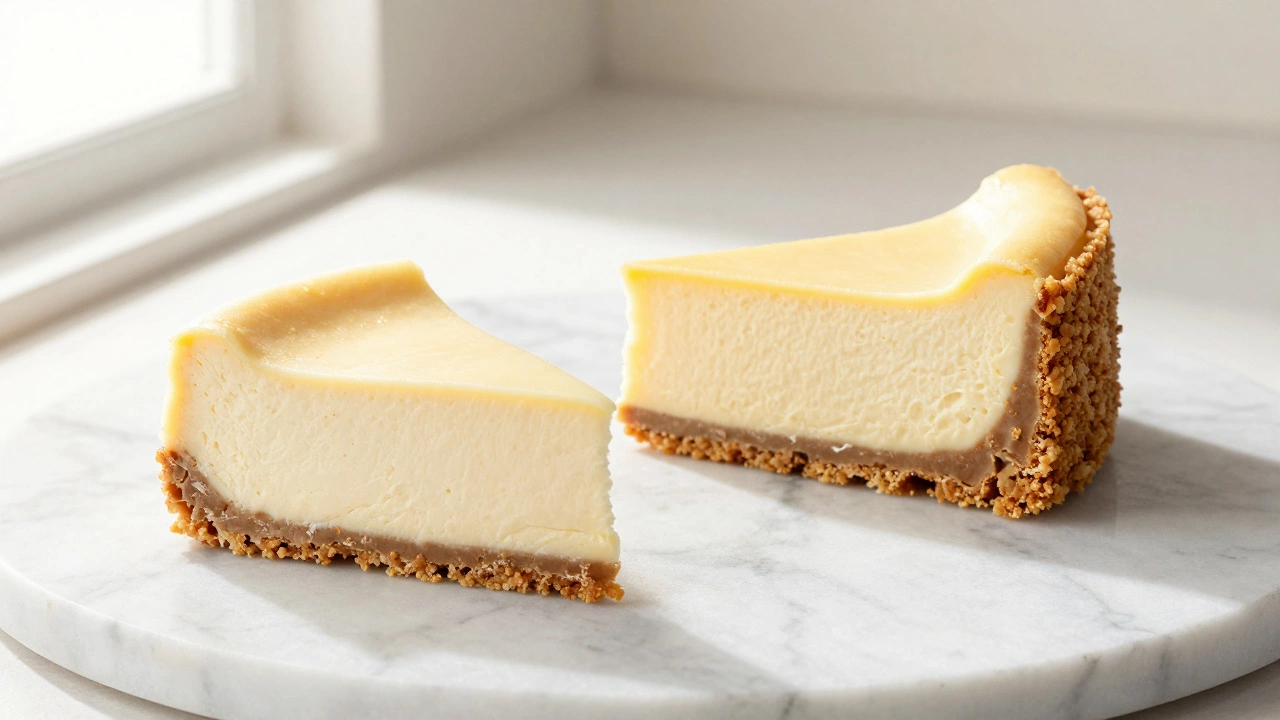
Discover the key differences between New York style cheesecake and regular cheesecake, from ingredients and texture to baking methods and taste.
Read More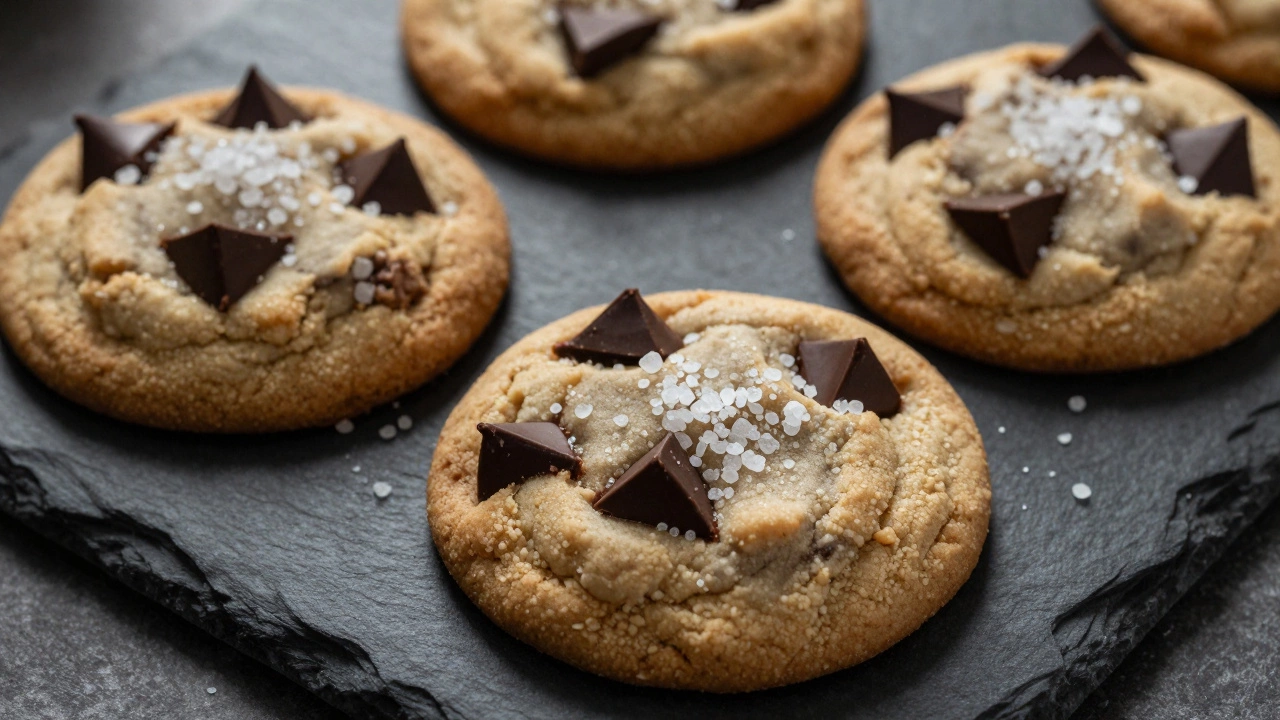
Discover the spices Gordon Ramsay uses to elevate homemade cookies, from the secret of flaky sea salt to the art of blooming cinnamon and cardamom.
Read More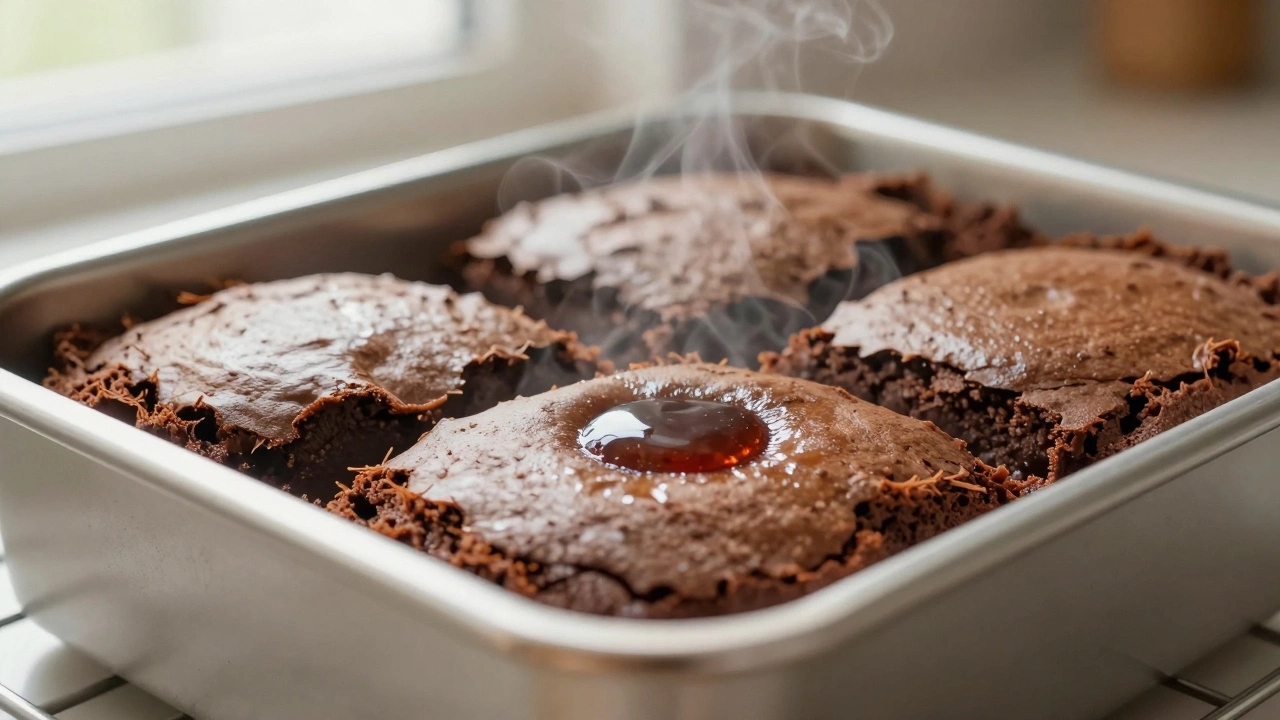
Learn how to bake brownies with soft, tender edges instead of dry, hard crusts. Simple fixes like pan choice, oven temperature, and a water bath make all the difference.
Read More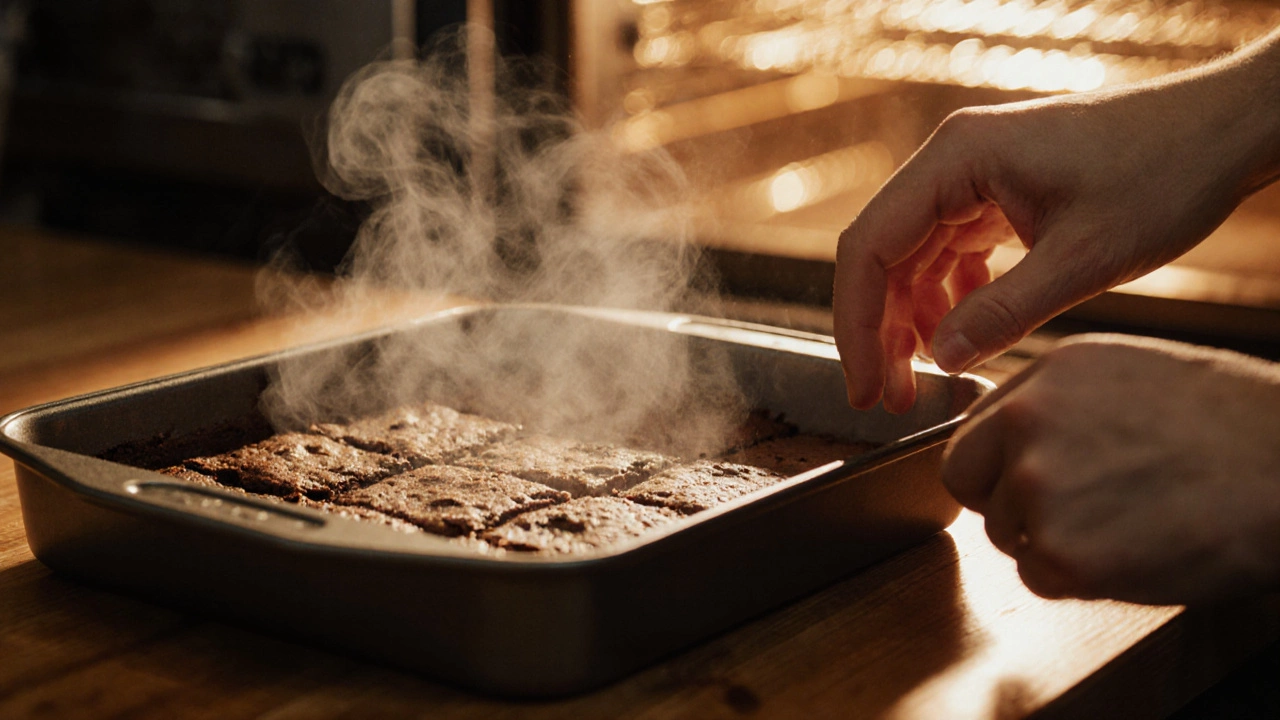
Learn the ideal cooling time for brownies, why it matters, and tips to get perfect texture every time.
Read More
Overbaking brownies can ruin the texture and flavor, making them dry and crumbly. This guide dives into the real reasons brownies get overcooked, from oven quirks to mixing mistakes. Learn practical ways to spot the perfect doneness without fancy tools. Follow these easy tips for rich, moist brownies every single time.
Read More
Baking cookies at home isn’t just about following a recipe—it’s about nailing a few key steps for the best results. This article cuts through the clutter to highlight three specific guidelines that can make or break your batch. You'll find real tips and fun facts that anyone can use, whether you’re a first-timer or a seasoned home baker looking for fewer kitchen blunders. Simple solutions, relatable problems, and lots of clarity. Get ready for cookies that turn out just right, every time.
Read More