Food Safety Basics for Home Bakers
If you love whipping up cakes, cookies, or fudge, you also need to keep those goodies safe to eat. A few easy habits can stop nasty bugs, keep flavors fresh, and protect friends and family from food‑borne illness. Below you’ll find the most practical steps you can add to your routine right away.
Handling Ingredients Safely
Start with clean hands and a tidy workspace. Wash your hands with warm water and soap for at least 20 seconds before you touch any ingredient. Wipe down countertops, mixing bowls, and utensils with hot, soapy water or a kitchen sanitizer. When you open a new packet of flour, cocoa or sugar, sniff it first – a sour smell means it’s gone bad and should be tossed.
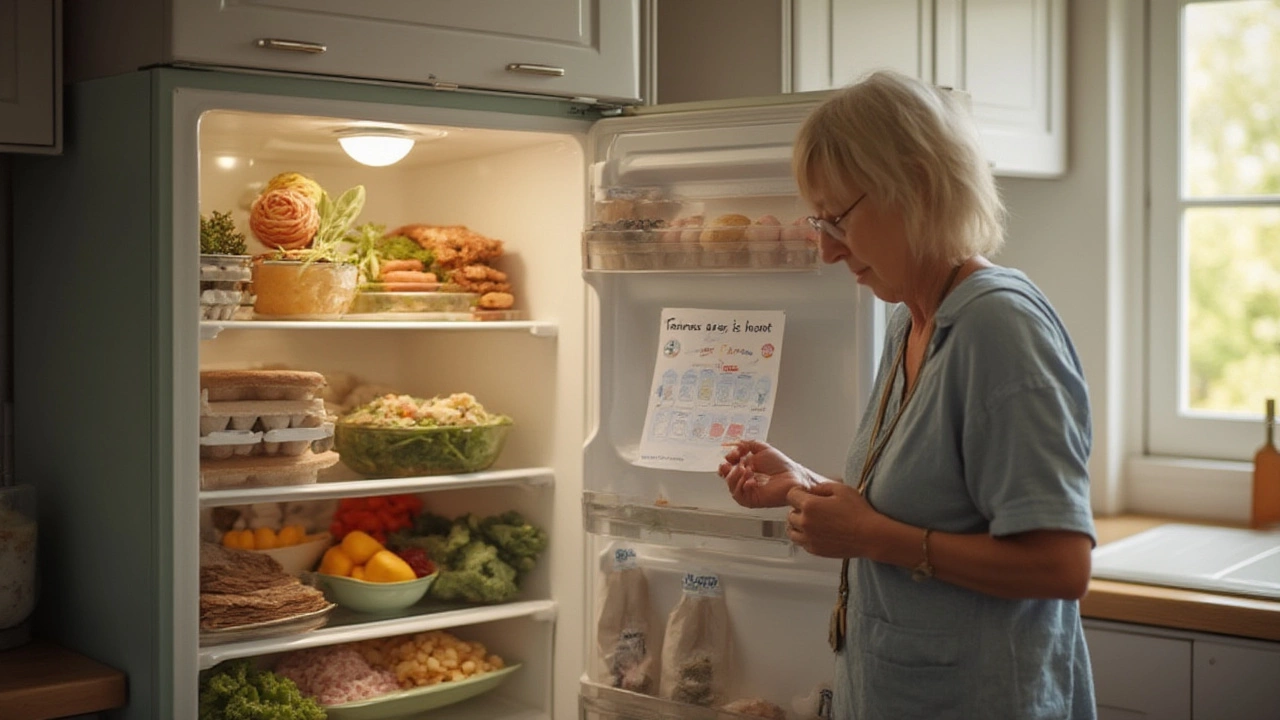
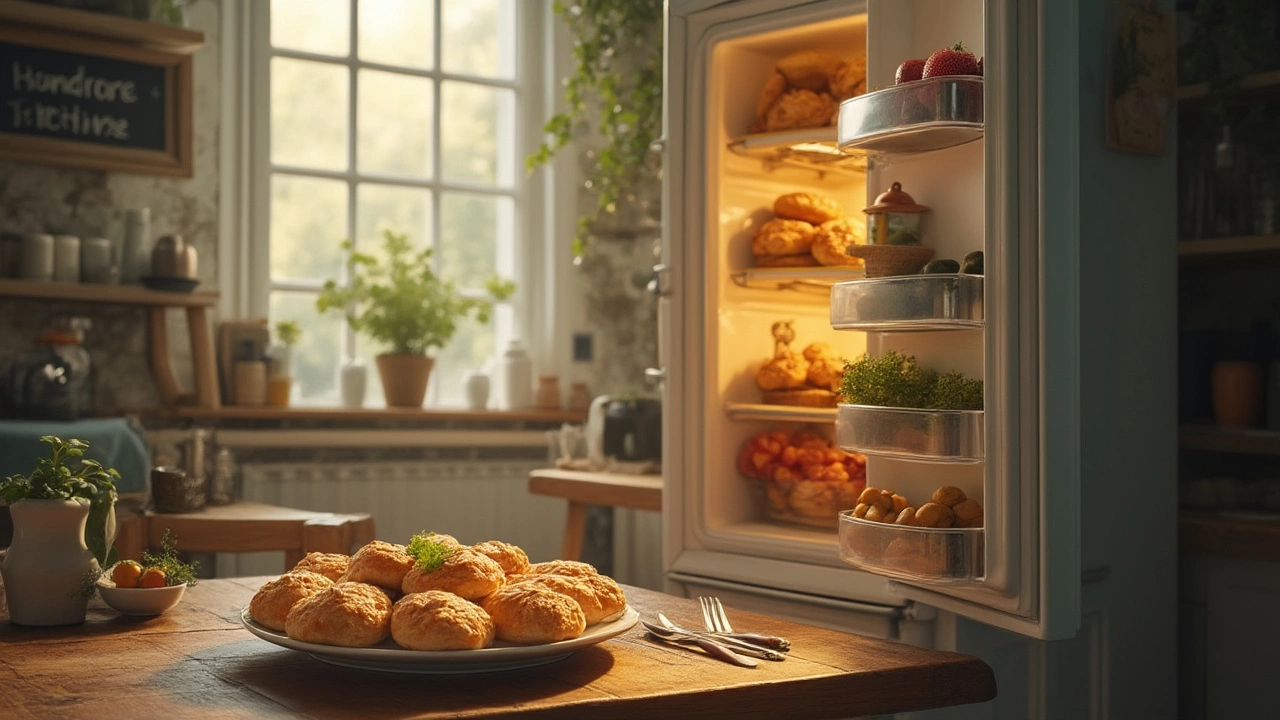
Store raw eggs, dairy, and any fresh fruit in the coldest part of your fridge (usually the back). Keep them on a shelf, not the door, because the temperature fluctuates when the fridge opens. If you’re using canned goods, check the expiration date and look for dents or bulging lids – those are red flags.
Storing and Serving Desserts Properly
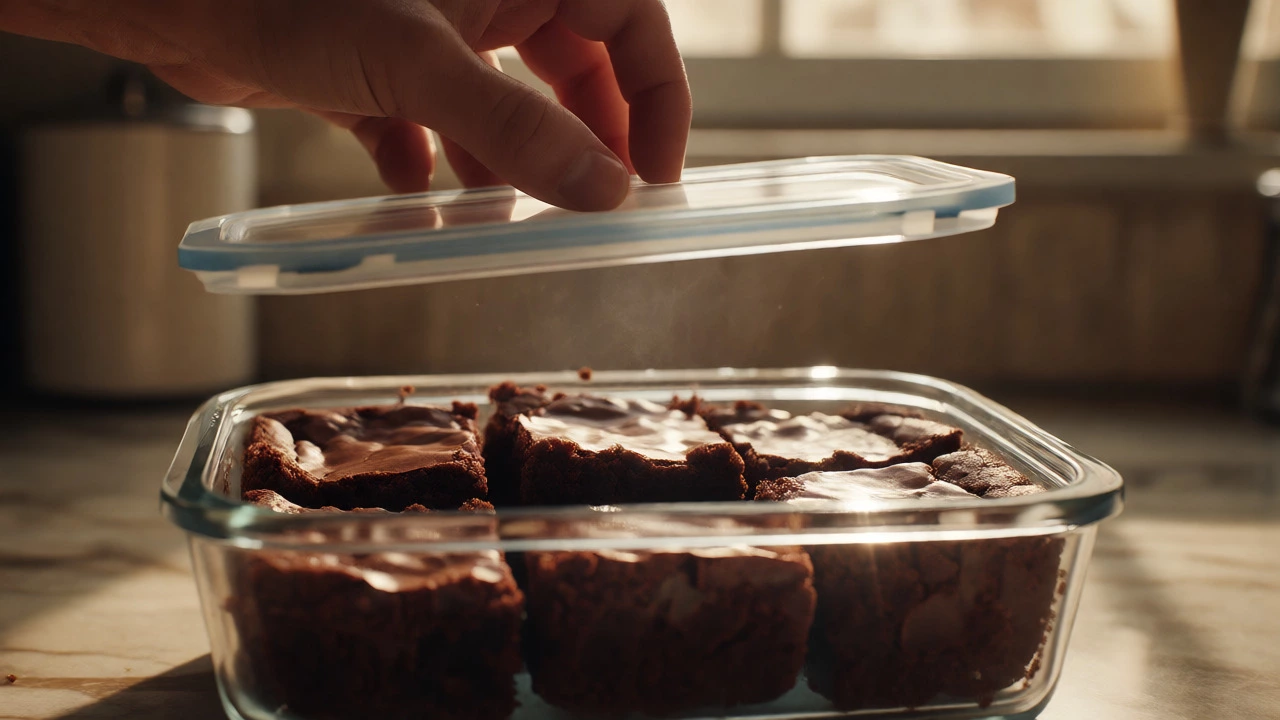
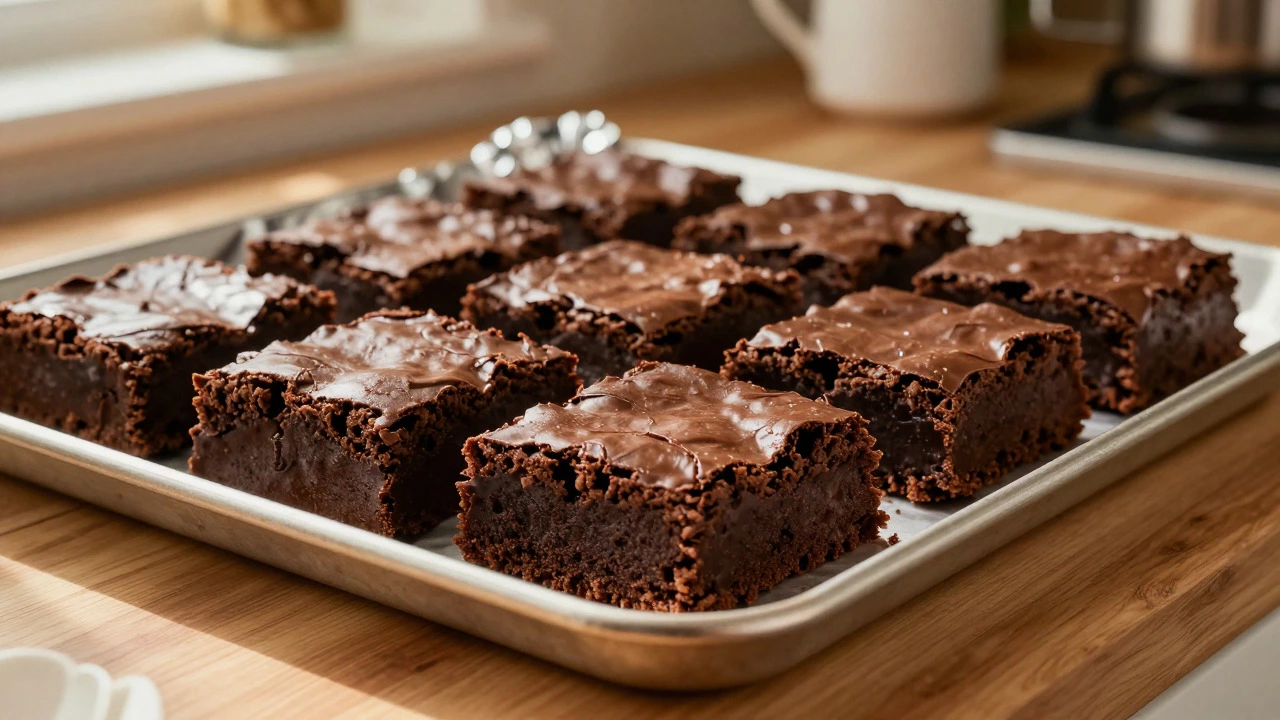
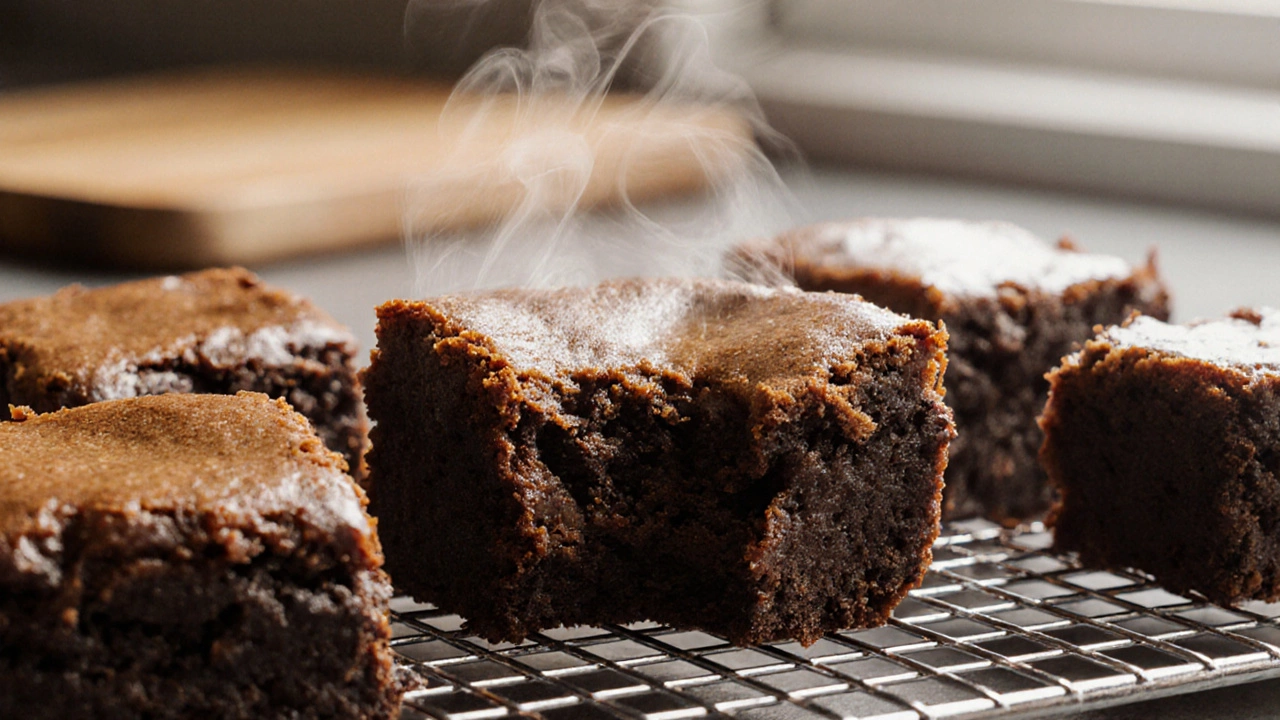
Once your dessert is baked, let it cool on a clean rack before you cover it. Covering while still hot traps steam and creates a soggy texture, plus it can promote bacterial growth. For items like brownies, cookies, or cupcakes, a simple airtight container works fine; for cream‑filled cakes or mousse, store them in the fridge and keep them covered with plastic wrap.
When you’re planning to serve a dessert at a party, keep it chilled until guests arrive. If a dessert sits out for more than two hours at room temperature, the risk of spoilage jumps dramatically. Use a cooler or an ice‑filled tray for items that need to stay cold, like chilled tarts or custard pies.
Reheating leftovers? Make sure they reach an internal temperature of at least 75 °C (165 °F). A quick way is to use a food thermometer – it takes seconds and gives peace of mind. Avoid reheating desserts more than once; each reheating cycle can degrade texture and increase bacterial chances.
Cross‑contamination is another hidden danger. Use separate cutting boards for raw fruit and for baked goods, especially if you’re adding fresh berries to a cake. Keep raw meat or poultry far away from your baking area; their juices can splash onto flour or sugar and ruin a batch.
Finally, label everything. Write the name of the dessert, the date it was made, and any special storage notes on a sticky note or a piece of tape. When you or someone else pulls a treat from the fridge, the info is right there and you won’t accidentally serve something that’s past its prime.
By treating food safety like another ingredient in your recipe, you’ll keep the flavors bright and the kitchen worry‑free. These habits are quick, cheap, and worth the effort – especially when your friends rave about a dessert that’s both tasty and safe to eat.