Heavy Cream Substitute Calculator
| Substitute | Amount Needed | Fat Content | Flavor Note |
|---|
Recommended Adjustment
Click calculate to view adjustments.
Enter your cream amount and click Calculate to see precise substitutions.
Running out of heavy cream right when you’re ready to bake is a classic kitchen panic. But do you actually need it? In many cheesecake recipes, heavy cream is a high-fat dairy product used to add richness and texture to the filling. Its main job is to provide moisture and prevent the final dessert from becoming too dense or dry. If you don’t have it, there are several reliable swaps that work surprisingly well, depending on the type of cheesecake you are making.
Understanding the Role of Fat in Baking
Before swapping ingredients, it helps to know why fat matters. In a standard New York-style cheesecake, the structure comes primarily from cream cheese is a soft, high-moisture cheese made from milk curds. The eggs bind everything together, while sugar adds sweetness. Heavy cream acts as a lubricant, keeping the crumb tender rather than rubbery. If you remove this fat source without replacing it, your cheesecake might crack or taste chalky. Therefore, any substitute must match the fat content closely, ideally sitting between 30% and 40% fat.
The Top Three Direct Swaps
Not all substitutes are created equal. Some change the flavor profile significantly, while others maintain the classic taste. Here are the most effective options ranked by ease of use and result quality.
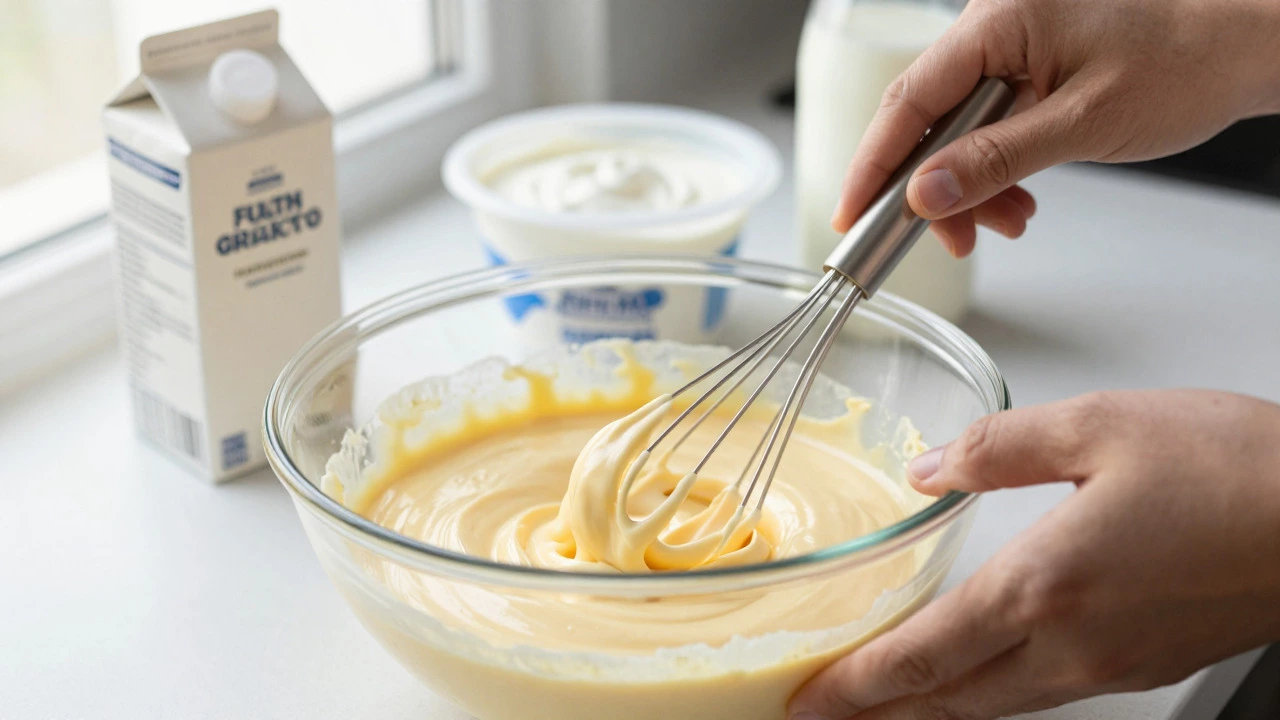
- Full-Fat Greek Yogurt: This is often the best choice for home bakers. It has a similar consistency to heavy cream but adds a slight tang. Because it contains live cultures, it can also help with the setting process. Use a 1:1 ratio. For example, if a recipe calls for 1 cup of heavy cream, use 1 cup of full-fat Greek yogurt. Strain it through a cheesecloth for an hour if you want a thicker, cream-like texture.
- Half-and-Half: As the name suggests, this is a mix of whole milk and light cream. It has about 10-18% fat, which is lower than heavy cream (36-40%). To compensate, you may need to reduce the amount of other liquids in the recipe by 10%. It produces a lighter, fluffier cheesecake that is less rich but still delicious.
- Evaporated Milk: This is milk that has had 60% of its water removed. It concentrates the solids and fats, making it a sturdy alternative. It has a slightly caramelized flavor due to the heating process during production. Use a 1:1 substitution. This works particularly well in baked cheesecakes where the extra body helps prevent weeping.
Dairy-Free and Low-Fat Options
If you are avoiding dairy entirely or watching your calorie intake, plant-based options can work, but they require careful handling. Coconut cream is the standout here. Unlike coconut milk, which is thin, coconut cream is thick and fatty. Shake a can of full-fat coconut milk vigorously and let it sit in the fridge overnight. The solid layer at the top is coconut cream. Use this in a 1:1 ratio. Be aware that it will impart a subtle tropical note to the cheesecake, which pairs excellently with fruit toppings like mango or strawberry.
For those seeking a low-fat option, sour cream is a viable candidate. It has about 20% fat and a distinct acidity. While not a direct volume swap for liquid cream, it can replace part of the cream and part of the cream cheese to balance the texture. A common trick is to use half sour cream and half plain yogurt to mimic the mouthfeel of heavy cream.
| Substitute | Fat Content | Flavor Impact | Texture Result | Best For |
|---|---|---|---|---|
| Full-Fat Greek Yogurt | ~5-10% | Slightly tangy | Dense, creamy | Baked & No-Bake |
| Half-and-Half | 10-18% | Mild, milky | Lighter, fluffier | Baked Cheesecakes |
| Evaporated Milk | 7-8% | Caramelized notes | Sturdy, less prone to cracking | New York Style |
| Coconut Cream | 17-24% | Tropical, sweet | Rich, smooth | Fruit Toppings |
Techniques to Maximize Success
Swapping ingredients changes the chemistry of the batter. To ensure your cheesecake turns out perfectly, follow these practical tips. First, bring all ingredients to room temperature before mixing. Cold substitutes like refrigerated yogurt can cause lumps in the batter. Second, mix gently. Overmixing incorporates air, which leads to cracks during baking. When using thinner substitutes like half-and-half, consider adding a tablespoon of cornstarch to help stabilize the mixture.
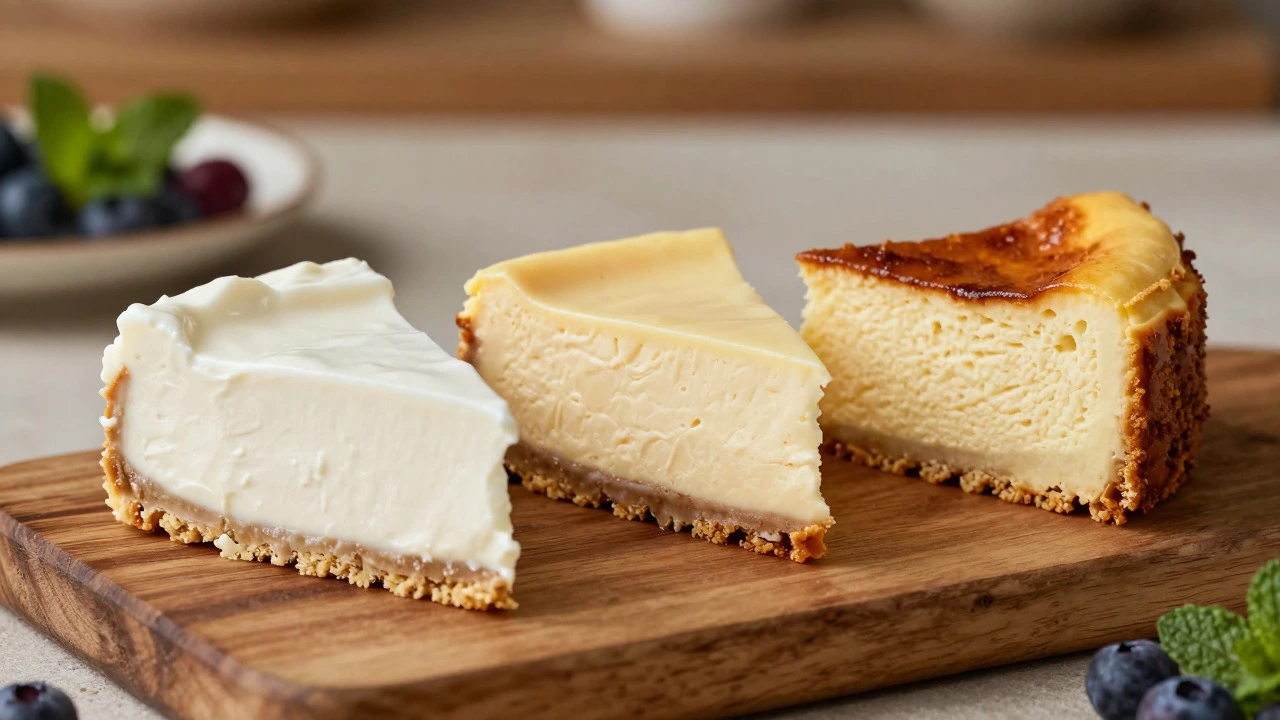
Temperature control is also critical. Whether you use heavy cream or a substitute, bake the cheesecake in a water bath (bain-marie) to keep the heat even. This prevents the edges from cooking faster than the center, a common issue when using lower-fat substitutes that set differently. Let the cheesecake cool in the oven with the door cracked open for one hour. This gradual cooling reduces thermal shock and minimizes cracking.
Common Mistakes to Avoid
Many home bakers make predictable errors when substituting. One major mistake is using skim milk or non-fat yogurt. These lack the necessary fat to create a smooth emulsion, resulting in a grainy or watery filling. Another error is forgetting to adjust sweetness. Some substitutes, like evaporated milk, have natural sugars that caramelize, so you might need to reduce added sugar by 1-2 tablespoons to avoid an overly sweet result.
Also, be cautious with whipped cream. Do not confuse heavy cream (liquid) with whipped cream (aerated). You cannot simply swap whipped cream into a batter because the air bubbles will collapse during baking, leaving you with a deflated, dense cake. Always use the unwhipped, liquid form of any cream substitute.
FAQ
Can I use regular milk instead of heavy cream?
Yes, but the result will be much lighter and less rich. Regular milk has only 3-4% fat compared to 36% in heavy cream. To improve the texture, consider mixing the milk with a small amount of melted butter or using evaporated milk, which has more concentrated solids.
Does using Greek yogurt change the flavor of the cheesecake?
It adds a subtle tanginess, similar to how lemon juice affects the flavor. Most people find this pleasant and complementary to the sweetness of the sugar. If you dislike tangy flavors, choose a neutral substitute like half-and-half or evaporated milk.
Which substitute works best for no-bake cheesecakes?
Full-fat Greek yogurt or coconut cream are excellent choices. They hold their shape well when chilled and provide enough body to set properly without needing the structural changes that occur during baking. Avoid very thin liquids like regular milk, as they may not set firmly enough.
Can I use condensed milk as a substitute?
Sweetened condensed milk is too sugary for a direct swap unless you adjust the recipe significantly. Evaporated milk, however, is unsweetened and works very well. If you only have sweetened condensed milk, reduce the added sugar in the recipe by half and dilute the condensed milk with a little water to reach a cream-like consistency.
Will my cheesecake crack if I use a substitute?
Cracking is usually caused by overmixing or rapid temperature changes, not necessarily the ingredient itself. However, lower-fat substitutes can make the batter more fragile. To prevent cracking, ensure all ingredients are at room temperature, mix gently, and cool the cheesecake slowly in the oven after baking.