
Fudge Ingredient Substitution Calculator
Calculate the correct adjustments when substituting sweetened condensed milk with cream of coconut in your fudge recipe.
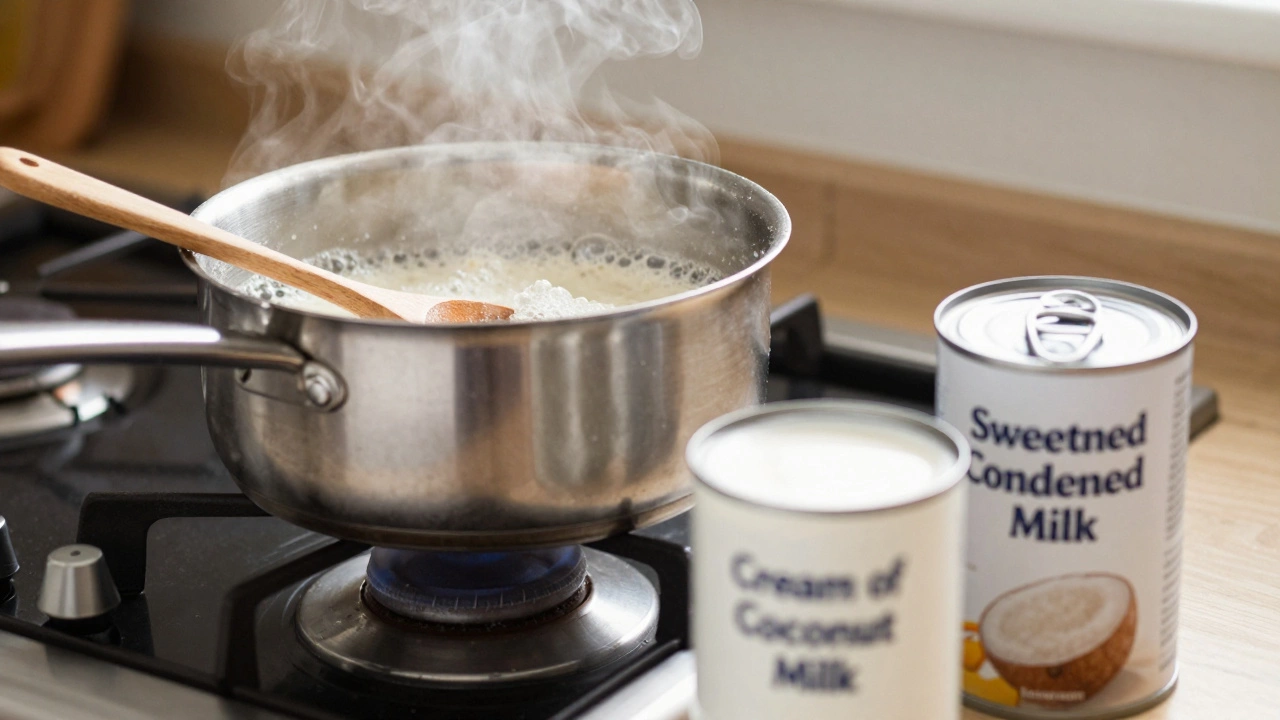
You’re halfway through making your favorite fudge is a dense, sweet confection made by boiling sugar, butter, and milk or cream to a specific temperature before stirring until it sets. The bowl is hot, the mixer is running, and you realize you’ve run out of sweetened condensed milk is canned cow's milk that has been simmered down and mixed with sugar, resulting in a thick, viscous liquid used primarily in desserts.. You glance at the pantry and spot a can of cream of coconut is a thick, sweet syrup made from coconut cream and sugar, commonly used in tropical cocktails like piña coladas.. It looks similar-thick, white, and sweet. Can you just swap them? The short answer is: technically yes, but practically, it’s a risky move that will change your dessert entirely.
Before you dump that coconut syrup into your pot, let’s break down why these two ingredients are not interchangeable twins. They might share a shelf in the grocery store, but their chemical makeup and culinary roles are worlds apart. Understanding the difference saves you from ruining a batch of fudge and helps you decide if a tropical twist is what you actually want.
The Chemistry Behind the Swap
To understand why this substitution is tricky, we have to look at what makes fudge work. Fudge relies on precise ratios of sugar, fat, and water. When you boil the mixture, you are evaporating water to reach the "soft-ball stage" (around 234°F to 240°F). At this temperature, sugar molecules begin to crystallize as the mixture cools, creating that smooth, creamy texture we love.
Sweetened condensed milk provides three critical components:
- Dairy Solids: Proteins and lactose that help stabilize the emulsion and prevent large sugar crystals from forming.
- Fat: Milk fat contributes to the mouthfeel and richness.
- Water Content: It has a specific moisture level that balances the sugar concentration.
Cream of coconut, on the other hand, is mostly sugar and coconut oil. It contains very little actual coconut meat protein compared to dairy solids. It is significantly sweeter and much thicker than condensed milk. If you use it as a direct 1:1 replacement, you are introducing too much sugar and fat without the necessary dairy proteins to control crystallization. The result? Your fudge might turn out grainy, overly hard, or even separate into an oily mess.
Flavor Profile: Vanilla vs. Tropical
Beyond chemistry, there is the issue of flavor. Sweetened condensed milk has a mild, caramelized dairy taste that acts as a neutral backdrop for chocolate, vanilla, or nuts. It enhances sweetness without dominating the palate.
Cream of coconut screams "tropical." It has a distinct, potent coconut aroma. If you are making classic chocolate fudge, adding cream of coconut will create a "Coconut Macaroon" or "Piña Colada" flavor profile. This isn’t necessarily bad-if you love coconut, it could be delicious. But if you were aiming for traditional salted caramel or plain vanilla fudge, the coconut flavor will overpower everything else. You cannot mask strong coconut notes with chocolate alone; they will blend into a specific hybrid flavor.
Texture Changes to Expect
When you substitute cream of coconut for sweetened condensed milk, expect significant textural changes.
- Hardness: Because cream of coconut is denser and often has a higher sugar-to-liquid ratio, your fudge may set harder than usual. It might require more stirring during cooling to incorporate air, or it might end up brittle rather than creamy.
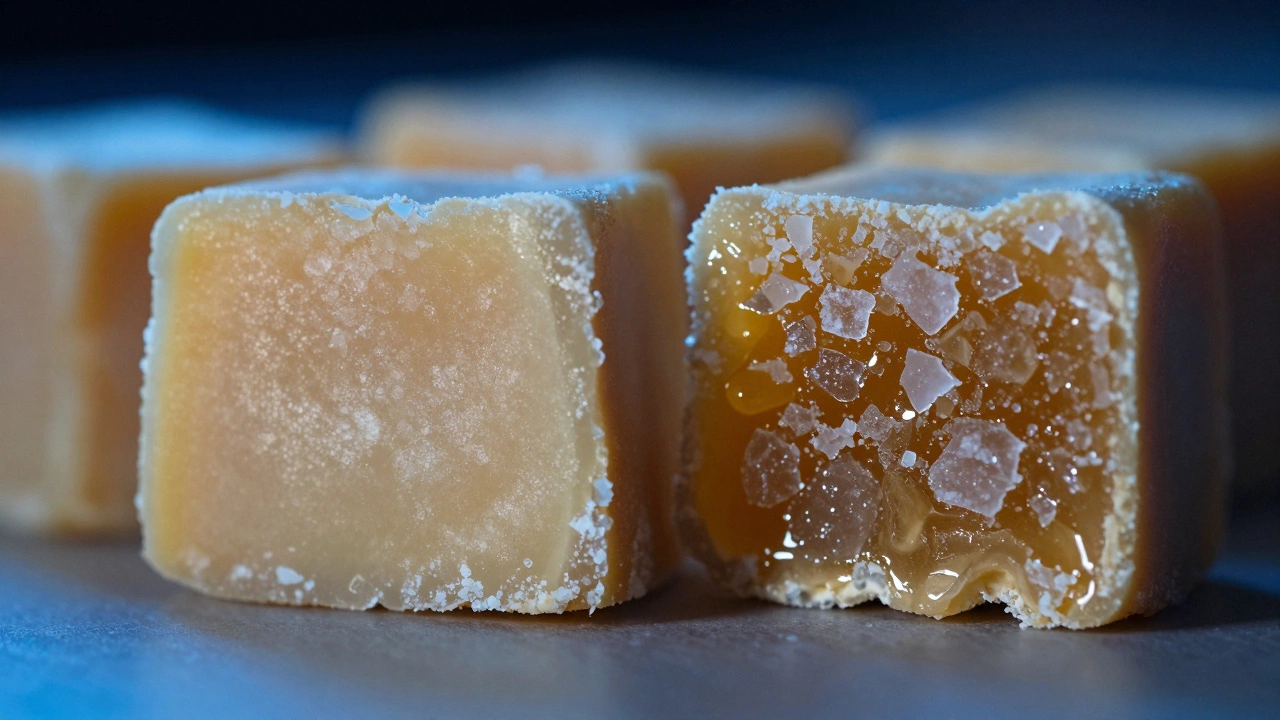
- Graininess: Without the stabilizing effect of dairy proteins, sugar crystals can form unevenly. This leads to a sandy or gritty texture instead of a smooth melt-in-your-mouth experience.
- Oil Separation: Coconut oil behaves differently than milk fat when heated and cooled. In some recipes, especially those high in heat, the coconut oil may separate from the sugar matrix, leaving you with greasy spots in your final product.
How to Make the Substitution Work
If you are committed to using cream of coconut-perhaps you are out of condensed milk and don’t want to run to the store, or you specifically want a coconut-chocolate fusion-you can mitigate the risks. Here is how to adjust your approach:
- Reduce Added Sugar: Cream of coconut is incredibly sweet. If your recipe calls for additional granulated sugar, reduce it by about 25% to avoid an inedible level of sweetness.
- Add Liquid: To balance the thickness, add a splash of regular milk or water to the cream of coconut before mixing it in. Aim for a consistency closer to heavy cream or thin yogurt.
- Incorporate Acid: A tiny pinch of salt or a few drops of lemon juice can cut through the intense sweetness and coconut flavor, bringing the profile back into balance.
- Control Temperature: Be extra vigilant with your candy thermometer. Since the water content differs, the boiling point behavior might shift slightly. Stick strictly to the soft-ball stage (238°F) and do not overcook.
Better Alternatives for Sweetened Condensed Milk
If your goal is simply to replace missing sweetened condensed milk without altering the flavor or texture of your fudge, consider these safer swaps:
| Substitute | Ratio | Flavor Impact | Texture Risk |
|---|---|---|---|
| Heavy Cream + Sugar | Simmer 1 cup cream with ¾ cup sugar until reduced by half | Neutral/Dairy | Low |
| Evan’s Original Evaporated Milk + Sugar | 1 cup evaporated milk + ½ cup sugar | Mild Caramel | Low |
| Coconut Cream (Unsweetened) + Sugar | 1 cup coconut cream + ½ cup sugar | Coconut (Milder) | Medium |
| Cream of Coconut | Direct 1:1 (Not Recommended) | Strong Coconut/Sweet | High |
When to Actually Use Cream of Coconut in Fudge
There is a time and place for cream of coconut in confectionery. If you are making a themed dessert-like a "Tiki Bar" party favor or a vacation-inspired treat-embrace the coconut. In this case, don’t try to hide it. Lean into it.
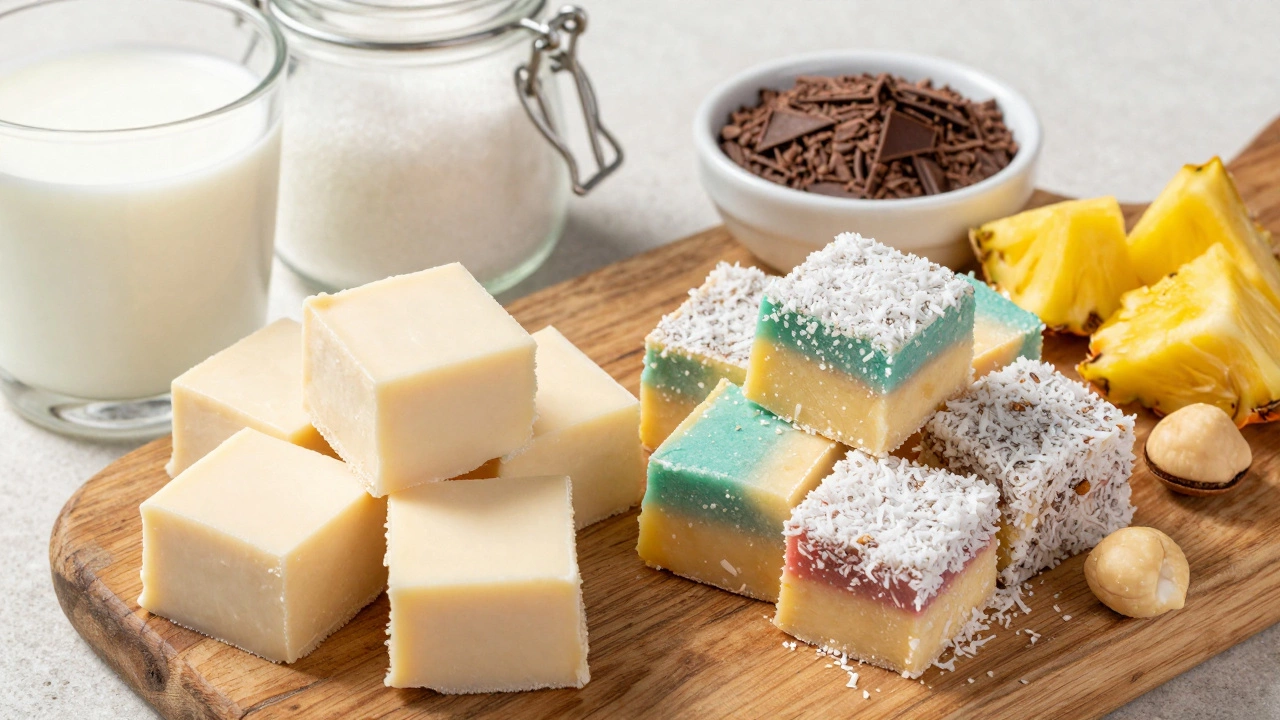
- Pairings: Combine cream of coconut fudge with toasted macadamia nuts, dried pineapple chunks, or dark chocolate to create a sophisticated tropical bar.
- Ganache Style: Instead of boiling sugar to a high temperature, try a no-boil method. Melt chocolate and stir in warmed cream of coconut. This creates a softer, ganache-like fudge where the texture issues of boiling are less pronounced.
- Dusting: Roll the finished squares in desiccated coconut for visual appeal and enhanced flavor.
Troubleshooting Your Batch
If you’ve already made the swap and things aren’t looking right, here is how to salvage your batch:
- Too Hard? Reheat the fudge gently with a tablespoon of milk or cream. Stir until melted, then re-cool. This adds moisture and softens the sugar structure.
- Too Grainy? Unfortunately, once sugar crystals form, they are hard to reverse. However, blending the hardened fudge in a food processor can break down the crystals into a fine powder, which you can then re-bind with a bit of melted chocolate or melted butter or cream to make truffles instead of flat fudge squares.
- Too Oily? Chill the fudge immediately in the refrigerator. Cold temperatures solidify coconut oil faster than room temperature, helping the fats re-emulsify into the sugar matrix.
Ultimately, cooking is about experimentation, but knowledge prevents waste. While you *can* use cream of coconut instead of sweetened condensed milk, you are not making the same dessert. You are making a coconut-infused variation with different structural properties. If you want classic fudge, stick to dairy-based substitutes. If you want a tropical adventure, go ahead-but adjust your expectations and your recipe accordingly.
What is the main difference between cream of coconut and sweetened condensed milk?
Sweetened condensed milk is made from cow's milk, sugar, and water, providing dairy proteins and fats essential for stable fudge texture. Cream of coconut is made from coconut cream and sugar, lacking dairy proteins and having a much stronger flavor and higher sugar density.
Will my fudge be safe to eat if I use cream of coconut?
Yes, it will be safe to eat. The risk is not food safety, but quality. The texture may be grainy, hard, or oily, and the flavor will be intensely coconutty and sweet.
Can I use coconut cream instead of cream of coconut?
Coconut cream is unsweetened and thinner. It is a better base for a substitute because you can control the sugar. Mix 1 cup coconut cream with 1/2 to 3/4 cup sugar to mimic the sweetness of condensed milk, though the flavor will still be coconut-forward.
Does cream of coconut need to be refrigerated after opening?
Yes, once opened, cream of coconut must be refrigerated and used within a week or two. Sweetened condensed milk can stay unrefrigerated until opened due to its high sugar content acting as a preservative, but best practices suggest refrigeration after opening for both.
Why did my fudge turn out hard after using cream of coconut?
Cream of coconut has less water and more sugar/fat than condensed milk. This imbalance causes the sugar to crystallize too tightly or the fat to separate, resulting in a harder, potentially brittle texture. Reducing added sugar in the recipe can help mitigate this.