Tiramisu Freezing & Thawing Planner
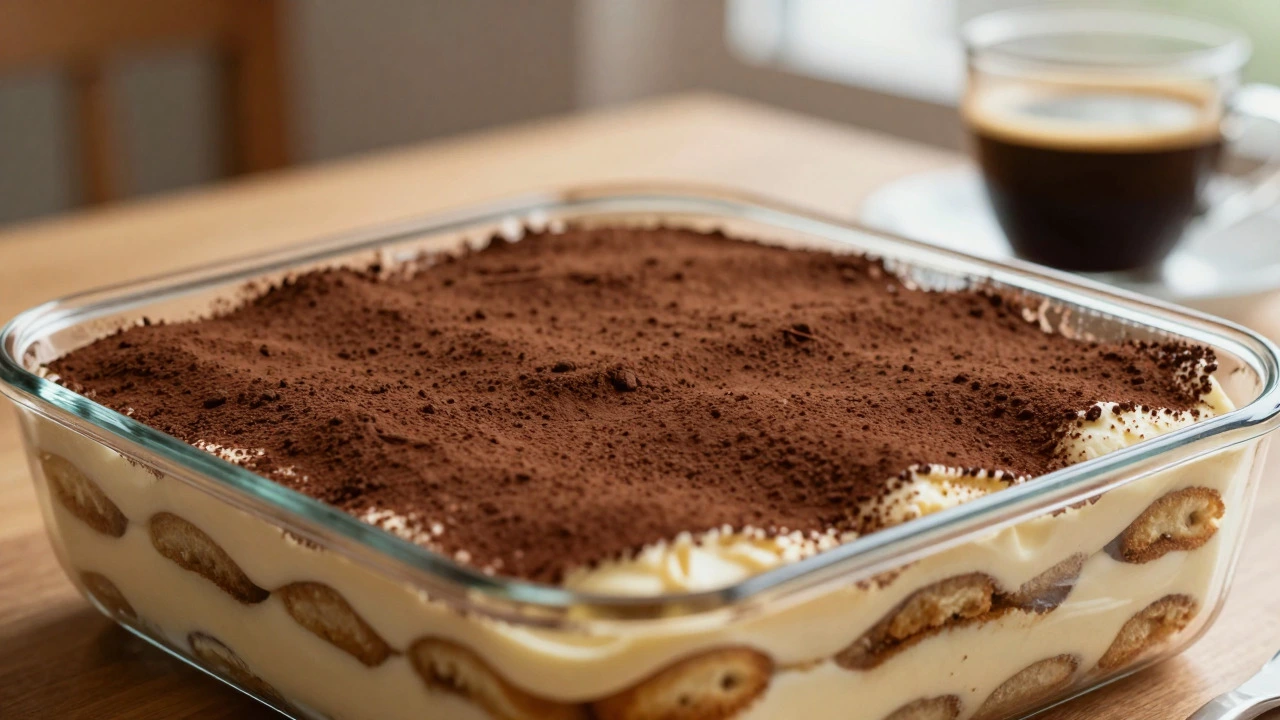
You made a batch of Tiramisu is a classic Italian dessert consisting of coffee-soaked ladyfingers layered with mascarpone cream and cocoa powder. It looks beautiful. It smells amazing. But now you have leftovers, or maybe you made it for a party that hasn't happened yet. The big question looms: can you actually put this delicate masterpiece in the freezer without turning it into a soggy, unrecognizable mess?
The short answer is yes, but with caveats. Unlike a sturdy chocolate cake or a dense brownie, tiramisu is a hydration bomb. It relies on the absorption of liquid (coffee) into dry structure (ladyfingers) and the stability of an emulsion (mascarpone). When you freeze these components, water expands. This expansion breaks down the cellular structure of the sponge and separates the fats in the cream. If you do it wrong, you end up with a watery, grainy disappointment. If you do it right, you can preserve the flavor and enjoy it weeks later.
Why Freezing Tiramisu Is Tricky
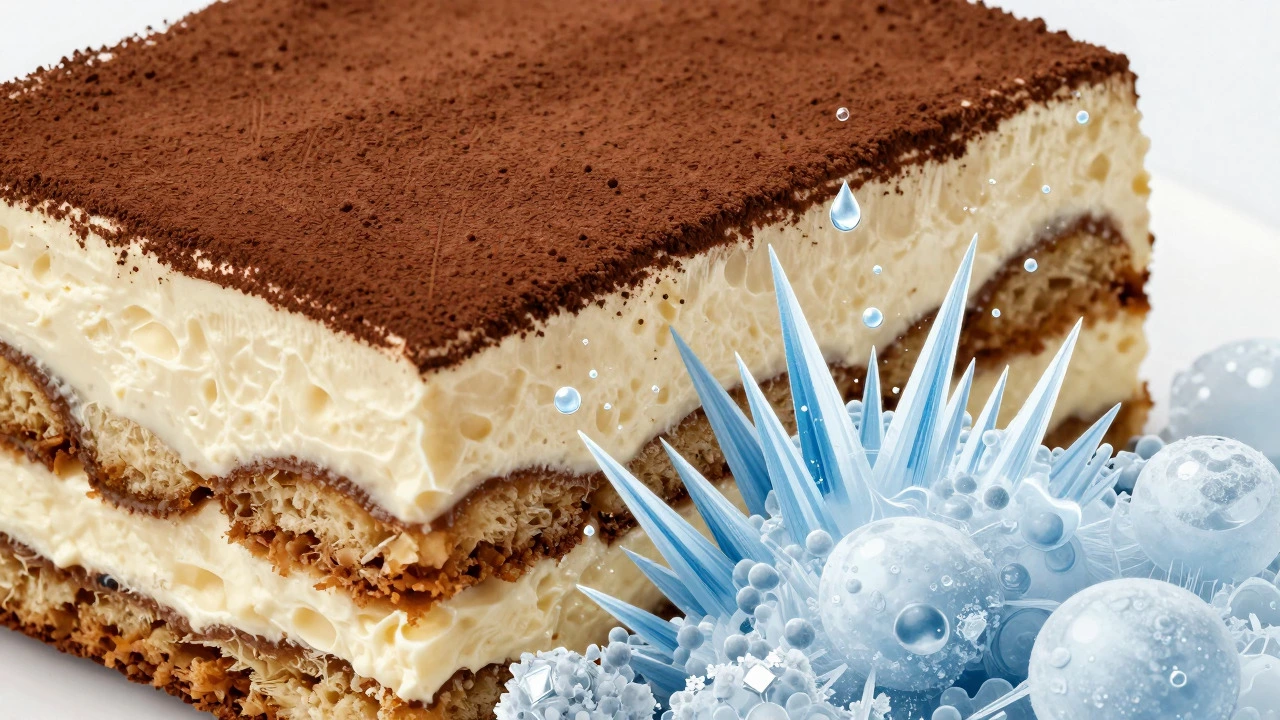
To understand how to freeze Mascarpone is an Italian soft cheese made from cream, known for its high fat content and mild, tangy flavor. effectively, you need to know what happens at the molecular level. Mascarpone has a very high moisture content. In the fridge, it stays smooth because the fat globules are suspended in a stable matrix. In the freezer, ice crystals form. These crystals act like tiny needles, puncturing the cell walls of the cream and the sponge.
When you thaw the dessert, those broken cells release their trapped water. This leads to two main problems: separation and sogginess. The cream might look lumpy or weep whey. The ladyfingers, which were already soaked in coffee, absorb even more moisture as they thaw, potentially collapsing into a mush. This is why freezing tiramisu is considered a last resort rather than a standard practice. However, if you are planning ahead for a large event or simply want to save leftovers, it is possible to mitigate these issues significantly.
Preparation Before Freezing
How you prepare your tiramisu before it hits the freezer makes all the difference. You cannot just slap plastic wrap on a loose, partially set dessert and hope for the best. Structure is key. Here is how to prep your dessert for long-term storage:
- Use High-Quality Ingredients: Cheaper mascarpone often contains stabilizers that separate poorly when frozen. Look for brands with simple ingredient lists. Similarly, use fresh espresso or strong brewed coffee instead of instant, as the bitterness helps balance the sweetness after thawing.
- Reduce Liquid Slightly: When dipping the ladyfingers, be quick. A one-second dip per side is usually enough. Over-soaking adds extra water weight that will expand during freezing. Let the layers sit for at least 4 hours in the refrigerator before freezing to allow the flavors to meld and the structure to firm up slightly.
- Portion Control: Decide if you want to freeze the whole cake or individual slices. Individual slices are generally better for texture retention because there is less surface area exposed to air and temperature fluctuations. If freezing a whole cake, ensure it is fully assembled and leveled.
Step-by-Step Freezing Process
Once your tiramisu is prepared and chilled, follow these steps to maximize quality:
- Cut and Arrange: If doing individual portions, cut them into neat squares. Place them on a baking sheet lined with parchment paper, ensuring they do not touch each other. This prevents them from sticking together during the initial flash-freeze phase.
- Flash Freeze: Place the baking sheet in the freezer for about 2-3 hours. This step solidifies the surface quickly, preventing the formation of large, damaging ice crystals. Large crystals are the enemy of creamy textures.
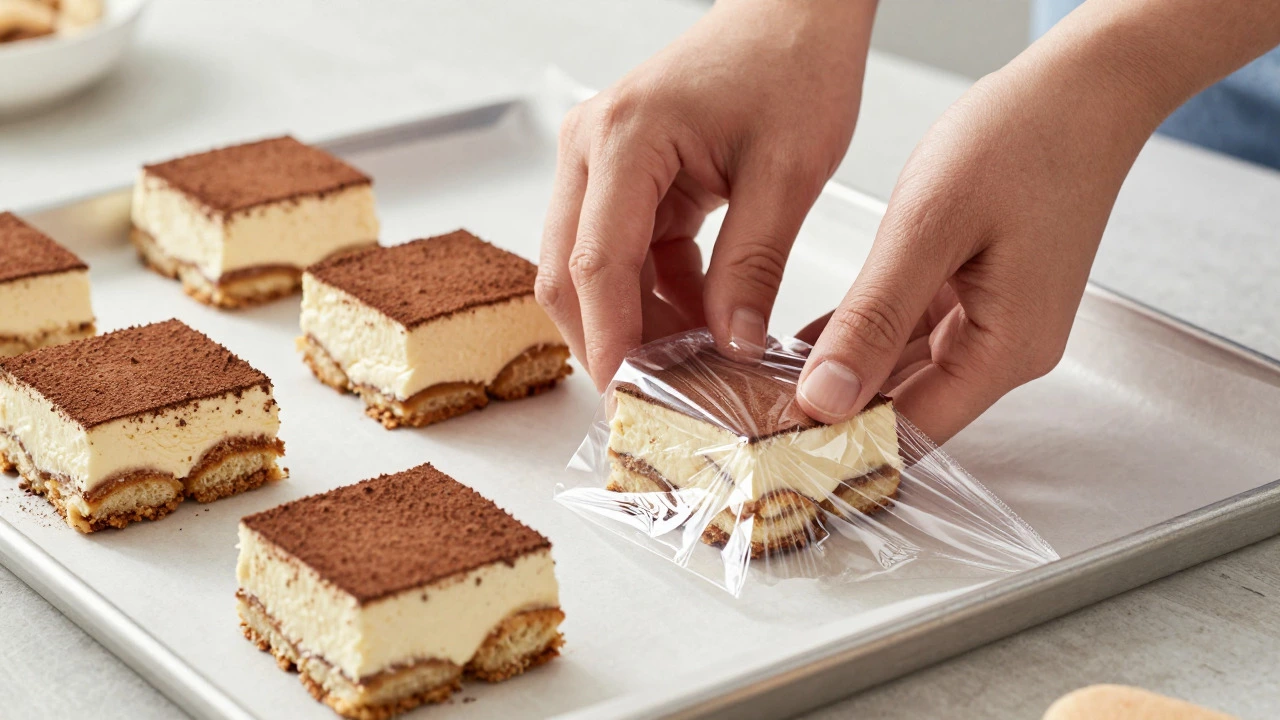
- Wrap Tightly: Once the pieces are hard to the touch, wrap each slice individually in plastic wrap. Press out as much air as possible. Then, place the wrapped slices in a heavy-duty freezer bag or an airtight container. Squeeze out excess air from the bag before sealing. Air exposure causes freezer burn, which introduces icy, off-flavors.
- Label Clearly: Write the date on the packaging. While tiramisu can last longer, quality degrades over time. Aim to consume within 1-2 months for the best experience.
Thawing Without Ruining the Texture
This is where most people make mistakes. Do not microwave your frozen tiramisu. Heat will melt the fats unevenly, causing the cream to split and the alcohol (if used) to evaporate, leaving behind a harsh taste. Instead, use the slow-and-steady method.
Move the desired portion from the freezer to the refrigerator. Leave it there for 8 to 12 hours, or overnight. The cold, consistent temperature of the fridge allows the ice crystals to melt slowly, giving the liquid time to re-absorb into the sponge rather than pooling on the surface. Once thawed, let it sit at room temperature for about 15-20 minutes before serving. This brings back the aromatic notes of the coffee and cocoa that are muted when cold.
If you notice slight separation in the cream, do not panic. A gentle stir with a fork can sometimes re-emulsify the mixture. Sprinkle a little extra cocoa powder on top before serving to mask any minor textural inconsistencies and add visual appeal.
Comparison: Fridge vs. Freezer Storage
Is freezing always the best option? Not necessarily. If you plan to eat the dessert within 3 days, the refrigerator is superior. The texture remains intact, and the flavors are fresher. Freezing should be reserved for storage beyond 3 days. Here is a quick comparison to help you decide:
| Feature | Refrigerator Storage | Freezer Storage |
|---|---|---|
| Max Duration | 3-4 Days | 1-2 Months |
| Texture Quality | Excellent (Original) | Good (Slight Softening) |
| Flavor Retention | High | Medium (Coffee notes may dull) |
| Risk of Separation | Low | Moderate (Requires careful thawing) |
| Best For | Immediate consumption | Meal prepping / Large events |
Alternatives to Freezing
If the idea of risking texture seems daunting, consider making a variation that freezes better. Cheesecake is a baked or no-bake dessert made primarily from cream cheese, sugar, and eggs or gelatin. generally freezes much better than tiramisu because it lacks the porous, liquid-absorbing sponge layer. If you love the coffee and cocoa flavors, try making a Coffee Cheesecake. The dense base holds up well to freezing, and the filling doesn't separate as easily. Another option is to freeze the components separately. You can freeze the mascarpone cream in a ziplock bag, pressing it flat so it thaws quickly. You can also freeze the coffee-soaked ladyfinger layers in a single layer. When ready to serve, assemble the dessert fresh. This ensures the sponge is crisp and the cream is smooth, though it requires more effort at serving time.
Common Mistakes to Avoid
Avoid using alcohol-heavy recipes for freezing. While Marsala wine or rum adds depth, high alcohol content interferes with the freezing process, leading to a slushier consistency upon thawing. If you must use alcohol, reduce the amount by half when planning to freeze. Also, avoid double-freezing. Once a tiramisu has been thawed, do not put it back in the freezer. The second round of ice crystal formation will destroy the remaining structure, leaving you with a watery mess. Plan your portions accordingly.
Frequently Asked Questions
How long does frozen tiramisu last?
For the best quality, consume frozen tiramisu within 1 to 2 months. After this period, the flavor may start to degrade, and the texture may become increasingly gritty due to prolonged ice crystal formation.
Can I freeze tiramisu with alcohol?
Yes, but it is not recommended. Alcohol lowers the freezing point and can prevent the dessert from setting completely solid, leading to a softer, less stable texture upon thawing. Reduce alcohol content if you plan to freeze.
Should I thaw tiramisu in the fridge or at room temperature?
Always thaw in the refrigerator for 8-12 hours. Thawing at room temperature too quickly can cause the cream to separate and the sponge to become excessively soggy. Bring to room temperature only for the final 15-20 minutes before serving.
What if my tiramisu gets watery after thawing?
This is a sign of separation. Try gently folding the cream layer with a spoon to re-incorporate the liquids. Serve immediately and add extra cocoa powder on top to mask the appearance. Next time, ensure the dessert was fully chilled before freezing and wrapped tightly to prevent air exposure.
Can I freeze individual slices or only the whole cake?
Individual slices are preferred. They freeze faster, take up less space, and allow you to thaw only what you need without disturbing the rest of the cake. Wrap each slice individually in plastic wrap before placing in a freezer bag.