Gluten-Free Butter Safety Checker
Select a butter type and click the button above to see if it is safe for your gluten-free diet.
Quick Tips from the Article
- Dedicated Tools: Never dip a knife that touched toast into your butter dish.
- Read Labels: Check for "modified food starch" or "natural flavors" in spreads.
- Ghee Option: If sensitive to both gluten and dairy proteins, Ghee is 100% safe.
- Fat Content: European style (84% fat) creates better structure than standard spreads.
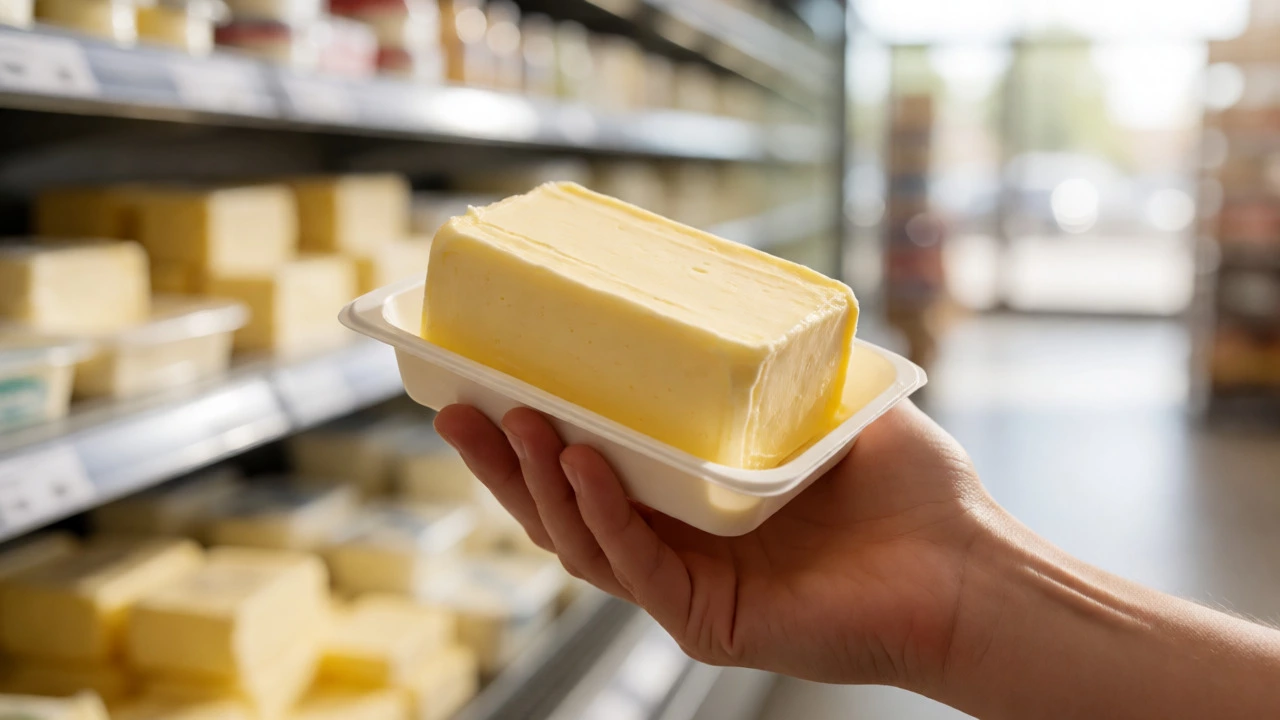
You’re standing in the grocery aisle, holding a block of salted butter, staring at the label. The back says "Contains: Milk." It doesn't say "Gluten," but it also doesn't have that little green circle everyone talks about. So, does butter have gluten? If you’ve recently been diagnosed with Celiac disease or are trying to bake gluten-free cakes for a friend, this uncertainty is paralyzing. You don’t want to ruin a birthday cake because you guessed wrong on the fat content.
Here’s the short answer that will save your sanity: Pure, unflavored butter is naturally gluten-free. It comes from milk, and milk doesn’t contain wheat, barley, or rye. However, life isn’t always simple. Flavored butters, whipped spreads, and cross-contamination risks can sneak gluten into your mix. This guide breaks down exactly what you need to look for so you can bake with confidence.
The Basic Science: Why Butter Is Naturally Safe
To understand why butter is safe, we have to look at where it comes from. Butter is a dairy product made by churning cream until the fats separate from the liquid (buttermilk). Its primary components are milk fat, water, and sometimes salt.
Gluten is a group of proteins found specifically in grains like wheat, barley, and rye. Since butter is derived entirely from animal milk and not from grain, there is no biological mechanism for gluten to exist within pure butter. There are no wheat strands hiding in the cream.
Think of it like this: Eggs are gluten-free. Chicken is gluten-free. Butter is in the same category. Unless someone adds something to it, it remains a single-ingredient (or two-ingredient) food that poses zero risk to people with Celiac disease or non-celiac gluten sensitivity.
When Does Butter Become Risky?
If plain butter is safe, why do bakers worry? Because manufacturers love adding things. Here are the three scenarios where your stick of butter might not be as innocent as it looks.
Flavored Butters Are the Main Culprit
Garlic herb butter, cinnamon swirl butter, or maple bacon butter often contain additives. While garlic and herbs are gluten-free, thickeners and anti-caking agents might not be. Some brands use modified food starch derived from wheat. Others might add soy sauce (which contains wheat) for umami depth. Always read the ingredient list on flavored varieties. If it lists "wheat flour" or "modified corn starch" without specifying the source, put it back.
Whipped Butter and Spreads
Whipped butter has air beaten into it, which sounds harmless. But some whipped spreads include stabilizers or emulsifiers to keep that airy texture stable. While most are gluten-free, cheaper store-brand spreads sometimes blend butter with vegetable oils and fillers. If the label says "Spreadable Butter Blend," check for hidden gluten sources in the additional ingredients.
Cross-Contamination in Your Kitchen
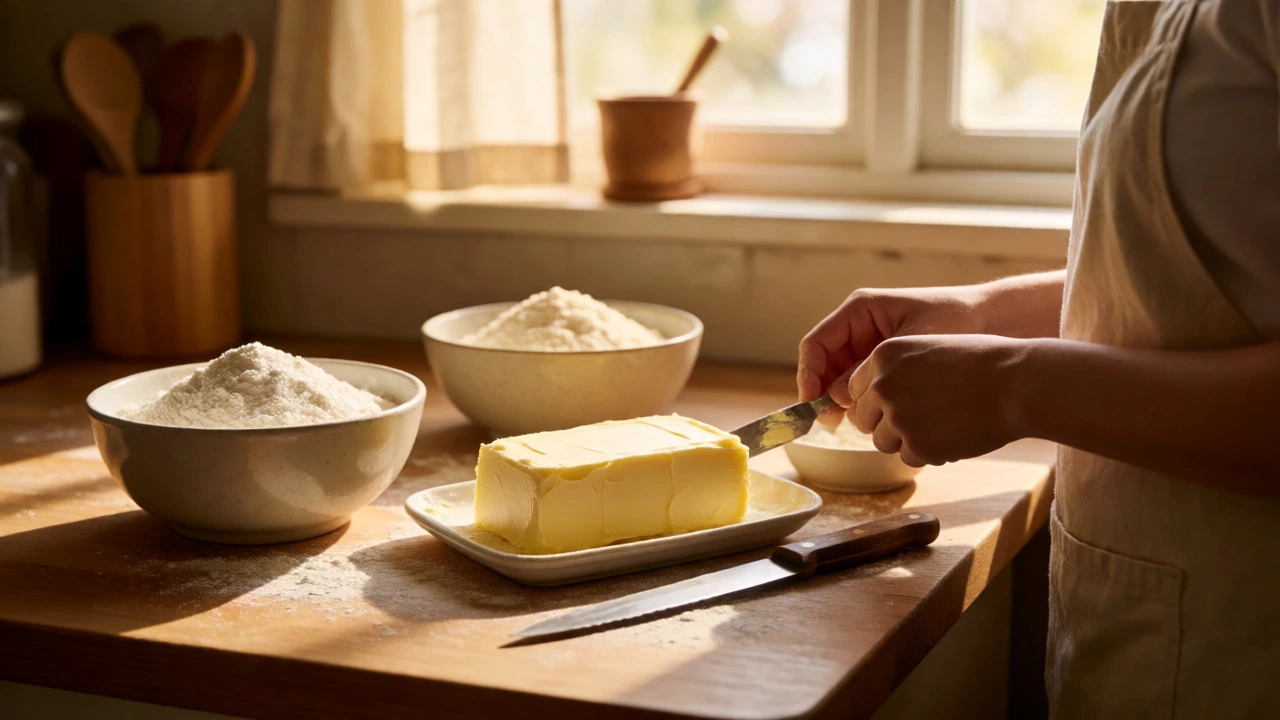
This is the biggest risk for home bakers, not the factory. If you use the same knife to spread peanut butter (which might have been dipped in a sandwich) onto your unsalted butter, you’ve just contaminated it. Or worse, if you leave a tub of margarine next to a bag of flour and the lid isn’t tight, airborne flour dust can settle on the surface. For strict Celiac patients, even trace amounts matter.
How to Choose the Right Butter for Gluten-Free Baking
Not all butter behaves the same way in a gluten-free cake. Fat content matters. Regular American butter is about 80% fat and 16% water. European-style butter is often 82-86% fat. Higher fat means less water, which changes how your gluten-free structure sets up.
| Butter Type | Fat Content | Best For | Gluten Risk |
|---|---|---|---|
| Unsalted Sweet Cream | ~80% | General baking, cookies | None (if pure) |
| European Style | ~84% | Flaky pastries, rich cakes | None (if pure) |
| Cultured Butter | ~82% | Complex flavor profiles | Low (check additives) |
| Flavored Butter | Varies | Spreading, finishing | High (read labels) |
| Ghee | 100% | High heat, dairy-sensitive GF | None |
For most gluten-free cakes, I recommend sticking to high-quality, unsalted sweet cream butter. It gives you control over the salt level, which is crucial when using gluten-free flours that can taste bland or metallic. Brands like Kerrygold or Land O'Lakes are widely available in Canada and generally trusted for purity, but always double-check the local packaging.
Common Myths About Dairy and Gluten
There’s a lot of confusion online mixing up lactose intolerance with gluten intolerance. They are completely different issues.
- Lactose Intolerance: Your body lacks the enzyme lactase to break down milk sugar. Symptoms are digestive bloating after drinking milk.
- Gluten Sensitivity/Celiac: Your immune system reacts to gluten protein, damaging the small intestine lining.
Just because you’re avoiding gluten doesn’t mean you have to avoid butter. In fact, many people with Celiac disease tolerate butter perfectly fine because the aging/churning process removes almost all lactose. If you are sensitive to both, try Ghee. Ghee is clarified butter where the milk solids (and thus the lactose and casein) are removed. It is 100% gluten-free and 100% dairy-protein-free.
Practical Tips for Keeping Your Butter Gluten-Free
Once you buy safe butter, keeping it safe is your job. Here’s how I manage my kitchen in Halifax, where we bake everything from scones to sponge cakes.
- Dedicated Tools: Keep one set of knives and spatulas strictly for gluten-free items. Never dip a knife that touched toast into the butter dish.
- Sealed Containers: Store butter in airtight containers, not open dishes on the counter near your flour bin. Flour dust travels surprisingly far.
- Read Every Label: Manufacturers change recipes. That butter you loved last year might have new stabilizers this year. Check every time you buy.
- Watch for "Natural Flavors": This vague term can hide anything. If a flavored butter lists "natural flavors," contact the manufacturer if you are highly sensitive.
Remember, cross-contact is invisible. You won’t see or taste a speck of wheat flour. You have to rely on discipline, not senses.
Why Butter Matters in Gluten-Free Cake Structure
In traditional baking, gluten provides elasticity and structure. It holds the cake together. When you remove gluten, you lose that network. Butter steps up to help. The fat coats the other ingredients (like rice flour or almond flour), preventing them from forming tough, gummy textures. It tenderizes the crumb.
If you use low-fat spreads instead of real butter, you’re introducing more water and potentially gluten-containing stabilizers. Real butter creates a richer mouthfeel that compensates for the grittiness sometimes found in gluten-free flours. Don’t skimp on quality here. A good gluten-free cake relies heavily on the quality of its fat source.
Is salted butter okay for gluten-free baking?
Yes, salted butter is gluten-free. Salt is a mineral and does not contain gluten. However, for precise baking, unsalted butter is preferred so you can control the exact amount of sodium in your recipe. Always check the label to ensure no anti-caking agents containing wheat were added, though this is rare.
Can I use margarine instead of butter in gluten-free cakes?
You can, but be careful. Many margarines and vegetable oil spreads contain additives, emulsifiers, or natural flavors that may derive from wheat. Additionally, margarine has a higher water content than butter, which can make gluten-free cakes soggy or prevent them from setting properly. If you must use margarine, choose a brand explicitly labeled gluten-free.
Does ghee contain gluten?
No, pure ghee is gluten-free. It is clarified butter with the milk solids removed. Since it is made solely from butterfat, it contains no wheat, barley, or rye proteins. It is an excellent option for those who are sensitive to both gluten and dairy proteins.
What should I look for on a butter label to confirm it's gluten-free?
Look for a certified gluten-free seal if possible. Otherwise, read the ingredient list. It should only say "cream" and possibly "salt." Avoid products listing wheat, barley, rye, malt, or unspecified "modified food starch" or "natural flavors" unless the brand confirms they are gluten-free.
Is butter safe for people with Celiac disease?
Yes, pure butter is safe for people with Celiac disease. The risk lies in flavored varieties or cross-contamination in shared kitchens. As long as the butter is unflavored and handled with clean utensils away from gluten sources, it poses no threat.