Gluten-Free Cheese Safety Checker
Select Cheese Characteristics
Click to select if present on label
Safety Assessment
Select cheese type and ingredients, then click "Check Gluten Risk" to see your assessment.
Imagine you’re at a dinner party. Someone asks if they can eat the appetizer because they are on a gluten-free diet is a dietary restriction that excludes wheat, barley, rye, and their derivatives. You look at the plate. It’s just cheese. Surely, it’s safe, right?
The short answer is yes, plain cheese is naturally gluten-free. However, the real world of food processing is messy. If you have Celiac disease is an autoimmune disorder where ingestion of gluten leads to damage in the small intestine., or even just non-celiac gluten sensitivity, assuming all cheese is safe can lead to unexpected health issues. The problem isn’t the milk; it’s what happens after the milk leaves the farm.
Why Plain Cheese Is Naturally Gluten-Free
To understand why most cheese is safe, we need to look at how it’s made. Traditional cheese production involves the process of coagulating milk proteins using rennet and bacteria. starts with milk. Milk comes from cows, goats, or sheep. None of these animals eat gluten as a primary part of their diet in a way that transfers into their milk. In fact, scientific consensus confirms that gluten proteins do not pass through the mammary glands into the milk.
The basic ingredients of hard cheeses like Cheddar, Parmesan, or Gouda are simple: milk, salt, starter cultures (bacteria), and rennet (an enzyme). Rennet is typically derived from animal stomachs or microbial sources. Neither of these contains gluten. So, in its purest form, cheese is as gluten-free as water.
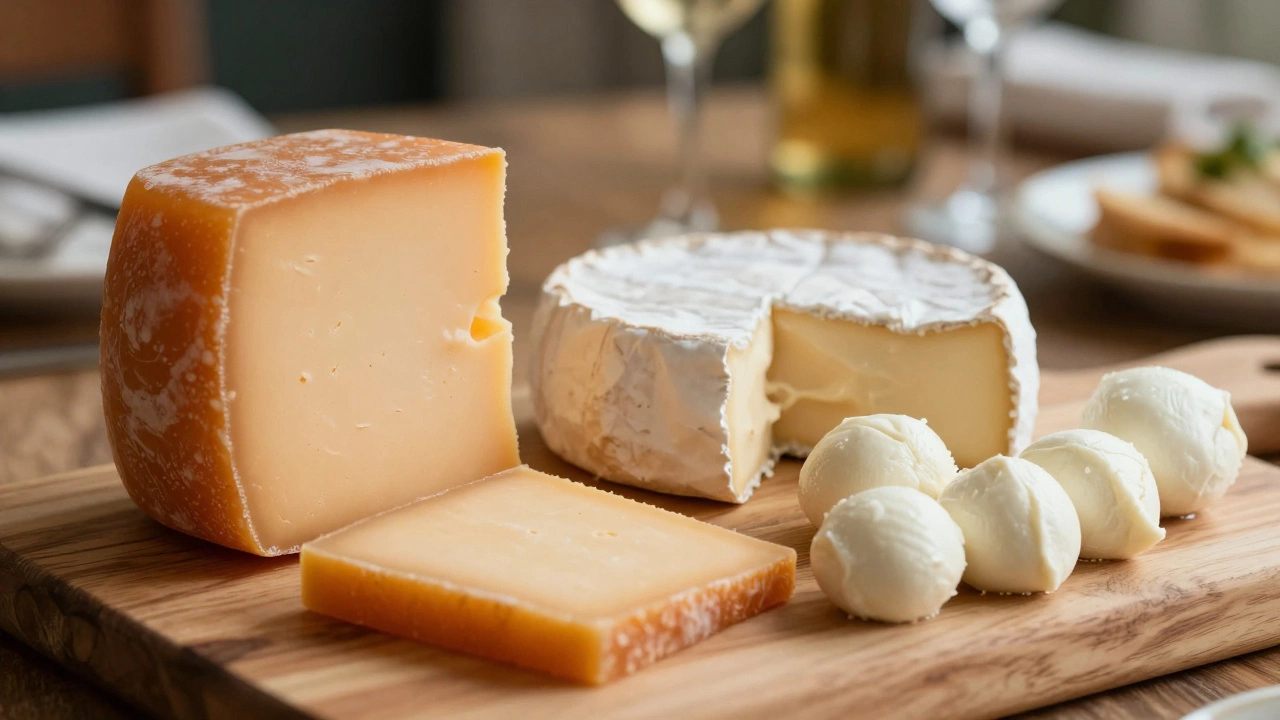
If you buy a block of plain Cheddar from a reputable brand, you are generally eating a product that contains zero gluten. This applies to most hard, semi-hard, and soft fresh cheeses like Mozzarella, Brie, and Feta. For many people with mild gluten intolerance, this natural state is enough to feel safe.
The Hidden Dangers: Additives and Flavorings
Where things get tricky is when manufacturers decide to add flavor. This is where your gut might betray you. Many processed cheeses contain additives that serve as thickening agents, stabilizers, or flavor enhancers. Some of these ingredients are derived from gluten-containing grains.
Consider processed cheese slices are cheese products that have been emulsified with other ingredients for melting and slicing.. These often contain modified food starch. While modified food starch can come from corn or potato, it can also come from wheat. If the label doesn’t specify the source, you’re rolling the dice. Similarly, some flavored cheeses use malt vinegar (made from barley) or soy sauce (often containing wheat) in their seasoning blends.
Here are common hidden gluten sources in cheese:
- Malt flavoring: Often used in aged cheddars or specialty blends. Malt is almost always made from barley, which is high in gluten.
- Soy sauce: Found in teriyaki or Asian-inspired cheese flavors. Traditional soy sauce contains wheat.
- Natural flavors: This vague term can sometimes hide hydrolyzed wheat protein, though this is less common in dairy than in snacks.
- Thickeners: Modified food starch or dextrin can be wheat-based if not labeled otherwise.
If you see "natural flavors" or "modified food starch" without a specified source, treat that cheese with suspicion. Always check for a "Gluten-Free" certification label if you are sensitive.
Cross-Contamination: The Factory Floor Risk
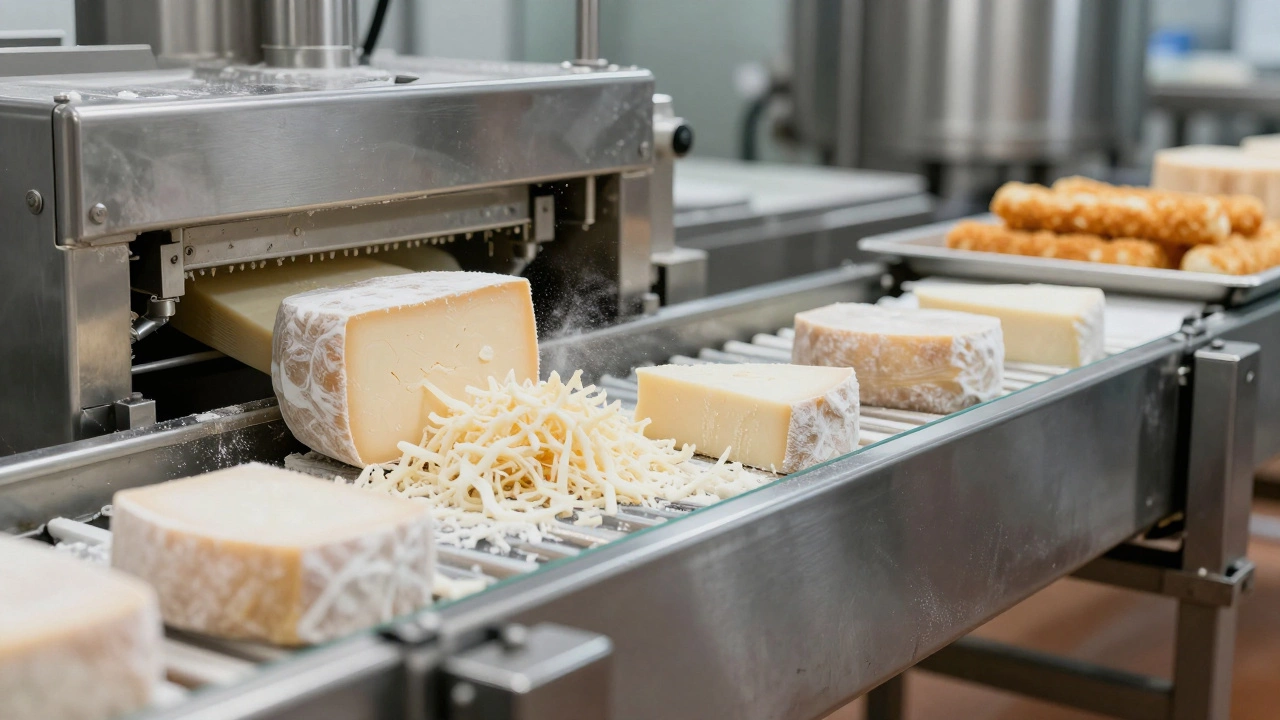
Even if the ingredients are clean, the environment might not be. Cross-contamination refers to the unintentional introduction of allergens into food during processing. is a major concern for those with Celiac disease. Many cheese factories produce both gluten-free products and items that contain gluten, such as breaded cheese sticks or crackers coated in cheese powder.
If a facility uses the same grating machines, packaging lines, or cutting boards for both gluten-free cheese and breaded mozzarella sticks, there is a risk. Flour dust can settle on equipment. Even after cleaning, microscopic traces can remain. For someone with severe Celiac disease, ingesting as little as 20 parts per million (ppm) of gluten can trigger an immune response.
This is why reading the fine print matters. Look for statements like "Produced in a facility that also processes wheat" or "May contain traces of gluten." These warnings are not just legal loopholes; they are genuine alerts. Brands that cater specifically to the gluten-free market usually have dedicated facilities or rigorous testing protocols to ensure levels are below 5 ppm, the standard set by the FDA and international bodies for gluten-free labeling.
Which Cheeses Are Safest?
Not all cheeses carry the same risk. Generally, the more processed a cheese is, the higher the chance of hidden gluten or cross-contamination. Here is a breakdown of safety levels based on typical manufacturing practices.
| Cheese Type | Risk Level | Common Issues |
|---|---|---|
| Hard Aged (Parmesan, Pecorino) | Low | Usually safe, but check for anti-caking agents. |
| Fresh Soft (Mozzarella, Ricotta, Cottage) | Very Low | Minimal processing, few additives. |
| Processed Slices (American, Swiss slices) | Medium | Emulsifiers and starches may be wheat-based. |
| Breaded/Crunchy (Sticks, Nuggets) | High | Breading is almost always wheat-based. |
| Flavored/Shredded | Variable | Anti-caking agents (cellulose) are usually safe, but flavors vary. |
Shredded cheese is another point of confusion. To prevent clumping, manufacturers add anti-caking agents like cellulose, potato starch, or tricalcium phosphate. These are generally gluten-free. However, some cheaper brands might use wheat starch. If you are buying pre-shredded cheese, always check the ingredient list. Buying a block and shredding it yourself is the safest bet for strict diets.
How to Read Labels Like a Pro
You don’t need a degree in food science to stay safe. You just need to know what to look for. When scanning a cheese package, follow this checklist:
- Look for the Certification: The most reliable sign is a "Certified Gluten-Free" logo. This means the product has been tested and meets strict standards (usually <5 ppm).
- Scan for Red Flags: If you see "wheat," "barley," "rye," "malt," "brewer’s yeast," or "spelt," put it back immediately.
- Check the Source of Starch: If "modified food starch" is listed, look for clarification in parentheses. If it says "(corn)" or "(potato)," it’s likely safe. If no source is given, call the manufacturer or avoid it.
- Read the Allergen Statement: Most countries require companies to declare major allergens. Look for "Contains: Wheat" near the ingredients list.
- Ignore "Natural Flavors" Panic: While vague, natural flavors in cheese are rarely gluten-derived unless specified. However, if you are highly sensitive, stick to brands that explicitly state "Gluten-Free."
Brands like Sargento is a major American cheese company known for offering certified gluten-free options. and Kraft is a global food company that produces various cheese products with clear gluten labeling. offer many certified gluten-free lines. They clearly mark their products, making shopping easier. Don’t assume local artisanal cheeses are automatically safe either; small batches can still be contaminated if the facility handles flour.
What About Non-Dairy Cheeses?
With the rise of plant-based diets, many people turn to vegan cheese. Unfortunately, these products often pose a higher risk for gluten exposure. Vegan cheeses rely heavily on starches to mimic the texture of dairy. Common bases include tapioca, potato, and rice starch, which are safe. But others use wheat starch or oat flour (unless certified gluten-free oats) to achieve a melt.
Furthermore, vegan cheese factories often share space with bakeries or snack producers. The cross-contamination risk is significantly higher in the plant-based aisle. Always treat vegan cheese with the same scrutiny, if not more, than dairy cheese. Check labels meticulously for "wheat" or "barley" in the ingredient list.
Practical Tips for Safe Cheese Eating
Living with gluten restrictions doesn’t mean you have to give up cheese. It just means you have to be smarter about it. Here are some practical steps to keep your diet safe and enjoyable.
Buy Blocks, Not Shreds: As mentioned, pre-shredded cheese has a higher risk of hidden additives. Buying a block allows you to control the grating process. Use a clean grater that hasn’t touched flour or breadcrumbs.
Ask Questions at Restaurants: If you’re ordering a pasta dish with cheese, ask how the cheese is prepared. Was it grated on a shared surface? Is it a powdered cheese mix? Powdered cheese mixes often contain wheat starch as an anti-caking agent. Opt for dishes with fresh, whole-milk cheese instead.
Stick to Trusted Brands: Once you find brands that consistently meet your safety needs, stick to them. Rotating between unknown brands increases the mental load and the risk of accidental exposure. Build a "safe list" in your phone notes.
Watch Out for Breaded Appetizers: Mozzarella sticks, fried green tomatoes with cheese, and nachos with cheese sauce are minefields. The breading is wheat, and the cheese sauce often uses roux (flour and butter) as a thickener. Stick to plain cheese plates or salads with fresh cheese crumbles.
Remember, the goal isn’t fear; it’s awareness. Cheese is a wonderful, nutritious food that fits perfectly into a gluten-free lifestyle. By understanding the difference between natural dairy and processed additives, you can enjoy every slice with confidence.
Is parmesan cheese gluten-free?
Yes, traditional Parmigiano-Reggiano is naturally gluten-free. However, some grated parmesan sold in shakers may contain anti-caking agents like wheat starch. Always check the label for "Certified Gluten-Free" or verify that the anti-caking agent is cellulose or potato starch.
Can I eat Kraft Singles if I have celiac disease?
Kraft offers specific lines of cheese that are certified gluten-free. However, not all Kraft products are safe. You must look for the "Gluten-Free" label on the package. Standard processed slices may contain modified food starch derived from wheat, so never assume without checking the current label.
Why is shredded cheese sometimes not gluten-free?
Shredded cheese often contains anti-caking agents to prevent clumping. While many brands use safe agents like cellulose or potato starch, some may use wheat starch. Additionally, shredded cheese is produced on equipment that might also handle breaded products, increasing cross-contamination risks.
Are all vegan cheeses gluten-free?
No, not all vegan cheeses are gluten-free. Many use wheat starch or oat flour to mimic the texture of dairy. Others are produced in facilities that process wheat. Always read the ingredient list and look for a gluten-free certification on vegan cheese packages.
What is the safest type of cheese for a gluten-free diet?
The safest cheeses are fresh, unprocessed blocks of cheese like Mozzarella, Cheddar, Gouda, and Brie. These have minimal ingredients (milk, culture, salt, rennet) and fewer opportunities for hidden gluten additives or cross-contamination compared to processed or shredded varieties.