Gluten-Free Couscous Substitution Checker
Select a grain variety to check its gluten status and find the best substitute for your cakes.
Moroccan Couscous
Fine-grain steamed pasta made from durum wheat semolina. Very high gluten load.
Israeli (Pearl) Couscous
Toasted balls of dough. Larger than Moroccan, but still pure wheat pasta.
Lebanese (Moghrabieh)
Large hand-rolled wheat flour balls. Essentially giant pasta pearls.
Analysis Result
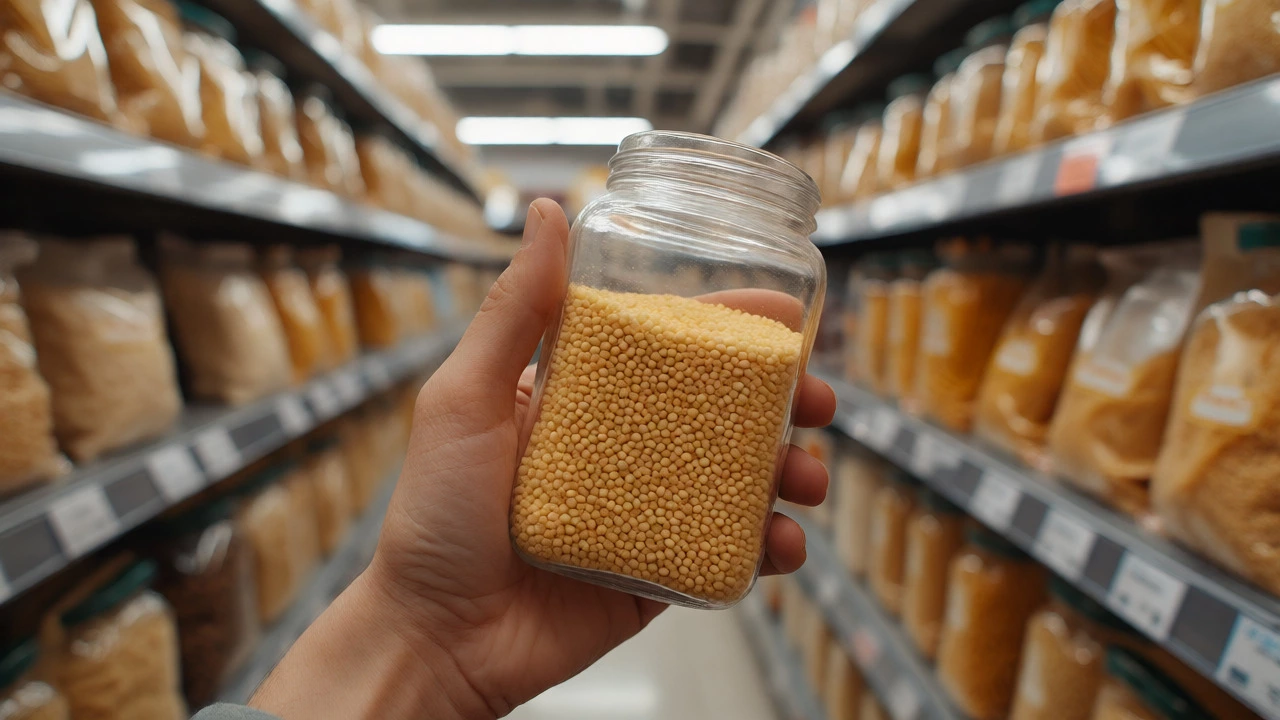
StatusYou’re standing in the grocery aisle, staring at a box of couscous. It looks like rice. It cooks like pasta. But if you have Celiac disease or non-celiac gluten sensitivity, your stomach tightens just looking at it. Does this tiny grain actually contain gluten? The short answer is yes. And if you’re trying to bake fluffy Gluten-Free Cakes, using standard couscous is a recipe for disaster.
But here’s where it gets tricky. Not all couscous is created equal. Some varieties are made from pure wheat semolina, while others might sneak in other grains. If you’ve ever bitten into a "gluten-free" cake that tasted like wet cardboard, you know how critical ingredient sourcing is. Let’s break down exactly what couscous is, why it trips up so many people, and what you should use instead when you want your desserts to rise properly without the gluten.
The Wheat Connection: Why Couscous Isn’t Gluten-Free
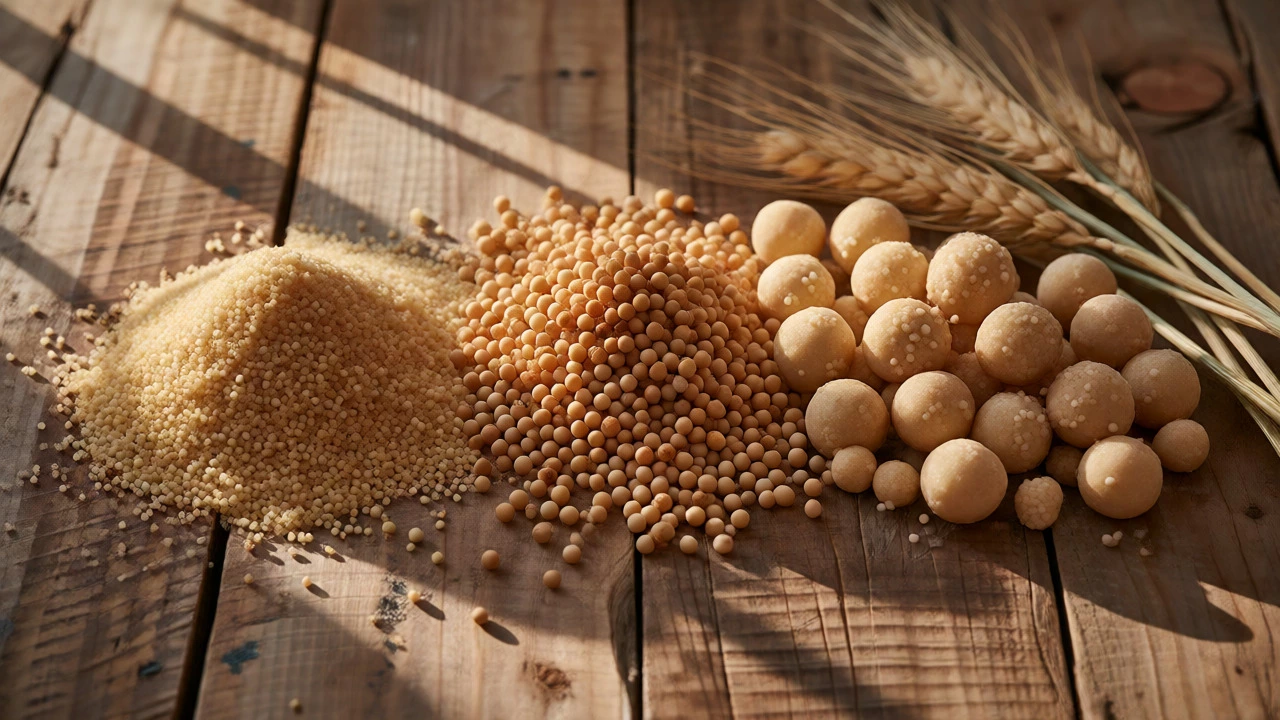
To understand why couscous contains gluten, you have to look at its origin. Couscous is not technically a whole grain like quinoa or brown rice. It is a form of pasta. Specifically, it is made from crushed durum wheat semolina. Durum wheat is the same hard wheat used to make spaghetti and macaroni. Because it comes from wheat, it naturally contains two proteins: gliadin and glutenin. When these mix with water, they form Gluten.
This distinction matters because many people confuse couscous with millet or sorghum, which are true gluten-free grains. If you are baking a cake, the presence of gluten changes everything. Gluten provides elasticity and structure. In a traditional sponge cake, you want that stretch. But in a gluten-free environment, introducing regular couscous means you are reintroducing the very protein you tried to eliminate. For someone with Celiac disease, even trace amounts can cause intestinal damage. So, unless the package explicitly says "made from corn" or "millet," assume it has gluten.
Moroccan vs. Israeli vs. Lebanese: Checking the Labels
Not all couscous types behave the same way in your kitchen, but they almost all share the same wheat-based DNA. Let’s look at the three common types you’ll find in North American supermarkets.
- Moroccan Couscous: This is the smallest variety, often steamed rather than boiled. It is made exclusively from durum wheat semolina. It cooks in minutes but carries a high gluten load. Using this in a batter will result in a dense, gummy texture because the tiny granules absorb moisture rapidly and bind together via gluten strands.
- Israeli (Pearl) Couscous: These are larger, toasted balls of dough. While they taste nuttier and have a chewier texture, they are still pasta. They are rolled and toasted wheat semolina. There is no magic process during toasting that removes gluten. If you try to substitute this for rice in a salad, fine. But in a cake? It will disrupt the crumb structure entirely.
- Lebanese (Moghrabieh): Even larger than pearl couscous, these are hand-rolled balls of wheat flour and water. They are essentially giant pasta pearls. Like the others, they are strictly off-limits for strict gluten-free diets.
There is one exception, though it’s rare in Western markets. You might find couscous made from barley. Barley also contains gluten (specifically hordein), so it’s still problematic for most sensitive individuals. Always check the ingredient list for "semolina," "wheat flour," or "durum." If you see those words, put the box back on the shelf.
Gluten-Free Alternatives That Actually Work in Baking
If you love the texture of couscous or need a similar neutral base for your gluten-free cakes, you have options. The key is finding substitutes that mimic the size and absorption rate of couscous without the wheat protein. Here is how they stack up.
| Ingredient | Source | Gluten Status | Best Use in Cakes |
|---|---|---|---|
| Regular Couscous | Durum Wheat Semolina | Contains Gluten | None (for GF diets) |
| Quinoa Flakes | Chenopodium Quinoa Plant | Naturally Gluten-Free | Adds nutty flavor; good for textured cakes |
| Corn Grits (Polenta) | Dried Corn | Naturally Gluten-Free | Excellent for cornbread-style cakes; gritty texture |
| Sorghum Flour | Sorghum Grain | Naturally Gluten-Free | Smooth texture; mimics wheat flour closely |
| Buckwheat Groats | Buckwheat Seed | Naturally Gluten-Free | Strong earthy flavor; pairs well with chocolate |
When I’m developing recipes for my clients in Halifax, I often swap Moroccan couscous for finely ground quinoa flakes. They hydrate quickly, just like couscous, but they don’t create the elastic network that makes baked goods tough. If you want something closer to the neutral taste of wheat, sorghum flour is your best bet. It lacks the strong flavor of buckwheat and behaves similarly to white flour when mixed with xanthan gum.
How Gluten Affects Cake Structure
You might wonder, "Why does it matter if my cake has gluten?" It comes down to chemistry. In traditional baking, when you mix flour and water, gluten forms a web. This web traps air bubbles released by baking powder or yeast. That’s how your cake rises and stays light.
In Gluten-Free Baking, you lose that web. Without it, cakes tend to be dense or crumbly. To compensate, bakers use hydrocolloids like xanthan gum or guar gum. These additives act as artificial glue, holding the structure together. If you accidentally add regular couscous to a gluten-free batter, you introduce real gluten into a system designed to work without it. The result? The gluten strands fight against the gums, creating an uneven texture. You might get pockets of toughness next to areas that fall apart. It’s unpredictable, and nobody wants a surprise texture in their birthday cake.
Hidden Sources of Gluten in "Couscous" Products
It’s not just the raw grain you need to worry about. Many pre-packaged couscous dishes come with seasoning packets. Those packets are notorious for hiding gluten. Look for ingredients like maltodextrin (usually safe, but can be wheat-derived), modified food starch, or hydrolyzed vegetable protein. These are often sourced from wheat.
Furthermore, cross-contamination is a real risk. Many factories process wheat couscous and rice products on the same lines. If you are highly sensitive, look for certifications. In Canada, we rely heavily on voluntary labeling, but certified gluten-free logos (like the Gluten-Free Certification Organization logo) provide peace of mind. If you’re buying bulk couscous from a bin, ask the staff when they last cleaned the scoop. One scoop of flour-dusted couscous can ruin a batch of delicate macarons or sponges.
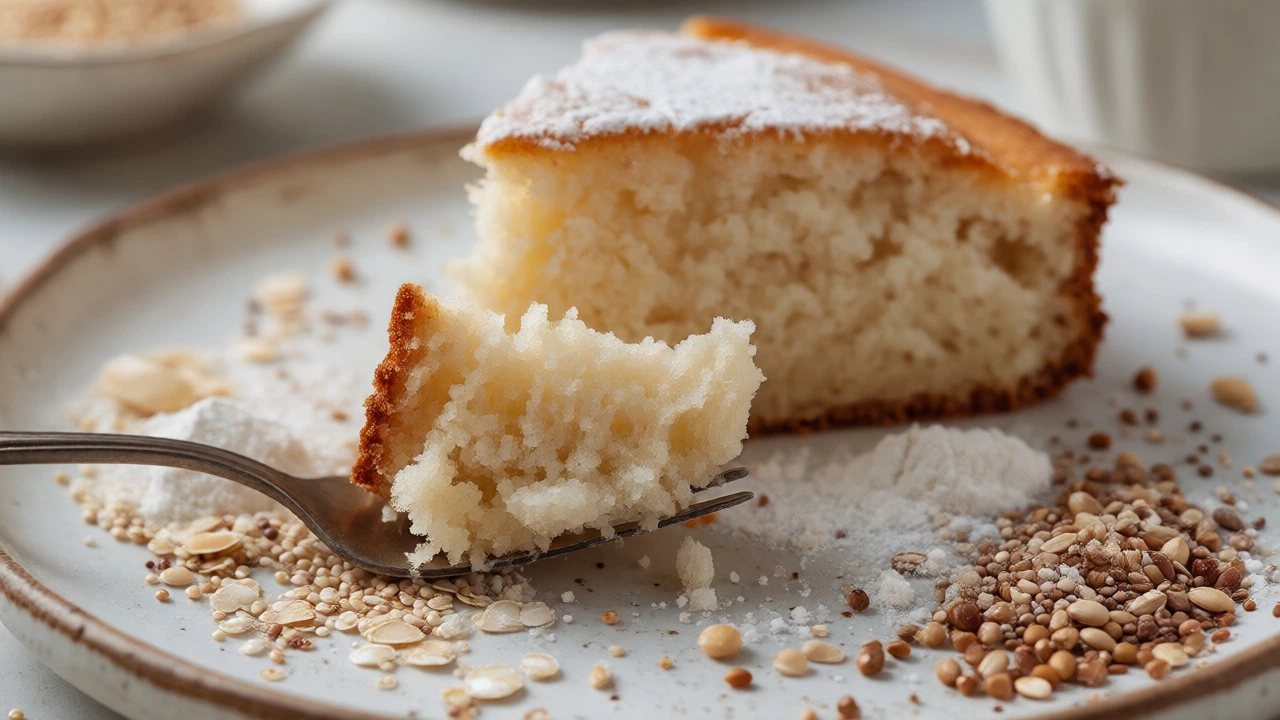
Tips for Baking with Gluten-Free Grains
So, you’ve swapped out the couscous. What now? Here are three practical tips to ensure your gluten-free cakes turn out perfectly every time.
- Hydrate Your Substitutes: Unlike wheat flour, gluten-free flours and grains often need more liquid. If you’re using quinoa flakes or corn grits in place of couscous, let them soak in your milk or oil mixture for ten minutes before adding eggs. This prevents a gritty mouthfeel.
- Don’t Overmix: With gluten, overmixing makes things tough. Without gluten, undermixing leaves dry spots. Aim for a smooth batter, then stop. Mixing too vigorously can incorporate too much air, causing the cake to collapse after baking since there’s no gluten network to hold the structure.
- Use Binders Wisely: If your recipe calls for couscous for bulk, remember that couscous adds weight. When substituting with lighter gluten-free flours, you may need to adjust the ratio of wet to dry ingredients. Start with a 1:1 substitution by volume, but be prepared to add an extra egg or a tablespoon of applesauce to help bind the cake.
Frequently Asked Questions
Is Israeli couscous gluten-free?
No. Israeli couscous, also known as pearl couscous, is made from toasted wheat semolina. Because it is derived from wheat, it contains gluten and is not suitable for people with Celiac disease or gluten intolerance.
Can I eat couscous if I am only slightly sensitive to gluten?
This depends on your level of sensitivity. For those with non-celiac gluten sensitivity, small amounts might not cause severe reactions, but symptoms like bloating can still occur. However, if you are baking gluten-free cakes specifically to avoid gluten, adding couscous defeats the purpose. It is safer to choose a verified gluten-free alternative.
What is the closest tasting substitute for couscous in baking?
Finely ground sorghum flour or millet flour offers the closest neutral flavor profile. If you want a similar texture to cooked couscous within a cake batter, soaked quinoa flakes or corn grits work well, though they will alter the final texture slightly.
Is quinoa considered a grain like couscous?
Botanically, quinoa is a seed, not a grain, but it is culinarily treated as a grain. Unlike couscous, which is processed wheat pasta, quinoa is naturally gluten-free. This makes it a popular and nutritious substitute for couscous in salads and side dishes.
Do gluten-free cakes taste different from regular ones?
They can, especially if you simply swap wheat flour for a single gluten-free flour. However, using blends of rice flour, potato starch, and tapioca flour can mimic the texture of wheat flour closely. Adding ingredients like almond flour or coconut flour can also enhance moisture and flavor, making gluten-free cakes just as delicious as traditional ones.