Brownie Storage & Freshness Planner
Select your preferred storage method to see details:
Room Temp
Best TextureRefrigerator
Safety FirstFreezer
Longest LifeRevival Trick
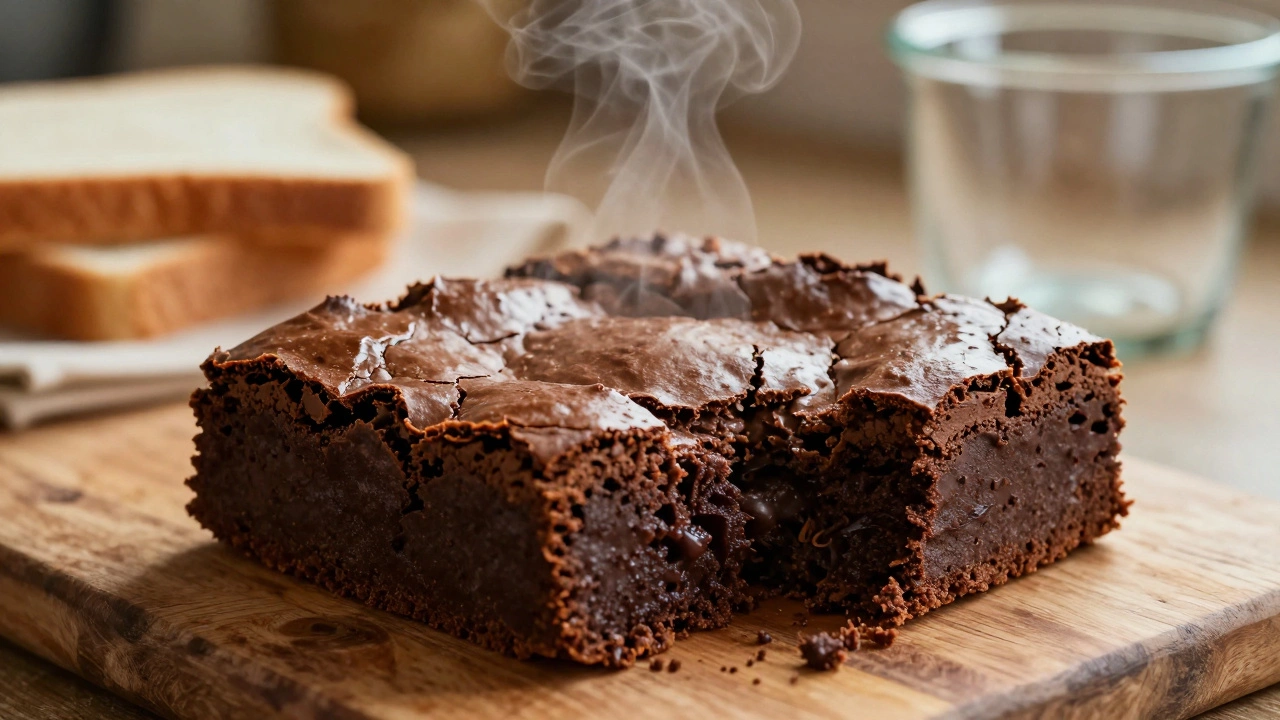
You just pulled a pan of warm, fudgy brownies is a dense chocolate bar cookie made from butter, sugar, eggs, and cocoa or melted chocolate out of the oven. The smell is incredible. You eat one immediately. Then you look at the remaining twelve and wonder: can I save these for later? If you’ve ever taken a bite of a brownie that tasted like cardboard or felt slimy on your tongue, you know why this question matters. Spoiled baked goods aren’t just unpleasant; they can make you sick.
The short answer is that homemade brownies last about three to four days at room temperature if stored correctly. In the refrigerator, they stretch to five or seven days. If you need them to last longer, the freezer is your best friend, keeping them safe for up to three months. But "how long" isn't just about safety-it's about texture. A day-old brownie is often better than a fresh one because the flavors have had time to meld. A week-old brownie, however, might be dry enough to crack teeth. Here is exactly how to keep them moist, safe, and delicious.
Room Temperature: The Sweet Spot for Short-Term Storage
For most people, storing brownies on the counter is the easiest method. It preserves that soft, chewy center without making the exterior hard like plastic wrap does in the fridge. This method works best if you plan to eat the brownies within three days. After that, the moisture begins to evaporate too quickly, leading to dry edges.
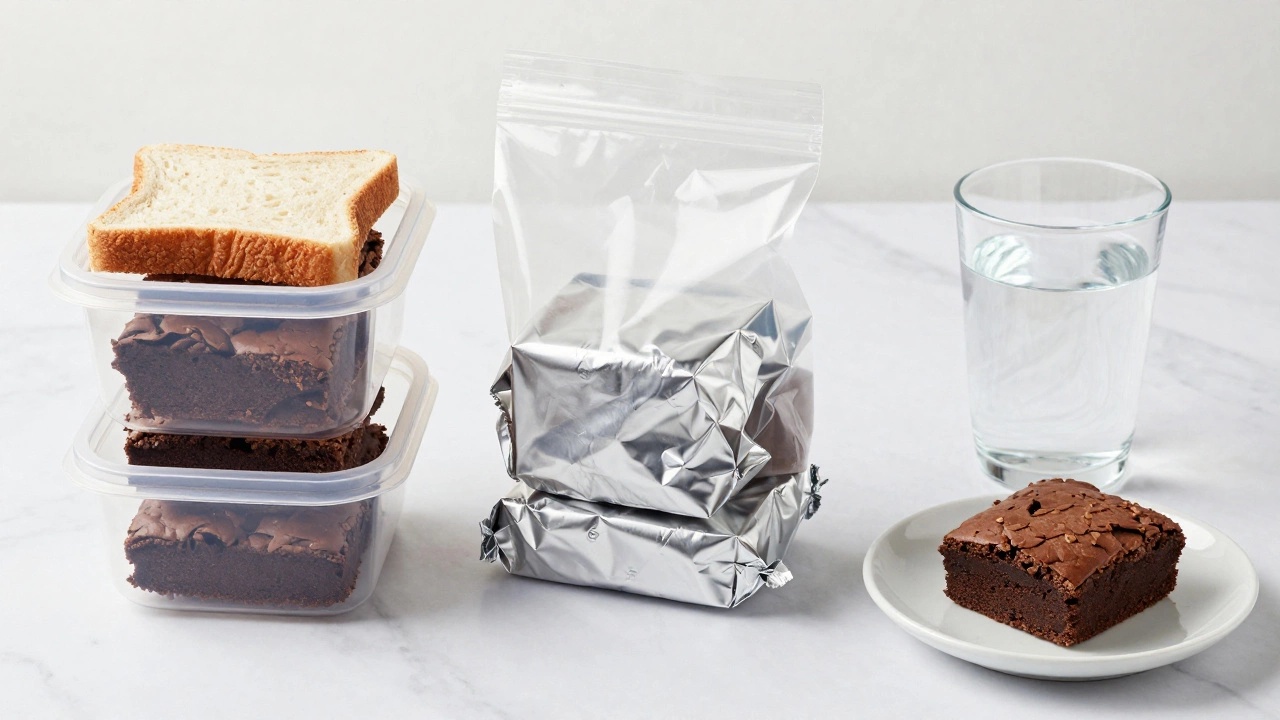
To do this right, you need to create a barrier against air. Air is the enemy of freshness. It dries out the surface and allows odors from other foods in your kitchen to seep into the chocolate. Place your cooled brownies in an airtight container. If you don’t have a plastic or glass container with a tight lid, use heavy-duty aluminum foil or plastic wrap. Wrap the entire block tightly before cutting it. Cutting increases the surface area exposed to air, so it’s better to wrap the whole slab and cut individual pieces as needed.
A pro tip here involves adding a slice of white bread or a piece of paper towel to the container. The bread acts as a sponge, absorbing excess moisture if the brownies are too wet, or releasing moisture if they are too dry. It keeps the humidity balanced inside the container. Just remember to replace the bread every day so it doesn’t mold itself.
Refrigeration: When Moisture Becomes a Problem
If your brownies contain perishable ingredients like cream cheese frosting, custard filling, or fresh fruit, you cannot leave them on the counter. These additions introduce bacteria that grow rapidly at room temperature. In these cases, refrigeration is mandatory for food safety. Even standard brownies benefit from the fridge if you live in a hot, humid climate where temperatures regularly exceed 75°F (24°C). Heat accelerates spoilage and causes butter to separate, giving the brownies a greasy feel.
In the refrigerator, brownies last for five to seven days. However, cold air is very dry. Without proper protection, your brownies will lose their moisture and become tough. Always store them in an airtight container. If you stack them, place a sheet of parchment paper between each layer to prevent sticking. When you take them out, let them sit at room temperature for twenty minutes before eating. This allows the fats to soften slightly, restoring some of the chewiness that the cold stiffened.
Freezing: The Best Way to Preserve Texture
If you want to enjoy brownies next month-or even next season-the freezer is superior to the fridge. Freezing halts the aging process almost entirely. Properly frozen brownies can last for two to three months without losing significant quality. Some bakers argue they taste just as good after six months, but the flavor may start to fade or pick up "freezer burn" tastes after that point.
The key to successful freezing is preventing freezer burn. This happens when ice crystals form on the surface due to air exposure, causing dehydration and discoloration. To avoid this, double-wrap your brownies. First, wrap each individual brownie tightly in plastic wrap. Then, place all the wrapped brownies together in a heavy-duty freezer bag or an airtight freezer-safe container. Squeeze out as much air as possible from the bag before sealing it.
You can freeze brownies before or after baking. If you haven’t baked them yet, you can freeze the batter in a loaf pan or muffin tin. This is great for meal prepping. Just bake them directly from frozen, adding a few extra minutes to the cooking time. If you are freezing already baked brownies, ensure they are completely cool. Warm brownies will create condensation inside the packaging, leading to ice crystals and soggy textures upon thawing.
Signs Your Brownies Have Gone Bad
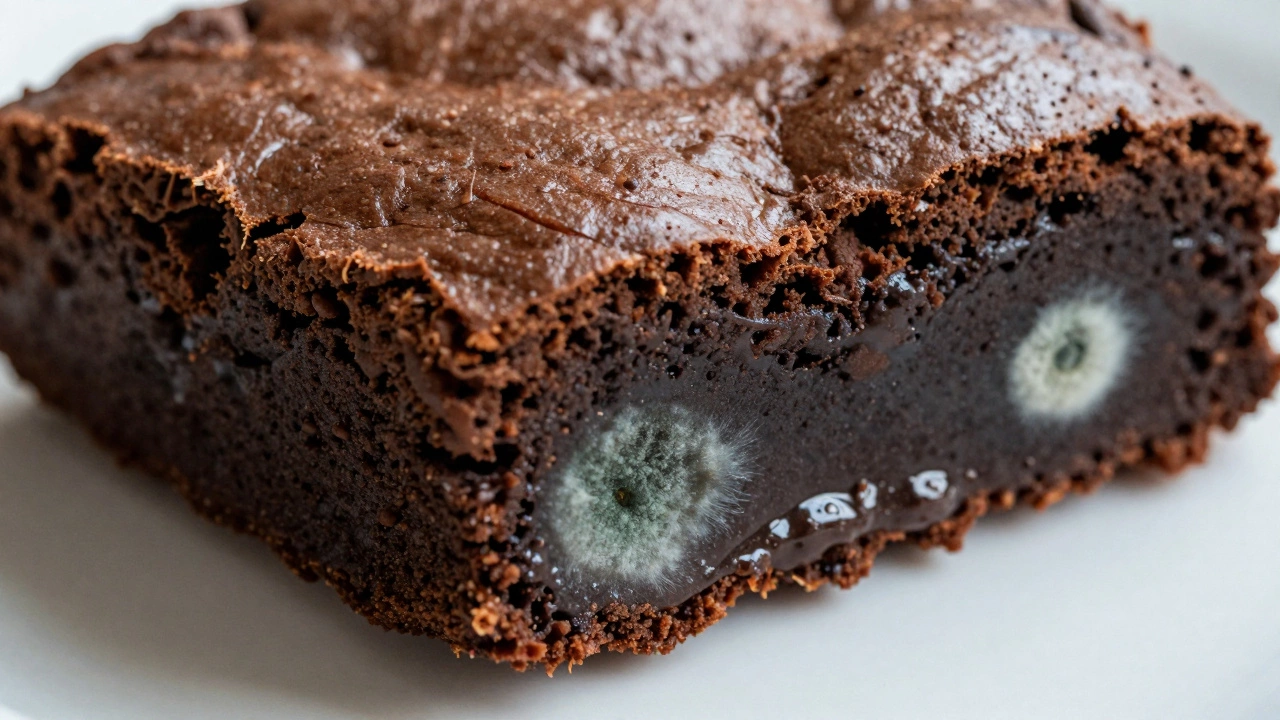
Sometimes, despite our best efforts, brownies go bad. Eating spoiled food can lead to food poisoning, so it’s crucial to know what to look for. Trust your senses. If something looks or smells off, throw it out. Don’t risk it for the sake of saving a few dollars.
- Mold: This is the most obvious sign. Look for fuzzy spots in green, white, or black. Mold can spread deeper than you see, so if you spot one patch, discard the entire batch. Do not try to cut off the moldy part.
- Smell: Fresh brownies smell like chocolate, vanilla, and butter. Spoiled brownies may have a sour, yeasty, or musty odor. If it smells like old socks or vinegar, it’s gone.
- Texture: While dryness is normal over time, sliminess is not. If the surface feels sticky or slick in a way that wasn’t there when you first baked them, bacterial growth has likely occurred.
- Taste: If you’re unsure, take a tiny bite. If it tastes sour, bitter (beyond the natural cocoa bitterness), or "off," spit it out and discard the rest.
Reviving Stale Brownies
Did you forget about those brownies in the back of the pantry? They might be dry, but they aren’t necessarily unsafe. You can often rescue stale brownies with a little heat and moisture. The microwave is your quickest tool. Place a single brownie on a plate and add a small cup of water next to it. Microwave on high for 15 to 20 seconds. The steam from the water helps rehydrate the brownie without making it soggy. Be careful not to overheat it, or it will become rubbery.
For a larger batch, you can use the oven. Preheat it to 300°F (150°C). Wrap the brownies loosely in aluminum foil with a splash of water inside the packet. Bake for 5 to 10 minutes. This gentle steaming process restores softness. Another trick is to brush the tops with a simple syrup made of equal parts sugar and water, then warm them briefly. This adds moisture and sweetness back into the crust.
| Storage Method | Shelf Life | Best For | Pros | Cons |
|---|---|---|---|---|
| Room Temperature | 3-4 Days | Immediate consumption | Preserves soft texture | Risk of drying out; not for perishable fillings |
| Refrigerator | 5-7 Days | Hot climates or cream cheese frostings | Slows spoilage; safer for dairy-heavy recipes | Can dry out faster; alters texture temporarily |
| Freezer | 2-3 Months | Long-term storage; meal prep | Best texture retention; longest lifespan | Requires planning for thawing |
Frequently Asked Questions
Can I leave brownies out overnight?
Yes, you can leave brownies out overnight as long as they are stored in an airtight container. Room temperature storage is ideal for maintaining their soft, fudgy texture. Just ensure they are completely cooled before covering them to prevent condensation, which can make them soggy.
Do brownies need to be refrigerated?
Standard brownies made with butter, sugar, eggs, and flour do not need to be refrigerated. Refrigeration is only necessary if the brownies contain perishable ingredients like cream cheese frosting, custard, or fresh fruit. In hot and humid weather, refrigeration can also help prevent spoilage.
How do I tell if brownies have gone bad?
Check for visible mold, a sour or off smell, or a slimy texture. Dryness is normal for old brownies, but slime indicates bacterial growth. If any of these signs are present, discard the brownies immediately to avoid foodborne illness.
Can I freeze brownies with frosting?
Yes, you can freeze frosted brownies, but the type of frosting matters. Buttercream and ganache freeze well. Cream cheese frosting may become grainy or separate upon thawing. Frost the brownies after thawing if possible, or use a stable frosting and thaw them slowly in the refrigerator to minimize texture changes.
Why do my brownies get hard in the fridge?
The refrigerator removes moisture from food through evaporation. Cold air holds less moisture than warm air, pulling water out of the brownies and causing the starches to retrograde, which makes them hard and crumbly. Wrapping them tightly in plastic or storing them in an airtight container helps mitigate this effect.