Brownie Thawing Method Selector
Select your situation below to get the perfect thawing instructions.
Recommended Method
Time: --You just pulled a foil-wrapped brick out of the freezer. It’s rock hard, cold to the touch, and you have guests arriving in twenty minutes who are expecting that dense, fudgy chocolate goodness. Do you shove it in the microwave and risk turning the edges into rubber while the center stays icy? Or do you leave it on the counter and hope for the best?
Here is the truth: brownies are surprisingly resilient when it comes to freezing, but they are terrible at thawing if you treat them like bread or cake. They don’t need air circulation to rise; they need gentle warmth to soften without melting the cocoa butter structure too aggressively. If you get this wrong, you end up with a soggy bottom or a dry, crumbly top.
| Method | Time Required | Texture Result | Best For |
|---|---|---|---|
| Refrigerator (Slow) | 6-8 hours | Firm, fudgy, intact crust | Planned serving, whole pan |
| Room Temperature | 2-4 hours | Soft, slightly sticky | Individual squares, quick service |
| Microwave (Fast) | 10-30 seconds | Warm, gooey, soft edges | Eating immediately, single slice |
| Oven (Low Heat) | 10-15 mins | Crispy top, warm center | Serving as dessert with ice cream |
The Refrigerator Method: The Gold Standard for Texture
If you know you’re having brownies tonight, move them from the freezer to the fridge the night before. This is the safest bet for preserving that signature crackly top and dense interior. Why? Because slow thawing prevents condensation from forming rapidly on the surface, which is what makes brownies look wet and feel slimy.
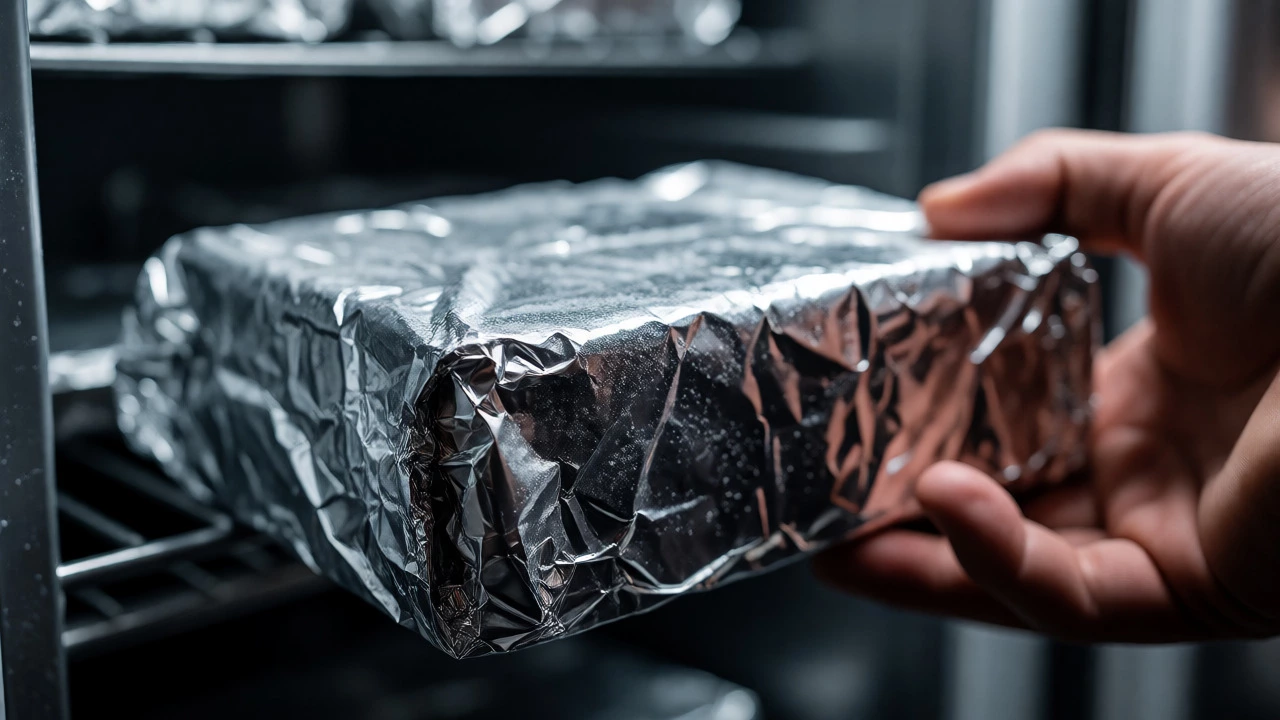
Keep them wrapped tightly in plastic wrap or aluminum foil during this process. If you unwrap them too early, the dry fridge air will suck moisture out of the chocolate matrix, leaving you with a stale-tasting square. Place the wrapped brownies on a plate to catch any potential drips, though good wrapping should prevent that entirely. By morning, they’ll be cool to the touch but pliable enough to cut cleanly. You can serve them straight from the fridge if you prefer a firmer bite, or let them sit on the counter for ten minutes to take the chill off.
Room Temperature: The Balanced Approach
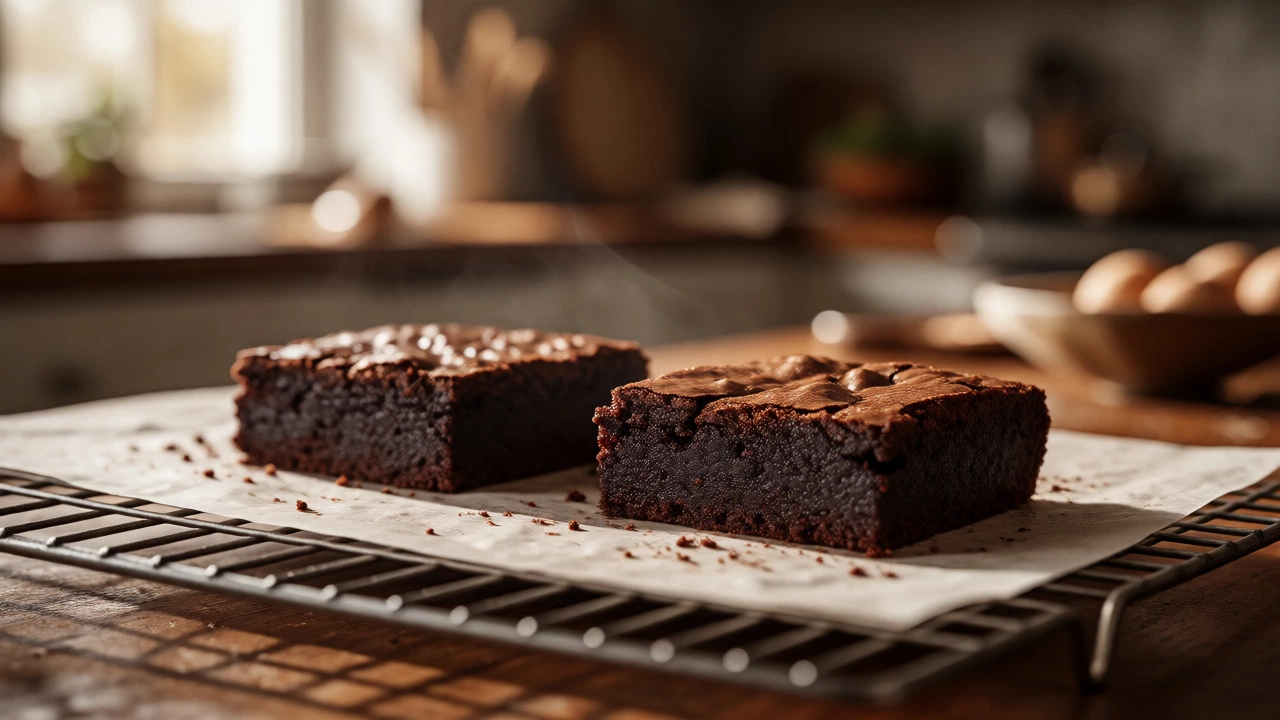
Don’t have time for an overnight wait? Room temperature thawing works well for individual squares. Take your frozen brownie pieces out of their container and place them on a wire rack or a baking sheet lined with parchment paper. Don’t stack them. Stacking traps moisture between the layers, creating steam that softens the crust unevenly.
This method usually takes about two to four hours, depending on how thick your brownies are. In Halifax, where the humidity can swing wildly, keep an eye on the texture. If your kitchen is particularly humid, you might notice the sugar on top starting to dissolve slightly-that’s normal. Just pat it gently with a paper towel if it looks too wet. The goal here is a brownie that feels soft under your thumb but doesn’t squish when you press it. If it’s still hard in the middle, give it another hour. Rushing this step is the number one reason people think their frozen brownies tasted bad, when really they were just partially frozen.
The Microwave Hack: For Instant Gratification
Let’s be honest: sometimes you want warm chocolate right now. The microwave is fast, but it’s also dangerous for baked goods. Microwaves heat water molecules, and since brownies are low-moisture, high-fat items, they can go from frozen to molten lava in seconds.
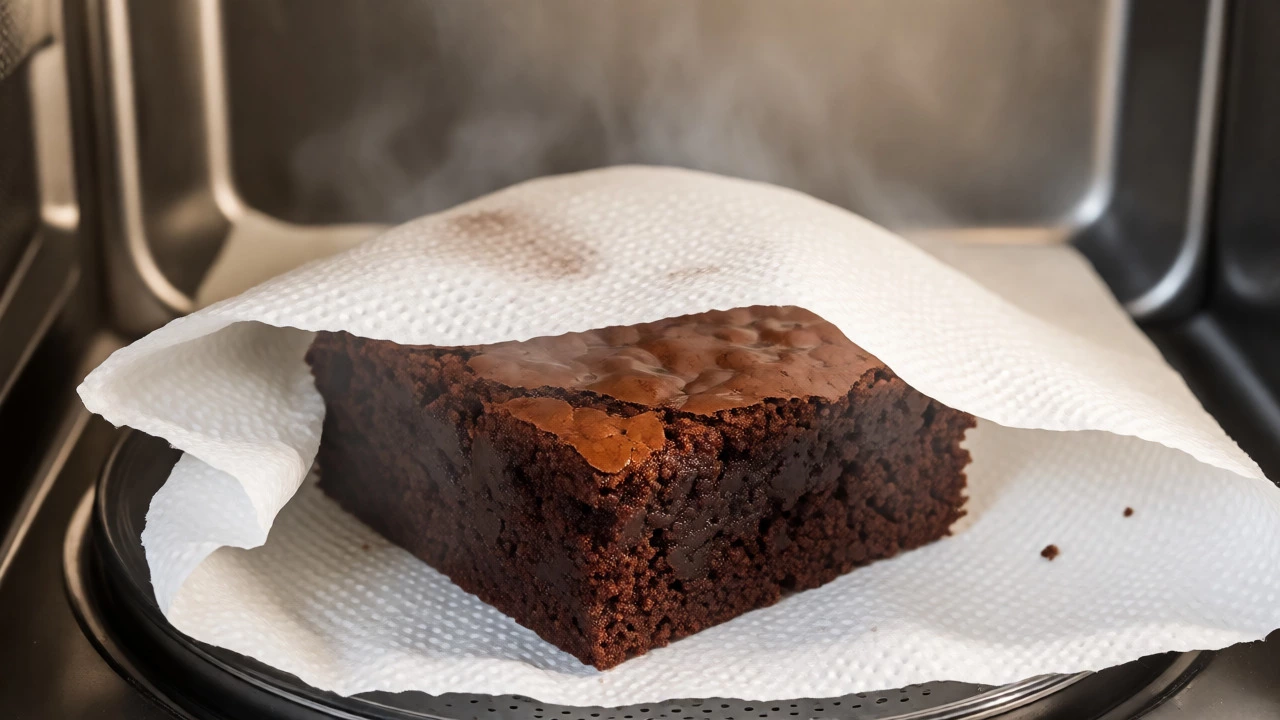
Here is the rule of thumb: Use 50% power. Never full blast. Place a single square on a microwave-safe plate. Cover it loosely with a damp paper towel-this creates a mini steam environment that helps heat evenly without drying out the edges. Zap it for 10 seconds. Check it. If it’s still cold in the center, add 5 more seconds. Repeat until warm. Do not try to heat the whole pan at once unless you have a massive microwave and infinite patience. Individual slices heat most evenly.
Be warned: microwaved brownies lose their structural integrity quickly. Eat them within five minutes. After that, the fats separate, and the texture turns greasy and gritty. It’s a trade-off for speed.
Oven Revival: Bringing Back the Crunch
If your brownies have been in the freezer for months, they might have lost some of their fresh-baked crispness. The oven is the best tool to restore that contrast between a crunchy top and a fudgy center. Preheat your oven to 300°F (150°C). Low and slow is key here. High heat will melt the chocolate chips or chunks before the inside thaws.
Unwrap the brownies and place them on a baking sheet. You don’t need to cover them. Bake for 10 to 15 minutes. Keep the door cracked open slightly if you’re worried about overheating, but usually, the low temp is safe. This method dries out the very top layer, re-crisping the crust, while the internal temperature rises gently. Serve these warm with a scoop of vanilla ice cream. The temperature contrast is unbeatable, and honestly, it’s worth the extra effort over the microwave.
Common Pitfalls That Ruin Frozen Brownies
Most people mess up freezing before they even start thawing. Did you freeze them in a large block? Cutting a frozen block is a nightmare. Always slice brownies into individual portions before freezing. Wrap each piece individually in plastic wrap, then place all the wrapped pieces in a heavy-duty freezer bag. Squeeze out as much air as possible. Air is the enemy; it causes freezer burn, which tastes like old cardboard and smells like the back of your freezer.
Another mistake is thawing in a sealed plastic bag. As the brownie warms up, condensation forms inside the bag. Since the brownie is already moist, that trapped water has nowhere to go, so it gets absorbed into the crumb. Result? A soggy, sad square. Always transfer the brownie to a breathable surface or a plate once it starts to soften.
What About Frosting and Toppings?
If your brownies have frosting, the rules change slightly. Buttercream and cream cheese frostings hold up okay in the fridge but can become grainy if frozen and thawed repeatedly. Ganache freezes beautifully because of its high fat content. If you have frosted brownies, use the refrigerator method exclusively. Room temperature thawing can cause butter-based frostings to slide off or become oily. The microwave is generally a no-go for frosted brownies unless you want melted icing pooling around the edges.
For nut toppings like walnuts or pecans, the oven method is superior. Toasting them slightly revives their flavor and crunch. Microwaving nuts just makes them chewy and stale-tasting.
Storage Tips for Next Time
To ensure your next batch thaws perfectly, focus on the initial freeze. Let the brownies cool completely on a wire rack after baking. If you freeze them while warm, steam gets trapped, creating ice crystals that damage the texture. Once cooled, slice them. Wrap tightly. Label the date. Brownies stay good for up to three months in the freezer. Beyond that, they’re safe to eat, but the quality drops.
Also, consider freezing batter instead of baked goods. Some bakers swear by scooping raw batter onto a tray, freezing it solid, then transferring to bags. When you’re ready, bake directly from frozen, adding a few minutes to the cooking time. This gives you that just-baked aroma and texture every single time, bypassing the thawing issue entirely.
Can I refreeze a brownie after thawing it?
Technically yes, but you shouldn't. Each freeze-thaw cycle breaks down the starch structure and forces moisture out. Refrozen brownies tend to be crumbly, dry, and lack that rich mouthfeel. Only refreeze if you've only partially thawed them and kept them in the fridge.
Why is my thawed brownie soggy?
Sogginess usually comes from condensation getting trapped against the brownie's surface. This happens if you thaw them in a sealed container or bag, or if you unwrap them while they're still cold and put them in a humid room. Always thaw on a wire rack or parchment paper to allow airflow.
How long do brownies last in the freezer?
For best quality, consume frozen brownies within 2 to 3 months. While they remain safe to eat indefinitely if kept at 0°F (-18°C), the flavor degrades and freezer burn sets in after that window. Chocolate preserves well, but the flour base does not.
Is it better to thaw brownies in the fridge or on the counter?
The fridge is better for maintaining texture and preventing sogginess, especially for whole pans or frosted varieties. The counter is fine for individual, unfrosted squares if you have 2-4 hours. Avoid the counter if your kitchen is very warm or humid.
Can I microwave frozen brownies straight from the freezer?
Yes, but use caution. Use 50% power and short intervals (10-15 seconds) per slice. Cover with a damp paper towel to prevent drying out. Be aware that the texture will be softer and less defined than freshly baked or slowly thawed brownies.