Gluten-Free Banana Safety Checker
This tool helps you determine if your banana product is safe for gluten-free baking based on processing methods and potential contamination risks.
Note: Fresh whole bananas are always safe, but processed products may contain hidden gluten. Always check labels carefully.
Results:
If you’re baking a gluten-free cake and wondering whether bananas are safe to use, the answer is simple: yes, bananas are naturally gluten-free. But that’s only the start. Many people with celiac disease or gluten sensitivity still worry-could there be hidden gluten? Could cross-contamination ruin their bake? Let’s cut through the noise.
Why Bananas Are Naturally Gluten-Free
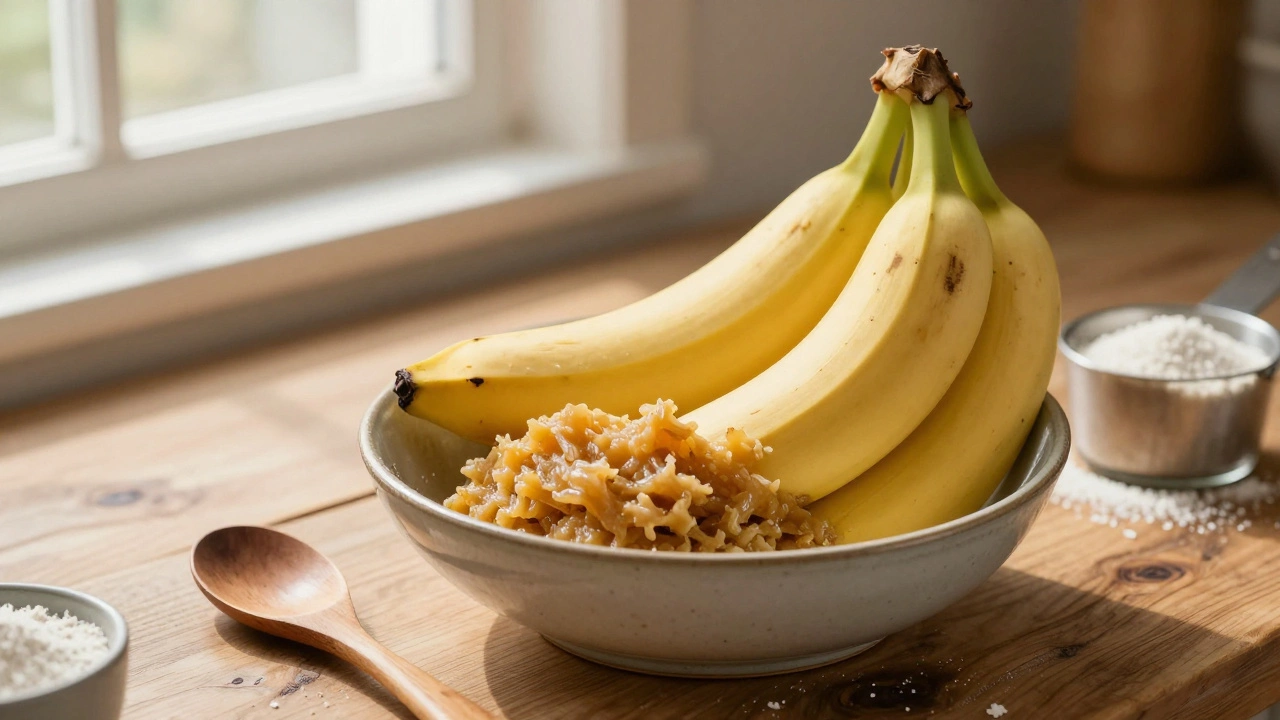
Bananas grow on trees, not in fields of wheat, barley, or rye. They don’t contain any gluten proteins. Gluten is a group of proteins found only in certain grains. Bananas are a fruit, and like apples, oranges, or berries, they’re inherently free of gluten. There’s no biological mechanism for a banana to produce gluten. It’s not just safe-it’s one of the most reliable ingredients in gluten-free baking.That’s why banana bread is such a staple in gluten-free kitchens. It’s moist, naturally sweet, and acts as a binder when you’re replacing wheat flour. Many gluten-free flour blends still need help holding together. Mashed banana adds structure without gluten. It’s a win.
Can Bananas Be Contaminated With Gluten?
Here’s where people get confused. Just because something is naturally gluten-free doesn’t mean it’s always safe.Most whole, fresh bananas are fine. But processed banana products? That’s where you need to check labels. Some dried banana chips are coated in flour to prevent sticking. Others are made in facilities that also process wheat. If you see “may contain traces of wheat” on the package, skip it. Same goes for banana-flavored snacks, yogurts, or pre-made banana purees. They might have added thickeners like modified food starch-which can come from wheat.
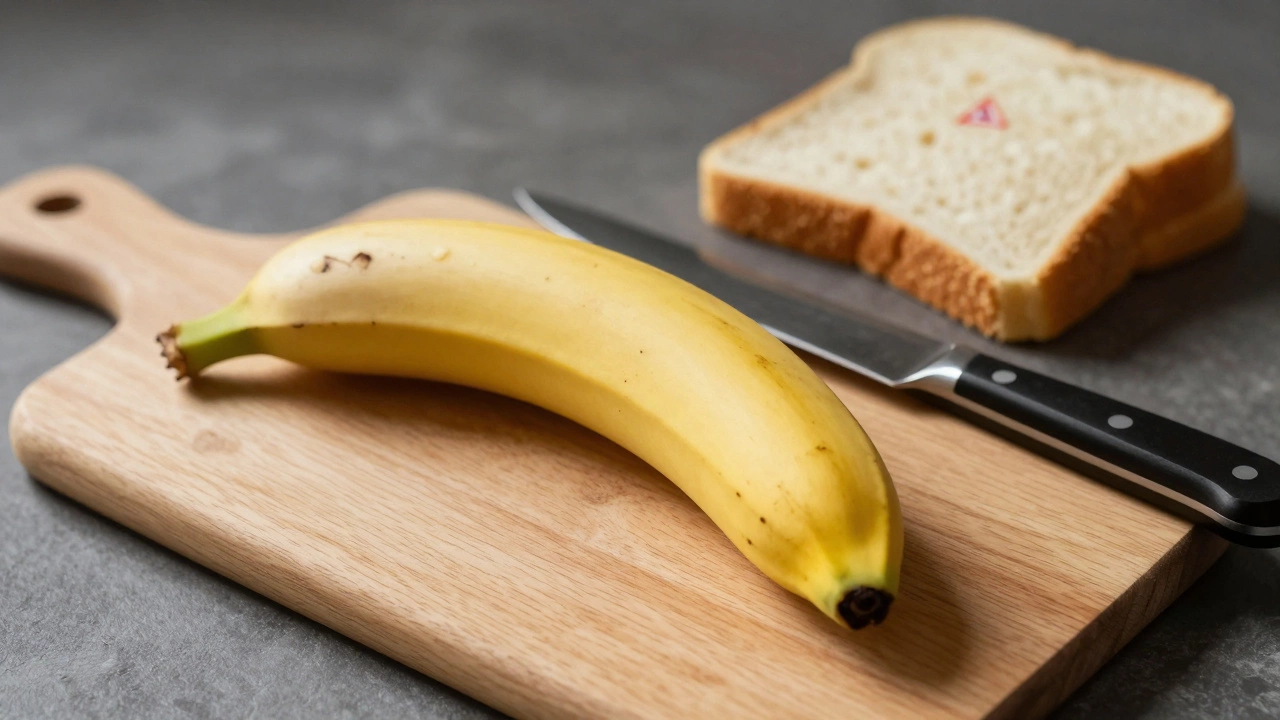
Even in your own kitchen, cross-contamination is possible. If you use the same knife or cutting board for gluten-containing bread and then slice a banana for your gluten-free cake batter, you’re introducing gluten. Use clean tools. Wash surfaces. Treat bananas like you would a bag of certified gluten-free oats-handle them with care.
How Bananas Work in Gluten-Free Cakes
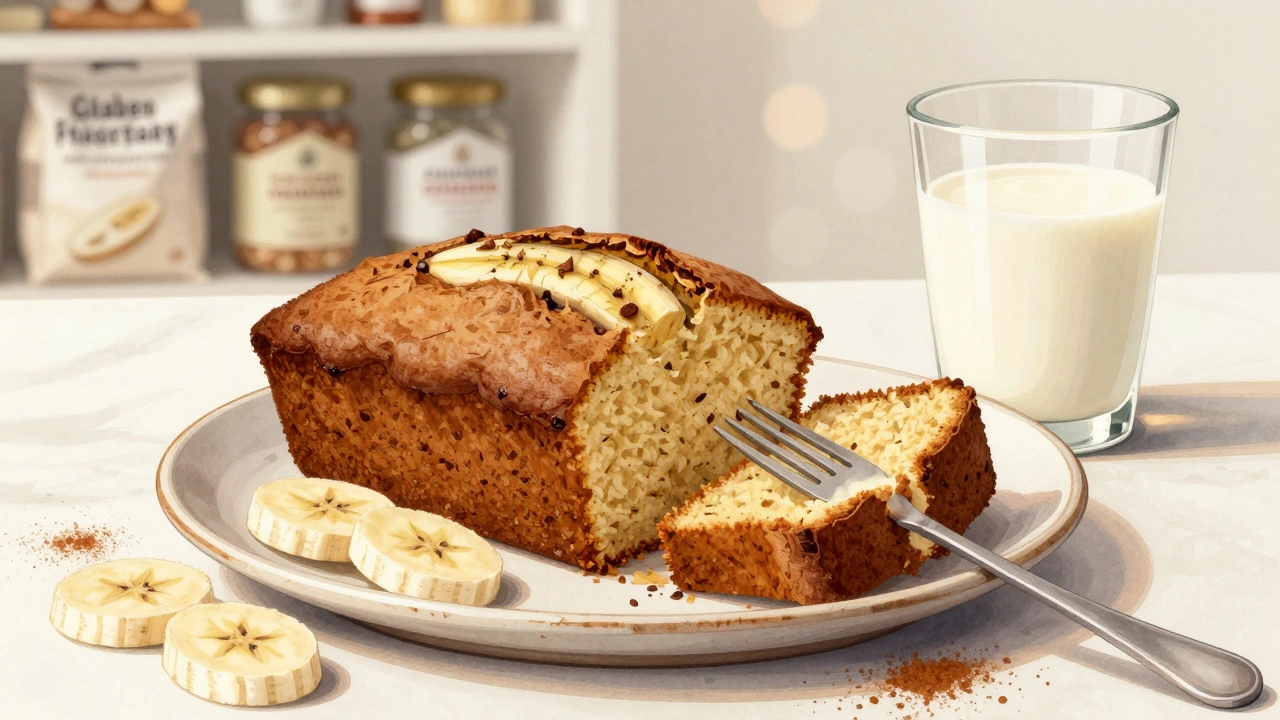
Bananas aren’t just safe-they’re useful. In gluten-free baking, you lose the elasticity and structure that gluten gives. That’s why many gluten-free cakes turn out dry or crumbly. Bananas help fix that.One ripe banana (about 1/2 cup mashed) can replace one egg in many recipes. It adds moisture, sweetness, and a bit of binding power. When combined with almond flour, rice flour, or a gluten-free all-purpose blend, mashed banana helps create a tender crumb. It’s not a magic fix, but it’s one of the most effective natural ingredients for texture.
Some gluten-free cake recipes even use two or three bananas. They reduce the need for added sugar and oil. A banana cake made with gluten-free flour, a pinch of cinnamon, and a splash of vanilla can be just as rich as a traditional version. Many people with celiac disease say it’s their favorite cake-because it tastes like dessert, not a compromise.
What to Look for When Buying Bananas for Gluten-Free Baking
Stick to whole, unprocessed bananas. Buy them by the bunch from the produce section. Avoid:- Pre-sliced bananas in plastic containers (they may be treated with preservatives or flour)
- Banana-flavored protein bars or snacks
- Dried banana chips with added ingredients like wheat starch or maltodextrin (unless labeled gluten-free)
- Blended banana drinks from cafes (they sometimes add flour-based thickeners)
When in doubt, read the ingredient list. If it says “banana” and nothing else, it’s safe. If you see “modified food starch,” “malt,” “barley,” or “wheat,” walk away. Certified gluten-free labels are a bonus, but not always necessary for fresh fruit.
Real-World Example: Gluten-Free Banana Cake Recipe
Here’s how a simple gluten-free banana cake works:- 3 ripe bananas, mashed
- 1/2 cup coconut oil or melted butter
- 3/4 cup coconut sugar or brown sugar
- 2 large eggs
- 1 tsp vanilla extract
- 1 1/2 cups gluten-free flour blend (like Bob’s Red Mill 1-to-1)
- 1 tsp baking soda
- 1/2 tsp cinnamon
- Pinch of salt
Mix wet ingredients, stir in dry, bake at 350°F for 50-60 minutes. The result? A cake that’s moist, sweet, and holds together perfectly-no gumminess, no grittiness. And yes, it’s 100% gluten-free.
This recipe works because bananas aren’t just a substitute. They’re a foundation. They carry the flavor, texture, and moisture that gluten-free flour alone can’t deliver.
Common Myths About Bananas and Gluten
Let’s clear up a few myths you might have heard:- Myth: “Bananas contain gluten because they’re grown near wheat fields.”
Truth: Plants don’t absorb gluten from soil. Gluten is a protein inside grains. It doesn’t travel through the air or water to other plants. - Myth: “Ripe bananas turn into gluten during ripening.”
Truth: No chemical process in a banana creates gluten. The starches turn into sugars, not proteins. - Myth: “I had a reaction after eating banana cake-maybe bananas aren’t safe.”
Truth: You likely had cross-contamination, a hidden ingredient, or another allergen. Bananas themselves are not a common allergen for gluten-sensitive people.
If you’ve had a reaction, track your ingredients. Was the flour certified gluten-free? Did you use a shared mixer? Was the vanilla extract pure or flavored with barley malt? Bananas are rarely the culprit.
When to Avoid Bananas in Gluten-Free Baking
There’s one case where you might want to skip bananas: if you have a banana allergy. That’s rare, but it happens. Some people with latex allergy also react to bananas due to cross-reactivity. If you’ve ever had swelling, itching, or stomach upset after eating banana, talk to your doctor. But if you’ve eaten bananas safely before, there’s no reason to avoid them for gluten reasons.Also, if you’re following a low-FODMAP diet for IBS, ripe bananas are high in fructans and may cause bloating. But that’s unrelated to gluten. You can still use unripe bananas (which are lower in FODMAPs) in baking if needed.
Final Verdict: Can You Use Bananas in Gluten-Free Cakes?
Yes. Absolutely. Bananas are one of the safest, most effective ingredients for gluten-free baking. They’re naturally gluten-free, widely available, and improve texture without additives. Just make sure you’re using whole, unprocessed bananas and avoiding cross-contamination in your kitchen.Don’t let fear stop you from using them. Millions of people with celiac disease bake with bananas every week-and they don’t get sick. The science is clear. The experience is real. Your gluten-free cake will taste better because of the banana, not despite it.
Are bananas safe for people with celiac disease?
Yes, bananas are safe for people with celiac disease because they are naturally gluten-free. They don’t contain any gluten proteins. However, always check processed banana products like dried chips or purees for added ingredients or cross-contamination warnings.
Can I use bananas in gluten-free cake recipes?
Absolutely. Bananas are a popular ingredient in gluten-free cakes because they add moisture, natural sweetness, and binding power. They help replace the texture that gluten normally provides, making cakes less dry and crumbly.
Do I need to buy organic bananas to avoid gluten?
No. Organic bananas aren’t any safer than conventional ones when it comes to gluten. Gluten isn’t present in the soil or on the peel in a way that transfers to the fruit. Washing bananas is good hygiene, but it’s not needed to remove gluten.
Can banana flour contain gluten?
Banana flour is made from green bananas and is naturally gluten-free. However, if it’s processed in a facility that handles wheat, barley, or rye, cross-contamination can happen. Always choose banana flour labeled “certified gluten-free” if you have celiac disease.
Why does my gluten-free banana cake fall apart?
If your cake is crumbling, it’s likely due to the flour blend, not the banana. Gluten-free flours lack elasticity. Make sure you’re using a blend with xanthan gum or add 1/2 tsp of it yourself. Also, don’t overmix the batter, and bake until a toothpick comes out clean.
If you’re new to gluten-free baking, start with a simple banana cake. Use fresh bananas, a trusted gluten-free flour, and clean tools. You’ll quickly see why so many bakers swear by them. No additives. No mystery ingredients. Just a fruit that makes gluten-free desserts taste like they’re supposed to.