
IKEA Candy Vegan Checker
Select Ingredients Found on Label
Click the ingredients listed on your package.
Ready to Check
Select ingredients and click check.
Walking down the aisle at IKEA is a global furniture retailer known for affordable home goods and a massive selection of Swedish food products, you’re often drawn to the low prices on snacks. But if you follow a strict plant-based diet, that colorful display of gummies, licorice, and chocolate bars comes with a hidden trap. You might grab a bag without thinking, only to realize later that it contains gelatin or dairy. This is especially frustrating when you’re trying to stick to your values while enjoying a simple treat.
The short answer to "Is IKEA candy vegan?" is: **it depends entirely on the specific product.** There is no single rule for all their sweets. Some items are accidentally vegan, while others are packed with animal-derived ingredients like beeswax, shellac, and gelatin. Navigating this requires more than just looking at the front of the package; it demands a close inspection of the ingredient list.
Decoding the Hidden Non-Vegan Ingredients
To understand why many popular candies aren't vegan, we need to look at the specific additives used in confectionery manufacturing. These ingredients are often derived from animals but don't always scream "meat" or "dairy" at first glance. Understanding these components helps you spot non-vegan items quickly, whether you're at IKEA or any other supermarket.
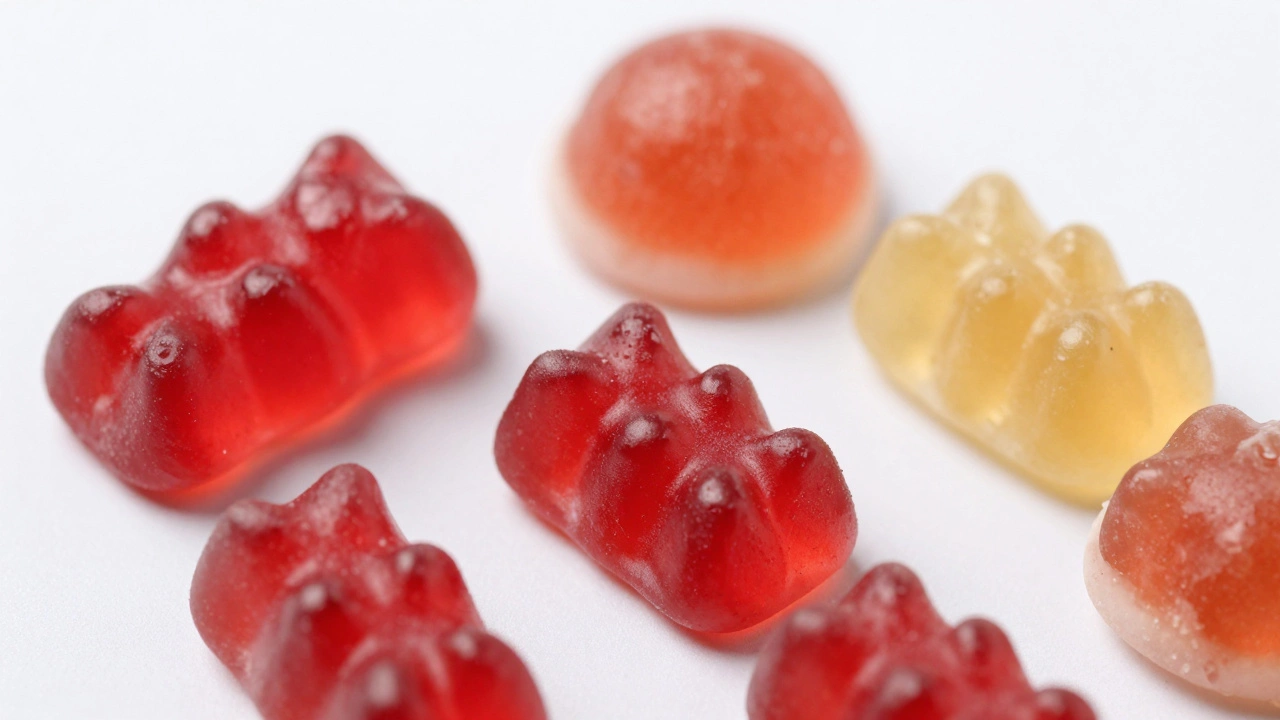
- Gelatin: This is the biggest culprit in gummy candies. It is made by boiling animal skin, bones, and connective tissue (usually pork or beef). If a gummy bear or worm lists gelatin, it is not vegan.
- Beeswax: Often used as a coating on hard candies or chocolates to give them a shiny finish. Since it comes from honeybees, vegans avoid it due to exploitation concerns.
- Shellac: Also known as confectioner's glaze, this resinous secretion from the lac insect is used to polish hard candies and some chocolates. It provides a deep red color and high shine.
- Carmine (E120):** A bright red pigment derived from crushed cochineal insects. It is common in red-colored drinks, yogurts, and sometimes candies.
- Milk Solids/Butterfat:** Even in dark chocolate, cross-contamination or added milk powder can make a product non-vegan.
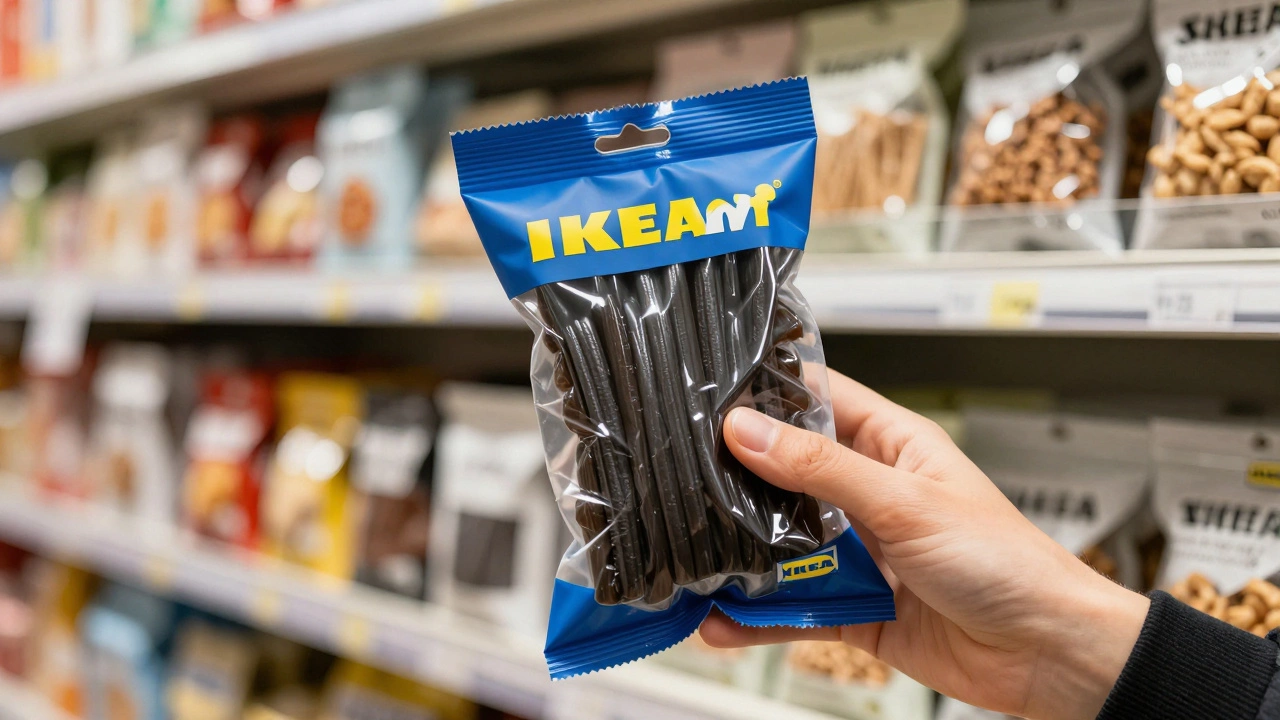
When you pick up a bag of Swedish Licorice is a traditional confection made from the root extract of the Glycyrrhiza glabra plant, known for its distinct salty-sweet flavor, you have to check for these. Traditional black licorice is often vegan-friendly because it relies on starch and sugar, but flavored varieties might add butter or cream.
Which IKEA Candies Are Actually Vegan?
While IKEA doesn't label every product as "vegan," several of their staple sweets happen to be free from animal products. Here is a breakdown of what you can typically find in the food hall or marketplace, based on standard formulations in Europe and North America. Note that recipes change, so always verify the label.
| Product Name | Typical Ingredients | Vegan Status | Key Warning |
|---|---|---|---|
| Salt Kråkan (Salty Licorice) | Sugar, Glucose Syrup, Licorice Extract, Starch | Yes | Check for butter in flavored versions. |
| Kladdkaka Mix (Chocolate Brownie) | Sugar, Cocoa Powder, Flour, Oil | Yes (if baked without eggs/milk) | You must substitute eggs/milk when baking. |
| Honeycomb Candy | Sugar, Glucose, Baking Soda, Flavoring | Usually Yes | Some versions may contain beeswax coating. |
| Gummy Bears/Worms | Sugar, Gelatin, Fruit Juice | No | Gelatin is animal-derived. |
| Chocolate Bars (Milk) | Cocoa Mass, Sugar, Skim Milk Powder | No | Contains dairy. |
| Dark Chocolate (70%+) | Cocoa Mass, Sugar, Cocoa Butter | Possibly | Check for milk traces or shellac. |
The most reliable vegan find at IKEA is usually the Salt Kråkan is a brand of salted licorice produced by Cloetta, widely available in IKEA stores across Scandinavia and beyond. The classic black variety is generally safe. However, if you see a red or fruit-flavored licorice, pause. Those often contain carmine or gelatin.
The Problem with Dark Chocolate and Cross-Contamination
Many people assume dark chocolate is automatically vegan. While it lacks milk solids, it’s not always that simple. At IKEA, you might find bars labeled "70% Cocoa." On paper, this looks good. But two issues arise:
- Processing Aids: Some manufacturers use bone char to whiten sugar. While rare in Europe due to different regulations, it’s a concern in imported goods.
- Shared Equipment: Even if the recipe is vegan, the factory might process milk chocolate on the same lines. Look for warnings like "May contain milk" or "Processed in a facility that handles dairy." Strict vegans often avoid these due to allergy risks and ethical consistency, though casual vegans might accept them.
If you buy a dark chocolate bar from IKEA, flip it over. If it says "No Milk Solids" but has a milk warning, it’s a personal choice whether to eat it. For those with severe allergies, it’s a definite no-go.
How to Verify Ingredients Before You Buy
Since IKEA products vary by region (what’s sold in Sweden might differ from the US or UK), you can’t rely on memory alone. Here is a quick checklist to use in-store:
- Scan for "Gelatin":** If you see this word, put it back. It’s in almost all gummy candies.
- Check the Colorants:** Look for E-numbers. E120 is carmine (insect). E904 is shellac (insect). Avoid both.
- Look for "Natural Flavors":** This term is vague. In some countries, natural flavors can include animal derivatives. If you’re unsure, skip it or contact customer service.
- Use the IKEA App:** Many regions allow you to scan the barcode in the app to see detailed nutritional info and allergens. This is faster than squinting at small print.
For example, if you’re eyeing a bag of mixed fruit chews, the app might reveal they contain beeswax for texture. Without the app, you’d never know until you got home.
Better Alternatives: Vegan-Friendly Sweets
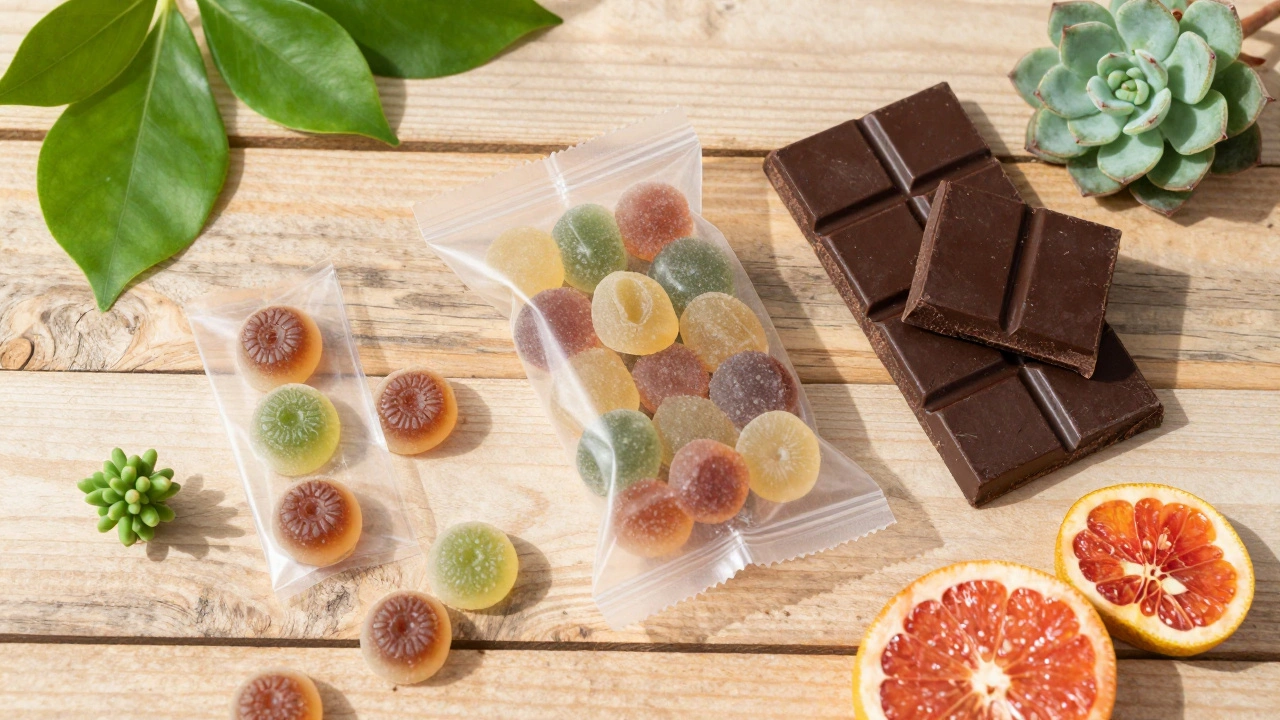
If you find that IKEA’s selection is too risky or limited, there are plenty of dedicated vegan brands that offer transparency. These companies explicitly label their products as plant-based, removing the guesswork.
- YumEarth: Known for gummies made with pectin instead of gelatin. They are certified vegan and gluten-free.
- Treacle: Offers vegan licorice and sour candies without artificial colors or animal products.
- Endangered Species Chocolate: Provides high-quality dark chocolate bars that are clearly marked as vegan options.
- Local Confectioners:** Many local candy shops now offer vegan fudge and truffles using coconut cream instead of dairy.
Switching to these brands ensures you’re supporting companies that prioritize ethical sourcing. Plus, you save time scanning labels.
Why Ingredient Transparency Matters
The rise of veganism isn’t just about avoiding meat; it’s about demanding honesty in food labeling. Companies like IKEA are under increasing pressure to clarify their supply chains. By choosing products with clear, plant-based ingredients, you vote with your wallet. You encourage retailers to stock more inclusive options.
Moreover, understanding what goes into your candy makes you a smarter consumer overall. You start noticing how much sugar and processed ingredients are in cheap treats, regardless of whether they’re vegan. This awareness can lead to healthier choices, like opting for fresh fruit or homemade snacks using dates and nuts.
Is Salt Kråkan licorice vegan?
The classic black Salt Kråkan licorice is generally considered vegan as it contains sugar, glucose syrup, licorice extract, and starch. However, always check the label for added butter or whey in flavored variations.
Do IKEA gummy bears contain gelatin?
Yes, most IKEA gummy candies contain gelatin, which is derived from animal collagen. Therefore, they are not suitable for vegans. Look for pectin-based alternatives instead.
Can I bake vegan Kladdkaka with IKEA mix?
Yes, the dry mix itself is usually vegan (flour, sugar, cocoa). To make the final cake vegan, substitute eggs with flax eggs or applesauce and use plant-based milk instead of dairy.
What does E120 mean on candy packaging?
E120 is the code for carmine, a red pigment made from crushed cochineal insects. It is not vegan and is commonly found in red-colored candies and drinks.
Are IKEA chocolates always non-vegan?
Not necessarily. Milk chocolate is non-vegan, but some dark chocolate bars may be vegan if they contain no milk solids and are not coated with shellac. Always read the ingredient list carefully.