Vegan Nutella Comparison Tool
Compare Your Spread
Key Differences
| Vegan Status | ||
|---|---|---|
| Contains Dairy | ||
| Palm Oil | ||
| Primary Sweetener | ||
| Texture | ||
| Environmental Impact |
Why It Matters
Ever reached for a jar of Nutella on a lazy Sunday morning, spread it on toast, and then paused-wait, is this even vegan? You’re not alone. Millions of people asking the same question every day. Nutella is everywhere: in pantries, lunchboxes, Instagram posts, and dessert blogs. But if you’re eating plant-based, you need to know what’s really inside that creamy hazelnut-chocolate spread.
What’s actually in Nutella?
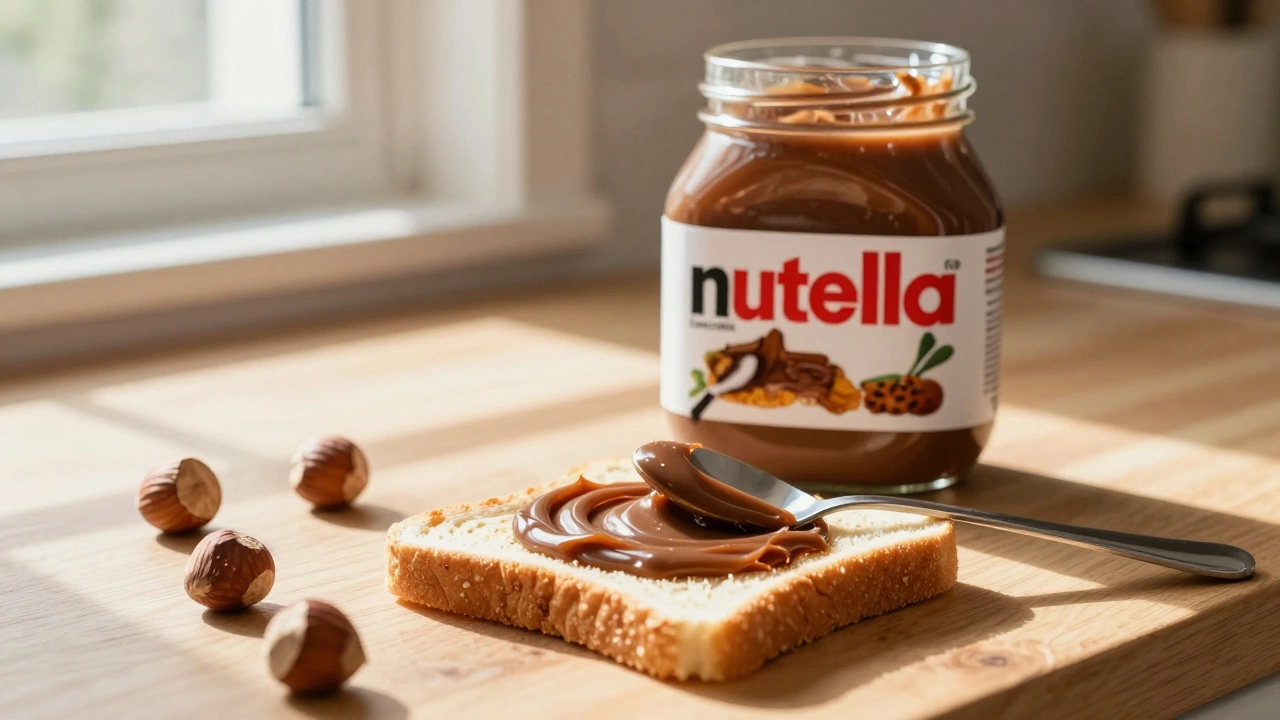
Nutella’s ingredient list is short, but one item makes it non-vegan: skim milk powder. That’s right-the creamy texture and rich flavor you love come from dairy. The full list: sugar, palm oil, hazelnuts, cocoa, skim milk powder, reduced minerals whey powder, lecithin (soy), and vanillin. All of these are plant-based except the milk and whey. Skim milk powder is dried cow’s milk with the fat removed. Whey powder? That’s a byproduct of cheese-making. Both come from animals.
Some people assume that because Nutella has no eggs or gelatin, it’s vegan. But veganism isn’t just about avoiding obvious animal parts. It’s about rejecting all animal exploitation-including dairy. Even if you’re not strict about ethics, if you’re avoiding dairy for health or environmental reasons, Nutella doesn’t fit.
Why does Nutella use dairy?
It’s not a secret. Ferrero, the company behind Nutella, has been open about it. Dairy gives Nutella its signature smoothness and shelf stability. Without it, the spread would be grainier, more oily, and less creamy. The milk powder also helps balance the bitterness of cocoa and the earthiness of hazelnuts. It’s a flavor and texture hack that’s been used since 1964.
There’s no hidden animal fat. No beef tallow. No lard. Just dairy. But for vegans, that’s enough. Even small amounts of animal-derived ingredients break the vegan standard. And Nutella doesn’t hide it-the label says “contains milk” right on the front.
Is there a vegan version of Nutella?
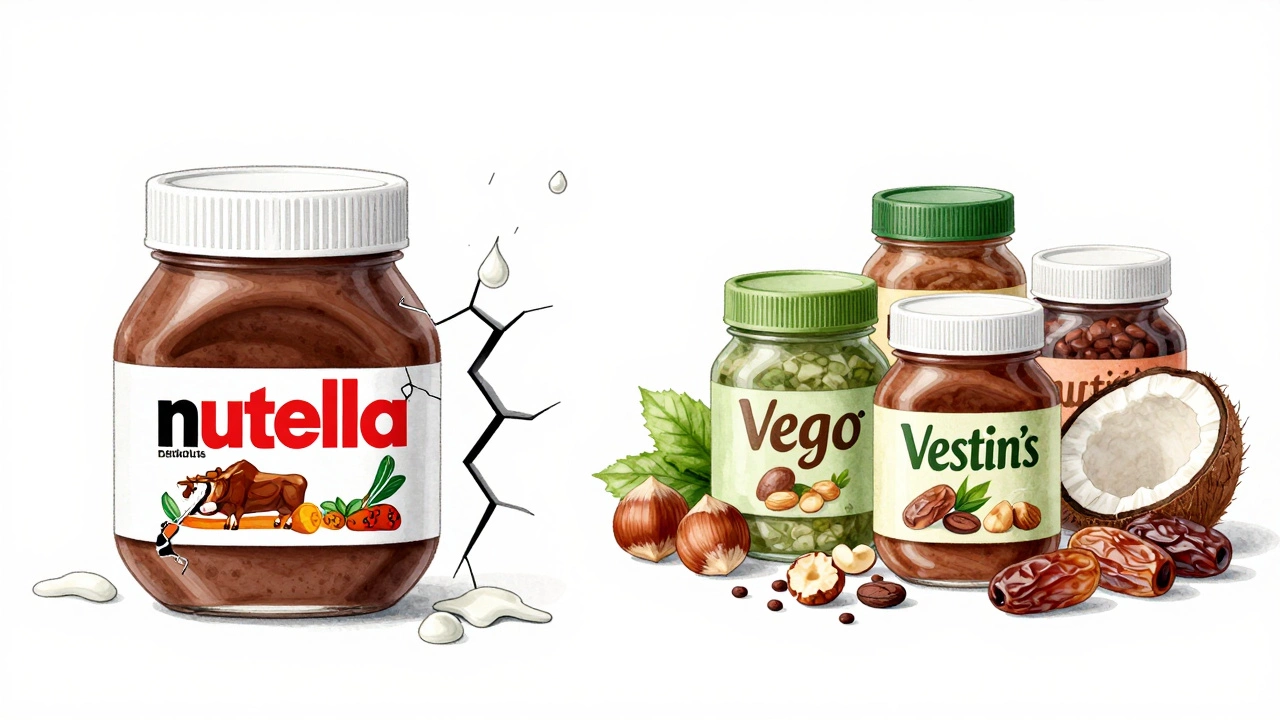
Yes. And it’s not hard to find. Several brands make plant-based spreads that taste strikingly similar to Nutella. You don’t have to settle for something bland or weird. Here are a few that actually work:
- Vego Hazelnut Spread-Made with organic hazelnuts, cocoa, coconut sugar, and sunflower oil. No dairy, no palm oil. Creamy, rich, and slightly less sweet than Nutella.
- Justin’s Chocolate Hazelnut Butter-Thicker, more like a nut butter. Uses organic cane sugar and almond butter as a base. Great for spreading or stirring into oatmeal.
- Rawmio-Raw, organic, and sweetened with dates. It’s a bit more grainy, but the flavor is deep and chocolatey. Comes in a glass jar, which is nice if you’re avoiding plastic.
- Artisana Organic Hazelnut Cacao Spread-Uses coconut sugar and cacao powder. No added oils. It’s more like a paste than a spread, but it’s packed with nutrients.
These alternatives use coconut milk, oat milk, or almond milk to mimic the creaminess dairy provides. Some even use sunflower lecithin instead of soy. And most avoid palm oil, which is a win for the environment.
Can you make vegan Nutella at home?
Yes-and it’s easier than you think. You don’t need a fancy machine. Just a food processor or high-powered blender.
Here’s a simple recipe that takes 10 minutes:
- Roast 1 cup of raw hazelnuts in the oven at 350°F for 10-12 minutes. Let them cool, then rub off the skins.
- Add ½ cup of unsweetened cocoa powder, ¼ cup of maple syrup or coconut sugar, and 2 tablespoons of coconut oil to the processor.
- Blend for 3-5 minutes, scraping down the sides. It’ll go from crumbly to glossy.
- Add a pinch of sea salt and ½ teaspoon of vanilla extract. Blend again.
- Store in a glass jar in the fridge. Keeps for 3-4 weeks.
The texture won’t be *exactly* like Nutella-homemade versions are usually thicker and less glossy. But the flavor? Better. You taste the hazelnuts, the real cocoa, and the sweetness isn’t cloying. Plus, you control the sugar and oil.
What about Nutella’s palm oil?
Even if you ignore the dairy, Nutella uses palm oil. And that’s another red flag for many vegans. Palm oil production is linked to deforestation in Indonesia and Malaysia. Orangutans, tigers, and indigenous communities lose their homes every year because of it.
Some brands claim to use “sustainable” palm oil. But certification systems like RSPO are weak. Many environmental groups still say it’s not enough. If you’re avoiding palm oil, check the labels on vegan spreads. Vego and Artisana use sunflower or coconut oil instead.

Why does this matter for vegan desserts?
Nutella is often used as a topping for pancakes, waffles, cookies, and cakes. If you’re baking vegan desserts and use Nutella, you’re not actually making a vegan dessert-you’re making a dairy-containing dessert with a vegan label. That’s misleading.
Imagine baking vegan brownies and topping them with Nutella. The brownies are plant-based, but the topping isn’t. You’ve got dairy in the middle. It defeats the purpose if you’re avoiding dairy for health, ethics, or allergies.
Switching to a vegan chocolate hazelnut spread changes the whole game. Your desserts become truly plant-based. And you can feel good about what you’re eating-no guilt, no compromise.
Where to buy vegan Nutella alternatives
You don’t need to order online. Most major grocery chains now carry vegan spreads. In Canada, you’ll find Vego and Justin’s at Loblaws, Whole Foods, and Metro. In the U.S., Trader Joe’s sells their own version. Aldi has a budget-friendly option called “Simply Nuts.”
If your local store doesn’t carry them, ask. Grocery stores listen to customer requests. Just tell them you’re looking for dairy-free chocolate hazelnut spread. They’ll start stocking it.
Final verdict: Is Nutella vegan?
No. Nutella is not vegan. It contains skim milk powder and whey-both animal-derived ingredients. Even if you’re okay with dairy in other forms, Nutella doesn’t meet the basic definition of vegan.
But here’s the good news: you don’t have to give up the taste. There are dozens of vegan alternatives that taste just as good-or better. And if you want to save money, making your own takes less time than driving to the store.
Next time you reach for that jar, ask yourself: is this what I really want to put in my body? If the answer is yes-go for it. But if you’re trying to live more plant-based, there’s a better option waiting for you.
Is Nutella dairy-free?
No, Nutella is not dairy-free. It contains skim milk powder and reduced minerals whey powder, both of which come from cow’s milk. Even small amounts of dairy make it unsuitable for people avoiding dairy for health, ethical, or dietary reasons.
Does Nutella contain eggs?
No, Nutella does not contain eggs. Its ingredients are sugar, palm oil, hazelnuts, cocoa, milk powder, whey, soy lecithin, and vanillin. Eggs are not used in its production.
Can I eat Nutella if I’m lactose intolerant?
Probably not. Nutella contains skim milk powder and whey, which have lactose. Even though it’s not a huge amount, it’s enough to trigger symptoms in most people who are lactose intolerant. Stick to certified dairy-free alternatives.
Is Nutella gluten-free?
Yes, Nutella is gluten-free. It doesn’t contain any wheat, barley, rye, or oats. However, it’s not certified gluten-free, so people with celiac disease should check with Ferrero for cross-contamination info before consuming it regularly.
What’s the best vegan alternative to Nutella?
Vego Hazelnut Spread is widely considered the closest match in taste and texture. It’s creamy, sweet but not overpowering, and made without palm oil. Justin’s Chocolate Hazelnut Butter is thicker and more like a nut butter-great if you like a more rustic texture. Homemade versions give you full control over ingredients and sweetness.
Does vegan Nutella taste like the real thing?
Most people say yes-especially the newer brands. Vego and Artisana are designed to mimic Nutella’s flavor profile. The main differences are texture (some are thicker) and sweetness (some use less sugar). But the chocolate-hazelnut combo is there. Once you try a good vegan version, you might even prefer it.