
Cheese Selector: Mascarpone vs. Cream Cheese
Not sure which one to use? Select the characteristics you want for your dish, and we'll recommend the best cheese for the job.
The Taste Test: Sweetness vs Tang
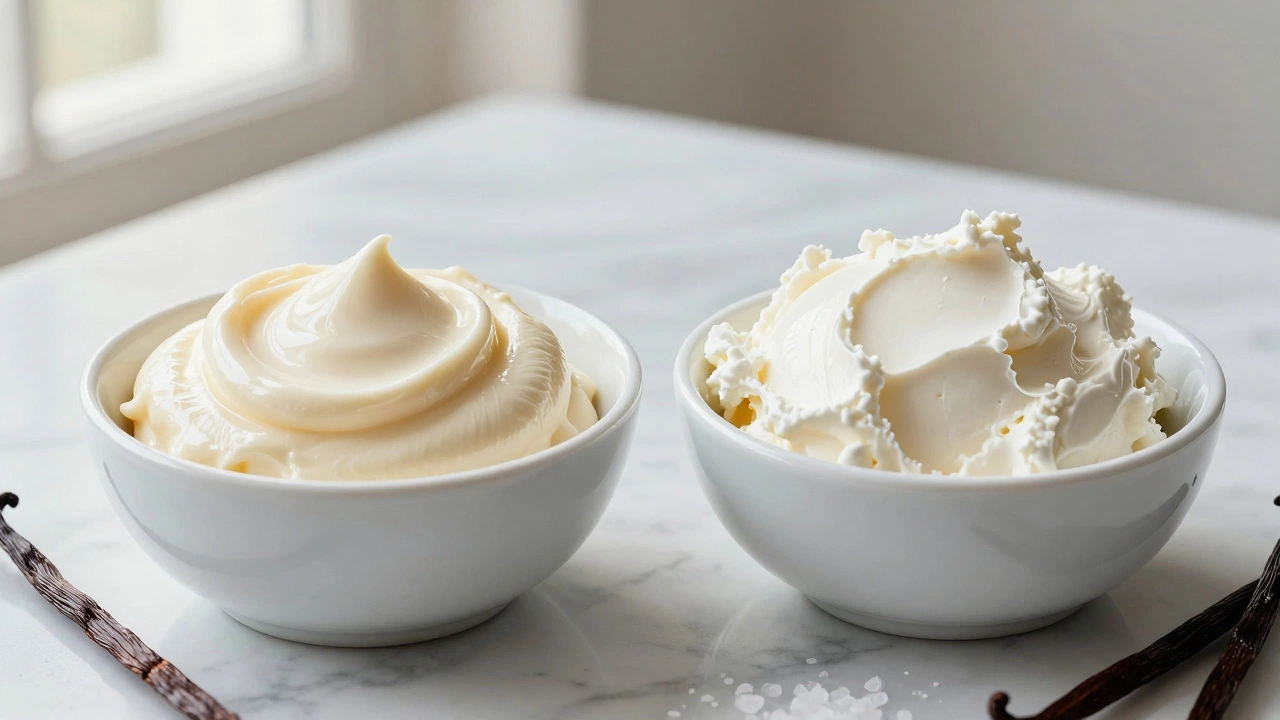
If you taste them side-by-side, the difference is immediate. Mascarpone tastes like heavy cream that's been thickened. It's mild, buttery, and doesn't fight with other flavors. When you add sugar to it, it just becomes a richer version of itself. Cream cheese is a different story. It has that signature "zing" or tang. That acidity comes from the fermentation process used during production. If you put cream cheese in a recipe that expects the neutrality of mascarpone, that tang will linger. In a cheesecake, that's exactly what you want. In a delicate Italian cream, it can feel out of place, almost like you've added too much lemon juice to a vanilla custard.Texture and Stability in the Kitchen
When we talk about mascarpone vs cream cheese, the physics of the cheese matters more than the taste. Mascarpone has a significantly higher fat content. This makes it incredibly stable when whipped with eggs or sugar, but it can also "break" or separate if you overmix it. It’s a bit more temperamental than its American cousin. Cream cheese is denser and more structural. It holds its shape better at room temperature, which is why it's the gold standard for piping frosting onto a cupcake. If you try to use mascarpone for a sharp, architectural frosting, it might slump. But if you want a filling that melts in your mouth, mascarpone wins every time.| Feature | Mascarpone | Cream Cheese |
|---|---|---|
| Origin | Italy | USA / Global |
| Primary Flavor | Buttery, Creamy | Tangy, Salty |
| Fat Content | Very High (Double Cream) | Moderate to High |
| Best Use Case | Tiramisu, Panna Cotta | Cheesecake, Frosting |
| Texture | Silky, Spreadable | Dense, Firm |
The Tiramisu Dilemma: Can You Swap Them?
Let's get specific about Tiramisu. The soul of a great Tiramisu is the balance between the bitter espresso-soaked ladyfingers and the sweet, airy cream. Mascarpone provides that cloud-like texture that doesn't overshadow the coffee. If you substitute cream cheese into a Tiramisu, you're essentially turning it into a coffee-flavored cheesecake. It won't taste bad, but the acidity of the cream cheese clashes with the delicate notes of the mascarpone-based original. The result is heavier, denser, and lacks that "melt-away" quality. If you absolutely have to swap, try a 50/50 mix of cream cheese and heavy cream to mimic the fat content and dilute the tang, but be prepared for a different dessert entirely.When to Choose One Over the Other
Choosing the right cheese depends on what you want the eater to feel. If you're going for elegance, richness, and a dessert that feels like a treat from a bistro in Rome, go with mascarpone. It's the perfect partner for berries, chocolate, and coffee. Go for cream cheese when you need contrast. The saltiness of cream cheese is a tool; it prevents a dessert from being cloyingly sweet. This is why a New York-style cheesecake works-the tang of the cheese balances the massive amount of sugar in the crust and filling. It's also the obvious choice for savory spreads or dips where you want a sturdy base that can hold up to chunky vegetables.Pro Tips for Working with These Cheeses
Whether you're using the Italian luxury or the American staple, a few rules of thumb will save your dessert:- Temperature is everything: Always bring both cheeses to room temperature before mixing. Cold cream cheese leaves tiny lumps in your batter that are impossible to get out without overmixing.
- Don't overbeat Mascarpone: Because of the high fat content, if you whip mascarpone too hard or too long, it will turn into butter. Fold it in gently.
- Drain your mascarpone: Sometimes store-bought mascarpone has a bit of liquid (whey) on top. Pour it off or strain it through a cheesecloth for 15 minutes to ensure your cream doesn't run.
- Sift your sugar: When mixing these thick cheeses, use powdered sugar or sifted granulated sugar. This prevents you from having to over-mix the cheese to dissolve the crystals.
Common Mistakes and How to Fix Them
One of the biggest pitfalls is trying to substitute Greek yogurt for either of these. While Greek yogurt has the tang of cream cheese, it lacks the fat and structure. If you use it in a Tiramisu, your dessert will collapse into a puddle within an hour. Another mistake is forgetting that mascarpone is essentially a cream product. If you're making a savory dish, don't expect it to behave like a sharp cheddar or a feta. It's a modifier, not a primary flavor. In savory cooking, it's best used to thicken a pasta sauce or add a velvety finish to a risotto, rather than as a standalone topping.Is mascarpone healthier than cream cheese?
Not necessarily. Mascarpone is generally higher in calories and saturated fats because it is made from heavy cream. Cream cheese has slightly more protein and a lower fat percentage, though both are rich dairy products and should be used in moderation.
Can I make a homemade substitute for mascarpone?
You can get close by mixing cream cheese with heavy cream and a touch of lemon juice or honey to soften the tang. However, you won't get the exact buttery, silky texture of authentic mascarpone because the fat structure is different.
How long does mascarpone last in the fridge?
Once opened, mascarpone usually lasts about 5 to 7 days in an airtight container. Because it has a very high fat content and no preservatives, it can spoil faster than processed cream cheese if exposed to air.
Which one is better for vegan alternatives?
Cream cheese is much easier to mimic using cashews or tofu because the tangy flavor is easy to recreate with lemon juice or apple cider vinegar. Mascarpone is harder to replicate because its specific buttery, cream-heavy mouthfeel is unique to dairy fats.
Why did my mascarpone separate when I whipped it?
This usually happens because of over-mixing or temperature shocks. If the cheese is too cold and you whip it at high speed, the fat globules can break and separate from the liquid. To fix this, try stirring it gently by hand or using a lower speed on your mixer.