Brownie Freshness & Safety Checker
You just pulled a tray of warm, fudgy Brownies is a dense, chocolate-based dessert bar made with flour, sugar, butter, eggs, and cocoa or melted chocolate. out of the oven. The smell is incredible. You eat one, maybe two. Then you cover the rest with foil and forget about them on the counter for three days. When you finally grab another one, it’s dry, hard as a rock, and smells slightly off. Did they go bad? Or are they just stale? This is a common dilemma for home bakers and office snack providers alike. Understanding how long brownies last at room temperature isn't just about taste; it’s about food safety.
The Danger Zone: Why Room Temperature Matters
To answer whether brownies go bad if left out, we have to look at the science of bacterial growth. The USDA defines the "Danger Zone" as temperatures between 40°F (4°C) and 140°F (60°C). In this range, bacteria multiply rapidly. Brownies contain two primary ingredients that make them susceptible to spoilage: moisture and protein. Eggs provide the protein, while butter and sugar syrup retain moisture. While high sugar content acts as a mild preservative by drawing water out of cells (osmosis), it doesn’t stop all microbial activity indefinitely.
If your kitchen is cool, around 68°F (20°C), baked goods like brownies can generally stay safe to eat for up to 3 to 4 days when properly stored in an airtight container. However, if your home is warmer than 75°F (24°C)-common in summer months-the clock ticks faster. At higher ambient temperatures, the risk of mold growth and bacterial proliferation increases significantly. After 4 days at room temperature, the texture degrades severely, becoming crumbly and dry, which is often a sign that the moisture has evaporated, leaving behind a medium more hospitable to certain molds if not sealed correctly.
Signs Your Brownies Have Gone Bad
Your nose and eyes are your best tools for detecting spoilage before you take a bite. Here is what to look for:
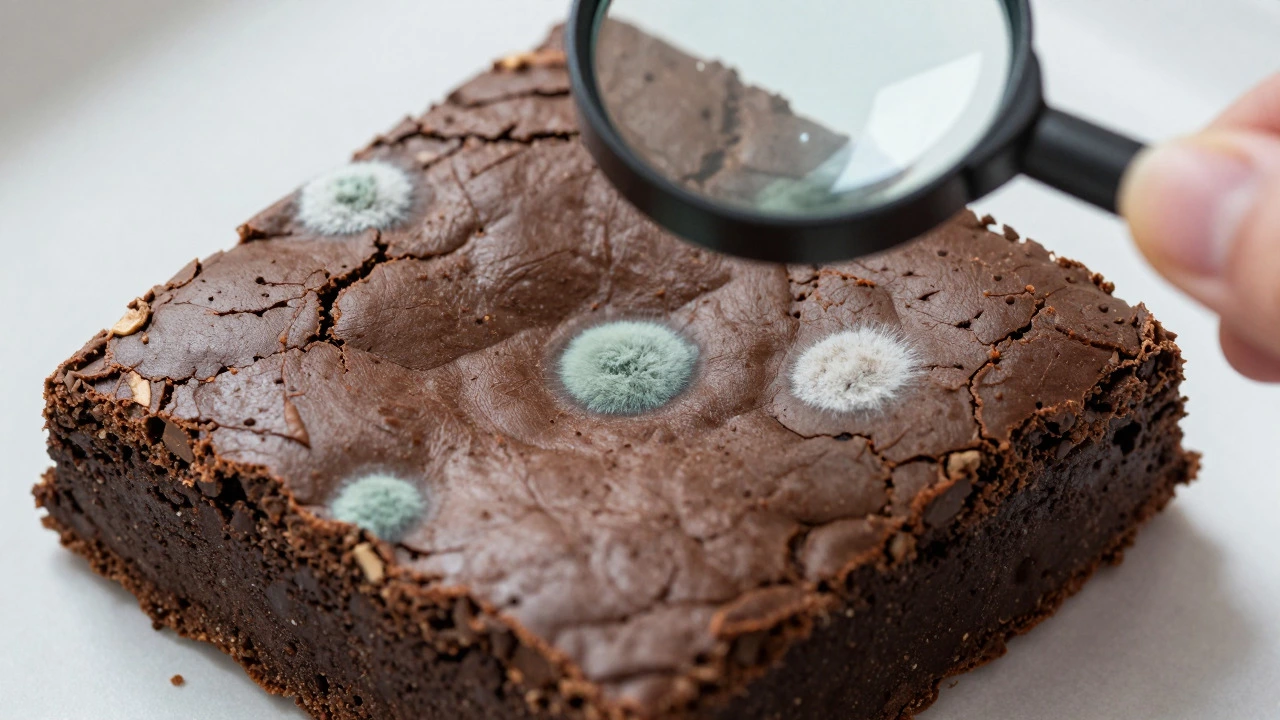
- Visual Mold: Look for fuzzy spots that are white, green, or blue. Mold spores are microscopic and may spread even if you only see one spot. If you see mold, throw the whole batch away.
- Off Smell: Fresh brownies smell like chocolate and vanilla. Spoiled brownies might smell sour, yeasty, or rancid. Rancidity occurs when fats in the butter oxidize, giving the dessert a paint-like or cardboard scent.
- Texture Changes: While drying out is normal after a few days, excessive dryness combined with a sticky or slimy surface indicates bacterial activity. A slimy film is a clear red flag.
- Taste Test: If the visual and smell checks pass but the taste is sharp, acidic, or unpleasant, spit it out. It’s likely past its prime.
Storage Strategies: Counter vs. Fridge vs. Freezer
How you store your brownies dictates their lifespan. Let’s compare the three main methods.
| Method | Shelf Life | Best For | Pros | Cons |
|---|---|---|---|---|
| Room Temperature (Airtight) | 3-4 Days | Immediate consumption | Softest texture; ready to eat | Shortest lifespan; prone to drying out |
| Refrigerator | 1-2 Weeks | Fruit-filled or custard-topped brownies | Extends freshness; keeps toppings fresh | Holds fridge odors; becomes harder/colder |
| Freezer | 3-6 Months | Long-term storage; bulk baking | Preserves flavor and texture well | Requires thawing time; potential freezer burn if not wrapped tightly |
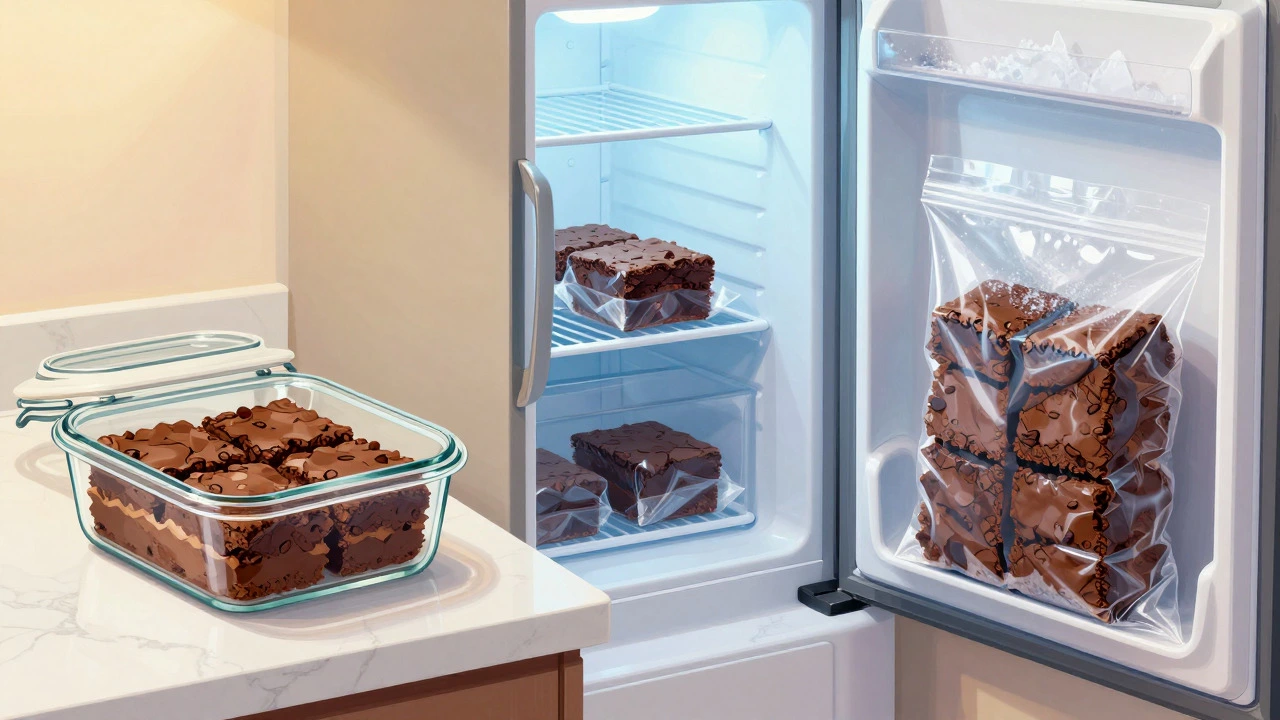
Room Temperature Best Practices: Always use an airtight container. Glass containers work better than plastic because they don’t absorb odors and maintain a more stable internal humidity. Place a piece of parchment paper between layers to prevent sticking. If you live in a humid climate, consider placing a small packet of desiccant (like silica gel from shoe boxes) inside the container to absorb excess moisture and prevent mold.
Refrigeration Nuances: Many people avoid the fridge because cold makes brownies hard. To mitigate this, let refrigerated brownies sit at room temperature for 15-20 minutes before serving. This allows the fats to soften without compromising safety. Note that plain brownies don’t *need* the fridge unless they have perishable additions like cream cheese frosting, fresh fruit, or whipped cream.
Freezing Tips: For the best results, freeze individual brownies wrapped tightly in plastic wrap, then place them in a heavy-duty freezer bag. Label with the date. When ready to eat, thaw them in the refrigerator overnight or at room temperature for a few hours. You can also reheat frozen brownies directly in the microwave for 10-15 seconds for a warm, gooey center.
Specific Scenarios: What About Toppings?
Not all brownies are created equal. The base recipe matters, but toppings change the rules entirely.
Plain Chocolate Brownies: These are the most resilient. With proper airtight storage, they hold up well at room temperature for four days. Their high density and low water activity (due to sugar and fat) make them less inviting to bacteria compared to lighter cakes.
Brownies with Cream Cheese Frosting: Cream cheese is a dairy product with higher water content and lower acidity than other cheeses. It spoils faster. If your brownies have cream cheese frosting, move them to the fridge immediately after cooling. They will last about 5-7 days in the fridge. Leaving these at room temperature for more than 2 hours is risky, especially in warm weather.
Brownies with Nuts: Nuts add healthy fats, but those fats can go rancid over time. While nuts don’t spoil quickly at room temperature, they contribute to the overall oxidation process. If you notice a strong, bitter nutty smell, the oils may have turned. Refrigerating nut-heavy brownies can help slow this down.
Brownies with Fruit Fillings: If you’ve added strawberries, raspberries, or lemon curd, treat them like a pie. Fruit releases moisture as it sits, which can make the surrounding brownie soggy and create a breeding ground for mold. Refrigerate these immediately. They are best consumed within 3-5 days.
Myths and Misconceptions
There are several myths circulating about brownie storage that lead to wasted food or unsafe eating habits.
Myth 1: "If it looks fine, it’s fine." Reality: Mold spores are invisible to the naked eye until they form colonies. By the time you see green fuzz, the mycelium (the root structure of the mold) may have penetrated deeper into the moist interior of the brownie. Always err on the side of caution with high-moisture baked goods.
Myth 2: "Sugar preserves everything forever." Reality: Sugar does inhibit some bacteria through osmotic pressure, but it does not stop mold or yeast. Jams and jellies last longer due to high sugar, but brownies have a much lower sugar-to-water ratio than jam, making them more vulnerable.
Myth 3: "The fridge ruins the texture permanently." Reality: Cold stiffens fats. Butter and chocolate solidify at low temperatures. This is a physical change, not a chemical one. Once the brownie warms back up to room temperature, the texture returns to its original state. The only permanent damage from the fridge is potential absorption of external odors, which can be prevented with tight wrapping.
Pro Tips for Maximizing Freshness
If you bake brownies for a crowd or want to enjoy them over several days, follow these expert tips:
- Cool Completely Before Storing: Trapping heat creates condensation inside the container. This moisture accelerates mold growth. Let the brownies cool on a wire rack for at least an hour before transferring them to storage.
- Use Parchment Paper Barriers: Line your airtight container with parchment paper. This prevents the bottom layer from getting soggy if any moisture escapes from the top layers.
- Rotate Stock: Keep the oldest brownies on top so they get eaten first. This ensures nothing gets forgotten at the bottom of the container where it might compress and lose shape.
- Check Humidity Levels: In coastal cities like Halifax, where humidity can be high, consider using a dehumidifier in your pantry or kitchen area. Lower ambient humidity slows down the rate at which baked goods dry out or grow mold.
- Label Everything: Write the baking date on the container. It’s easy to forget when you baked something, and knowing the age helps you make a quick decision about safety.
When in Doubt, Throw It Out
Food safety experts often say, "When in doubt, throw it out." Is it worth risking a stomachache to save a $2 worth of brownies? Probably not. The cost of replacing a batch of brownies is minimal compared to the discomfort of foodborne illness. Bacteria like Salmonella (from eggs) and Listeria (which can survive in cold environments) are real concerns if storage practices aren’t followed. While the risk is low for properly handled baked goods, vigilance pays off.
Remember, brownies are a treat, not a necessity. Enjoy them while they’re fresh, and use the fridge or freezer to extend their life if needed. By understanding the balance between moisture, temperature, and time, you can ensure every slice tastes as good as the first one out of the oven.
Can you leave brownies out overnight?
Yes, you can leave brownies out overnight if they are stored in an airtight container. As long as the room temperature is below 75°F (24°C), they will remain safe to eat the next morning. Just make sure they are covered to prevent dust and insects from contaminating them.
Do brownies need to be refrigerated?
Plain brownies do not strictly require refrigeration if consumed within 3-4 days. However, if your brownies contain perishable toppings like cream cheese, fresh fruit, or custard, they must be refrigerated immediately after cooling to prevent spoilage.
Why did my brownies get hard after being in the fridge?
Cold temperatures cause the fats in butter and chocolate to solidify, making the brownie feel hard and dense. This is a temporary physical change. Letting the brownie sit at room temperature for 15-20 minutes will allow the fats to soften and restore the original texture.
How long do brownies last in the freezer?
Properly wrapped brownies can last in the freezer for 3 to 6 months without significant loss of quality. Wrap each brownie individually in plastic wrap and place them in a freezer-safe bag to prevent freezer burn and odor absorption.
Is it safe to eat brownies with a little bit of mold?
Generally, no. Because brownies are dense and moist, mold roots can penetrate deeper than what is visible on the surface. It is safest to discard the entire batch if you spot any mold, especially if the brownies were stored at room temperature for more than a week.