Brownie Freshness Checker
Enter your brownie details below to check if they are still safe to enjoy.
Select any signs you notice:
Result
Detailed analysis will appear here.
You pull a container from the back of the pantry, expecting that rich, fudgy comfort you remember. But as you lift the lid, something feels off. Maybe the smell is slightly sour, or there’s a strange texture on top. You hesitate. Is it safe to eat, or should you toss it? Knowing how to tell if brownies are bad saves you from stomach upset and wasted money.
Brownies are surprisingly resilient compared to other baked goods, but they aren’t immortal. Whether you baked them last week or bought them at a bakery three days ago, understanding the subtle cues of spoilage helps you make the right call. Let’s break down exactly what to look for, how long they actually last, and how to store them so they stay delicious.
The Smell Test Comes First
Your nose is your best early warning system. Fresh brownies smell like chocolate, butter, sugar, and sometimes vanilla or nuts. If you open the container and hit a wave of odor that smells fermented, sour, or vaguely like old cheese, it’s time to pause. This isn’t just "stale"; stale usually means bland or dry. A sour or yeasty smell indicates bacterial growth or mold beginning to develop, even if you can’t see it yet.
This is especially true for brownies with cream cheese swirls, fruit fillings, or dairy-heavy frostings. Plain chocolate brownies have a higher sugar and fat content, which acts as a mild preservative, masking early spoilage scents. But once those additives get involved, the clock ticks faster. If the aroma makes your stomach turn before you’ve even taken a bite, trust your gut-literally.
Visual Cues: Mold vs. Sugar Bloom
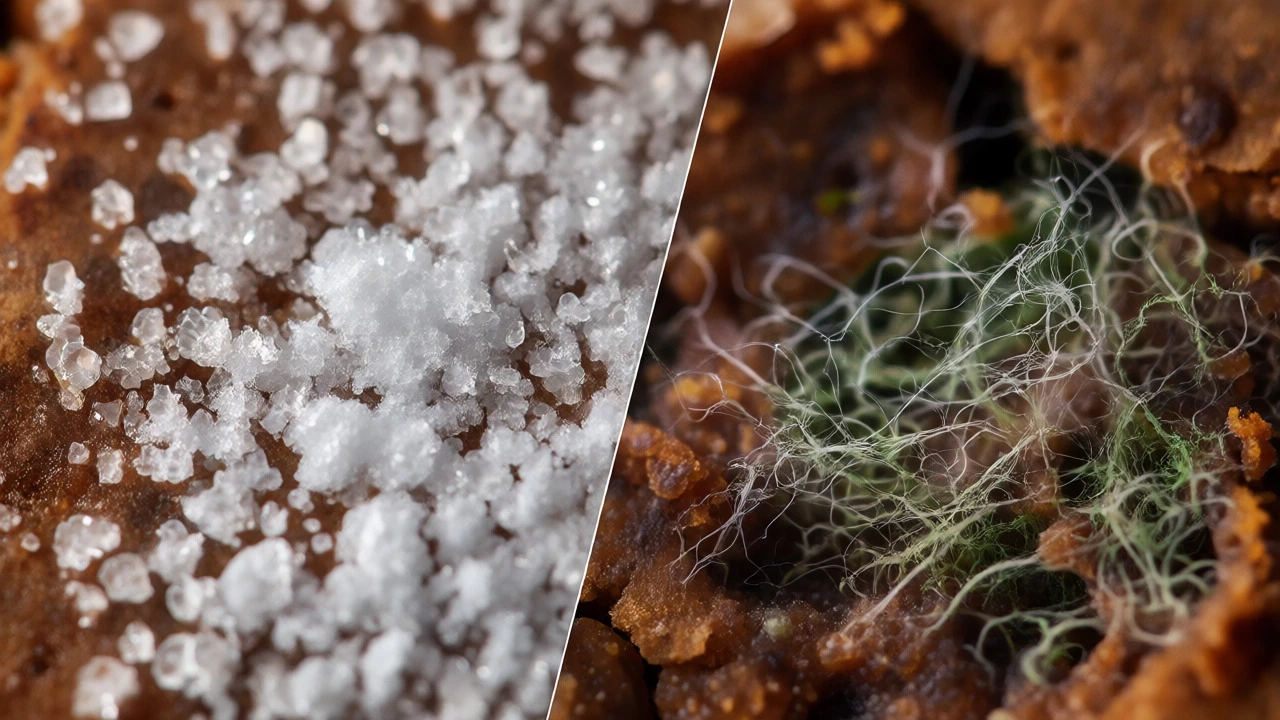
Not every white spot on a brownie is mold. This confusion costs people perfectly good snacks all the time. Here’s how to distinguish between harmless crystallization and actual danger:
- Sugar Bloom (Safe): A white, powdery, or crystalline coating on the surface. It happens when moisture evaporates and sugar migrates to the top. It looks like fine dust or small crystals. The texture might be slightly gritty, but the taste remains sweet. This is common in brownies stored in the fridge without proper wrapping.
- Mold (Unsafe): Fuzzy spots that can be white, green, blue, or black. Unlike sugar bloom, mold often has depth-it looks like tiny hairs or threads growing out of the crumb. It spreads. If you see one fuzzy patch, assume microscopic spores exist throughout the batch.
- Discoloration (Context-Dependent): Darkening around the edges is normal oxidation. However, if the interior turns grayish-green or develops slimy patches, discard it immediately.
Remember: Never pick off the mold and eat the rest. Mycotoxins, the toxic substances produced by molds, can penetrate deep into moist foods like brownies, invisible to the naked eye.
Texture Changes That Signal Trouble
Fresh brownies range from cake-like and fluffy to dense and fudgy. As they age, texture changes predictably-but not always safely. Dryness is natural; staling occurs as starch molecules recrystallize over time. A dry brownie is safe to eat, though less enjoyable. You can revive it with a quick microwave burst with a damp paper towel.
However, sogginess or sliminess is different. If the top feels tacky, wet, or greasy in a way that doesn’t match the original recipe, bacteria may be breaking down the fats and sugars. This is particularly risky for brownies left out at room temperature for more than 48 hours, especially in humid climates like Halifax summers. Slimy textures rarely mean "fresh"; they usually mean "start decomposing."
Shelf Life Breakdown: How Long Do They Last?
Storage method dictates lifespan more than ingredients alone. Here’s a realistic timeline based on standard baking practices and USDA guidelines for perishable baked goods:
| Storage Condition | Plain Chocolate Brownies | Cream Cheese/Fruit Brownies | Frosted/Ganache Topped |
|---|---|---|---|
| Room Temperature (Airtight) | 3-5 Days | 1-2 Days | 2-3 Days |
| Refrigerator (Wrapped) | 7-10 Days | 5-7 Days | 7 Days |
| Freezer (Air-tight Container) | 3-4 Months | 2-3 Months | 2 Months |
Why do cream cheese brownies expire faster? Dairy products introduce moisture and proteins that bacteria love. While the high sugar content in the batter offers some protection, it’s not enough to keep dairy safe beyond two days at room temperature. Always refrigerate cheesecake-style brownies promptly.
Special Cases: Vegan and Gluten-Free Variations
If you’re baking with alternative ingredients, the rules shift slightly. Vegan Brownies often use flax eggs or applesauce instead of traditional eggs. These substitutes can alter moisture retention. Without animal fats, vegan brownies may dry out faster but also spoil slower because they lack dairy. Check for rancidity in nut oils (like almond flour) rather than dairy sourness. If they smell like play-doh or old paint, the fats have gone rancid.
Gluten-Free Brownies frequently rely on almond flour, coconut flour, or starch blends. Almond flour, being high in oil, is prone to going rancid quickly. Even if frozen, gluten-free brownies made with nut flours have a shorter freezer life-aim for 2 months max. If you notice a bitter, metallic aftertaste, the fats have oxidized. It’s not dangerous, but it tastes terrible.
Proper Storage Techniques to Extend Freshness
Most spoilage happens due to poor storage, not inherent shelf-life limits. Here’s how to maximize freshness:
- Cool Completely: Never seal warm brownies. Trapped steam creates condensation, creating a perfect environment for mold. Wait until they reach room temperature.
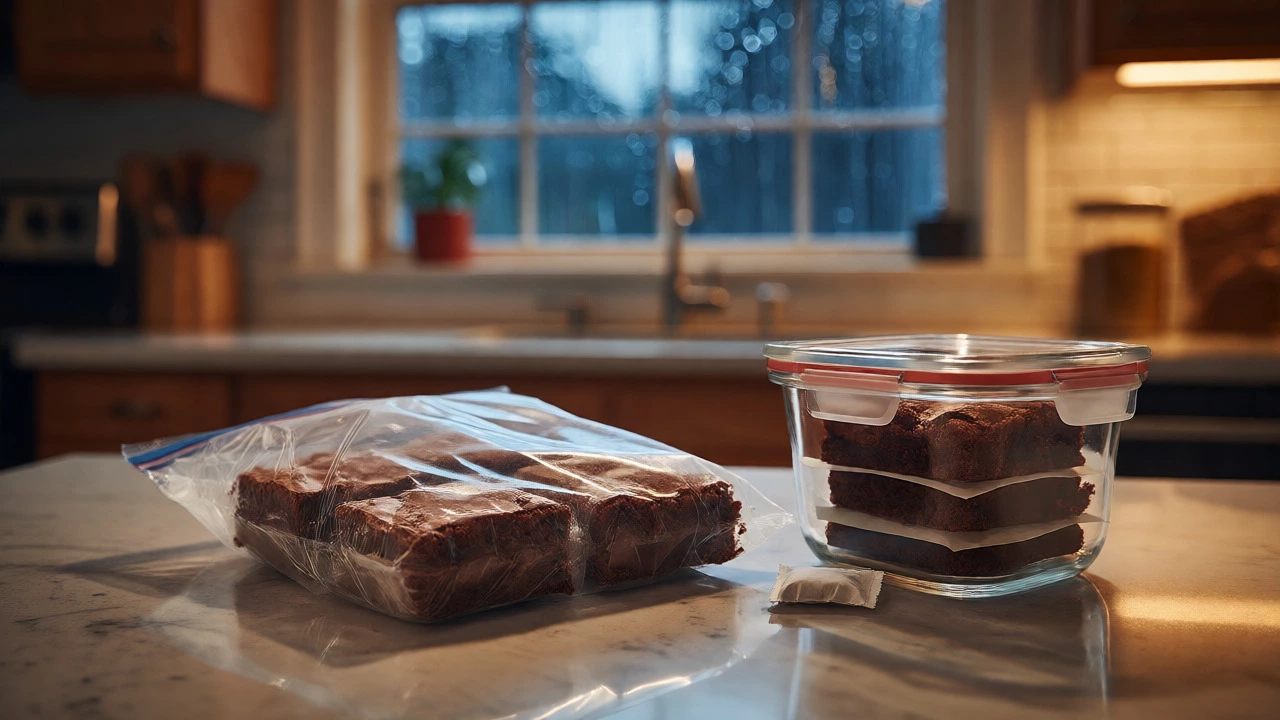
- Air-Tight is Key: Use glass containers with rubber seals or heavy-duty plastic bags with all air squeezed out. Aluminum foil alone lets air seep in, drying them out.
- Layering: If stacking, place parchment paper between layers to prevent sticking and tearing.
- Fridge vs. Freezer: For short-term (under a week), the fridge works but can dry out texture. For long-term, freeze individual squares. Wrap each piece tightly in plastic wrap, then place in a freezer bag. Thaw overnight in the fridge or at room temperature for an hour.
In my kitchen here in Halifax, humidity plays a huge role. During damp months, I always add a silica gel packet to the container if storing at room temperature, or simply move everything to the fridge earlier than usual.
When in Doubt, Throw It Out
Food poisoning from spoiled baked goods isn’t usually life-threatening, but it’s miserable. Symptoms like nausea, vomiting, or diarrhea can ruin your day. The cost of throwing away a $5 pan of brownies is far less than the discomfort of foodborne illness.
Don’t gamble on ambiguous cases. If the smell is weird, the texture is slimy, or you see any fuzz, bin it. Better safe than sorry. And next time, consider freezing half the batch immediately after baking-you’ll thank yourself when you want a fresh-treat later without the risk.
Can I eat brownies if they are hard?
Yes, hardness usually indicates staleness, not spoilage. Starches recrystallize over time, making the crumb firm. You can soften them by microwaving with a damp paper towel for 10-15 seconds or placing them in a sealed container with a slice of bread overnight.
Do brownies need to be refrigerated?
Plain chocolate brownies do not require refrigeration and are best kept at room temperature in an airtight container for up to 5 days. Refrigeration can dry them out. However, brownies containing cream cheese, custard, or fresh fruit must be refrigerated within 2 hours of baking.
What does rancid brownie taste like?
Rancidity affects fats, such as butter or nut oils. Rancid brownies taste bitter, metallic, or like old crayons/play-doh. The smell might resemble varnish or cardboard. While eating rancid food isn't immediately toxic, it ruins the flavor and reduces nutritional value.
Is white stuff on brownies always mold?
No. White powder or crystals are likely sugar bloom, caused by moisture loss and sugar migration. It is safe to eat. Mold appears fuzzy, grows in patches, and may be green, blue, or black. If it wipes off easily and tastes sweet, it's likely sugar; if it looks hairy, it's mold.
How long do brownies last in the freezer?
Properly wrapped brownies maintain quality for 3 to 4 months in the freezer. After this period, they remain safe to eat but suffer from freezer burn, leading to dry, tough textures and off-flavors. Label containers with the date to track storage time.