Ever taken a bite of a cake and thought, This is good, but it’s missing something? Maybe it’s not the flavor-it’s the texture. Cream, frosting, whipped topping, glaze-these are the things we usually associate with cake. But what if you strip all that away? What’s left? Is it still a cake? And more importantly, what do you call it?
The short answer: a cake without cream is often called a sponge cake. But that’s not the whole story. There are several types of plain cakes, each with its own history, texture, and purpose. And understanding them changes how you bake, serve, and even think about cake.
What Exactly Is a Sponge Cake?
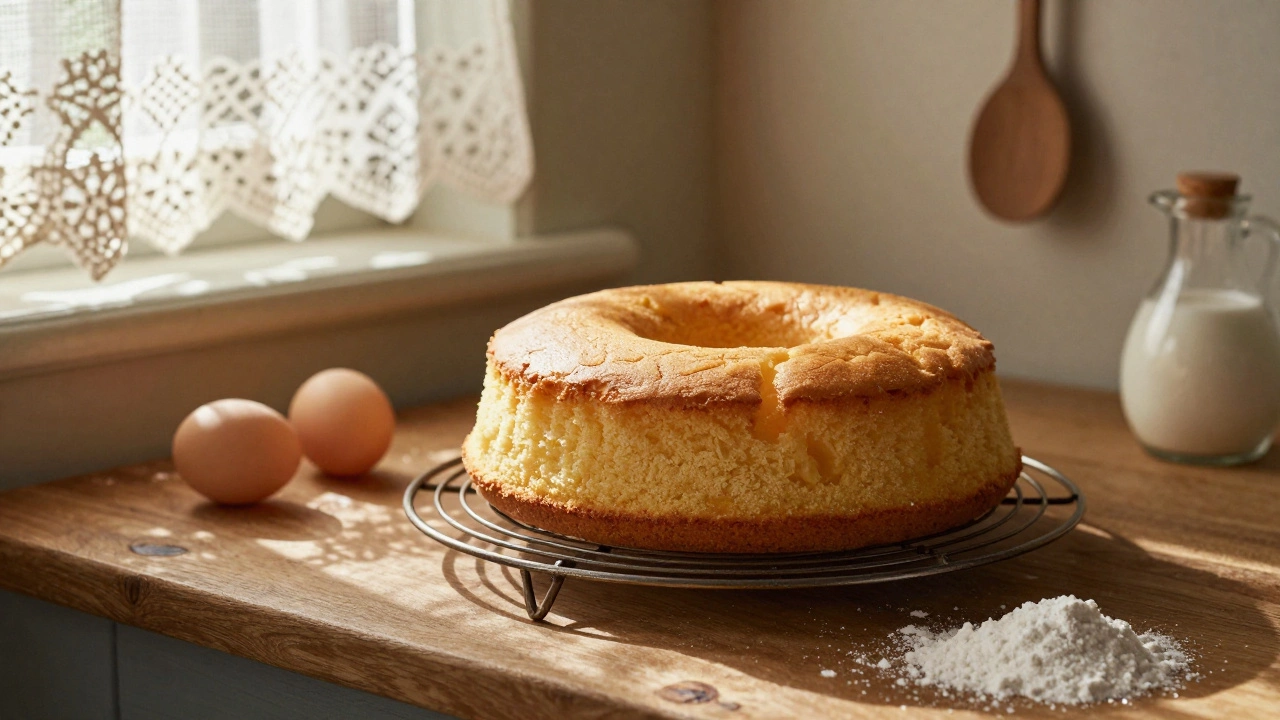
A sponge cake is the original cake. Before frosting, before fillings, before layers-there was just flour, eggs, sugar, and air. No butter. No oil. No cream. Just eggs beaten until they’re light as clouds, sugar to sweeten, and flour folded in gently so the structure holds. The magic? The eggs trap air when whipped, and that air expands in the oven. No chemical leaveners needed.
This is the cake that started it all. In 18th-century England, bakers discovered that whipping egg whites separately and folding them into batter gave a cake that rose higher and stayed tender. The name came from its texture-light, porous, and spongy. Today, sponge cakes are still the base for classics like Victoria sponge, tiramisu, and even some layered birthday cakes. But they’re rarely served plain. Why? Because they’re dry. Not bad. Just… plain.
Butter Cake: The Middle Ground
If sponge cake is the minimalist, butter cake is the comfort food. It has fat-usually butter or oil-but no cream topping. The fat coats the flour proteins, making the crumb tender and moist without needing frosting. Think of a classic yellow cake from a box. Or the simple pound cake your grandma baked on Sundays.
Unlike sponge cake, butter cake relies on chemical leaveners like baking powder. It’s denser, richer, and holds up better to slicing. You don’t need whipped cream on it. A dusting of powdered sugar? Perfect. A smear of jam? Even better. It’s the cake you eat with coffee, not at a birthday party. And yes-it’s still a cake without cream.
Why Do People Skip the Cream?
Not everyone wants a sugary cloud on top of their cake. Sometimes, simplicity is the point.
- Some diets cut sugar. A plain cake lets you control the sweetness.
- Others want to highlight the flavor of the cake itself-vanilla bean, citrus zest, or dark cocoa.
- And in many cultures, cakes are served plain. In Italy, a pan di spagna is often brushed with syrup and layered with fruit, not cream. In Japan, a castella is a sponge cake eaten as-is, sometimes with a sprinkle of matcha.
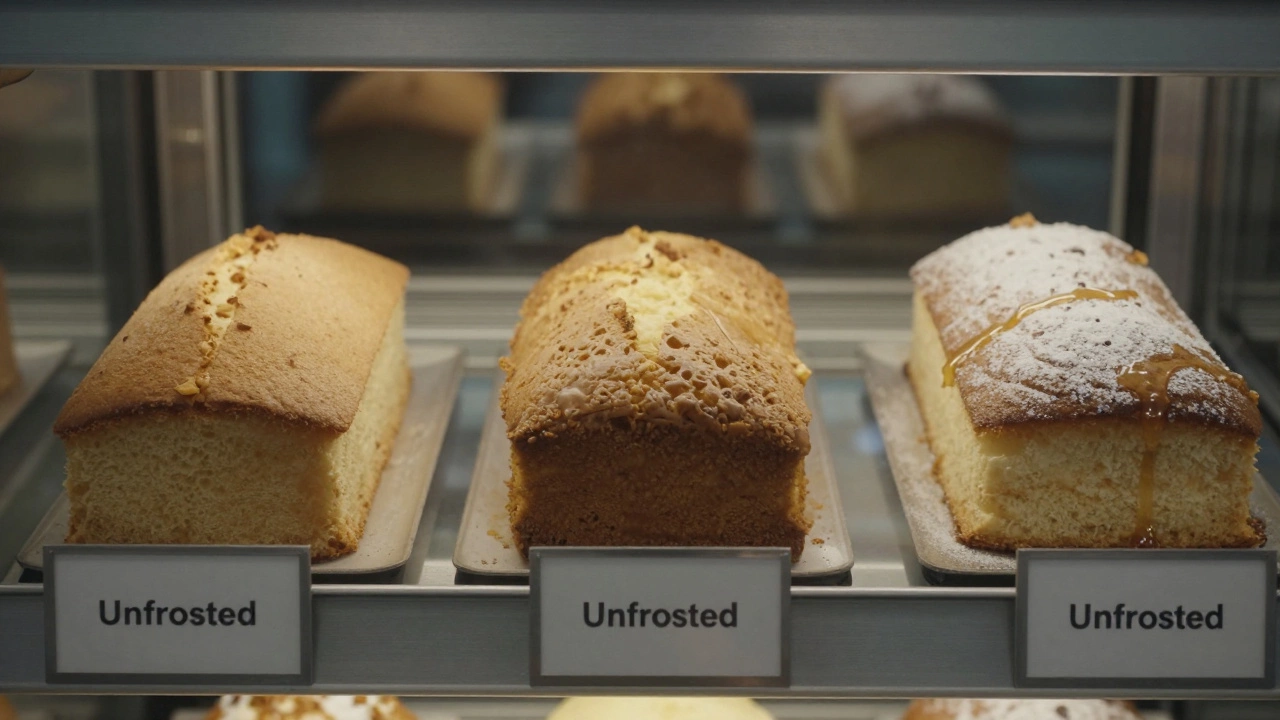
Even in North America, you’ll find plain cakes at bakeries labeled "basic" or "unfrosted." They’re cheaper. They last longer. And for some, they’re the only kind that feels like real cake.
What About Other Plain Cake Types?
Sponge and butter cakes are the most common, but there are others:
- Angel food cake: Made with only egg whites, sugar, and flour. No yolks. No butter. It’s the lightest cake you can make-almost like eating air.
- Genoise: A French sponge cake with whole eggs and a little butter melted in. It’s the base for many European layer cakes, often soaked in syrup instead of covered in cream.
- Quince cake: A traditional Eastern European cake made with ground nuts and no flour. Often served plain, sometimes with a dusting of cinnamon.
Each of these has its own name, its own texture, and its own cultural roots. But they all share one thing: no cream. No frosting. No glaze. Just the cake.
When You Should Choose a Cake Without Cream
Here’s when a plain cake makes sense:
- You’re making a layered cake and want the filling to be fruit, custard, or chocolate ganache-not whipped cream.
- You’re baking for someone with dairy allergies. Cream isn’t just topping-it’s often in the filling too.
- You’re meal-prepping. A plain cake stays fresh for days. Frosted cakes? They dry out or get soggy.
- You’re serving it with tea, coffee, or wine. The cake should be the star, not the decoration.
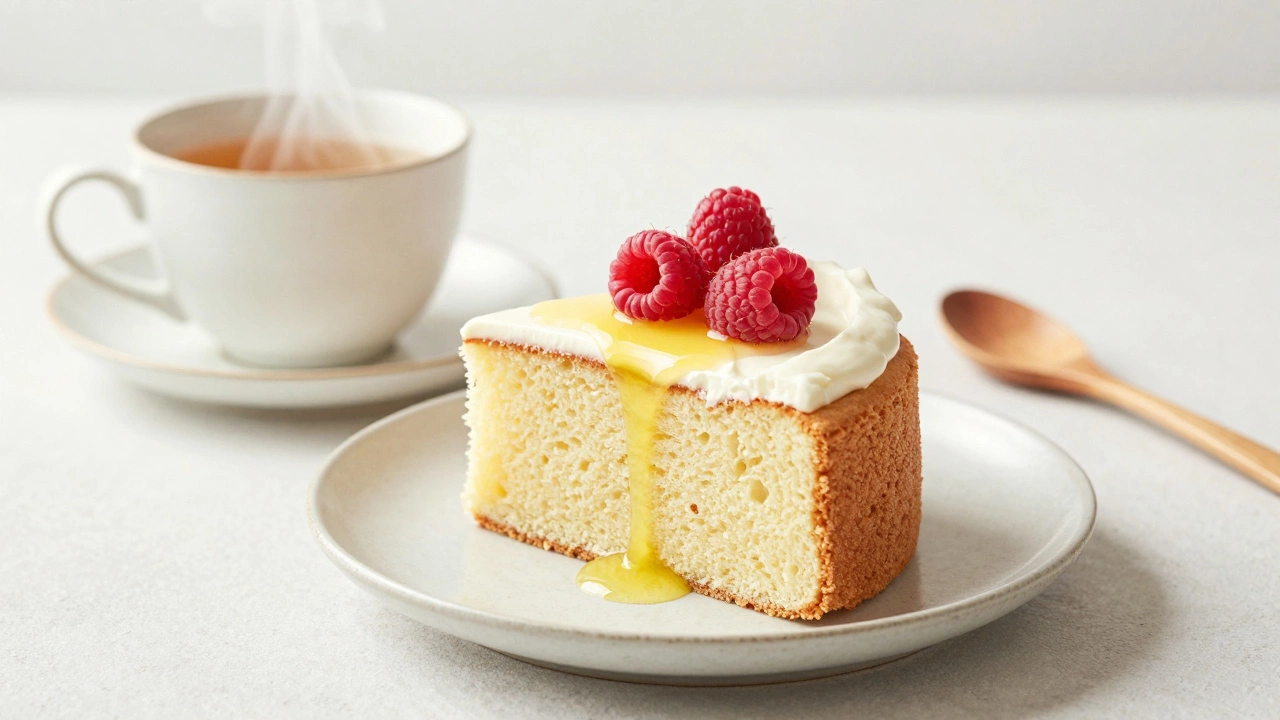
And if you’re baking at home? Try this: bake a basic sponge cake. Let it cool. Brush the top with a little lemon syrup. Slice it. Eat it with fresh berries. No cream. No sugar dust. Just the cake, and the fruit. You’ll taste how much flavor is hiding under the frosting.
Common Misconceptions
People often think "plain cake" means "boring cake." It doesn’t. It means focused cake. A sponge cake with vanilla bean specks, a butter cake with orange zest, a genoise brushed with honey-these aren’t empty. They’re intentional.
Another myth: "If it’s not frosted, it’s not a real cake." That’s not true. A wedding cake might have seven layers of sponge, soaked in syrup, filled with raspberry compote, and covered in fondant. The cream? None. But it’s still a cake.
And let’s not forget: many cakes are designed to be eaten plain. A German Käsekuchen (cheesecake) is often served without topping. A French tarte au citron has a shortbread crust and lemon filling-no cream needed.
How to Bake a Simple Cake Without Cream
You don’t need a fancy recipe. Here’s a foolproof basic sponge cake:
- Preheat oven to 350°F (175°C). Grease a 9-inch round pan.
- Whisk 4 large eggs and 3/4 cup sugar until pale and thick, about 8 minutes.
- Fold in 1 cup all-purpose flour gently-don’t stir, just fold.
- Add 1 tsp vanilla extract and a pinch of salt.
- Pour into pan. Bake 25-30 minutes until golden and springs back when touched.
- Cool completely. Brush with simple syrup (equal parts sugar and water, heated until dissolved).
That’s it. No butter. No cream. Just cake. Serve it with fresh strawberries, a dollop of yogurt, or nothing at all.
Final Thought: Cake Is More Than Decoration
Cream, frosting, ganache-they’re all additions. The cake itself? That’s the foundation. The soul. The reason we bake.
When you strip away the toppings, you’re left with what matters: texture, aroma, the way the crumb pulls apart, the quiet sweetness of sugar and egg and flour coming together. That’s the real cake. The rest? Just the party.