Portugal Cheese Translator & Tiramisu Guide
Name Translator
Find the correct name for your ingredients when shopping in Lisbon or Rio.
-
...
-
...
Mascarpone Mixer
Can't find Mascarpone? Create a substitute using this ratio (Equal Parts).
Your Mix Recipe:
- Cream Cheese: 0g
- Crème Fraîche: 0g
The Critical Mistake Check
I am making Tiramisu. Can I use Mozzarella instead of Mascarpone?
ABSOLUTELY NOT!
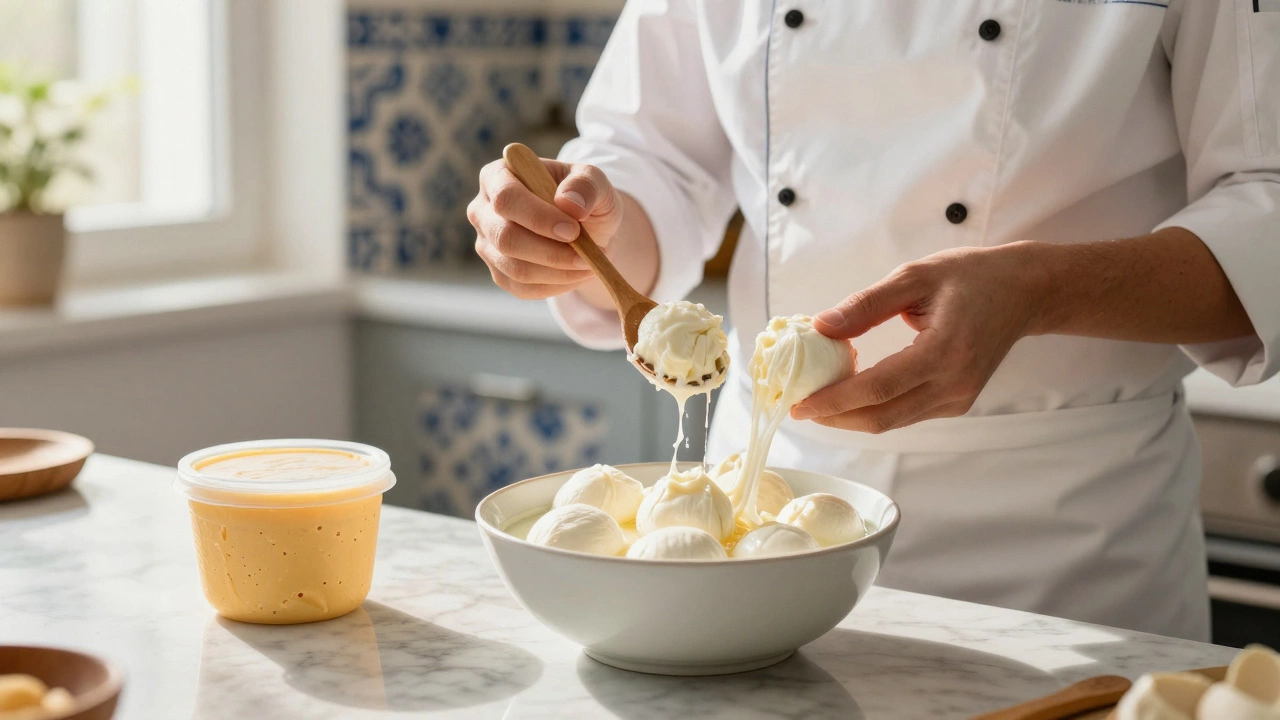
Mozzarella is elastic and stretches when heated/cooked.
Mascarpone is rich and creamy.
Using Mozzarella will result in a rubbery, salty mess that ruins the dessert.
The Confusing World of Cheese Names
You might be standing in a kitchen in Lisbon, staring at a recipe card that demands Mozzarella is a fresh Italian cheese made from cow's milk water buffalo. You ask the shopkeeper, "Where is the Mozzarella?" They look at you blankly. Meanwhile, your goal is to make Tiramisu is an Italian coffee-flavoured dessert. This creates a classic culinary headache. The short answer is simple, but the long answer involves understanding why your recipe book might be lying to you about what cheese actually belongs in your cake.
In Portugal, you will hear the word pronounced slightly differently, often spelled as "Mozarela" without the second 's'. However, here is the twist that trips up almost every home baker. You do not use Mozzarella in Tiramisu. That is a critical mistake. The confusion comes from searching for ingredients online, mixing up terms between Brazil and Portugal, and assuming all white soft cheeses are interchangeable. Let us unpack exactly what cheese is used, how it is named, and where to find the real deal in Portuguese markets.
Spelling and Pronunciation Differences
Language barriers are the first hurdle. When traveling between Brazil and Portugal, the same foods often get renamed. In Brazilian Portuguese, you spell it "Mussarela." In European Portuguese, the standard spelling shifts to "Queijo Mozarela." The pronunciation also changes. Brazilians often stretch out the middle vowels, while Portuguese speakers tend to shorten them.
If you walk into a grocery store in Lisbon, such as Pingo Doce or Continente, searching for "Mussarela" might yield results, but you are more likely to find it under simply "Mozarela." Some varieties include specific designations like "Branca" (white) or "Fiordilatte." Despite these minor orthographic differences, the product remains largely the same across the border. It is a mild, semi-soft cheese. However, knowing this distinction prevents awkward pauses at the checkout counter. It helps you sound like you know what you are buying rather than a tourist lost in translation.
Beyond spelling, there is a massive difference in availability. While Mozzarella balls are sold in many places, finding specific textures can be tricky. Fresh Mozzarella in large tubs of whey water is less common in smaller local shops compared to Italy. It appears more frequently in larger chain supermarkets that cater to international expats. For the average resident, sliced Mozzarella intended for pizza is much easier to locate than the ball variety needed for salads.
The Tiramisu Cheese Misconception
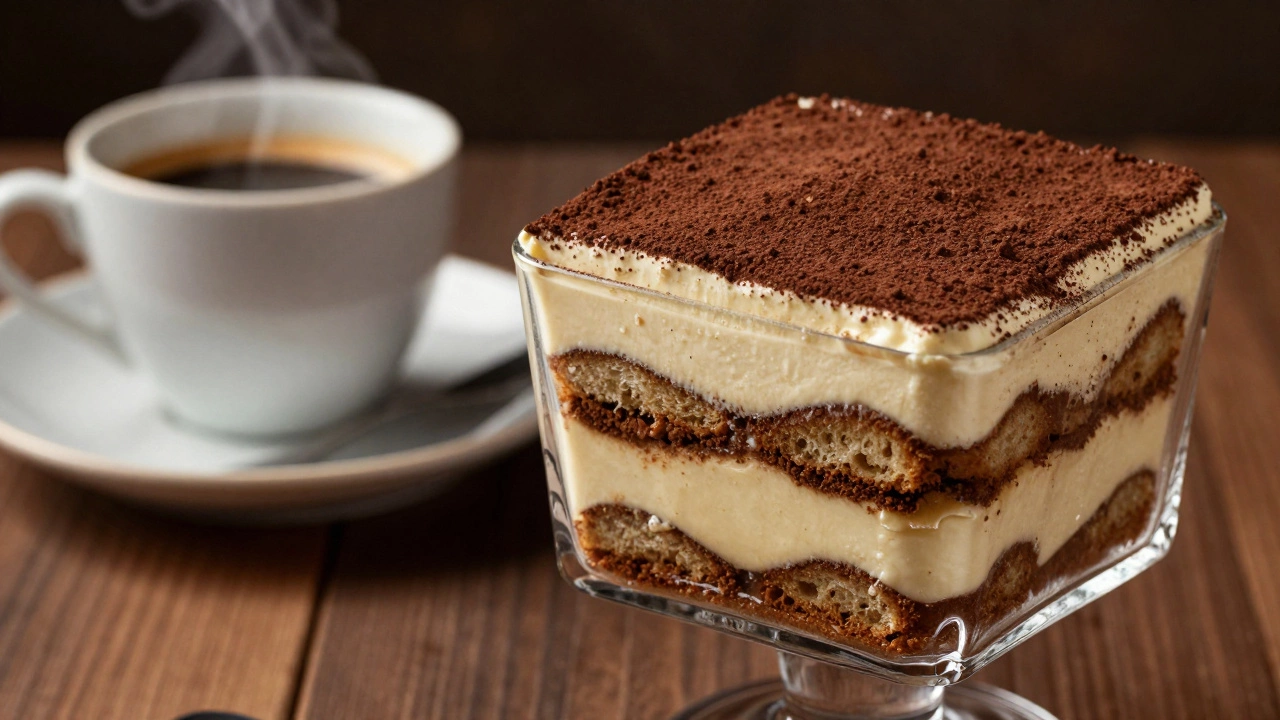
This brings us to the heart of the matter. Why were you asking about Mozzarella in relation to Tiramisu? There is a persistent myth that these two items belong together. The truth is, traditional Tiramisu relies exclusively on Mascarpone is a high-fat creamy cheese originating from Lombardy.. Using Mozzarella instead ruins the structural integrity of the dessert completely. Mozzarella stretches; Mascarpone melts smoothly.
Mascarpone is the defining creaminess of the dish. It provides the rich texture that soaks up the espresso and cocoa powder. If you substitute Mozzarella, you get a rubbery, salty mess that lacks sweetness and depth. In Portugal, the situation with Mascarpone can be frustrating. It is not always stocked as prominently as in Italy. You will often see it labeled simply as "Mascarpone," but sometimes it sits in the refrigerated dairy section mixed with heavy creams.
Some Portuguese recipes adapt the original Italian version. Local adaptations might use "Requeijão," a Brazilian-inspired spreadable cheese often found in Portuguese supermarkets due to the close trade ties between Lusophone countries. Requeijão is softer and saltier than Mascarpone, altering the flavor profile. If you want authentic results, sticking to imported Mascarpone is the safest route. It costs more, but the payoff in taste is significant.
| Cheese Type | Name in Portugal | Name in Brazil | Primary Use | Texture |
|---|---|---|---|---|
| Mozzarella | Mozarela | Mussarela | Pizza, Pasta | Elastic, Mild |
| Mascarpone | Mascarpone | Mascarpone | Tiramisu | Creamy, Rich |
| Ricotta | Ricota | Ricota | Cannoli, Lasagna | Grainy, Soft |
| Cottage Cheese | Leite Coalhado | Coalho | Breakfast, Snacks | Chunky, Wet |
Shopping for Ingredients in Lisbon
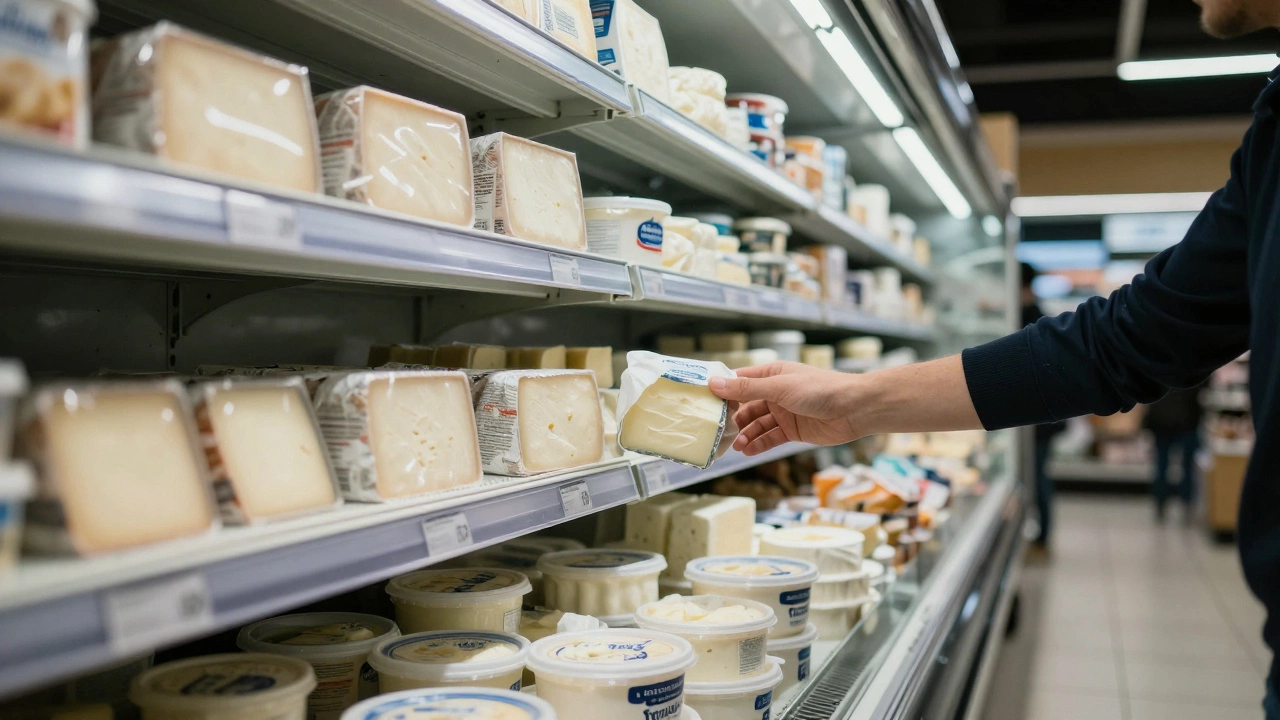
Let us talk logistics. Where do you actually buy these items? If you are planning to host a dinner party featuring this dessert, you need to hit the right stores. Large hypermarkets are your best bet. Pingo Doce and Continente carry the most reliable stock of import goods. Look for the dedicated international aisle where Italian products sit. Brands like Galbani or Valsoia are common sighted brands.
Local "Mercados" or open-air markets often have vendors who know their stock well. If you cannot find packaged Mascarpone, speak directly to the dairy vendor. Ask for "Cream Cheese de Alta Gorda" (high fat cream cheese) if Mascarpone is unavailable, but verify the fat content. Standard American Cream Cheese works as a pinch-of-nose substitute in emergencies, but it is tangier and firmer. Mixing equal parts Crème Fraiche and Cream Cheese helps mimic the mouthfeel of Mascarpone better than using Mozzarella ever could.
Online grocery delivery services like El Corte Inglés or specialized gourmet importers operate in Lisbon and Porto. These platforms are increasingly popular among younger residents who value convenience. Delivery apps allow you to filter by brand and read reviews from other customers who know their way around Portuguese produce. This reduces the risk of buying a substitute product that does not perform well in baking.
Understanding Cheese Substitutions
Why do substitutions happen in the first place? Often, it is due to price and scarcity. Imported Mascarpone can be pricey in Portugal compared to local options. When cost becomes a barrier, bakers look for alternatives. Ricotta is another common option for lighter versions of Tiramisu. It adds a grainy texture that contrasts nicely with ladyfingers, but you lose the signature silkiness.
Certain artisanal producers in the Algarve region start crafting their own versions of Italian-style cheeses. Small farms near Tavira or Faro offer higher quality dairy products. Visiting these producers directly ensures freshness and supports local agriculture. They might label their products differently, so reading the ingredient list for "cream cheese" or "fresh curd" is necessary.
Do not forget the importance of milk fat content. The richness of the final dessert depends heavily on the fat percentage of the base cheese. High fat means better stability when mixed with eggs and sugar. Low fat alternatives often separate during mixing, causing your layers to slide down the side of the glass. Checking the nutrition label for at least 40% fat content is a good rule of thumb when shopping locally.
Historical Context of Naming
To fully understand the naming conventions, we must look back at trade history. During the Age of Discovery, Portugal connected heavily with South America. The migration patterns between Portugal and Brazil created a shared linguistic landscape but divergent dialect evolution. Words evolved separately after the split centuries ago.
"Mozzarella" originates from the verb "mozzare," meaning "to cut." The cheese gets its name from the pulling or stretching of the dough before shaping. This etymology remains consistent across both nations, but the pronunciation drift occurred over time. In Portugal, influences from French and Spanish also shaped vocabulary. This explains why "Mozarela" sounds closer to the French "Mozzarella" spelling while Brazil retained a unique phonetic evolution.
Understanding this history clarifies why a Google search might return conflicting information. Algorithms pick up on data from both sides of the Atlantic simultaneously. A recipe blog written in Brazilian Portuguese uses "Mussarela" keywords. A Portuguese site uses "Mozarela." If you search in English, the system tries to bridge the gap. Knowing the origin helps you filter search results effectively when hunting for recipes online.
Practical Tips for Baking Success
Once you have sourced the correct cheese, handling it correctly matters. Temperature control plays a huge role. Cold cheese straight from the fridge behaves differently than room temperature cheese. Mascarpone should be cold to whip properly but warm enough to blend without clumping. Mozzarella, on the other hand, performs best when warm for melting purposes.
- Check expiration dates carefully on imported goods; humidity affects shelf life significantly in southern climates.
- Store opened cheese in the original container or wrap tightly in plastic to avoid absorbing strong odors from the refrigerator.
- If buying fresh Mozzarella, drain the liquid before use to prevent your dish from becoming soupy.
- For Tiramisu assembly, layer gently to avoid crushing the sponge cakes.
- Taste the cream mixture before folding in the egg yolks to adjust sweetness levels.
Future Trends in Portuguese Culinary Scene
The culinary landscape in Portugal continues to evolve. Chefs are experimenting with fusing traditional recipes with modern techniques. You might see fusion desserts appearing on menus in Oporto that combine classic Tiramisu layers with local sweet pastries. This blending of cultures introduces new expectations for ingredient names and sources.
Sustainability is also influencing choices. Locally sourced dairy is gaining popularity over imported variants. Chefs aim to reduce carbon footprints by supporting national producers. This movement encourages innovation in making locally produced Mascarpone-style creams. Keep an eye on farm labels next time you browse the dairy section. The industry shifts toward fresher, regional products might eventually make the search for specific Italian names obsolete.
Is Mozzarella the same as Mascarpone?
No, they are completely different cheeses. Mozzarella is firm and elastic, suitable for pizza. Mascarpone is creamy and high-fat, essential for Tiramisu.
What is the Portuguese word for Mozzarella?
In Portugal, it is typically spelled "Mozarela" rather than the Brazilian "Mussarela." Both refer to the same dairy product.
Can I find Mascarpone in regular supermarkets?
Yes, large chains like Continente and Pingo Doce usually stock it in the international cheese or dessert sections.
Is Requeijão a good substitute for Mascarpone?
It can work in a pinch, but it has a saltier profile. For authenticity, stick to true Mascarpone if possible.
Does the spelling change affect the taste?
No, spelling differences do not change the cheese itself. They are purely linguistic variations between regions.