Cookie Texture Calculator
Texture Prediction
Enter values to see texture predictions.
Science note: 70% white sugar and 30% brown sugar creates the ideal balance of crisp edges and chewy centers (as explained in the article).
Good cookies don’t happen by accident. They’re not just about following a recipe. The difference between a flat, greasy mess and a crisp-edged, chewy-centered cookie comes down to a few key choices-ones most bakers overlook. You’ve probably tried the same recipe over and over, wondering why yours never turn out like the ones in magazines. The secret isn’t a magic ingredient. It’s understanding how each component behaves.
Butter Temperature Matters More Than You Think
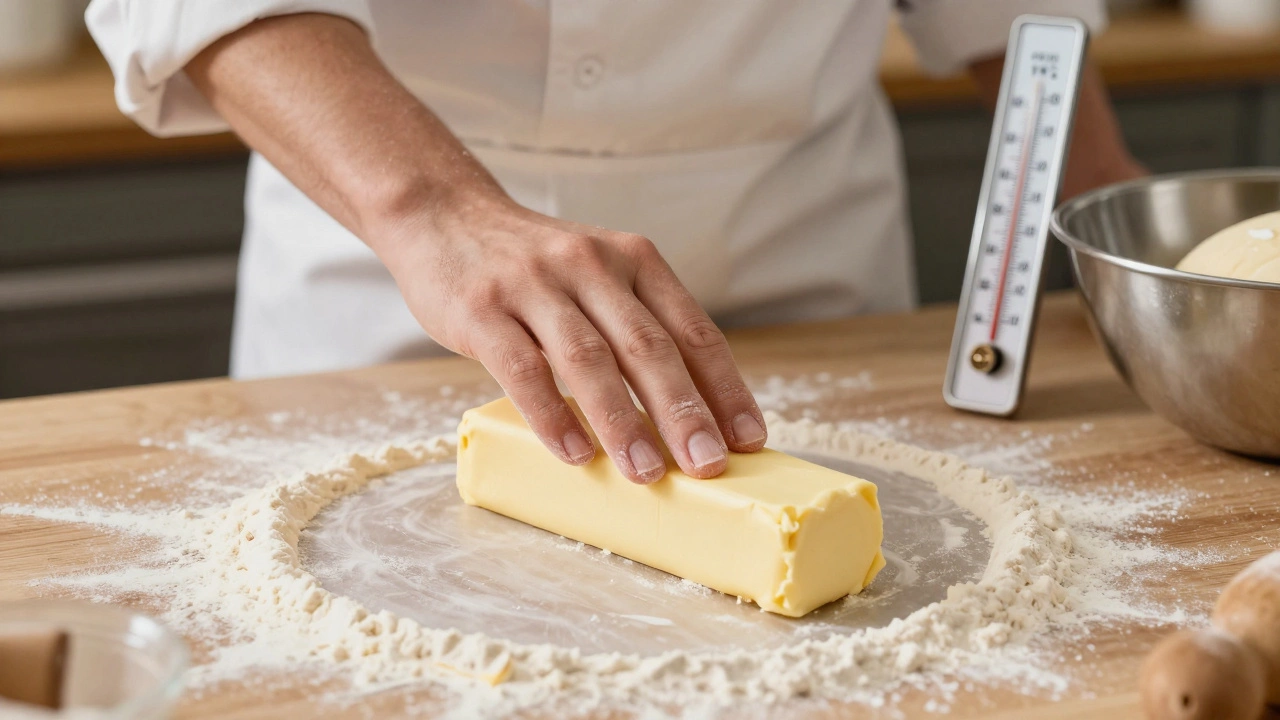
Most cookie recipes say "use softened butter." But what does that actually mean? Softened isn’t melted. It isn’t room temperature butter that’s been sitting out for hours. It’s butter that’s cool to the touch but yields slightly under gentle pressure-around 65°F (18°C). Butter that’s too warm melts too fast in the oven, spreading your dough into a thin pancake. Butter that’s too cold doesn’t cream properly with sugar, leaving your cookies dense and gritty.
Real test: press your finger into the butter. If it leaves a deep dent, it’s too soft. If it doesn’t give at all, it’s too hard. The sweet spot? A light imprint that springs back slowly. This gives you the air pockets needed for lift without causing collapse.
Sugar Isn’t Just Sweet-It’s Structural
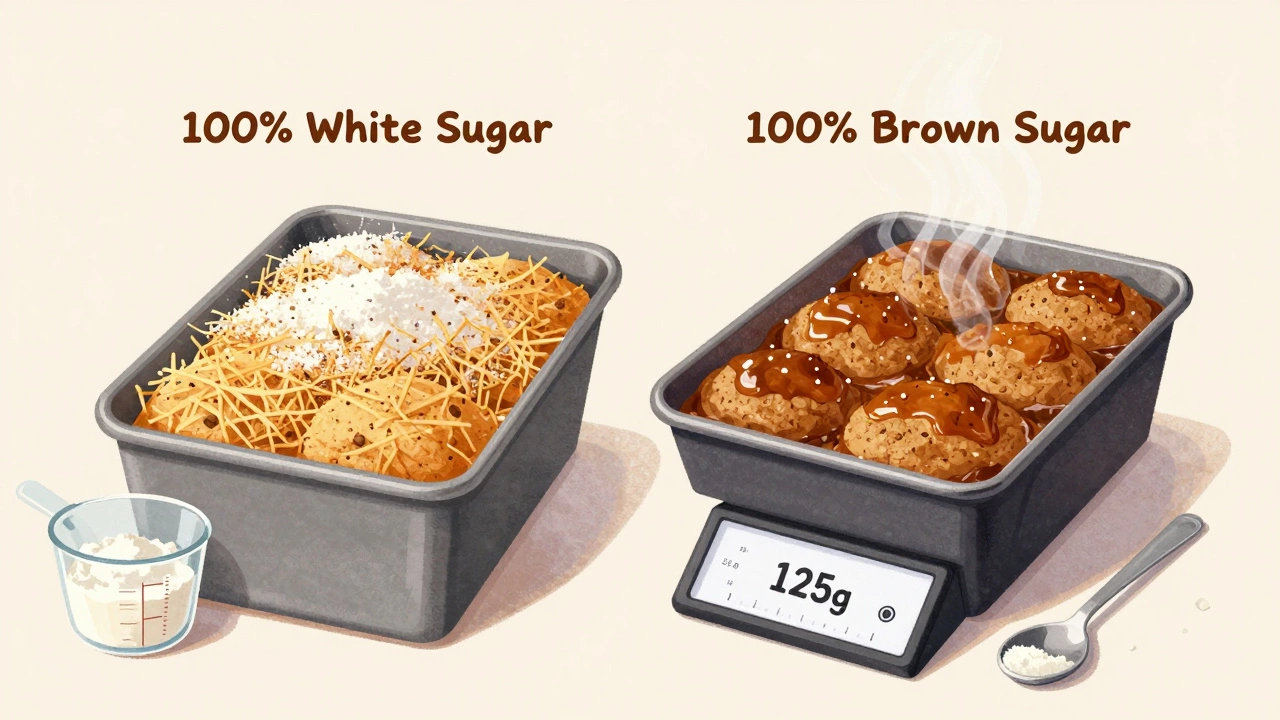
Not all sugars are created equal. White granulated sugar makes cookies crisp and spread more. Brown sugar, because it contains molasses, adds moisture and chew. Most recipes use a mix-70% white, 30% brown. That ratio isn’t arbitrary. It’s the balance that gives you edges that snap and centers that stay soft.
Try this: bake two batches of the same cookie. One with 100% white sugar. One with 100% brown. The white-sugar version will be thin and crunchy. The brown-sugar one will be thick, cakey, and slightly sticky. The magic happens when you combine them. The molasses in brown sugar also reacts with baking soda to create a deeper flavor-like caramelized notes you can’t get from white sugar alone.
Flour Measurement: The #1 Mistake Home Bakers Make
You’ve heard it before: "don’t pack the flour." But most people still do. Scooping a measuring cup directly into the flour bag compresses it. That one cup can weigh up to 6 ounces instead of the standard 4.5. That extra 1.5 ounces of flour? It turns your chewy cookie into a hockey puck.
The right way? Spoon flour into the cup until it mounds above the rim. Then level it with the back of a knife. Or better yet-use a kitchen scale. 125 grams per cup is the gold standard. If your recipe doesn’t list grams, switch to one that does. Precision matters more here than in cake baking. Cookies are less forgiving.
Chilling the Dough Isn’t Optional
Skipping the chill? You’re asking for flat cookies. Chilling does three things: solidifies the butter, hydrates the flour, and lets flavors deepen. A 24-hour chill isn’t overkill-it’s the secret behind bakery-style cookies.
When butter melts slowly in the oven, it releases steam gradually. That steam creates lift and texture. Without chilling, the butter melts too fast, and the dough spreads before the structure sets. You end up with a cookie that’s more like a cracker.
Also, chilling lets the flour absorb moisture evenly. Dry spots disappear. The dough becomes smoother, more cohesive. And the flavor? It mellows. The vanilla, the salt, even the brown sugar-everything blends deeper. Try chilling one batch for 24 hours and bake another right away. You’ll taste the difference.
Don’t Overmix
Once you add the flour, mix just until it disappears. Overmixing develops gluten. Gluten is great in bread. It’s terrible in cookies. Too much mixing = tough, rubbery texture. You want tender. You want crumbly. You want melt-in-your-mouth.
Use a spatula, not a paddle attachment. Fold the flour in gently. Stop as soon as there are no dry streaks. It’s okay if it looks lumpy. It will come together in the oven.
Use the Right Baking Sheet
Dark pans bake faster. Aluminum pans with a light finish are best. Nonstick? Avoid it. It can cause uneven browning and stickiness. Parchment paper? Always. It prevents sticking without adding grease that changes how the dough spreads.
Also, let your baking sheet cool between batches. A hot pan from the last batch will start melting the next one before it even hits the oven. That’s why cookies spread too much on the second and third tray.
Underbake Slightly
Remove cookies from the oven when the edges are golden but the centers still look soft. They’ll firm up as they cool. If you wait until the center looks done, you’ll end up with a dry cookie. The center should jiggle just a little-like set pudding.
Test this: press the center lightly with your finger. If it springs back slowly, it’s perfect. If it leaves a dent, it needs another minute. If it feels firm, it’s overdone.
Quality Ingredients Make the Difference
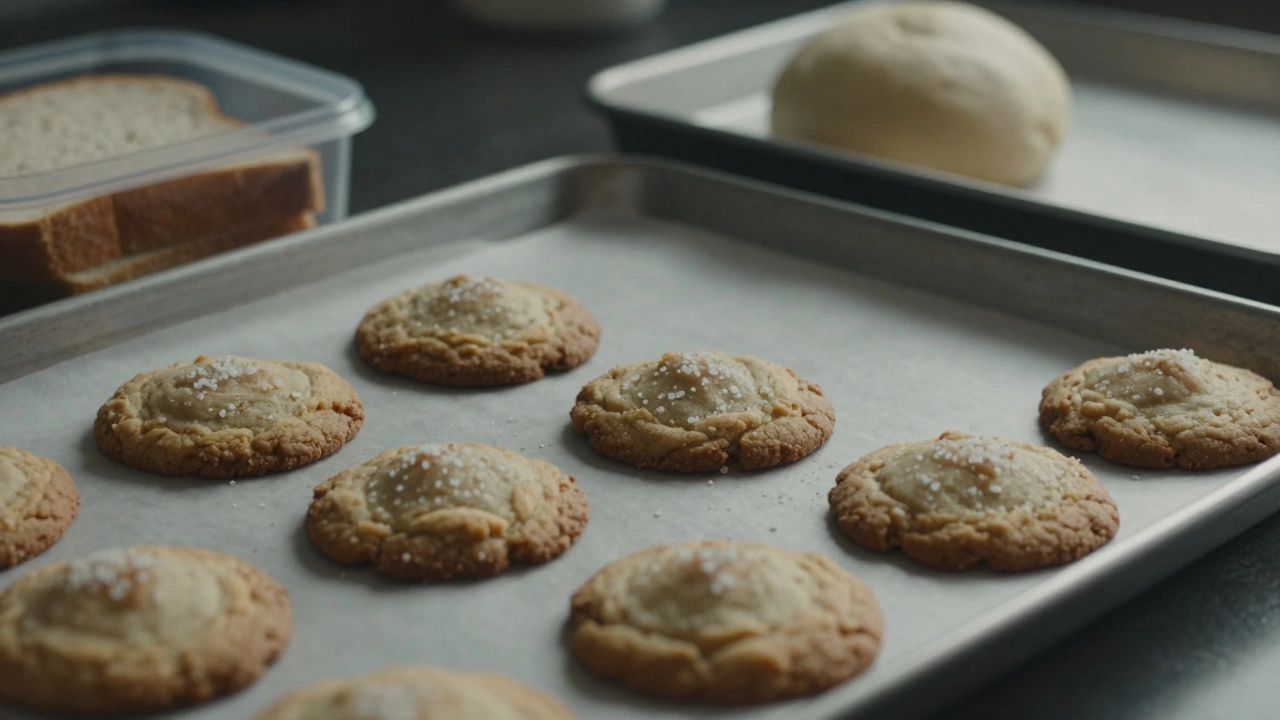
Vanilla extract isn’t just flavor. It’s aroma. Real vanilla bean paste beats imitation every time. Sea salt flakes on top? They burst with flavor and contrast the sweetness. Butter with higher fat content (82% or more) makes for richer, more luxurious cookies.
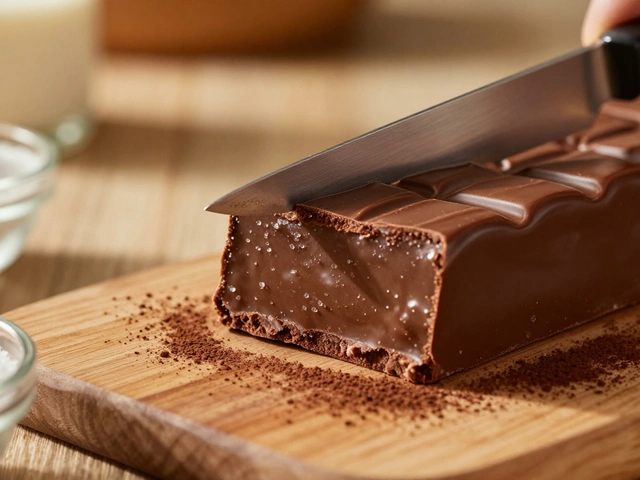
Chocolate chips? Use chopped chocolate instead. Chips are designed not to melt. Chopped bar chocolate melts unevenly, creating pools of gooeyness. Try a mix of dark, milk, and white chocolate for layers of flavor.
Storage Is Part of the Process
Store cookies in an airtight container with a slice of bread. The bread releases moisture, keeping cookies soft. If you want crisp cookies, store them in a paper bag. Don’t refrigerate unless they have cream filling. Fridge air dries them out.
Freeze dough balls instead of baked cookies. Bake them straight from frozen-add 1-2 minutes. You’ll get bakery-fresh cookies anytime without the mess.
Why Your Cookies Still Aren’t Perfect
If you’re still getting flat cookies, check your leavening. Baking soda loses potency after 6 months. Open a new box. Baking powder? Check the expiration date. Old leaveners don’t rise. No lift means no texture.
Also, altitude changes everything. Above 3,000 feet, reduce sugar by 1-2 tablespoons and add 1-2 tablespoons of flour. Less moisture evaporates faster up high, and dough spreads more.
And finally-don’t follow every trend. The viral "12-hour chill" or "1 cup of butter" recipes? They’re gimmicks. Stick to the science. Temperature, ratios, timing. That’s what makes good cookies.