Interactive Cheese Selector
Step 1: What are you making?
Step 2: Desired Result
Select how you want the cheese to behave:
Recommendation Found!
Based on your inputs, we recommend using:
Why this works
Explanation goes here.
Performance Stats
The Kitchen Dilemma: Choosing the Right Melter
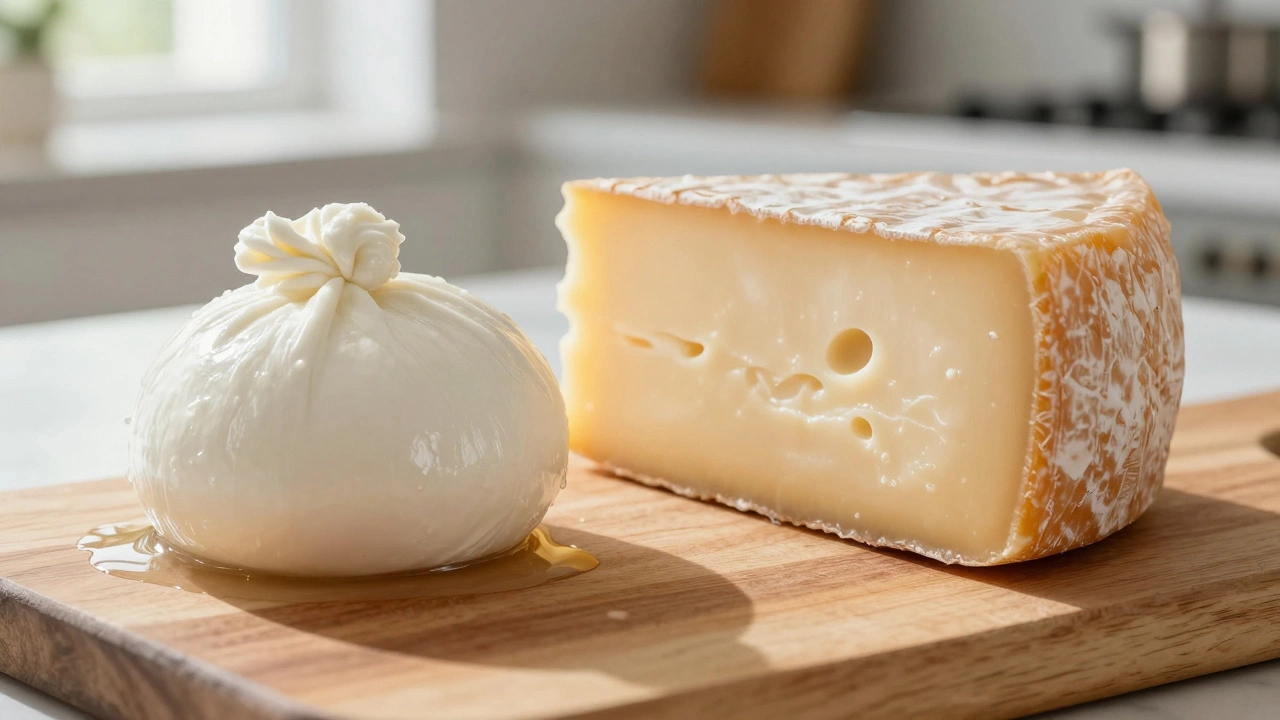
There is nothing quite as disappointing as pulling a pizza or sandwich out of the oven only to find the cheese hasn't flowed together. You want that golden, gooey pull, not a greasy mess where the oil separates from the solid curds. For many home cooks, especially those navigating recipes with South American influences, the choice often comes down to Mozzarella Cheese, a fresh Italian cheese known for high moisture content and elasticity, or Queijo Prato, a semi-hard Brazilian table cheese with a distinct nutty flavor. Both look similar in the package, but their behavior under heat is drastically different.
If you are looking for the ultimate stretch for a pizza, you generally lean toward Mozzarella. However, if you need a cheese that maintains its shape while still becoming soft and creamy, Queijo Prato takes the crown. Understanding why requires digging into the dairy science behind moisture, fat, and protein networks. This breakdown helps you decide which block goes onto your next recipe without ruining the texture.
What Makes Cheese Melt?
Cheese isn't just a random solid; it is a complex emulsion of proteins and fats suspended in water. When you apply heat, the calcium bonds holding the protein network together weaken. Once those bonds break, the fat liquefies and flows through the mesh of proteins, creating that smooth, molten texture we crave.
Protein Structure plays the biggest role here. Casein proteins form the cage that traps the fat globules. If the cage breaks too early or holds on too tight, you get grease separation rather than a smooth melt. The pH level and the amount of moisture dictate how stable that cage remains during cooking. High-moisture cheeses tend to melt faster, while aged, drier cheeses take longer to transform.
The ratio of Milk Fat in the cheese changes the mouthfeel. A higher fat percentage usually translates to a creamier melt, provided the protein structure allows it. However, if the acidity is off, or if the milk was heated differently during processing, the melt quality drops instantly. This is why store-brand cheese sometimes behaves differently than artisanal versions even if they share the same name.
Decoding Queijo Prato vs. Mozzarella
While both are staples in many pantries, they serve different roles when heat is involved. Queijo Prato is often made from cow or sheep milk and undergoes a specific heating process that alters the protein structure compared to traditional fresh Mozzarella.
| Attribute | Mozzarella | Queijo Prato |
|---|---|---|
| Texture | Elastic, Stringy | Semi-Firm, Creamy |
| Melting Speed | Fast | Moderate |
| Oil Separation | Low (when fresh) | Medium |
| Flavor Profile | Mild, Milky | Nutty, Salty |
| Best Used For | Pizza, Calzones | Sandwiches, Melted Toast |
When you put low-moisture part-skim Mozzarella on a pizza, it browns evenly and stretches without turning into a puddle. This is due to its lower water content compared to fresh balls of Mozzarella found in brine. Queijo Prato, on the other hand, is a bit harder. It resists becoming liquid quickly. Instead, it softens into a butter-like consistency. This makes it superior for things like grilled cheese sandwiches where you don't want the cheese running out of the bread edges immediately upon cutting.
The fat content also differs. Mozzarella is typically designed to be neutral so it lets tomato sauce shine. Prato has a stronger salt kick. If your dish needs seasoning from the cheese itself, Prato works better. If you want a blank canvas, stick with Mozzarella. In terms of pure viscosity-that is, the thickness of the liquid state-Mozzarella wins for flow, while Prato wins for stability.
When to Choose Each Cheese
Selecting the right cheese depends heavily on the equipment you are using. An oven reaching 450°F handles high-moisture Mozzarella well, crisping the bottom while melting the top. A stovetop pan, however, heats up much faster and can burn delicate surfaces.
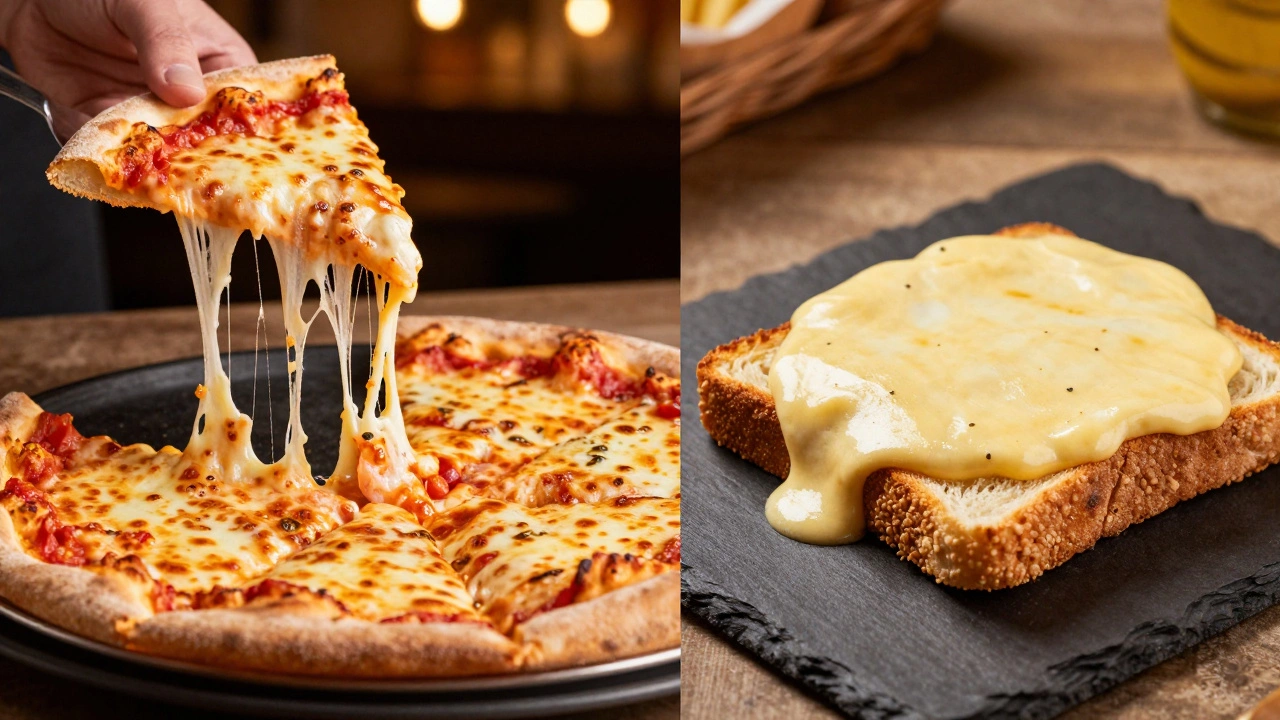
- Use Mozzarella for: Pizzas, casseroles that require a bubbly top layer, and stuffed shells. The elasticity creates that classic "cheese pull" photo effect everyone loves.
- Use Queijo Prato for: Grilled sandwiches, nachos where you want pools of flavor without sliding everywhere, and open-faced toasted dishes. It stands up to direct contact with a hot pan better than fresh Mozzarella.
If you are making a layered lasagna, mixing the two can be interesting. Use Prato between the meat layers for a creamy barrier that prevents the pasta sheets from sticking, and top with Mozzarella for the bubbly finish. This hybrid approach utilizes the structural strength of Prato and the cosmetic appeal of Mozzarella.
Another factor is storage. Fresh Mozzarella spoils rapidly once opened. Pre-shredded versions often contain anti-caking agents like potato starch which interfere with the melt, causing a grainy texture. If you buy pre-shredded, block cheese is always better. Slice or grate it yourself to ensure the natural enzymes haven't been coated in chemicals that repel heat.
Troubleshooting Common Melting Issues
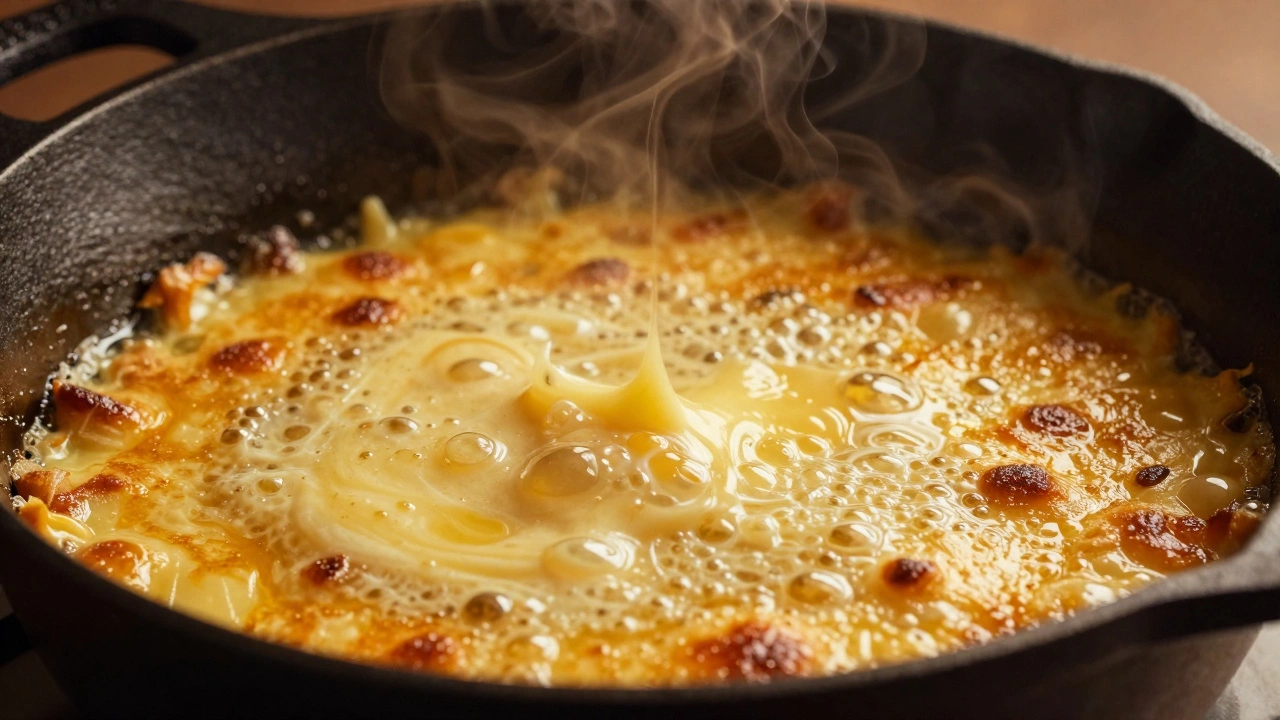
Even the best cheese fails if the temperature is wrong. The most frequent mistake is overheating. If you blast a cheese-heavy dish at maximum heat, the water evaporates too fast, leaving the fat to separate. This results in a greasy film floating on top of dry curds.
To fix this, cover your dish halfway through cooking. Trapping steam keeps the cheese moist and encourages a smoother gelatinous transition rather than immediate hardening. Adding a tablespoon of cornstarch mixed with milk to shredded cheese can also help bind the fat and protein, acting as an insurance policy against separation.
Avoid microwaving if possible. Microwave radiation excites water molecules unevenly, leading to spots that are molten lava while others remain cold rock. Convection ovens are far superior for consistent melting distribution.
Can I substitute Prato for Mozzarella on pizza?
Yes, but expect less stretch and more browning. Prato will brown faster due to slightly less moisture. Grate it finer to prevent large chunks.
Why did my cheese turn rubbery instead of melting?
This happens if the cheese was frozen or stored for too long. Ice crystals damage the protein structure, preventing proper flow. Always thaw slowly in the fridge first.
Does salt affect the melting point?
High salt levels draw moisture out, which can inhibit melting speed. Low-salt versions melt smoother, while salty varieties like Prato may hold their shape longer.
Is low-moisture or full-moisture Mozzarella better for cooking?
Low-moisture is best for baking and grilling as it browns well. Full-moisture is better for salads or fresh toppings that won't see high heat.
Can I use vegetable oil to help cheese melt?
You can add a splash of oil to create an emulsion in the pan, but adding oil to the cheese block won't change its internal melting properties significantly.
Finding the Best Balance for Your Taste
In the end, there is no single winner without knowing your goal. If you care about visual presentation and the iconic cheesy pull, Mozzarella is unbeatable. It provides the sensory experience associated with comfort food globally. Queijo Prato offers a deeper, more complex flavor profile that stands up better in quick-cook methods like pan-frying or broiling where control is key.
The market for artisanal cheeses continues to evolve. By 2026, we see more hybrid products attempting to give the stretch of Mozzarella with the sharpness of Prato. Keep testing small batches of each type in your preferred dish. Small adjustments in quantity can yield big improvements. Sometimes, a blend is the real secret weapon.