Brownie Storage & Flavor Simulator
Select a storage method to see how your brownies evolve:
Counter
Airtight container
Refrigerator
Cold environment
Freezer
Long-term preservation
Texture & Flavor Profile
Texture Result:
Dry crust, gooey center.
Flavor Experience:
Ingredients taste separate; sharp cocoa notes.
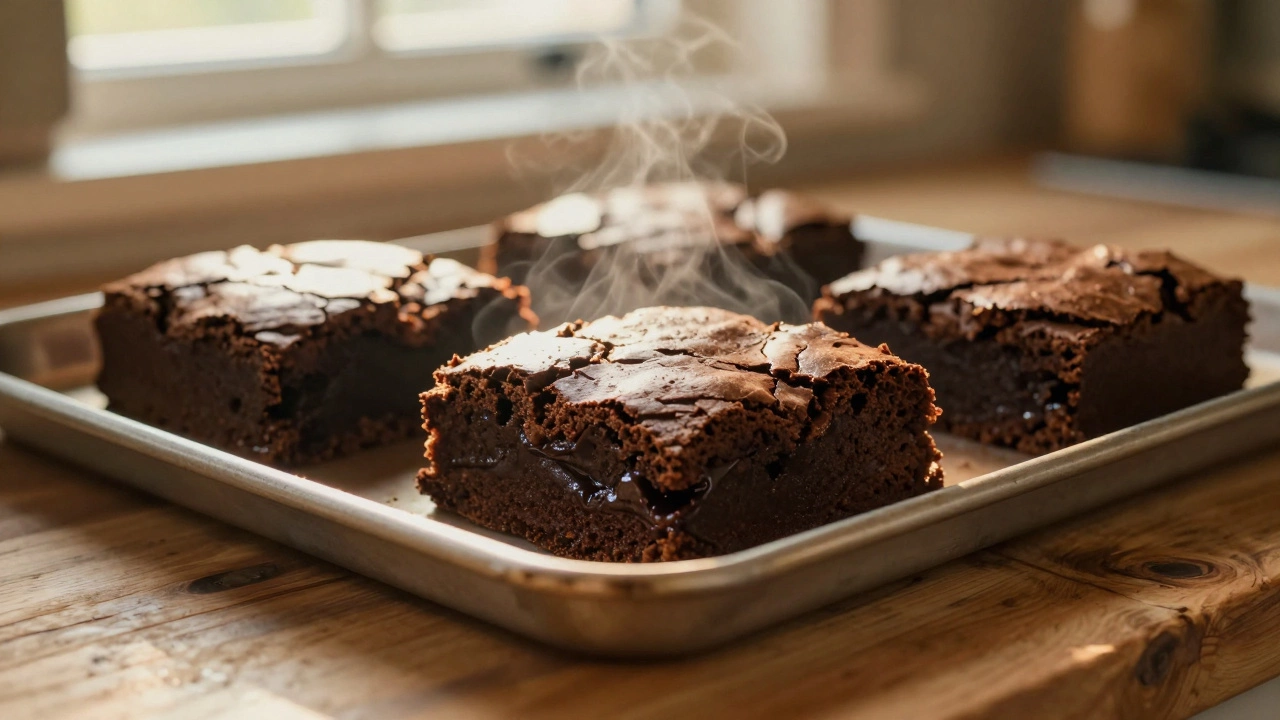
Have you ever pulled a tray of brownies is a dense, fudgy chocolate bar cookie that relies on the balance of fat, sugar, and flour for its texture straight out of the oven, only to find them slightly dry or lacking depth? Then, after letting them sit overnight in the fridge or pantry, they transform into something richer, moister, and infinitely more satisfying. It’s not just your imagination playing tricks on you. This phenomenon is a well-documented reality in baking science, driven by physical changes in moisture distribution and chemical shifts in flavor compounds.
If you’ve ever wondered why patience pays off with these treats, you’re about to discover the mechanics behind this delicious delay. We’ll break down exactly what happens inside that batter as it cools and rests, turning a good bake into a great one.
The Migration of Moisture: From Dry Crust to Fudgy Center
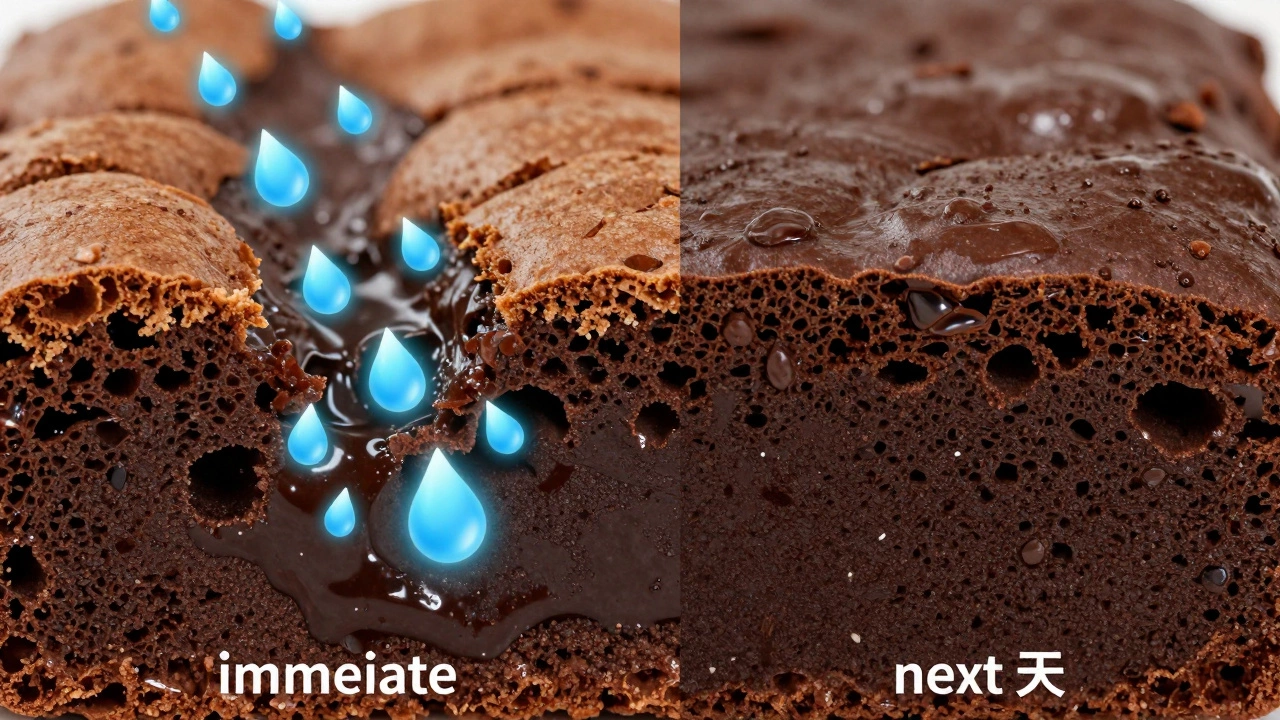
The most immediate reason brownies improve with time is simple physics: water movement. When you pull fresh brownies from the oven, the heat has caused significant evaporation. The outer edges and top crust lose moisture rapidly to the hot air in the oven, creating a drier exterior while the center remains saturated. This creates an uneven texture where the middle might be gooey, but the rest feels parched.
As the brownies cool and sit, a process called moisture equilibration is the natural redistribution of water molecules from areas of high concentration to low concentration until equilibrium is reached takes place. Water molecules migrate from the wetter interior toward the drier crust. This isn’t instantaneous; it takes several hours for the moisture to travel through the dense crumb structure. By the next day, the entire bar has a more uniform moisture level. The result? A consistently fudgy texture throughout, rather than a dry edge and a wet center.
- Immediate Post-Bake: High moisture gradient between center and crust.
- After 4-6 Hours: Moisture begins to redistribute; crust softens slightly.
- Next Day (12-24 Hours): Equilibrium reached; uniform density and chewiness.
Starch Retrogradation: The Secret to Chewiness
Beyond water movement, there’s a structural change happening at the molecular level involving starch retrogradation is the recrystallization of starch molecules after cooking, which firms up the texture of baked goods. During baking, heat gelatinizes the starches in the flour, breaking their crystalline structure and allowing them to absorb water and swell. This makes the brownie soft and pliable when hot.
However, as the brownies cool over time, those starch molecules begin to reassociate and form new, tighter bonds-a process known as retrogradation. In bread, this leads to staleness. But in brownies, which have a high ratio of fat and sugar to flour, this tightening effect creates a desirable "chew." It gives the brownie body and structure, preventing it from feeling too mushy or cake-like. The fat coats the starch granules, slowing down the retrogradation just enough so that instead of becoming hard, the brownie becomes pleasantly dense and resilient.
Flavor Integration and Chemical Maturation
Freshly baked goods often smell amazing, but their taste can be disjointed. Why? Because the individual components-cocoa, vanilla, salt, sugar, and butter-haven’t had time to meld together. Think of it like a band tuning up before a concert; each instrument is loud and distinct, but they aren’t playing in harmony yet.
Over 12 to 24 hours, the volatile aromatic compounds in the ingredients diffuse and blend. The sharp, sometimes bitter notes of raw cocoa powder mellow out. The sweetness of the sugar integrates with the acidity of the cocoa and the richness of the butter. This integration creates a deeper, more complex chocolate flavor profile. You stop tasting "sugar" and "chocolate" separately and start tasting a unified "brownie" flavor. This is similar to how soups, stews, and marinades improve with resting time-the flavors marry and deepen.
The Role of Storage: Fridge vs. Counter
Where you store your brownies significantly impacts this aging process. While counter storage allows for faster moisture equilibration, refrigeration offers two distinct advantages: fat solidification and extended shelf life.
Butter and chocolate are fats that soften at room temperature. When brownies are warm or even at room temperature, these fats are semi-liquid, contributing to a softer, sometimes greasy mouthfeel. Refrigerating the brownies causes these fats to solidify. When you take a cold brownie out of the fridge, the texture is firmer and cleaner. As it warms up slightly in your hand or mouth, the fat melts slowly, releasing intense bursts of chocolate flavor. This temperature contrast enhances the sensory experience, making the chocolate taste richer and more pronounced.
| Storage Method | Texture Result | Flavor Profile | Best For |
|---|---|---|---|
| Counter (Airtight) | Soft, moist, uniform | Mellow, integrated | Eating within 3 days |
| Refrigerator | Dense, fudgy, firm | Intense, rich chocolate | Maximum flavor depth |
| Freezer | Preserved texture | Locked-in freshness | Long-term storage (up to 3 months) |
Pro Tips for Perfect Next-Day Brownies
To maximize the benefits of waiting, follow these practical steps during and after baking:
- Cool Completely Before Cutting: Never cut into warm brownies. They will fall apart and release steam, drying them out prematurely. Let them reach room temperature first.
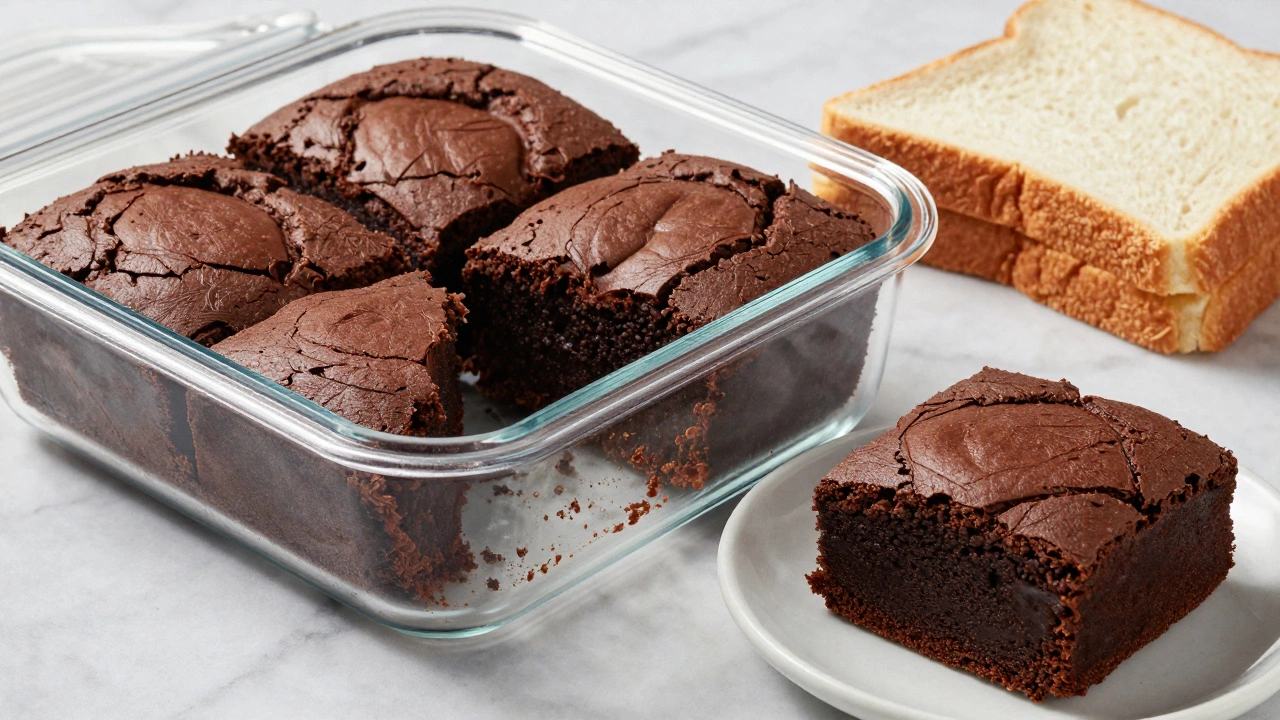
- Airtight Container is Key: Once cooled, place brownies in an airtight container. If you skip this, the moisture will escape into the air rather than redistributing within the brownie, leading to stale, dry squares.
- Add a Slice of Bread: For counter storage, placing a slice of white bread in the container with the brownies can help maintain humidity. The bread absorbs excess dryness and releases moisture back into the brownies if they start to dry out.
- Reheat Strategically: If you prefer them warm, microwave a single square for 10-15 seconds. This revives the fudginess without drying out the edges, thanks to the retained internal moisture.
Common Mistakes That Ruin the Wait
Even with the best intentions, some errors can negate the benefits of resting. One common mistake is under-baking. If the center is completely liquid, the structure won’t set properly, and no amount of waiting will fix a gummy mess. Aim for a toothpick that comes out with moist crumbs, not wet batter.
Another pitfall is using the wrong type of flour. All-purpose flour provides the right amount of gluten development for a chewy brownie. Using cake flour can make them too tender and crumbly, while bread flour might make them tough and rubbery. Stick to all-purpose for that ideal balance.
Finally, don’t forget the salt. Salt doesn’t just enhance sweetness; it balances bitterness and amplifies the chocolate notes. Without adequate salt, the flavor integration phase won’t yield the same depth, leaving the brownies tasting flat even after 24 hours.
How long should I wait before eating brownies?
For the best texture and flavor, wait at least 4 to 6 hours, but ideally overnight (12-24 hours). This allows sufficient time for moisture to equilibrate and flavors to integrate fully.
Can I eat brownies straight out of the oven?
Yes, you can, but they will likely be drier on the edges and less flavorful. The texture may also be unstable, causing them to crumble easily. Patience yields a superior product.
Do brownies go bad if left out overnight?
No, brownies are safe to eat at room temperature for up to 3-4 days if stored in an airtight container. They do not contain perishable dairy fillings like cream cheese, so they are stable at room temp.
Why do my brownies get hard after a few days?
If brownies become hard, it’s usually due to moisture loss (not storing them airtight) or over-baking initially. Starch retrogradation continues over time, so if they were already dry, they will harden further. Adding a slice of bread to the container can help rescue slightly dry brownies.
Should I refrigerate brownies to keep them fresh?
Refrigeration extends shelf life and intensifies chocolate flavor by solidifying fats, but it can make the texture denser. If you prefer a softer bite, store them at room temperature. If you want maximum richness, refrigerate them.