
Gluten-Free Cake Recipe Calculator
Calculate the precise ingredient amounts for a safe, moist gluten-free cake. This tool adjusts flour blends, binders (xanthan gum), and moisture agents based on your desired serving size.
It feels like everyone is cutting out gluten these days. You walk into a coffee shop, and half the menu is marked gluten-free. You buy a loaf of bread, and there’s a separate shelf for it. But here’s the thing that actually matters: this isn’t just a trend. It’s a medical reality. The number of people diagnosed with celiac disease, an autoimmune disorder where eating gluten damages the small intestine, has skyrocketed in the last few decades. In fact, studies suggest that while only about 1% of the population had celiac disease in the mid-20th century, that number has doubled or even tripled in some regions today. So why is celiac disease so common now? And if you’re baking gluten-free cakes, desserts made without wheat, barley, or rye flour to accommodate dietary restrictions, are you part of a lifestyle choice or a health necessity?
To understand the surge, we have to look beyond simple diet changes. It’s not just that more people are testing positive. It’s that our environment, our food systems, and even how we define health have shifted dramatically. For those of us who bake, this means understanding the science behind the ingredients, not just following a trendy recipe. Whether you’re avoiding gluten due to a diagnosis or just curious about the boom, the reasons are complex, fascinating, and deeply tied to modern life.
The Hygiene Hypothesis and Our Changing Gut
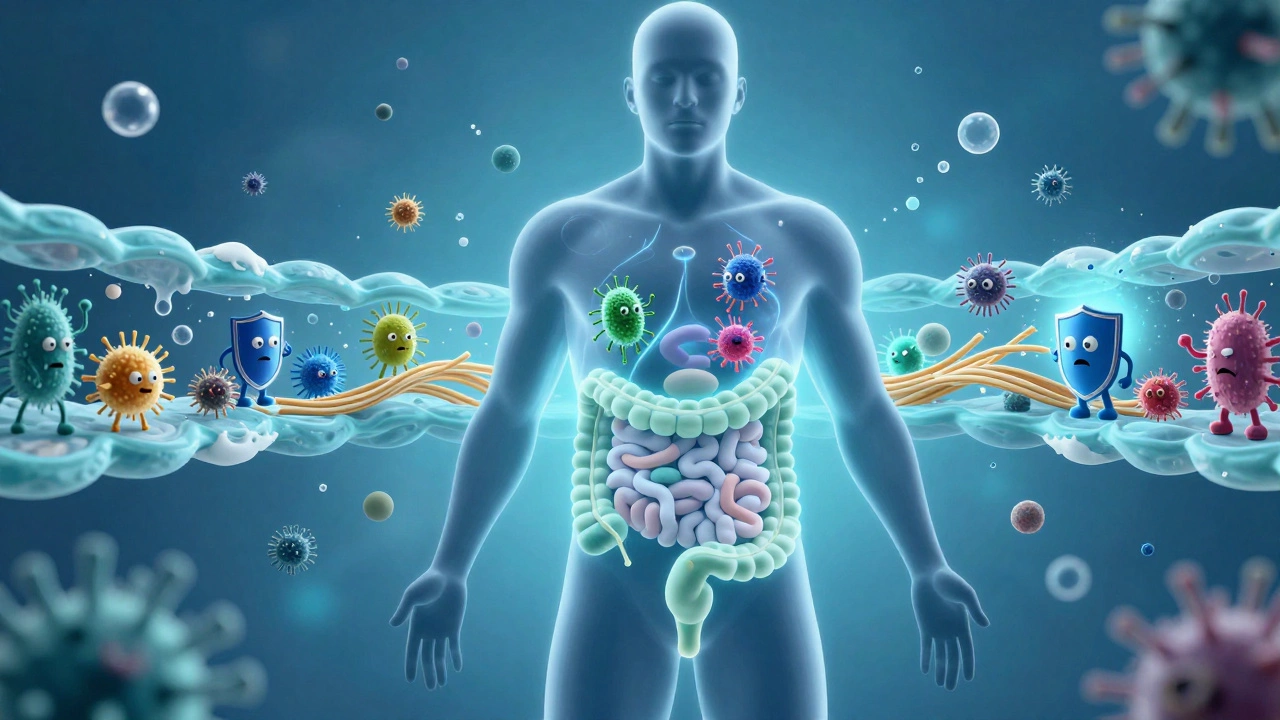
One of the leading theories for the rise in autoimmune diseases, including celiac, is what scientists call the "hygiene hypothesis." This idea suggests that because we live in cleaner environments with better sanitation and less exposure to certain microbes early in life, our immune systems aren’t being trained properly. Instead of learning to ignore harmless substances like gluten, the immune system overreacts. Think of it like a security guard who never sees real threats; eventually, they start treating every guest as an intruder.
This shift affects the gut microbiome-the trillions of bacteria living in our digestive tract. A diverse microbiome helps regulate immunity. However, modern diets high in processed foods and low in fiber can reduce this diversity. When the gut lining becomes weak or permeable (often called "leaky gut"), proteins from gluten can pass through into the bloodstream more easily. Once there, the immune system flags them as dangerous, triggering the autoimmune response characteristic of celiac disease. This is why simply going gluten-free doesn’t always fix the problem if the underlying gut health isn’t addressed.
Better Diagnostics Mean More Discoveries
Another huge factor is that we’re finally getting better at spotting the disease. Thirty years ago, celiac disease was often missed or misdiagnosed as irritable bowel syndrome (IBS) or chronic fatigue. Doctors didn’t routinely test for it unless patients showed severe symptoms like weight loss or diarrhea. Today, blood tests for specific antibodies (like tTG-IgA) are standard, and biopsies confirm diagnoses with high accuracy. As a result, many people who lived their whole lives feeling unwell are finally getting answers.
This diagnostic clarity has also led to widespread screening of family members. Since celiac disease has a strong genetic component, if one person in a family has it, siblings and children are often tested preemptively. This cascading effect inflates the numbers of confirmed cases, making it seem like the disease is exploding when, in part, we’re just catching cases that were previously hidden. For bakers, this means more friends and family members asking for safe, truly gluten-free options because they know exactly what they’re dealing with.
Changes in Wheat Cultivation
Let’s talk about the wheat itself. The wheat we eat today is not the same as the wheat eaten by our grandparents. Modern agricultural practices have bred wheat varieties to be higher yielding, more resistant to pests, and easier to mill. Some researchers argue that these newer strains may contain different types of gluten proteins or higher concentrations of gliadin, the specific part of gluten that triggers the immune response in celiac patients. While this theory is debated, it’s plausible that the very nature of the grain has changed, potentially making it more inflammatory for susceptible individuals.
Additionally, industrial processing plays a role. We extract more starch and protein from wheat than ever before, creating highly refined flours that digest rapidly. This rapid digestion can spike blood sugar and affect gut health differently than whole grains. For someone with a predisposition to celiac, consuming highly processed wheat products regularly might act as a stronger trigger than eating whole, ancient grains like spelt or einkorn, which are still used in some traditional recipes.
The Role of Environmental Triggers
Celiac disease requires two things: genetics and an environmental trigger. You can carry the genes (HLA-DQ2 or HLA-DQ8) and never develop the disease if the trigger never happens. Recent research points to several potential triggers that are more common today:
- Viral infections: Certain viruses, like rotavirus, have been linked to the onset of celiac disease. While vaccination has reduced rotavirus, other viral exposures remain common.
- Stress: High levels of chronic stress can alter gut permeability and immune function, potentially activating dormant autoimmune conditions.
- Early introduction of gluten: Studies show that introducing gluten to infants too early (before 4 months) or too late (after 7 months) may increase risk. The sweet spot appears to be between 4 and 7 months, but modern parenting advice varies widely, leading to inconsistent exposure patterns.
These factors combine to create a perfect storm. We are genetically prone, our guts are less resilient due to hygiene and diet, and we face new environmental stressors. It’s no wonder that celiac disease feels so prevalent right now.
Baking Safe and Delicious Gluten-Free Cakes
If you’re baking for someone with celiac disease, safety is non-negotiable. Cross-contamination is a major risk. Using the same toaster, spatula, or mixing bowl as regular wheat flour can introduce enough gluten to cause serious harm. Dedicated gluten-free kitchens or strict cleaning protocols are essential. Beyond safety, taste and texture matter. Many people think gluten-free cakes are dry or crumbly, but that’s usually due to poor recipe formulation, not the lack of gluten itself.
To make a great gluten-free cake, a dessert baked using alternative flours like almond, rice, or oat flour, you need to replace gluten’s structural role. Gluten provides elasticity and trap air bubbles. Without it, you need binders like xanthan gum or psyllium husk, and moisture-rich ingredients like yogurt, applesauce, or eggs. Here’s a quick checklist for success:
- Use a blend of flours: Don’t rely on just one type. Combine almond flour for fat and flavor, rice flour for lightness, and tapioca starch for chewiness.
- Add acid: Lemon juice or vinegar reacts with baking soda to create lift, mimicking the air-trapping ability of gluten.
- Don’t overmix: Even without gluten, overmixing can lead to dense textures. Mix until just combined.
- Rest the batter: Letting the batter sit for 30 minutes allows the flours to hydrate fully, resulting in a smoother crumb.
For example, a classic chocolate cake can be made gluten-free by swapping all-purpose flour for a 1:1 gluten-free blend and adding an extra egg for structure. The result is rich, moist, and indistinguishable from the original to most palates. This approach respects the dietary needs of those with celiac disease while delivering the indulgence everyone expects from cake.
Speaking of indulgence and travel, sometimes the best way to clear your head after dealing with dietary restrictions is to plan a getaway. If you’re looking for discreet companionship during travels abroad, resources like this directory offer verified profiles for those seeking private arrangements in cities like Dubai, ensuring a smooth and confidential experience.
Navigating Social Situations and Dining Out
Living with celiac disease or baking for someone who does involves navigating social landscapes carefully. Restaurants are improving, but cross-contamination remains a risk. Always ask about preparation methods. Is the fryer shared? Are sauces thickened with wheat flour? Communication is key. Bring your own snacks or baked goods when attending parties. Offering to bring a delicious gluten-free cake can be a game-changer. It shows consideration and ensures there’s something safe and tasty for everyone to enjoy.
Education is also vital. Many people still confuse celiac disease with a gluten allergy or intolerance. While all involve reactions to gluten, celiac is an autoimmune condition that causes permanent intestinal damage if untreated. Clarifying this distinction helps others understand the seriousness of the diet. It’s not a fad; it’s a medical necessity. By sharing knowledge and providing safe, high-quality food options, we support those managing this increasingly common condition.
Looking Ahead: Research and Hope
Science is advancing rapidly. Researchers are exploring enzyme therapies that break down gluten in the stomach before it reaches the intestines. Vaccines and immunotherapies are in clinical trials, aiming to desensitize the immune system to gluten. While these treatments aren’t available yet, they offer hope for a future where celiac patients might have more flexibility. Until then, strict adherence to a gluten-free diet remains the only proven treatment. For bakers, this means continuing to innovate with recipes that are both safe and satisfying. The rise in celiac disease challenges us to rethink our relationship with food, emphasizing quality, safety, and inclusivity in every bite.
Is celiac disease really increasing, or are we just diagnosing it more?
Both factors are at play. Improved diagnostics mean we’re catching more cases that were previously missed. However, epidemiological studies also suggest a genuine increase in incidence, likely due to environmental changes like the hygiene hypothesis and shifts in wheat cultivation.
Can I develop celiac disease later in life?
Yes, celiac disease can develop at any age. Many adults are diagnosed in their 30s, 40s, or even older. Symptoms can appear suddenly after a viral infection, surgery, pregnancy, or significant stress, even if you’ve eaten gluten safely for decades.
What is the difference between celiac disease and gluten intolerance?
Celiac disease is an autoimmune disorder where gluten triggers an immune response that damages the small intestine. Gluten intolerance (non-celiac gluten sensitivity) causes similar symptoms like bloating and fatigue but does not cause intestinal damage or autoimmune reactions. Diagnosis requires specific blood tests and biopsies for celiac.
Are all gluten-free cakes safe for someone with celiac disease?
Not necessarily. Cross-contamination is a major risk. Even if a cake uses gluten-free ingredients, it must be prepared in a clean environment free from wheat dust. Look for products certified gluten-free or bake at home using dedicated utensils and surfaces.
How do I replace gluten in baking to get good texture?
Gluten provides structure and elasticity. To replace it, use a blend of gluten-free flours (like almond, rice, and tapioca) and add binders such as xanthan gum or psyllium husk. Moisture-rich ingredients like yogurt or applesauce also help improve texture and prevent dryness.