Kiwi Veganism Decoder
Why is Kiwi Not Vegan?
- Fresh kiwi fruit is naturally plant-based and vegan.
- Processing aids like beeswax or shellac can make stored fruit non-vegan.
- Kiwi desserts often hide non-vegan binders like gelatin or honey.
- Washing organic fruit removes most surface contaminants.
- Look for Certified Vegan labels on packaged kiwi treats.
You might have walked past a fruit bowl or checked out a sweet shop and wondered about that green fuzz. Fresh fruit seems safe, right? But then you see a warning label or read a forum thread claiming kiwi isn't friendly to your diet plan. This confusion usually stems from one specific area: what happens between the orchard and your fork. While the fruit itself grows on a vine without animal parts, human intervention in packaging and preparation changes the picture.
To get to the bottom of this, we have to look at how the industry handles produce preservation and how flavor profiles get transferred into sweets. Let's break down exactly where the vegan lines get blurred.
The Nature of Fresh Kiwi Fruit
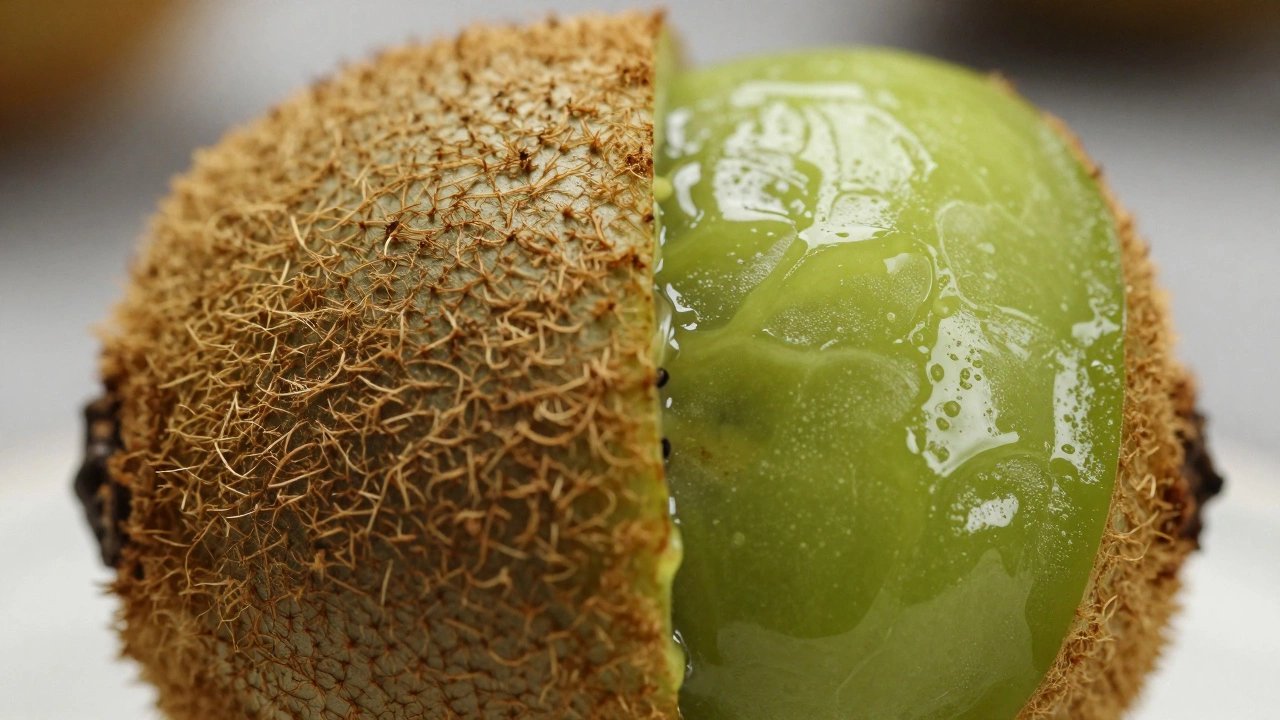
Kiwi fruit, also known as Chinese gooseberry, belongs to the Actinidia genus. Biologically, it is a berry that ripens from flowers. The skin is fuzzy, and the flesh ranges from bright green to golden yellow depending on the cultivar. In its raw state, sitting on a supermarket shelf or growing on a trellis, it contains zero animal derivatives. It requires soil, water, and sunlight. No milk, eggs, or meat are involved in its natural lifecycle.
If you buy a whole kiwi directly from a local farmer in Halifax, chances are high it is safe. You wash it, peel it, and eat it. The problem arises when commercial systems take over. Large-scale distribution requires protection. Moisture loss causes softening. Bruising leads to rot. To stop this, producers apply invisible shields.
Invisible Barriers: Waxes and Shines
Many fruits receive a polish after harvest. This isn't just for looks; it extends shelf life by locking in moisture. Here is where things get tricky for vegans. The most common substances used for this purpose are waxes.
| Substance | Source | Vegan Status |
|---|---|---|
| Beeswax | Hive secretions | No |
| Shellac | Lac bugs | No |
| Carnauba Wax | Leaf palm tree | Yes |
| Candelilla Wax | Desert shrub | Yes |
Beeswax comes from honeybees. Even though it does not involve killing the bee, ethical vegans avoid exploiting insect labor. Some growers prefer it because it creates a tight seal that synthetic polymers struggle to match. If your fruit feels unusually shiny, it might have this coating. Shellac is another offender. It is a resin secreted by the female lac bug to protect the branch she sits on. It hardens into a varnish. Many candy shells and polished fruits use this.
While the amount consumed is minimal, strictly adherent individuals reject these inputs entirely. Washing helps, but solvents are often needed to remove a full industrial coating. Hot water and rubbing won't always strip hardened wax layers.
Kiwi Flavors in Confectionery
Now let's shift our gaze from fresh produce to the kitchen. The title question often pops up regarding desserts rather than whole fruit. A "Kiwi Surprise" cake or a box of kiwi-flavored gummies brings different challenges. Food manufacturers love fruit flavors because they are tart and recognizable.
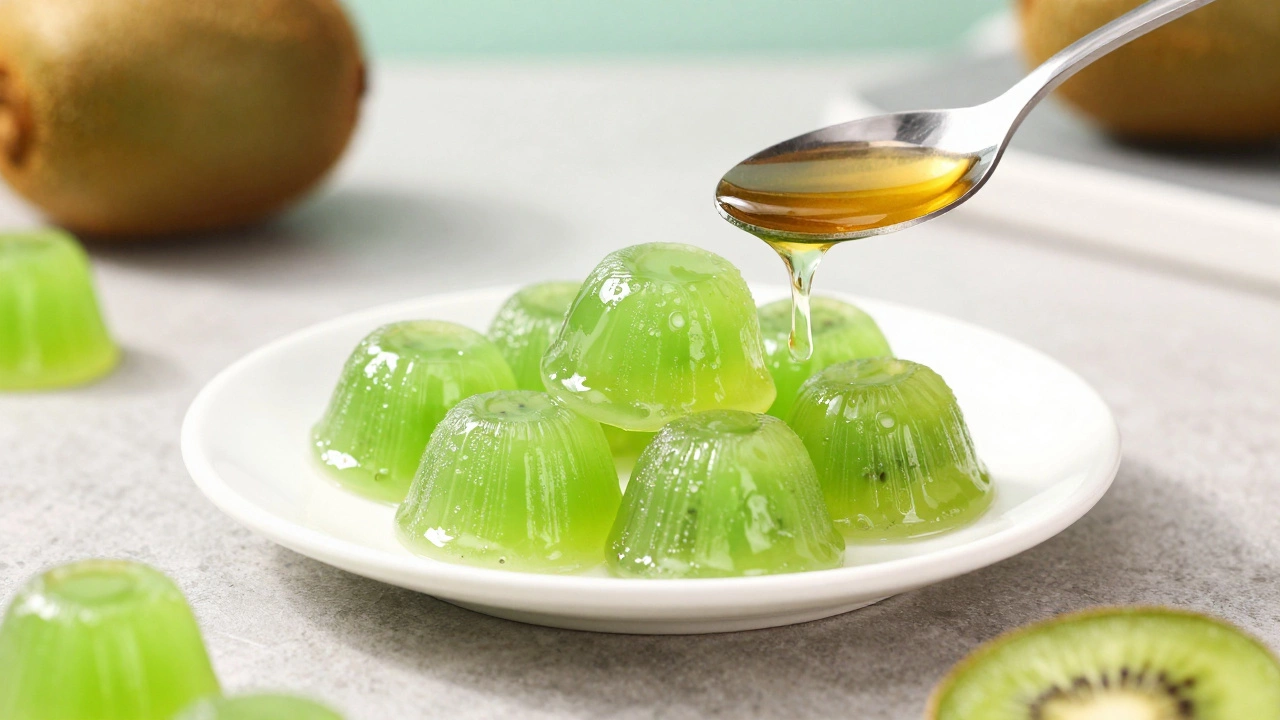
The primary culprit here is Gelatin. It is a protein obtained by boiling bones, skin, and connective tissue of livestock. It provides that bouncy texture in marshmallows, jellies, and gummy candies. Many kiwi-flavored sweets use it as a thickener or stabilizer. Without it, the texture would crumble or separate. Manufacturers do not always highlight this on the front label, hiding it under "flavoring" or "gelling agent" unless a dedicated allergen statement flags collagen sources.
Another issue is sweetness enhancement. Kiwi is naturally sweet, but desserts often require more punch. Honey is a popular choice in baking for its viscosity and flavor profile. Technically, honey is an animal product produced by bees. Vegans exclude it to align with their ethics regarding insects. A jar of homemade kiwi jam using agave nectar is fine, but the same recipe swapped with honey crosses the line.
Hidden Additives in Prepared Sweets
Beyond the obvious ingredients, chemical additives play a massive role in modern desserts. These are rarely visible to the consumer but appear in small print on the back panel.
- Erosion Agents: Some colorants are not suitable. Carmine, also known as E120, provides red hues. Since kiwi desserts sometimes need a reddish blush or mix-ins, check for this code. It uses crushed beetles.
- Dairy Derivatives: Whey or casein powders improve creaminess. Kiwi cheesecakes often blend dairy cheese with puree. A standard slice will definitely fail a vegan test.
- Enzymes: Rennet, used in cheese production, may be present in fillings. If a dessert contains custard or pudding elements, microbial rennet is usually safe, but animal-derived rennet is not.
One specific additive called Carrageenan is worth noting. Extracted from seaweed, it is technically plant-based. However, it triggers intense reactions in some health-conscious communities. It is commonly used to stabilize fruit purees in puddings. While not non-vegan, it shows the complexity of choosing "clean" sweets.
Sourcing and Safety Protocols
How do you ensure safety? Relying on guesswork fails when you encounter imported goods. Cross-contamination is possible if equipment is shared. A factory making beef stock cubes might later run kiwi syrup through the same pipes.
Your best defense is Certified Vegan Labels. Look for seals from organizations like the V-Label or recognized local equivalents. They inspect the supply chain for banned substances. Independent labs often test batches for residue contamination, especially regarding allergens and animal fats. If a product carries such a logo, you can consume it without anxiety.
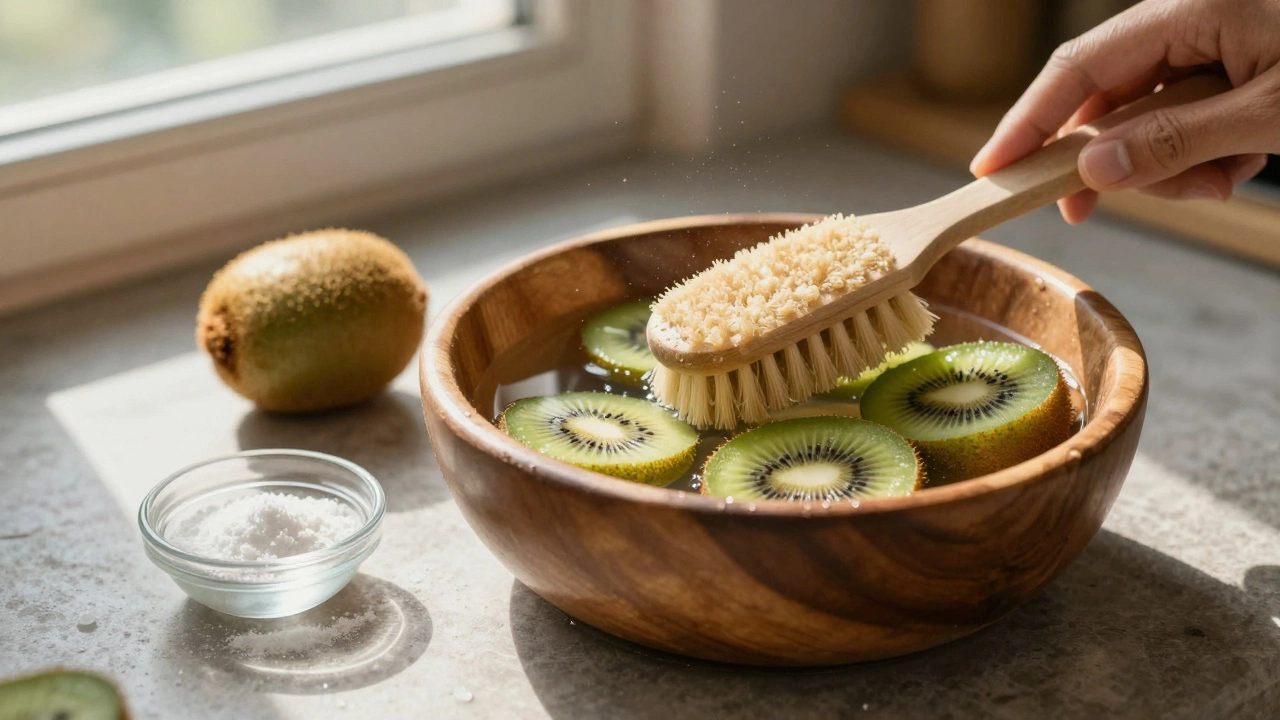
For fresh fruit, buying organic reduces risk significantly. Organic farming standards restrict synthetic preservatives, including many non-vegan waxes. When you peel the skin, any remaining trace amounts stay on the exterior. Just remember, some wax coatings permeate deeper into the rind than others. A thorough scrub under warm water removes most loose powder.
Alternatives for Kiwi Lovers
Avoiding non-vegan versions doesn't mean missing out. You can recreate those textures using plant powerhouses. Agar agar acts as a direct substitute for gelatin. Derived from red algae, it sets firm but doesn't melt as quickly as gelatin at room temperature. This makes perfect gummy kiwi bites possible.
For creamy textures, coconut cream or cashew base works beautifully in smoothies or mousses. Pectin, which is extracted from apple peels or citrus peels, creates jams that set firmly without animal glue. A simple stew of kiwi and sugar with pectin yields a spreadable preserve that honors both the fruit and your values.
When dining out, ask the chef specifically about the glaze. Ask about the binding agents in the mousse or custard. Restaurants often skip honey in favor of maple syrup due to cost. Always verify before assuming.
Summary of Pitfalls
The short answer to the title question is that fresh fruit is rarely the problem. Processing is. When you purchase pre-cut slices, canned rings, or flavor-infused treats, the ingredients list tells the real story. Waxes add shine but can be insect-derived. Candy makers use bone marrow proteins for bounce. Bakers rely on dairy and hive products for richness.
Staying informed empowers you to enjoy treats guilt-free. Next time you spot a kiwi dessert, scan the package for those hidden tell-tales. Knowledge is your sharpest tool in the grocery aisle.
Are all kiwis vegan?
Fresh, whole kiwi fruit is vegan. However, commercially sold kiwis might be coated in beeswax or shellac, which are animal-derived products used to preserve freshness.
Can I wash off the wax on a kiwi?
Rubbing the fruit with hot water and a brush removes most of the wax layer. For guaranteed safety, buying organic or unpolished produce avoids the issue altogether.
Do kiwi candies contain gelatin?
Most traditional kiwi-flavored gummies use gelatin for texture. Look for 'vegan' labeled candies or check for ingredients like pectin or starch instead of gelatin.
Is kiwi jam okay for vegans?
It depends on the sweetener. If the manufacturer uses honey instead of sugar or glucose syrup, it is not vegan. Always check the ingredient label carefully.
What replaces gelatin in vegan kiwi desserts?
Agar-agar, pectin, and carrageenan are common plant-based thickeners used to achieve similar results in jelly-like desserts without using animal products.