Alfajor vs Macaron: Knowledge Quiz
You see them both on dessert tables. They are small, round, and often look like little cookies sandwiching a filling. But if you bite into one expecting the other, you will be immediately confused. One shatters with a delicate crunch; the other yields with a soft, chewy resistance. One tastes of vanilla and almond; the other is dominated by the deep, caramelized sweetness of alfajor fillings.
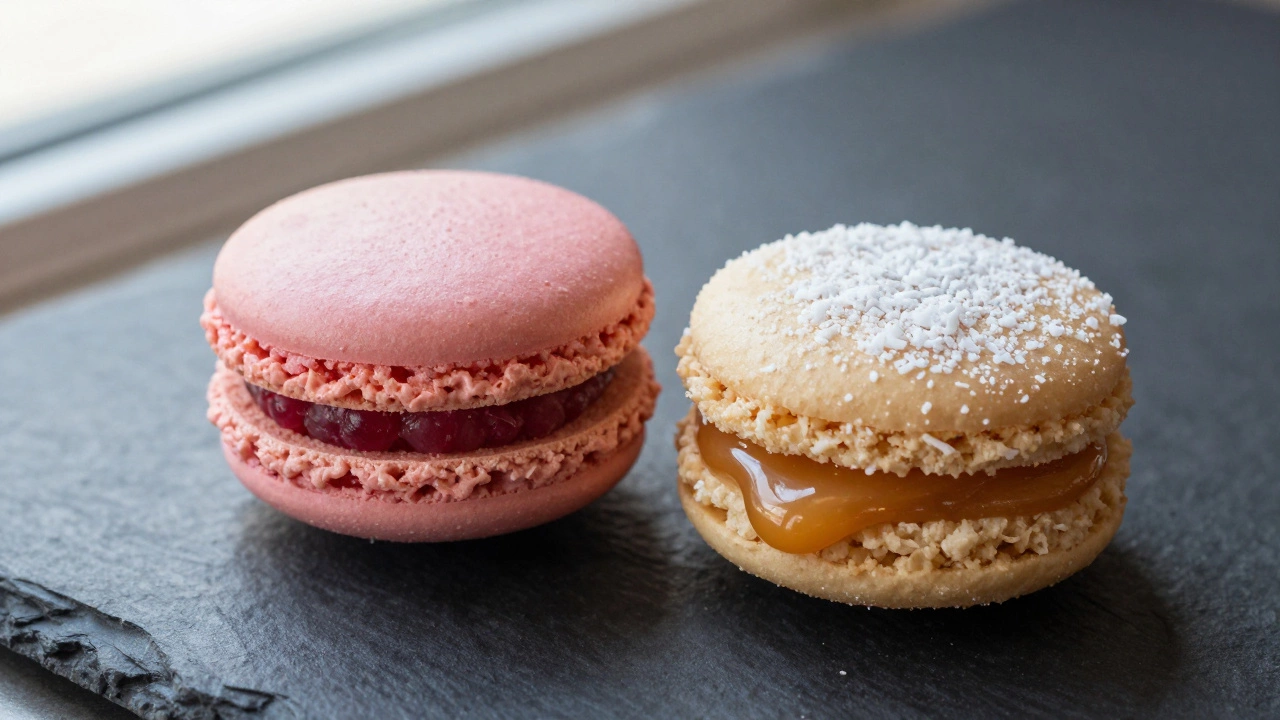
The confusion is understandable. Visually, they share a silhouette. But culinarily, they come from completely different worlds. The macaron is a sophisticated French meringue-based confection known for its smooth domed shell and ruffled foot. It is a study in precision and technique. The alfajor is a traditional Latin American sweet made of shortbread-like cookies held together by dulce de leche or honey. It is a celebration of comfort and nostalgia.
If you are trying to decide which one to bake, buy, or serve at your next gathering, understanding their differences goes beyond just taste. It’s about texture, ingredients, history, and even how you store them. Here is everything you need to know to tell them apart instantly.
Texture: The Crunch vs. The Chew
The first thing you notice when eating these sweets is not the flavor-it is the mouthfeel. This is where the two desserts diverge most sharply.
A proper macaron has a distinct three-part texture. The exterior should be crisp but thin, giving way to a tender, slightly chewy interior. If you have ever had a macaron that was too hard, it was likely under-hydrated or improperly aged. If it was too soft and gummy, the meringue wasn't piped correctly. The goal is a balance that feels light and airy. The filling-usually buttercream, ganache, or jam-adds moisture and richness, but the cookie itself remains relatively dry until it hits your tongue.
An alfajor, on the other hand, is all about density and softness. The cookies are typically made from a dough similar to shortbread or gingerbread. They are softer, more crumbly, and less structured than macaron shells. When you bite into an alfajor, the cookie gives way easily. The real star is the filling, which is usually thick, sticky, and intensely sweet. The contrast here is not between crisp and chew, but between a soft cookie and a gooey center. Many alfajores are also dusted with powdered sugar or coconut, adding a fine, sandy texture that coats your fingers.
Ingredients: Meringue Magic vs. Shortbread Simplicity
The ingredient lists reveal why the textures are so different. Macarons rely on chemistry; alfajores rely on tradition.
| Component | Macaron | Alfajor |
|---|---|---|
| Base | Egg whites, granulated sugar, powdered sugar, almond flour | Flour (wheat or cornstarch), butter, sugar, sometimes cocoa or spices |
| Filling | d>Buttercream, chocolate ganache, fruit jam, curd | Dulce de leche, honey, chocolate paste, guayaba (guava) |
| Binding Agent | Meringue (whipped egg whites) | Butter and sugar dough |
| Common Toppings | None (smooth finish) | Powdered sugar, shredded coconut, chocolate coating |
Notice the absence of flour in the macaron. That is what makes it gluten-free by nature. The structure comes entirely from the meringue and the ground almonds. This requires precise weighing and mixing. If you overmix the batter, the "feet" won't form. If you undermix, the tops will crack.
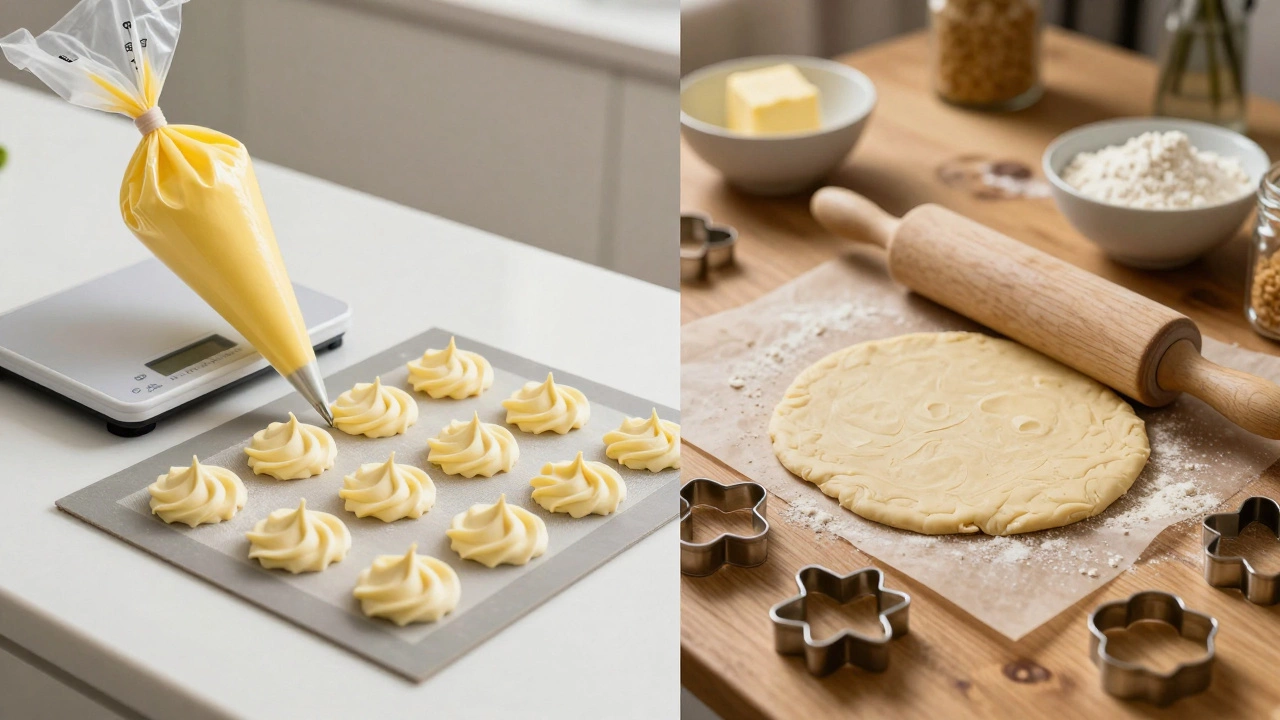
Alfajores use standard baking ingredients. In Argentina and Uruguay, they often use a mix of wheat flour and cornstarch to achieve a melt-in-your-mouth quality. In Peru, they might use potato starch or include spices like cinnamon or cloves. The dough is rolled out, cut into circles, and baked until pale. There is no piping bag involved, and no waiting for the shells to dry before baking.
Origin Stories: Parisian Cafés vs. Colonial Heritage
Where these treats came from explains their cultural role today. The macaron as we know it-the sandwich version-was popularized in France in the late 19th century, though single-layer versions date back to the Renaissance. It became a symbol of high-end patisserie, associated with luxury shops like Ladurée and Pierre Hermé. It is a dessert for special occasions, afternoon tea, or as a refined gift.
The alfajor has deeper roots. It originated in Spain during the Middle Ages, brought to the Americas by colonizers. Over centuries, it evolved differently in each country. In Argentina, it became synonymous with Christmas and holidays, wrapped in cellophane and given as gifts. In Peru, it is a daily snack, often found in bakeries alongside empanadas. In Colombia, it might be filled with arequipe (their version of dulce de leche) and coated in chocolate. It is a humble, beloved treat that crosses socioeconomic lines.
Flavor Profiles: Subtle Nuance vs. Bold Sweetness
If texture and ingredients don't convince you, the flavors will. Macarons are designed to highlight subtle flavors. Because the shell is only mildly sweet and nutty, it acts as a canvas for the filling. You can taste the difference between a raspberry macaron and a blackberry macaron because the fruit curd shines through. Salted caramel, lavender, matcha, and rose water are common flavors because they offer complexity without overwhelming the palate.
Alfajores are bold. The dominant flavor is almost always dulce de leche. This caramelized milk sauce is rich, salty-sweet, and heavy. It masks subtleties. While you can find alfajores with chocolate or guava fillings, the experience is consistently intense. The cookie itself may have hints of cocoa, cinnamon, or anise, but it plays a supporting role to the filling. If you prefer desserts that hit you with immediate satisfaction rather than a slow build of flavor, the alfajor wins.
Baking Difficulty: Precision Engineering vs. Home Comfort
This is the practical question for anyone looking to make them at home. Making macarons is notoriously difficult. Bakers often speak of "macaron tears"-the frustration that comes from cracked shells, hollow centers, or missing feet. You need a scale accurate to grams, a mixer that doesn't overbeat, and a kitchen with stable humidity. Even experienced bakers have bad batches.
Making alfajores is forgiving. You mix dough, chill it, roll it, cut it, and bake it. It is similar to making sugar cookies. The biggest challenge is spreading the dulce de leche evenly so the cookies stick together without sliding apart. You don't need special equipment, and you can adjust the sweetness or spice levels to your liking. It is a recipe you can teach a beginner, whereas macarons require months of practice to master.
Storage and Shelf Life
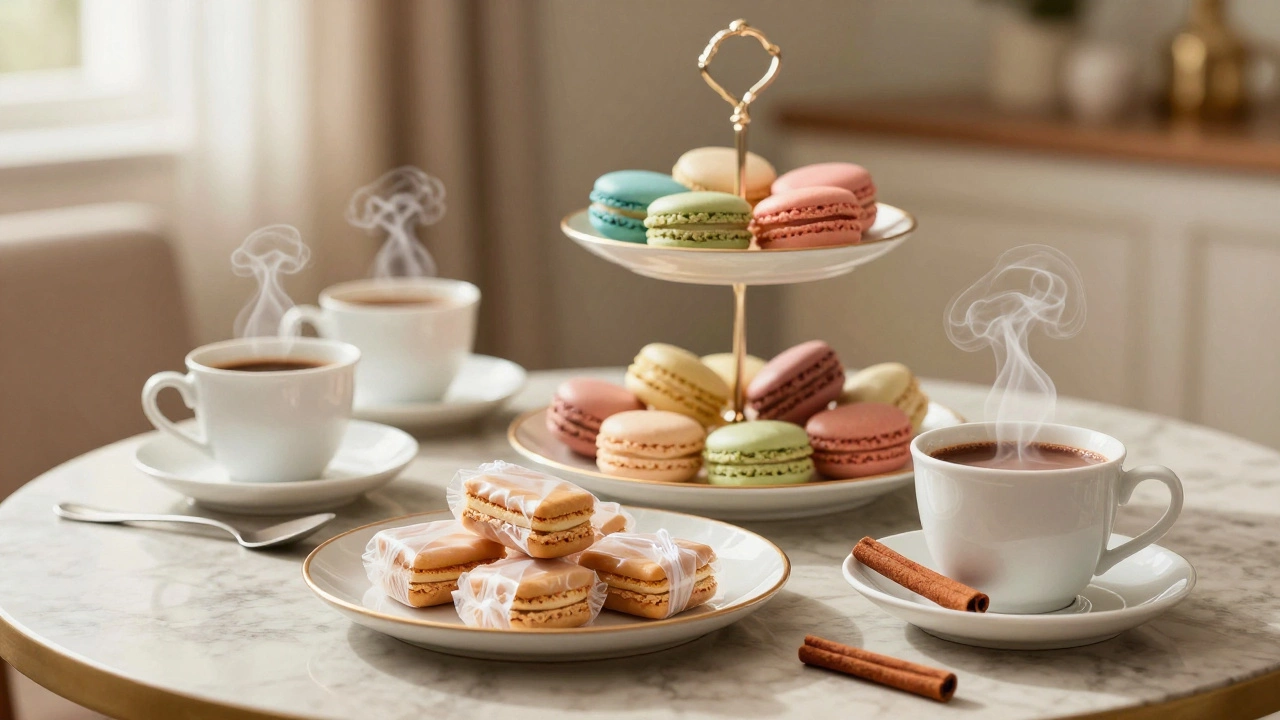
How you store these sweets affects their quality significantly. Macarons are best eaten within 2-3 days. They contain fresh eggs and perishable fillings like cream cheese or fruit curds. They must be refrigerated. However, taking them straight from the fridge ruins the texture. You should let them sit at room temperature for 15 minutes before serving to soften the shell and enhance the flavor.
Alfajores are much more durable. Because the cookies are low-moisture and the filling is preserved (dulce de leche has a long shelf life), they can last for weeks at room temperature. In fact, many people prefer them after a few days because the moisture from the filling migrates into the cookie, making it even softer. They are ideal for packing in lunchboxes or sending in the mail, which is why they are such popular gifts in Latin America.
Which One Should You Choose?
Your choice depends on the occasion and your preference. If you want to impress guests with elegance and visual appeal, go with macarons. They look stunning on a tiered stand and feel luxurious. Pair them with espresso or champagne. If you are hosting a casual get-together, a family holiday, or want something that travels well, choose alfajores. They are comforting, nostalgic, and universally loved. Pair them with coffee or hot chocolate.
Ultimately, there is no wrong answer. Both represent the best of their respective culinary traditions. One is a masterpiece of technique; the other is a hug in food form.
Are macarons gluten-free?
Yes, traditional macarons are naturally gluten-free because they are made from almond flour, egg whites, and sugar. However, cross-contamination can occur in bakeries that also process wheat, so check with the maker if you have severe allergies.
Can I freeze alfajores?
Yes, alfajores freeze very well. Wrap them tightly in plastic wrap and place them in an airtight container. They can last up to 3 months in the freezer. Thaw them at room temperature before eating to restore the soft texture.
Why do my macarons have cracks?
Cracks usually happen because the macaron shells were not rested long enough before baking. The surface needs to form a dry skin. If the air is too humid, this takes longer. Also, overmixing the batter can cause cracking.
What is the difference between dulce de leche and arequipe?
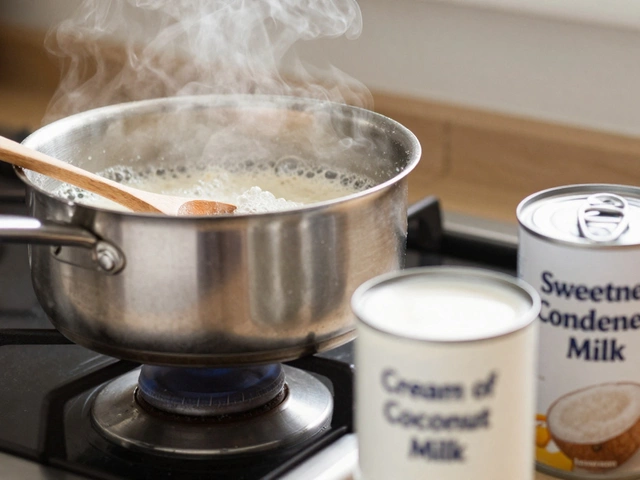
They are essentially the same product: sweetened condensed milk cooked down until caramelized. "Dulce de leche" is the term used in Argentina and Uruguay, while "arequipe" is commonly used in Colombia and Ecuador. The flavor profile is nearly identical.
Is it harder to make macarons or alfajores?
Making macarons is significantly harder. They require precise measurements, specific techniques like folding the batter to the right consistency, and controlled oven temperatures. Alfajores are similar to making shortbread cookies and are much more forgiving for beginners.