Want to bake a moist, fluffy cake without gluten-but end up with something dense, gritty, or crumbly? You’re not alone. Many people assume all gluten-free flours are created equal, but that’s not true. The right flour blend can make your cake taste like it came from a bakery. The wrong one? It’ll taste like sawdust with sugar.
There’s no single gluten-free flour that works for every cake. But there are a few that consistently deliver results when you know how to use them. After testing over 20 blends in my own kitchen-over 50 cakes, to be exact-I’ve found the top performers for different cake styles. This isn’t about marketing claims. It’s about what actually rises, holds shape, and tastes good.
Why Gluten-Free Flour Is So Tricky
Gluten gives structure. It’s the stretchy protein in wheat that traps air bubbles when you mix and bake. Without it, cakes collapse, dry out, or turn into hockey pucks. Gluten-free flours don’t have that. So manufacturers mix starches, legume flours, and binders to mimic the effect. But not all blends are balanced.
Some flours are too starchy-like white rice flour-and leave a chalky aftertaste. Others are too heavy-like almond flour-and make cakes greasy or overly dense. Then there are flours that absorb moisture like a sponge, leaving your cake dry. It’s not just about swapping flour one-to-one. You need the right combo.
The Top 5 Gluten-Free Flours for Cakes
Here are the flours that consistently give the best results for cakes, based on texture, flavor, and rise.
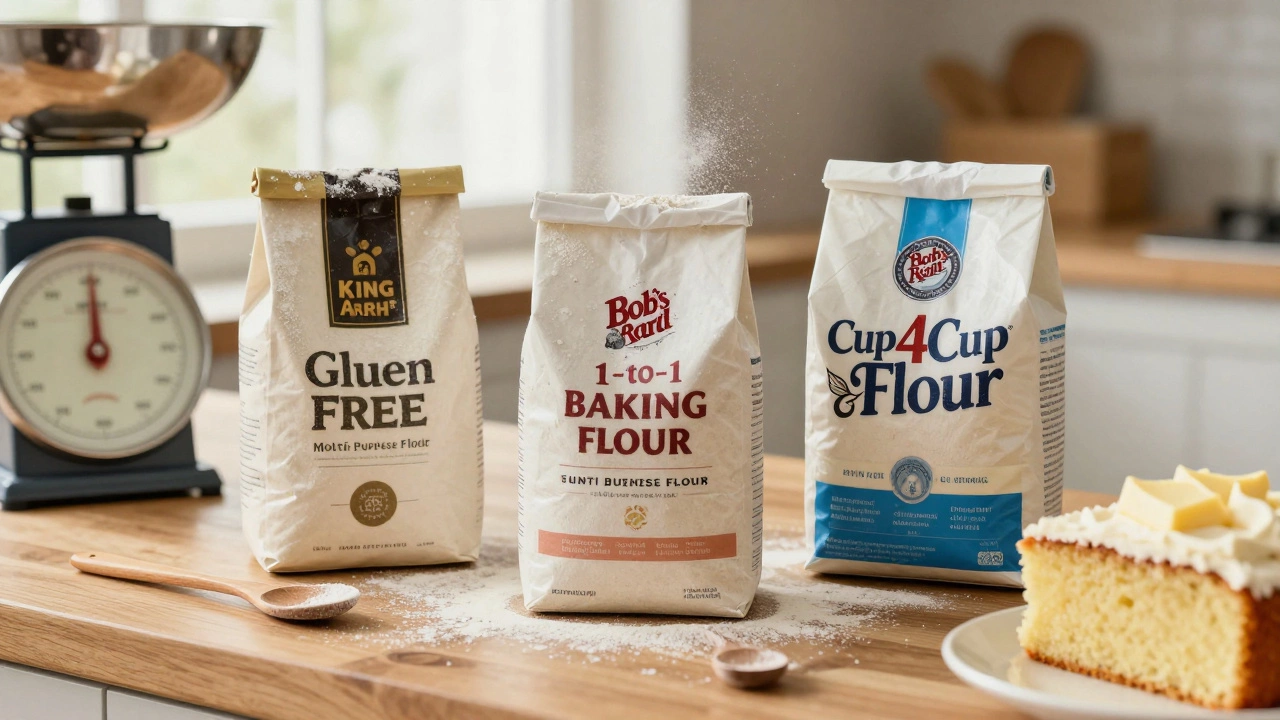
- King Arthur Gluten-Free Multi-Purpose Flour - This blend uses white rice flour, potato starch, and xanthan gum. It’s the most reliable for beginners. It bakes like wheat flour, holds moisture well, and doesn’t taste gritty. I’ve used it for vanilla layer cakes, carrot cake, and even chocolate sponge. It’s the closest thing to a drop-in replacement.
- Bob’s Red Mill 1-to-1 Baking Flour - Similar to King Arthur, but with added tapioca starch. It’s slightly more elastic, which helps with springiness. Great for cupcakes and angel food-style cakes. I’ve made a lemon pound cake with it that had a tender crumb and stayed moist for four days.
- Almond Flour (blanched, fine grind) - Not a direct substitute, but excellent for dense, rich cakes like flourless chocolate cake or almond cake. It adds natural sweetness and fat, which keeps cakes moist. Use it in a 1:1 ratio only if the recipe is designed for it. Pair it with egg whites and baking powder for lift.
- Coconut Flour - Absorbs a ton of liquid. You need 4-5 times more eggs or liquid than you’d use with wheat flour. But when balanced right, it gives a soft, slightly sweet crumb. Best for small cakes or muffins. I made a coconut-vanilla cake with 1/4 cup coconut flour, 6 eggs, and 1/2 cup coconut milk-it was light and fragrant.
- Gluten-Free Cake Flour Blends (like Cup4Cup or Namaste Foods) - These are specifically designed for cakes. They’re finer, lighter, and often include extra starches for tenderness. Cup4Cup, for example, contains milk powder, which helps with browning and flavor. It’s pricier, but if you bake cakes often, it’s worth the investment.
What to Avoid
Some flours are popular but terrible for cakes. Skip these unless you’re doing a very specific recipe:
- White rice flour alone - Too starchy. Makes cakes gritty and dry.
- Chickpea flour - Has a strong bean taste. Better for savory baking.
- Buckwheat flour - Strong earthy flavor. Works for pancakes or bread, not delicate cakes.
- Oat flour (unless certified gluten-free) - Most oats are cross-contaminated. Even certified oat flour can be too dense for cakes.
How to Use Gluten-Free Flour in Cake Recipes
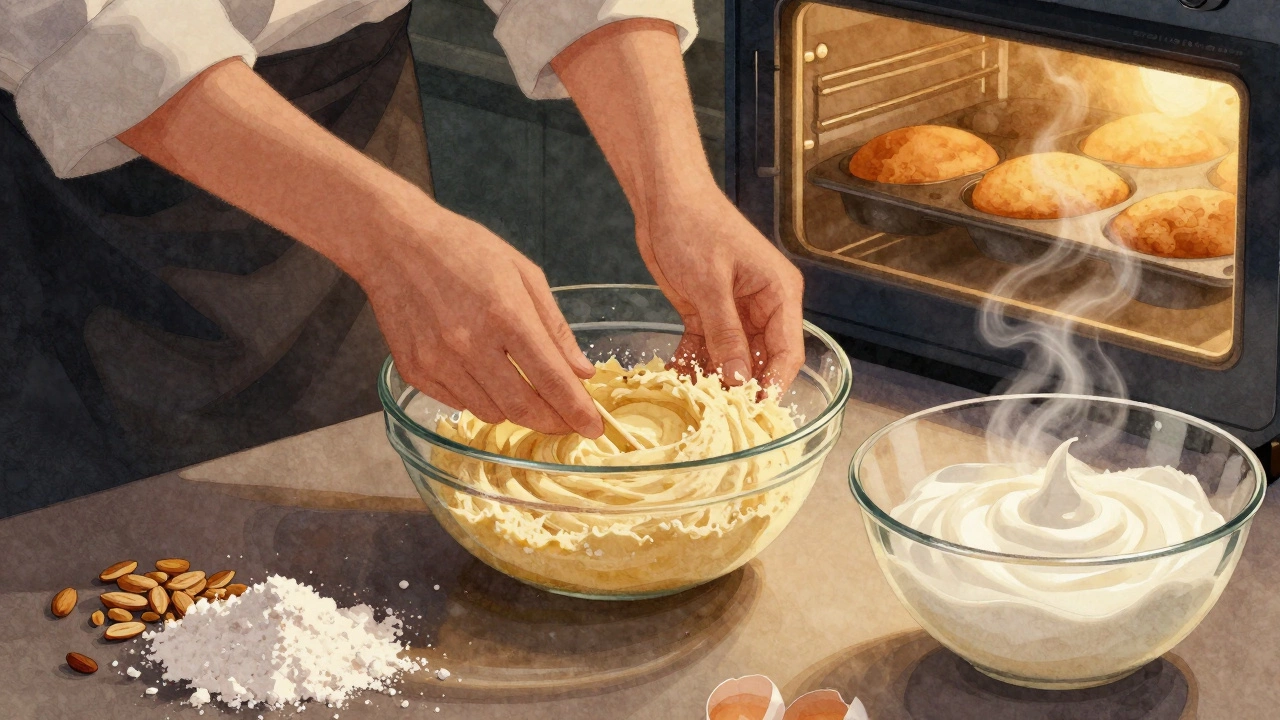
Don’t just swap flour. You need to adjust.
- Use a blend, not a single flour - Even pre-mixed blends contain multiple flours. If you’re making your own, combine 1 part starch (potato, tapioca) with 2 parts grain flour (brown rice, sorghum).
- Add xanthan gum if it’s not included - Most blends have it. If yours doesn’t, add 1/2 teaspoon per cup of flour. It mimics gluten’s binding power.
- Let the batter rest - Mix your batter, then let it sit for 15-20 minutes. This lets the flours absorb moisture, which improves texture.
- Use extra eggs or egg whites - Eggs add structure and moisture. For a standard 9-inch cake, try 4 eggs instead of 3.
- Don’t overmix - Gluten-free batters get gummy if stirred too long. Mix just until combined.
- Bake a little longer - Gluten-free cakes often take 5-10 minutes more. Use a toothpick test. If it comes out clean, it’s done.
Best Store-Bought Gluten-Free Cake Mixes
If you don’t want to mix your own flour, here are the top three cake mixes that actually taste good:
- Cup4Cup Gluten-Free Vanilla Cake Mix - The best overall. Moist, airy, and tastes like real vanilla cake.
- King Arthur Gluten-Free Yellow Cake Mix - Reliable, consistent, and affordable. Great for birthdays.
- Bob’s Red Mill Gluten-Free Chocolate Cake Mix - Deep chocolate flavor, no aftertaste. Perfect for chocolate lovers.
These mixes don’t need extra ingredients. Just add eggs, oil, and water. No tricks. No guesswork.
Real-World Results: My Top 3 Cake Recipes
Here’s what worked in my kitchen:
- Classic Vanilla Layer Cake - Used King Arthur 1-to-1 flour. Added an extra egg and 1/2 tsp xanthan gum. Baked 35 minutes. Result: soft, springy layers that held up under buttercream.
- Chocolate Fudge Cake - Used Bob’s Red Mill chocolate mix. Added 1/4 cup hot coffee to deepen flavor. No adjustments needed. It was moist, rich, and stayed fresh for five days.
- Almond-Raspberry Cake - Used 1 cup almond flour + 1/2 cup tapioca starch + 2 tsp xanthan gum. Used 5 egg whites and 1/2 cup almond milk. Baked 40 minutes. Result: delicate, nutty, and perfectly tender.
Common Mistakes and How to Fix Them
Here’s what goes wrong-and how to fix it:
- Cake is crumbly - Not enough binder. Add 1/2 tsp xanthan gum next time.
- Cake is gummy - Overmixed or too much tapioca starch. Reduce starch by 10% and mix less.
- Cake is dry - Not enough fat or liquid. Add 1-2 tbsp extra oil or yogurt.
- Cake didn’t rise - Old baking powder or too much flour. Check expiration date. Weigh your flour, don’t scoop.
One tip I learned the hard way: always weigh your flour. A cup of gluten-free flour can vary by 20% depending on how you pack it. A kitchen scale is the cheapest upgrade you can make.
Final Recommendation
If you’re just starting out: go with King Arthur Gluten-Free Multi-Purpose Flour. It’s affordable, widely available, and works for 90% of cake recipes.
If you bake often and want the best texture: invest in Cup4Cup or make your own blend with 50% white rice flour, 30% potato starch, 15% tapioca starch, and 5% xanthan gum.
If you want rich, dense cakes: use blanched almond flour with plenty of eggs.
There’s no magic flour. But once you understand how the pieces fit together-starch for lightness, grain flour for structure, binder for cohesion-you’ll stop guessing and start baking with confidence.
Can I use regular flour instead of gluten-free flour in cake recipes?
No. Regular flour contains gluten, which gives structure. If you’re avoiding gluten due to celiac disease or sensitivity, using regular flour isn’t safe. Even small amounts can cause serious reactions. Always use certified gluten-free flours.
Is gluten-free cake healthier than regular cake?
Not necessarily. Gluten-free cakes often have more sugar and fat to compensate for texture. Some blends use refined starches that spike blood sugar faster than wheat flour. The healthiness depends on the ingredients, not the absence of gluten.
Can I make gluten-free cakes without xanthan gum?
You can, but the cake will likely crumble or be dry. Xanthan gum acts like gluten-it holds moisture and binds ingredients. If you can’t use it, try guar gum (same amount) or psyllium husk powder (use 1/2 tsp per cup of flour). Flaxseed meal can help too, but it adds a nutty flavor.
Why does my gluten-free cake taste weird?
It’s probably one of two things: too much rice flour (chalky taste) or too much bean flour (earthy or bitter). Stick to blends with white rice, potato, or tapioca starch. Avoid chickpea, soy, or buckwheat unless the recipe calls for them. Also, check if your flour is fresh-gluten-free flours go rancid faster than wheat flour.
How long do gluten-free cakes last?
They usually stay fresh for 3-4 days at room temperature, but they dry out faster than wheat cakes. Store them in an airtight container with a slice of bread to keep moisture in. For longer storage, freeze them wrapped in plastic and foil-they’ll last up to 3 months.
Start with a trusted blend, follow the adjustments, and bake with patience. Gluten-free cake doesn’t have to be a compromise. With the right flour, it can be better.