Ever stood in front of your fridge, staring at two kinds of cheesecake-one creamy and chilled, the other golden and firm-and wondered which one’s really better? It’s not just about taste. It’s about texture, effort, time, and even the kind of crowd you’re feeding. Baked cheesecake has been the classic for decades. No-bake cheesecake shows up at potlucks and summer parties like it’s the easy win. But which one actually wins when you cut past the hype?
What Makes Baked Cheesecake Different
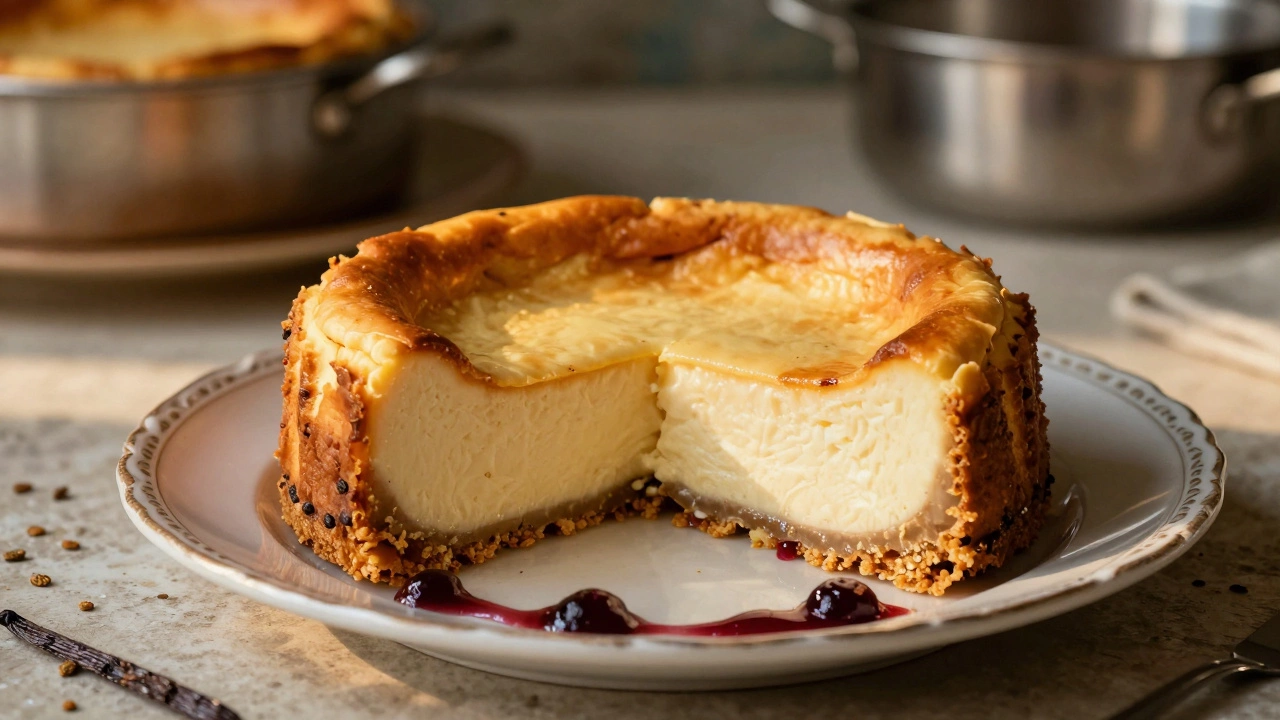
Baked cheesecake gets its structure from eggs. When you heat them, the proteins tighten, creating a dense, velvety texture that holds its shape without falling apart. It’s the reason a slice from a New York-style cheesecake can stand upright on a fork. The crust? Usually graham cracker, pressed into the pan and baked alongside the filling. That’s not just for flavor-it helps the whole thing stay together.
There’s a science to baking it right. Too hot, and the top cracks. Too cold, and the center stays jiggly like pudding. Most recipes call for a water bath-baking the pan in a larger pan of hot water. That gentle, even heat keeps the surface smooth and the inside creamy. It’s extra work, yes. But if you’ve ever had a perfectly baked cheesecake-silky, slightly springy, with a hint of tang from cream cheese and vanilla-you know why people go through the trouble.
Brands like Philadelphia and Kiri are common in recipes, but the real difference comes from fat content. Full-fat cream cheese (at least 33% milk fat) gives that rich mouthfeel. Low-fat versions? They turn out grainy. And don’t even think about swapping sour cream for Greek yogurt unless you’re okay with a tangier, less luxurious result.
No-Bake Cheesecake: How It Works
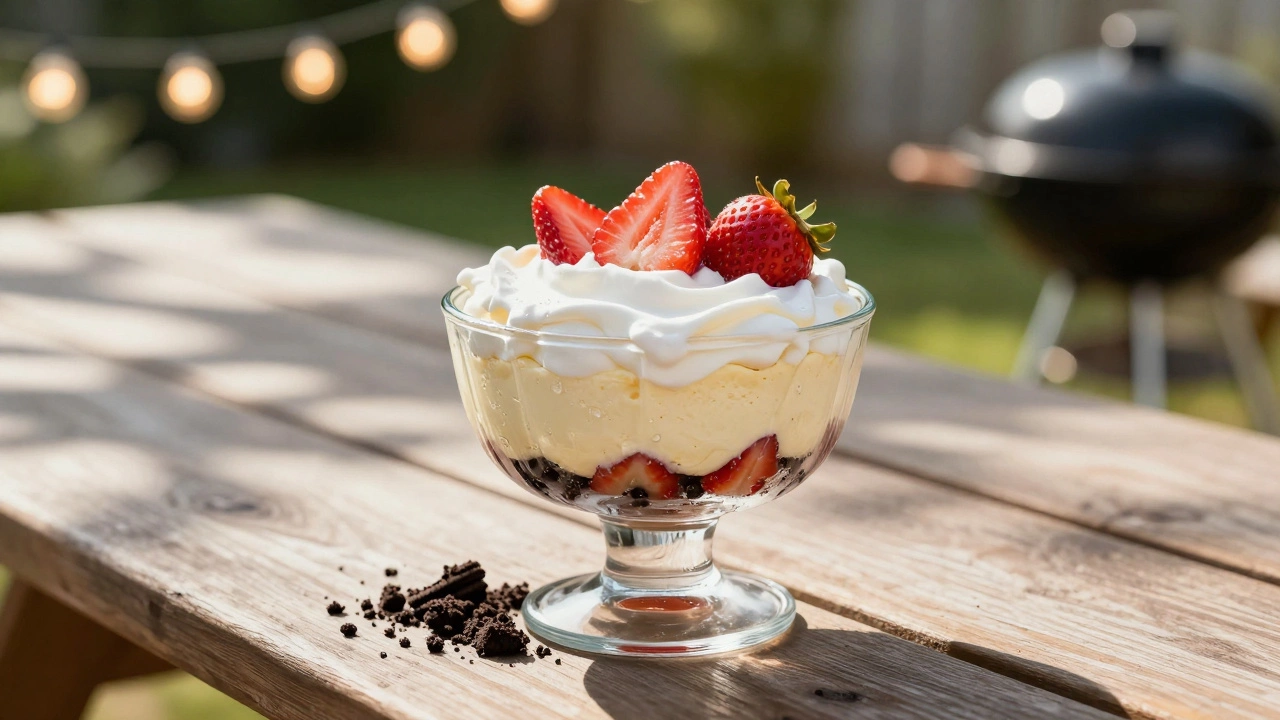
No-bake cheesecake skips the oven entirely. Instead of eggs, it relies on whipped cream and gelatin-or sometimes condensed milk-to set. The base is the same: crushed cookies, melted butter, pressed down. But the filling? It’s mixed cold, poured in, and left in the fridge for hours, sometimes overnight.
The texture is lighter, almost mousse-like. It doesn’t have the same density as baked. It’s more forgiving if you mess up the mixing-overbeat the cream, and it’s still edible. Overbake a traditional cheesecake? You’ve got a dry, cracked mess.
But here’s the catch: no-bake cheesecake doesn’t slice cleanly unless it’s been chilled long enough. Four hours? Maybe. Eight hours? Better. Overnight? Ideal. If you’re in a rush and pull it out too soon, you’ll end up with a sloppy, spreadable mess on the plate. And while it’s great for kids’ parties or hot summer days, it doesn’t hold up well if left out for more than an hour. Baked cheesecake? You can leave it on the counter for a few hours without worry.
Flavor and Texture: Side by Side
Let’s say you serve both side by side. The baked one? It’s deeper. The cream cheese flavor is richer, with a subtle caramel note from the slight browning around the edges. The crust is crisp and buttery. You taste the vanilla bean, the lemon zest, the hint of salt.
The no-bake version? It’s sweeter. The whipped cream lightens the cream cheese, making it feel less heavy. It’s refreshing, almost like a dessert salad. But it lacks complexity. It’s not bad-it’s just different. Think of it like comparing a full-bodied red wine to a chilled rosé. One’s for sipping slowly. The other’s for quenching thirst.
People often say no-bake cheesecake is “lighter,” but that’s misleading. It’s not lower in calories. Both use cream cheese, sugar, and butter. The difference is in texture, not nutrition. A slice of either will set you back about 350-400 calories. The baked one just feels more substantial.
When to Choose Baked
Go for baked cheesecake when:
- You’re serving it at a dinner party or holiday gathering
- You want it to hold its shape for slicing and plating
- You’re making a classic flavor like New York, chocolate, or berry swirl
- You have time to plan ahead (it needs 8-12 hours to chill after baking)
- You don’t mind a little extra cleanup (water bath, oven time, potential cracking)
Baked cheesecake is the kind of dessert people remember. It’s the one you bring to Thanksgiving. The one your grandma made. The one that gets photographed before it’s even cut.
When to Choose No-Bake
No-bake is your go-to when:
- You’re short on time-mix it in 15 minutes, chill overnight
- You don’t have an oven or it’s broken
- You’re making it for kids or people who prefer lighter desserts
- You’re doing a themed party (like a summer BBQ or picnic)
- You want to experiment with flavors like peanut butter, matcha, or fruit swirls without the risk of cracking
It’s also great for people who hate the smell of baking cheese. Seriously-some folks find it overpowering. No-bake skips that entirely.

Common Mistakes (And How to Avoid Them)
With baked cheesecake, the top cracks because the batter was overmixed. Beat the eggs in last, on low speed. Don’t rush it. And always let it cool slowly-turn off the oven, crack the door, and let it sit for an hour. That stops thermal shock.
With no-bake, the filling doesn’t set because the gelatin wasn’t dissolved properly. Always bloom gelatin in cold water first. Or better yet, skip gelatin and use heavy whipping cream that’s been chilled for 24 hours. Whip it until stiff peaks form. That’s the secret to a no-bake that holds.
Another mistake? Using low-fat cream cheese. It doesn’t matter if it’s baked or no-bake. Low-fat = grainy. Full-fat = smooth. Always.
What the Experts Say
James Beard Award-winning pastry chef Alice Waters once said, “Baked cheesecake is the only dessert that tastes better the day after it’s made.” She’s right. The flavors meld. The texture settles. It becomes more than the sum of its parts.
On the other side, food scientist Harold McGee explains that no-bake cheesecake relies on air. Whipped cream traps tiny bubbles, giving it that airy lift. That’s why it melts faster on the tongue. It’s not less delicious-it’s just engineered differently.
At the end of the day, neither is “better.” They’re just different tools for different jobs.
Final Verdict
If you want elegance, depth, and a dessert that feels like an occasion-bake it.
If you want speed, simplicity, and a dessert that feels like a treat without the fuss-go no-bake.
There’s no shame in either. In Halifax, where winters are long and summers are short, we make both. Baked cheesecake for Christmas. No-bake for July 1st. One isn’t superior. They just serve different moments in life.
Try both. Taste the difference. Then make your own rules.
Can I freeze baked cheesecake?
Yes, baked cheesecake freezes well. Wrap it tightly in plastic wrap, then in aluminum foil. It keeps for up to 2 months. Thaw it overnight in the fridge before serving. No-bake cheesecake doesn’t freeze as well-it can become watery when thawed.
Why does my no-bake cheesecake taste too sweet?
That’s usually because of sweetened whipped cream or condensed milk. Try using unsweetened heavy cream and adding sugar to taste. Or swap half the sugar for a touch of lemon juice or vanilla extract to balance it out.
Can I make a no-bake cheesecake without gelatin?
Absolutely. Many recipes use only whipped cream and cream cheese, chilled for 8+ hours. The cream acts as the setting agent. Just make sure your cream is very cold and whip it until stiff peaks form. It won’t be as firm as gelatin-based versions, but it’s still delicious.
What’s the best crust for no-bake cheesecake?
Graham cracker is classic, but Oreo crumbs (with the filling) work great too. For a nutty twist, try crushed pecans or almonds mixed with a little melted butter. Press it down firmly-it’s your foundation.
How long does baked cheesecake last in the fridge?
Up to 5 days if stored covered. After that, the crust starts to soften and the flavor fades. For longer storage, freeze it instead.