Cheese Pairing & Selection Guide
Not sure which cheese to use for your recipe or what to pair with your board? Select a cheese below to see its characteristics and ideal pairings.
Mascarpone
Smooth, buttery, and sweet
Blue Cheese
Salty, sharp, and veined
Mascarpone Profile
Best Use:
- ✅ Classic Tiramisu
- ✅ Sweet Dessert Fillings
- ✅ Fruit Parfaits
Key Features:
- ⚪ Smooth white color
- 🍦 Buttery, sweet taste
- 🚫 No mold/fungus
Blue Cheese Profile
Best Use:
- ❌ NOT for sweet Tiramisu
- ✅ Savory Cheese Boards
- ✅ Gourmet Salads
Key Features:
- 🔵 Blue/Green Penicillium veins
- 🧂 Sharp, metallic tang
- 🧀 Ripened via oxygen tunnels
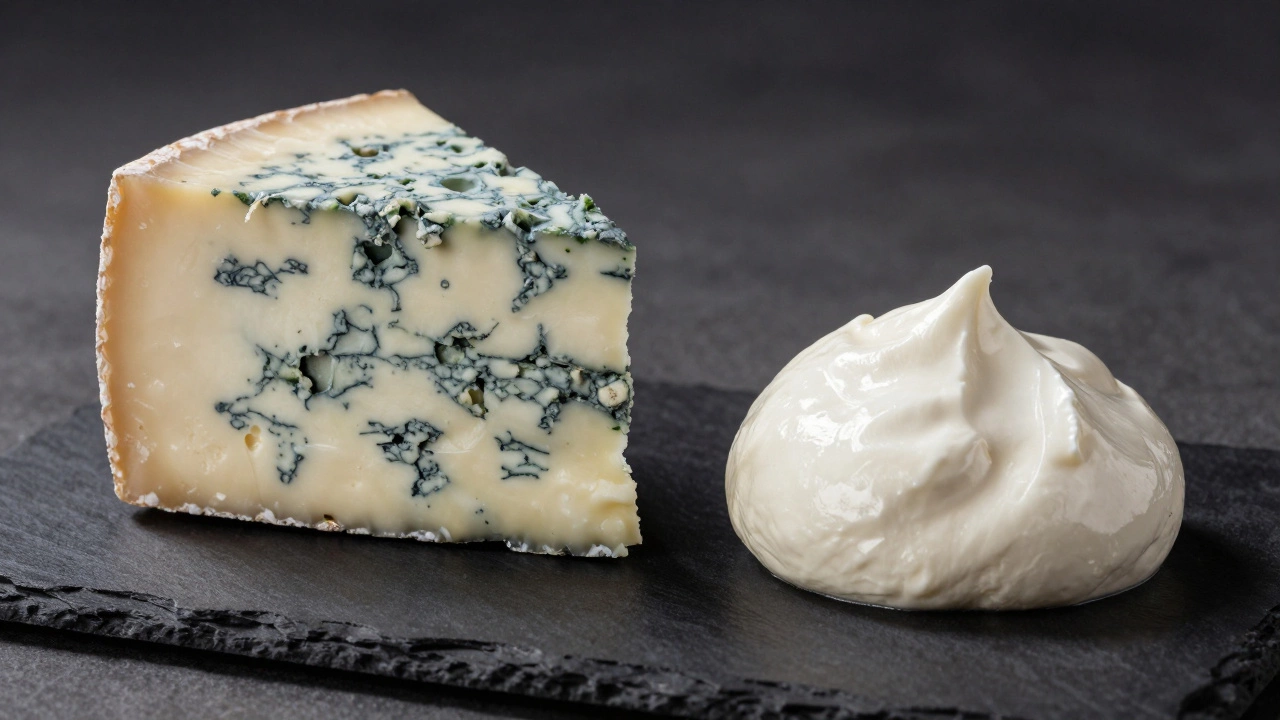
When we talk about moldy cheese, we're usually talking about Blue Cheese. This family includes famous varieties like Roquefort from France, Gorgonzola from Italy, and Stilton from England. These cheeses aren't just 'spoiled'; they are carefully inoculated with Penicillium roqueforti, a specific type of fungus that creates those iconic blue or green veins. The mold breaks down the fats and proteins in the curd, giving the cheese its sharp, salty, and sometimes metallic tang.
The Great Tiramisu Confusion: Mascarpone vs. Blue Cheese
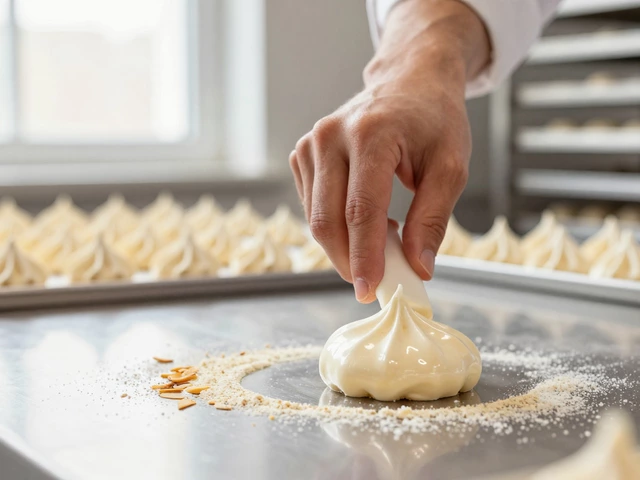
If you're following a traditional Tiramisu recipe, you won't find any moldy cheese involved. The creamy, cloud-like layer that defines the dessert is made from Mascarpone, which is a thick, creamy Italian double-cream cheese made from cow's milk. Unlike blue cheese, Mascarpone has no mold, no veins, and a very mild, sweet taste. Why do people get them confused? Perhaps it's the Italian origin of both Gorgonzola and Mascarpone. While both come from Italy, they sit on opposite ends of the flavor spectrum. Using Gorgonzola instead of Mascarpone in a dessert would be a culinary disaster for most-imagine a coffee-flavored cake that tastes like a strong gym locker. However, some daring chefs use a tiny hint of blue cheese in savory Tiramisu variations, pairing it with figs or honey, but that's a very different beast from the classic dessert.| Feature | Blue Cheese (e.g., Gorgonzola) | Mascarpone |
|---|---|---|
| Appearance | White with blue/green veins | Smooth, creamy white |
| Taste | Salty, sharp, pungent | Mild, buttery, sweet |
| Mold Presence | Intentional Penicillium mold | None |
| Tiramisu Role | Experimental/Savory only | The core creamy layer |
| Texture | Crumbly or creamy-soft | Thick and spreadable |
How Blue Mold Actually Works in Cheese
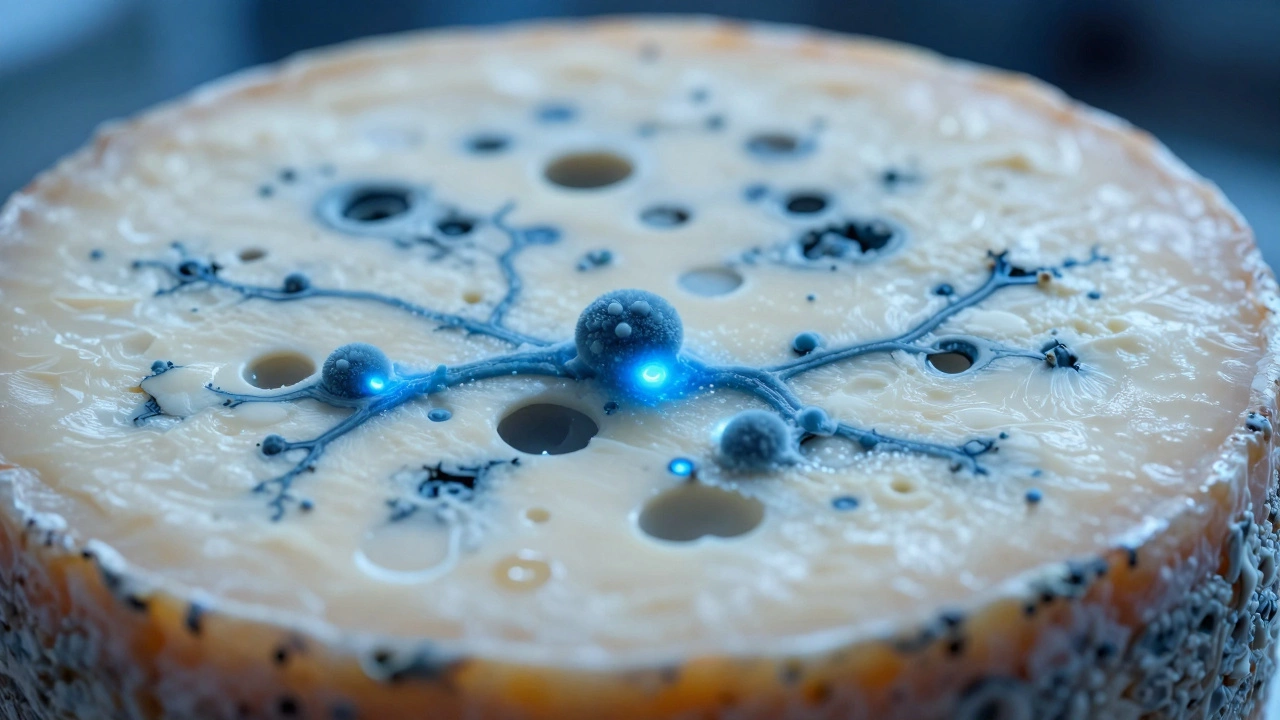
It sounds gross to some, but the "mold" in blue cheese is a biological process called ripening. In the case of Gorgonzola, the cheese is pierced with needles to allow air to enter the center. Since the mold needs oxygen to grow, these tiny tunnels become the highways for the blue veins to expand. This process doesn't just change the color; it changes the chemistry. The mold produces enzymes that release methyl ketones, which are the compounds responsible for that pungent aroma. This is why blue cheese can smell overwhelming but taste complex. If you're eating a cheese board, you'll notice that the saltiness of the moldy cheese cuts through sweetness perfectly. This is why blue cheese is often paired with honey, pears, or sweet dessert wines, even though it doesn't belong in a sweet coffee cake.Common Types of Moldy Cheeses You Should Know
Not all moldy cheeses are "blue." If you're exploring the world of fungi-based dairy, you'll run into a few different categories:- Blue-Veined: As mentioned, these use internal molds. Think Stilton, which is often called the king of English cheeses. It's denser and slightly more buttery than Roquefort.
- Bloomy Rind: These have a white, fuzzy skin on the outside. Brie and Camembert are the best examples. The mold here is Penicillium camemberti, which stays on the surface and creates a creamy, mushroomy flavor.
- Washed Rind: These aren't always "moldy" in the fuzzy sense, but they are treated with brine or alcohol. This encourages the growth of Brevibacterium linens, giving them an orange hue and a very strong, "stinky" smell.
Is Moldy Cheese Safe to Eat?
This is the million-dollar question. There is a huge difference between a cheese that is designed to have mold and a piece of cheddar that you forgot in the fridge for three months. The molds used in commercial cheesemaking, like those in Roquefort, are food-safe and controlled. They don't produce the dangerous mycotoxins that wild mold does. However, if you see pink, black, or bright orange mold on a cheese that is supposed to be plain (like your Mascarpone or a block of Mozzarella), throw it away immediately. That is spontaneous contamination, and it can make you very sick. For soft cheeses, if you see fuzzy growth on the surface, the mold spores have likely penetrated deep into the moisture of the cheese, making the whole batch unsafe. For hard cheeses, you can sometimes cut an inch around the mold, but when in doubt, toss it out.Pairing Moldy Cheese with Sweets
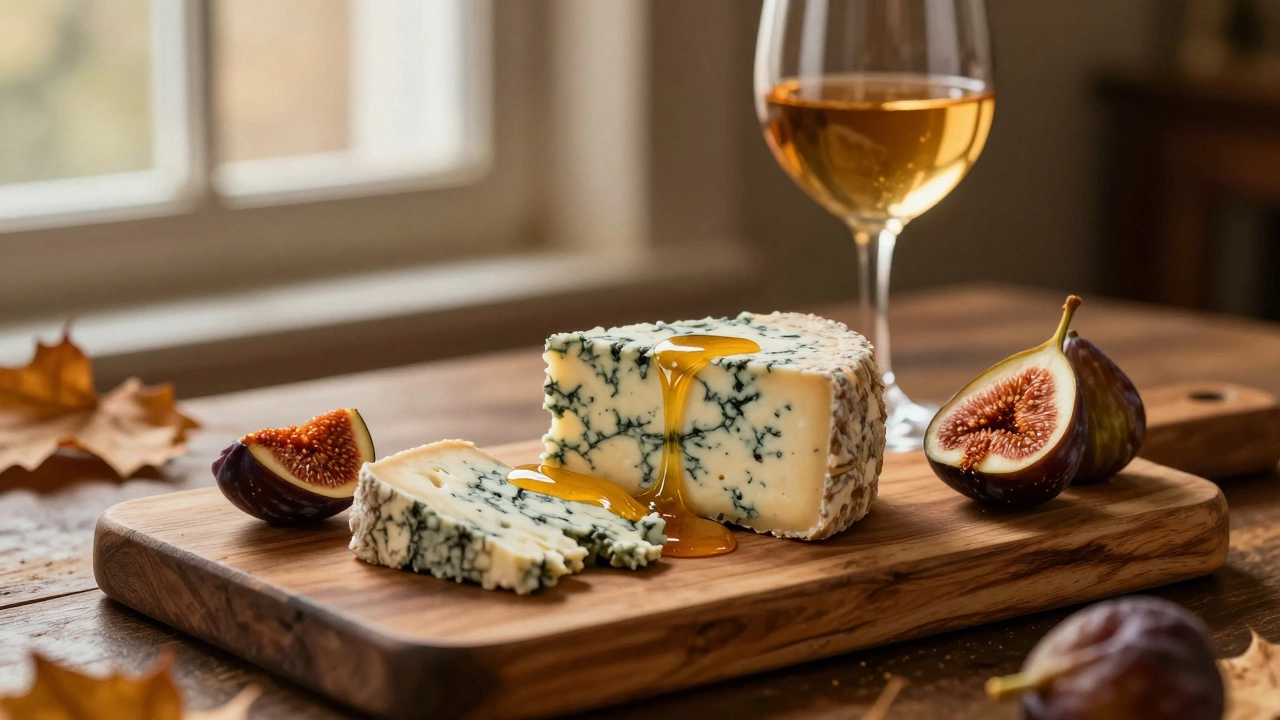
While we've established that blue cheese isn't for Tiramisu, it is incredible when paired with other dessert-like elements. The salt-to-sugar ratio creates a flavor explosion. If you want to experiment with this "moldy" taste without ruining a cake, try these combinations:- Gorgonzola and Honey: Drizzle raw honey over a slice of Gorgonzola Dolce. The sweetness balances the salt perfectly.
- Stilton and Dried Figs: The concentrated sugar in dried figs complements the earthy, metallic notes of the cheese.
- Roquefort and Sauternes: This is a classic French pairing. The high acidity and sweetness of the Sauternes wine cut through the fat of the moldy sheep's milk cheese.
The Role of Temperature in Flavor
If you're tasting these cheeses for the first time, don't eat them straight from the fridge. Cold temperatures mute the volatile compounds that make blue cheese taste so distinct. Let your cheese sit at room temperature for about 30 to 60 minutes. You'll notice the texture becomes creamier and the aroma becomes more pronounced. This is the same reason why Mascarpone in a Tiramisu is often served slightly chilled but not frozen-you want the fats to be soft enough to melt on your tongue.What is the name of the mold used in blue cheese?
The most common mold used in blue cheese is Penicillium roqueforti. This specific fungus is what creates the blue-green veins and the characteristic sharp flavor found in cheeses like Roquefort and Gorgonzola.
Can I use blue cheese in a Tiramisu?
In a traditional sweet Tiramisu, no. You should use Mascarpone. Blue cheese is far too salty and pungent. However, some experimental chefs create "savory Tiramisu" using a mix of blue cheese, cream, and savory crackers, but this is not a dessert.
Is Gorgonzola the same as blue cheese?
Gorgonzola is a type of blue cheese. While "blue cheese" is the general category for any cheese with blue mold, Gorgonzola is a specific Italian variety with its own protected origin and unique taste profiles (ranging from the sweet Dolce to the sharp Piccante).
How can I tell if the mold on my cheese is dangerous?
If the cheese is intended to be blue or bloomy (like Brie), the mold is safe. If the cheese is a plain variety (like Cheddar or Mascarpone) and you see fuzzy growth, especially in colors like black, pink, or bright orange, it is contaminated and should be discarded.
What is the difference between Mascarpone and Cream Cheese?
Mascarpone is not fermented with bacteria like cream cheese is, which is why it lacks that tangy, acidic flavor. It has a higher fat content, making it much creamier and sweeter, which is why it's the perfect partner for espresso and cocoa in Tiramisu.