Cheesecake Substitute Calculator
Substitute Calculator
Recommended Substitution
For oz cream cheese:
50/50 Mix
oz sour cream
oz cream cheese
All Sour Cream
oz sour cream
+ tbsp cornstarch
Ever found yourself halfway through making a cheesecake, only to realize you’re out of cream cheese? You panic. You check the fridge. All you’ve got is a tub of sour cream. Can you use it instead? The short answer: sour cream can work - but not exactly like cream cheese. It changes the texture, flavor, and even how the cake bakes. But if you’re in a pinch, or you want a tangier, lighter cheesecake, it’s a legit swap - with some tweaks.
What’s the Difference Between Sour Cream and Cream Cheese?
They both come from cultured dairy, but that’s where the similarities end. Cream cheese is made by coagulating milk and cream, then draining off most of the whey. That gives it a thick, spreadable, almost buttery texture with about 33% fat. Sour cream is made by fermenting cream with lactic acid bacteria. It’s thinner, more liquid, and has about 20% fat. It’s also tangier - not just from acidity, but from active cultures that give it a sharper bite. In a classic New York-style cheesecake, cream cheese is the backbone. It holds structure, adds richness, and melts smoothly into the batter. Sour cream? It’s more of a guest. It adds moisture and brightness, but it won’t set the same way.What Happens If You Swap Them 1:1?
If you dump a cup of sour cream in place of a cup of cream cheese, you’re going to get a runnier batter. The cheesecake might not set properly in the oven. You could end up with a custard-like texture - not bad, just not what you expected. The crust might get soggy. And the flavor? It’ll be more like a tangy custard pie than a dense, creamy cheesecake. Real talk: I tried this once in 2023, right after a snowstorm in Halifax when every store was out of cream cheese. I used 100% sour cream. The result? A delicious, slightly jiggly dessert that tasted like a cross between cheesecake and crème brûlée. My kids loved it. My husband asked, “Is this supposed to be like this?” I said, “Yes. And it’s good.”How to Use Sour Cream as a Substitute (The Right Way)
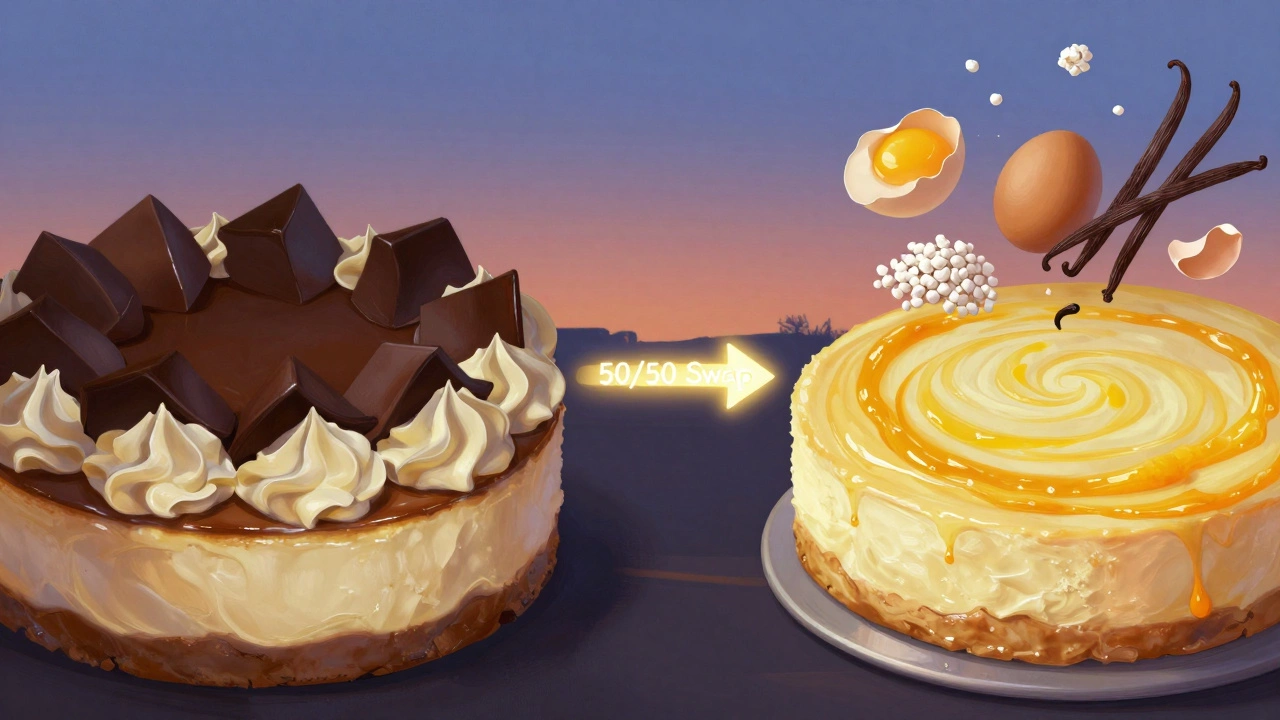
You can’t just swap them. You need to adjust. Here’s how to make it work:- Use only half sour cream, half cream cheese. If your recipe calls for 16 oz of cream cheese, use 8 oz cream cheese + 8 oz sour cream. This keeps the structure while adding tang.
- If you’re using all sour cream, add 2 tablespoons of cornstarch or flour. This helps the batter set. Mix it into the sugar first so it doesn’t clump.
- Don’t overmix. Sour cream is more delicate. Fold it in gently after the eggs. Overbeating = air bubbles = cracks.
- Bake at a lower temperature. Reduce oven heat by 25°F (about 15°C). Sour cream’s higher water content means it takes longer to set without overcooking the edges.
- Let it chill longer. Refrigerate for at least 8 hours, preferably overnight. Sour cream cheesecakes need more time to firm up.
Flavor and Texture Changes You’ll Notice
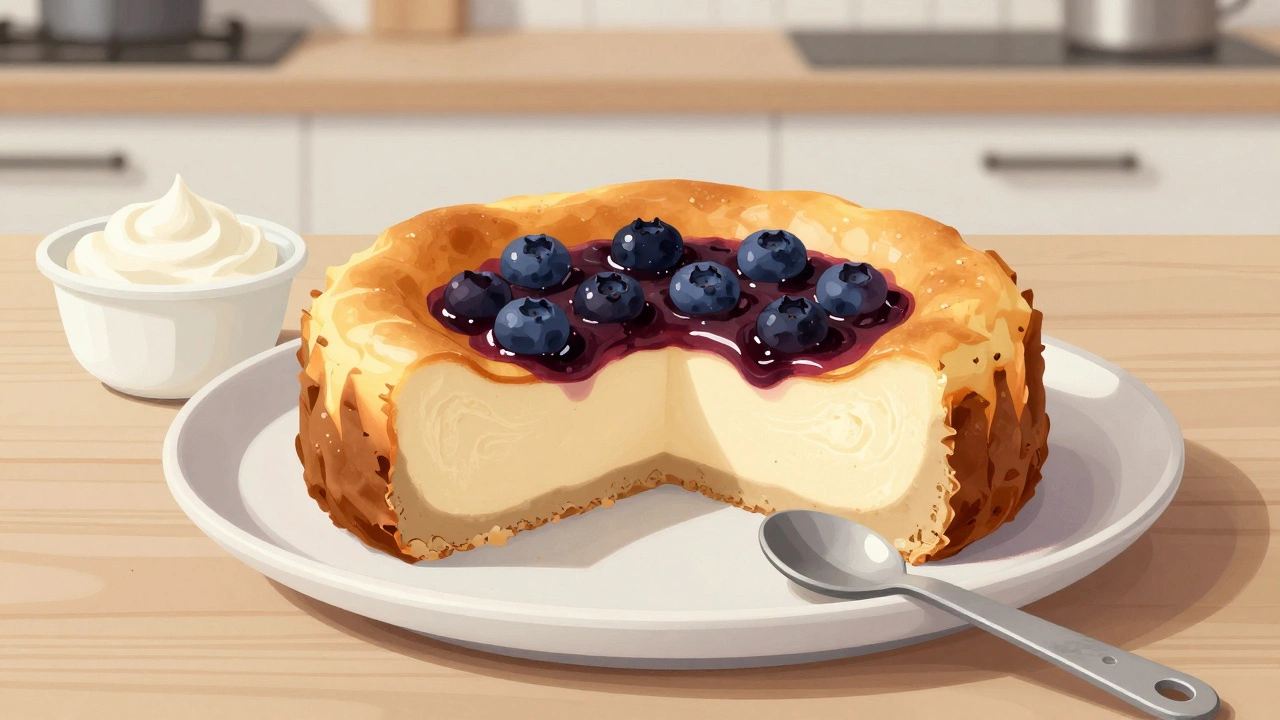
When you make the swap, here’s what to expect:- Texture: Lighter, smoother, less dense. More like a French-style cheesecake than a New York one.
- Flavor: Brighter, more acidic. The tang cuts through sweetness nicely - great if you’re using berries or citrus toppings.
- Appearance: Slightly less pale. Might have a subtle off-white tint. No cracks if you bake it low and slow.
- Shelf life: Same as regular cheesecake. Keeps 5 days in the fridge.
When This Swap Works Best
Sour cream shines in certain cheesecake styles:- Philadelphia-style - where cream cheese is already mixed with eggs and sugar, not baked as a dense block.
- Flavored cheesecakes - lemon, raspberry, or chocolate. The tang of sour cream enhances fruit flavors.
- No-bake cheesecakes - if you’re using whipped cream or gelatin, sour cream blends in beautifully.
- Low-fat versions - sour cream adds creaminess without the fat of full-fat cream cheese.
What Not to Do
Don’t try this swap if you’re making:- Classic New York cheesecake - it relies on the density of cream cheese. Sour cream will make it too soft.
- Mini cheesecakes in muffin tins - they bake faster and need more structure. Sour cream = collapse risk.
- Decorated or layered cheesecakes - the filling needs to hold its shape for slicing.
Other Sour Cream Substitutes (If You Don’t Have Cream Cheese)
If sour cream isn’t your only option, here are other swaps:- Greek yogurt (full-fat): Thicker than sour cream, less tang. Use 1:1 with a pinch of cornstarch.
- Cottage cheese (blended smooth): Blend until silky. Add 1 tbsp lemon juice to mimic cream cheese’s tang.
- Mascarpone: Richer, sweeter. Use 1:1, but reduce sugar in the recipe by 1-2 tbsp.
- Soft tofu (silken, drained): For vegan options. Add 1 tbsp lemon juice and 1 tsp vinegar for tang.
Real Recipe Example: Sour Cream Cheesecake (Halifax Winter Edition)
Here’s what I actually made that snowy December night:- 8 oz cream cheese (softened)
- 8 oz sour cream (full-fat)
- 3/4 cup granulated sugar
- 3 large eggs
- 1 tbsp cornstarch
- 1 tsp vanilla extract
- Pinch of salt
- Crust: 1 1/2 cups graham cracker crumbs, 5 tbsp melted butter
Final Verdict: Yes, But With Conditions
Can you use sour cream instead of cream cheese? Yes - if you’re flexible. You won’t get the same dense, rich bite. But you’ll get something equally comforting, with a brighter flavor that’s perfect for modern palates. It’s not a perfect substitute. It’s a delicious alternative. If you’re baking for a crowd, stick to cream cheese. If you’re baking because you ran out, or you want something lighter, go for it. Cheesecake isn’t about perfection. It’s about making something sweet, creamy, and shared - even if you had to improvise.Can I use sour cream instead of cream cheese in a no-bake cheesecake?
Yes, and it works even better than in baked versions. No-bake cheesecakes rely on whipped cream or gelatin to set, so sour cream blends in smoothly. Just make sure to use full-fat sour cream and chill it for at least 6 hours. The tang enhances fruit toppings like strawberry or lemon.
Will sour cream make my cheesecake crack?
Actually, sour cream can help prevent cracks. It adds moisture and lowers the baking temperature needed. The key is to avoid overmixing and to let the cheesecake cool slowly in the turned-off oven. Cracks usually come from overbaking or too much air whipped in - not from sour cream itself.
Can I use low-fat sour cream as a substitute?
It’s not recommended. Low-fat sour cream has more water and less fat, which means your cheesecake won’t set properly. It might turn out watery or grainy. Stick with full-fat for best results. If you’re watching fat, try Greek yogurt instead - it’s thicker and holds structure better.
How much sour cream should I use to replace cream cheese?
For best results, use a 50/50 mix: half cream cheese, half sour cream. If you want to go all sour cream, use the same volume but add 1-2 tablespoons of cornstarch or flour to help it set. Don’t try to swap 1:1 without thickening agents - the texture will be too soft.
Does sour cream change the baking time?
Yes. Because sour cream has more water, the cheesecake takes longer to set. Lower the oven temperature by 25°F and bake 10-15 minutes longer. Always check for doneness by gently shaking the pan - the center should jiggle slightly like Jell-O, not slosh.