Cheesecake Impact Calculator
Understand the hidden costs of your favorite dessert. Select your cheesecake type and portion size to see how it fits into your daily dietary goals.
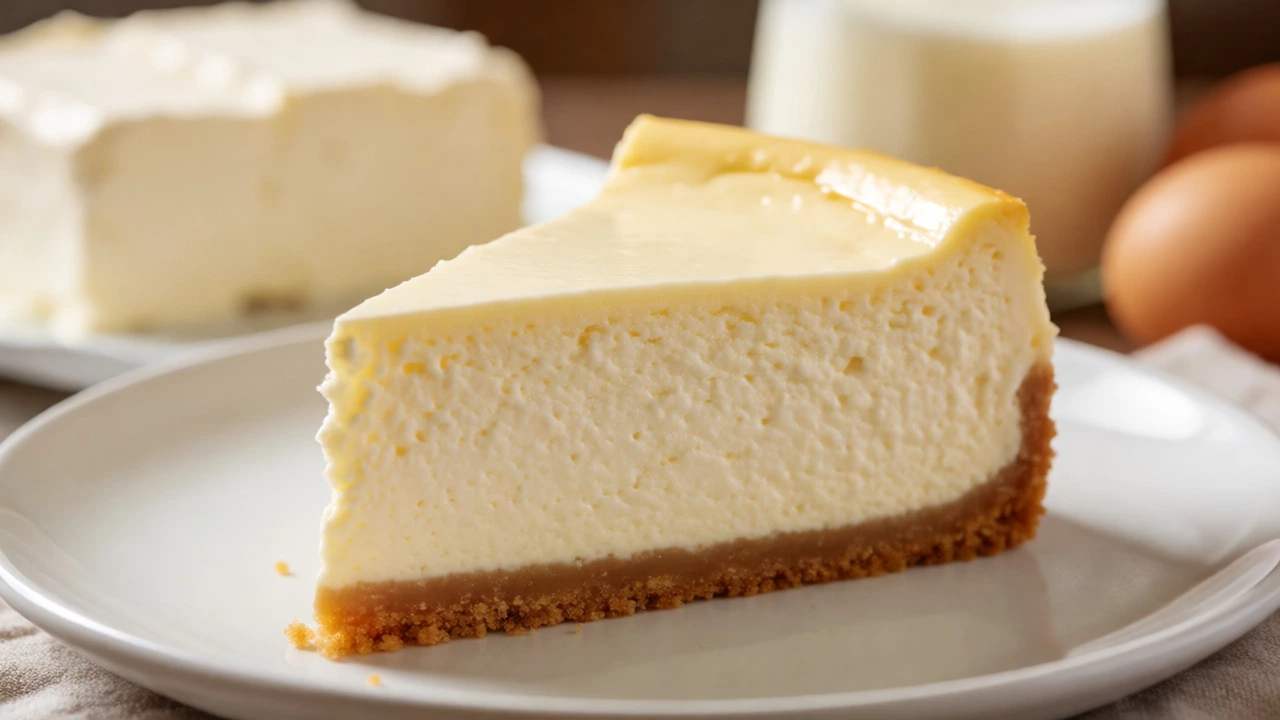
You just pulled a perfect slice of cheesecake out of the fridge. It looks glossy, dense, and absolutely irresistible. But before you take that second bite, have you ever stopped to think about why this creamy favorite might actually be working against you? It’s not just about the calories, though those are significant. There are real downsides to this dessert, ranging from tricky baking chemistry to digestive discomfort for sensitive stomachs.
We love cheesecake because it’s rich and satisfying. But loving something doesn’t mean ignoring its flaws. Whether you’re a home baker struggling with cracks or someone trying to manage their sugar intake, understanding the disadvantages helps you make smarter choices. Let’s break down exactly what goes wrong with cheesecake, so you can decide if it’s worth the trouble.
The Calorie and Fat Reality Check
Let’s start with the obvious one. Cheesecake is essentially a concentrated block of dairy fat. A standard slice of New York-style cheesecake can easily pack between 400 and 500 calories. That’s nearly a quarter of the daily recommended intake for an average adult, all in one small wedge.
Why so high? The base ingredient is cream cheese. Unlike yogurt or cottage cheese, cream cheese has a fat content hovering around 33%. When you add heavy cream, eggs, and sugar, you create a calorie-dense matrix. If you’re watching your weight, eating a full slice regularly can quietly derail progress. It’s easy to underestimate portion sizes because the density makes it feel like a "light" meal replacement, but biologically, it acts like a heavy dinner.
Beyond calories, the type of fat matters. Most traditional recipes rely on saturated fats. While modern nutrition science is more nuanced than the old "all fat is bad" dogma, excessive saturated fat intake can still impact cholesterol levels in some individuals. If you have a family history of heart disease, treating cheesecake as an occasional treat rather than a weekly staple is a smart move.
Digestive Discomfort and Lactose Intolerance
For many people, the problem isn’t just calories-it’s digestion. Cheesecake is a lactose bomb. Even if you aren’t fully lactose intolerant, the sheer volume of dairy in a single serving can cause bloating, gas, or cramps. This is especially true for New York cheesecake, which uses large quantities of unfermented cream cheese.
Some bakers try to mitigate this by using sour cream or Greek yogurt in the batter. These ingredients contain live cultures that help break down some lactose during fermentation and baking. However, the heat often kills the probiotics, leaving the lactose intact. If you notice feeling sluggish or bloated after dessert, cheesecake might be the culprit. It sits heavily in the stomach due to its high fat content, slowing down gastric emptying. That means you feel full longer, but also heavier and potentially nauseous if you’ve eaten too much.
The Cracking Nightmare: Baking Chemistry Gone Wrong
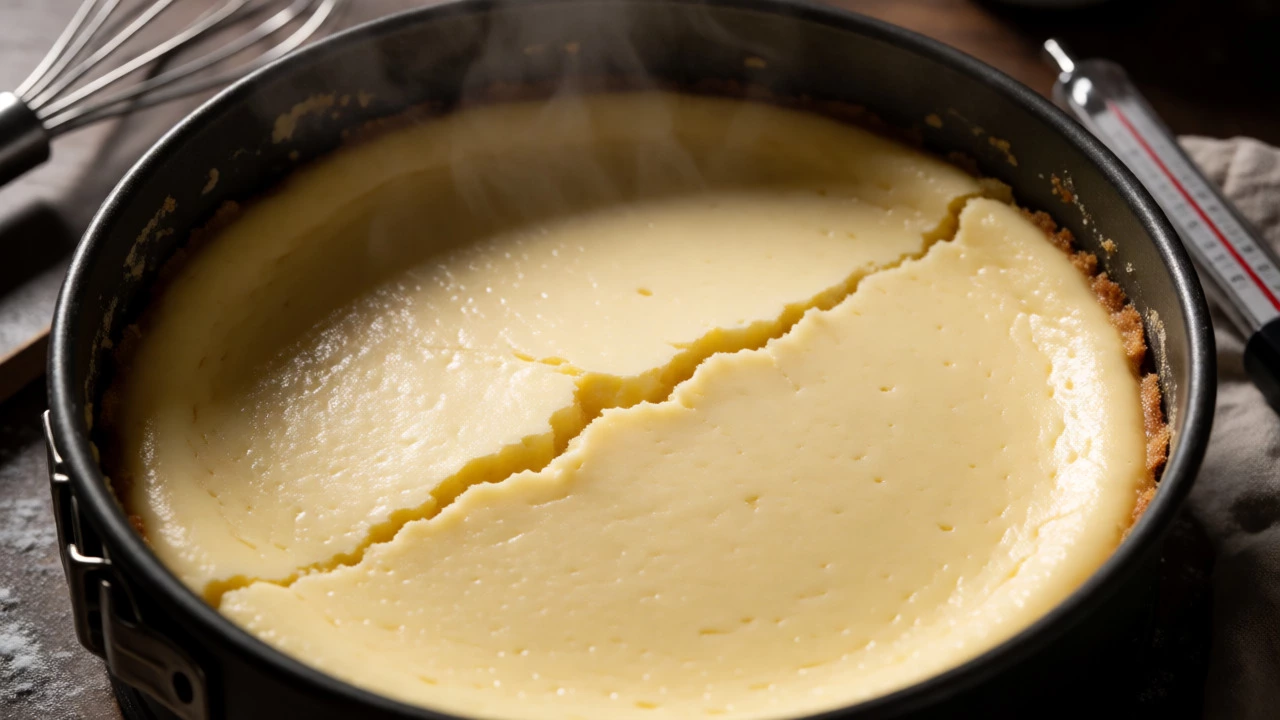
If you bake, you know the pain. You spend hours mixing, pouring, and waiting, only to open the oven and see a jagged crack running through the center. Why does this happen? It comes down to protein coagulation and thermal shock.
Cheesecake batter is an emulsion of fat, water, and egg proteins. As it bakes, the proteins tighten up to set the structure. If the oven temperature is too high, the outer edges set quickly while the center remains liquid. As the center continues to cook and expand, it pushes against the rigid crust, causing it to split. Then, when you remove it from the heat, the rapid cooling causes contraction. The crust contracts faster than the center, pulling it apart.
Fixing this requires precision. You need low temperatures (around 325°F or 160°C), a water bath to ensure even heating, and gradual cooling. Leaving the cake in the turned-off oven with the door ajar for an hour helps prevent the sudden temperature drop. It’s a high-maintenance process compared to tossing brownies in a pan and walking away.
Texture Failures: Gummy, Grainy, or Weeping
Cracks aren’t the only texture issue. Overmixing is a silent killer. When you beat cream cheese and eggs together, you incorporate air. Some air is good for lightness, but too much creates bubbles that expand in the oven and then collapse, leaving a dry, crumbly texture instead of a smooth, creamy one.
Then there’s weeping. This happens when the emulsion breaks, and whey separates from the curds. You’ll see a pool of watery liquid on top of your cheesecake. This usually results from overbaking. Once the internal temperature exceeds 150°F (65°C) significantly, the proteins squeeze out moisture. The result is a rubbery, grainy mouthfeel rather than the silky smoothness you expect.
| Issue | Primary Cause | Prevention Tip |
|---|---|---|
| Cracking | Rapid temperature change & overbeating | Use a water bath; cool gradually |
| Grittiness | Overmixing eggs into batter | Mix on low speed; stop once combined |
| Weeping | Overbaking (internal temp >155°F) | Pull cake while center is still jiggly |
| Soggy Crust | Moisture migration from filling | Brush crust with egg white before filling |
The Long Waiting Game: Setting Time
Patience is a virtue, but cheesecake tests it severely. You cannot eat it fresh out of the oven. In fact, eating it warm is often considered a mistake because the structure hasn’t stabilized. The gelatin-like network formed by the eggs needs time to firm up at cold temperatures.
Most recipes require at least four hours in the refrigerator, but eight hours or overnight is ideal for clean slices. If you cut it too early, it slumps and looks messy. For impromptu gatherings, this is a major disadvantage. You can’t whip up a cheesecake in two hours like you can with cookies or mug cakes. Planning ahead is non-negotiable.
High Sugar Content and Glycemic Impact
Sugar isn’t just for sweetness; it affects texture. Traditional recipes call for a lot of it-often a cup or more per cake. This spikes the glycemic load. For diabetics or those managing insulin resistance, a slice of cheesecake can cause a sharp blood sugar rise followed by a crash, leading to fatigue and hunger shortly after eating.
While sugar-free versions exist, they often rely on artificial sweeteners like sucralose or erythritol. These can sometimes cause digestive upset or leave a metallic aftertaste. Finding a balance between natural sweetness and manageable sugar levels requires experimentation, which adds another layer of complexity to the recipe.
Cost of Ingredients
Quality cheesecake isn’t cheap. Premium brands of cream cheese cost significantly more than generic options. Add in vanilla bean paste, fresh berries for topping, and high-quality butter for the crust, and the price per cake climbs fast. A homemade cheesecake might seem economical compared to bakery prices, but the raw material costs are substantial. If you’re feeding a crowd, the expense multiplies quickly.
Storage Limitations
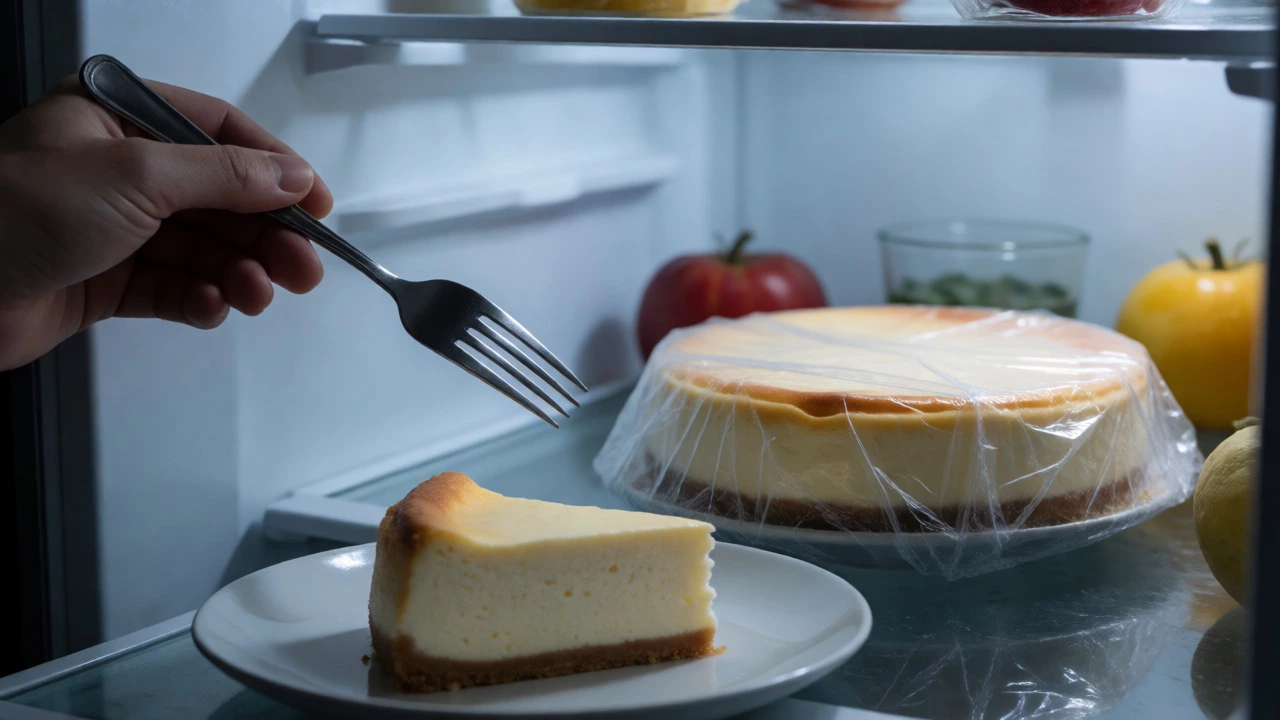
Cheesecake is perishable. Unlike fruit pies or cookies that last days on the counter, cheesecake must stay refrigerated. It dries out quickly if uncovered, developing a hard skin. Wrapping it properly is essential. Freezing works, but the texture changes upon thawing. It becomes slightly icier and less creamy. If you plan to serve guests, you need fridge space and careful handling to avoid absorbing other food odors.
Is It Worth It?
Despite these drawbacks, cheesecake remains popular for a reason. The richness provides deep satisfaction. But knowing the disadvantages lets you navigate them. Use a water bath to prevent cracks. Monitor internal temperature to avoid weeping. Control portions to manage calories. And always, always let it chill overnight.
If you struggle with the technical aspects, consider no-bake cheesecakes. They eliminate cracking and baking errors but introduce stability issues-they can be softer and harder to slice. Each method has trade-offs. Your choice depends on whether you prioritize ease of preparation, texture perfection, or dietary constraints.
Why is my cheesecake gummy?
Gumminess usually results from underbaking or insufficient chilling. The egg proteins haven't fully coagulated to form a stable structure, or the fat hasn't solidified enough. Ensure the internal temperature reaches 150°F (65°C) and refrigerate for at least 8 hours before slicing.
Can I reduce the fat in cheesecake without ruining it?
Yes, but expect texture changes. Substituting half the cream cheese with Neufchatel cheese reduces fat by about 33% with minimal taste difference. Using Greek yogurt can lower fat further but may make the cake tangier and less dense. Avoid substituting all fat, as it leads to a rubbery texture.
How do I fix a cracked cheesecake?
You can't physically glue it back together, but you can hide it. Top the cheesecake with whipped cream, fruit compote, or chocolate ganache. Prevention is key: bake at low temps, use a water bath, and cool slowly in the turned-off oven.
Is cheesecake bad for cholesterol?
Traditional cheesecake is high in saturated fat, which can raise LDL cholesterol in susceptible individuals. One slice contains roughly 20-25g of saturated fat. If you have high cholesterol, limit consumption to special occasions or choose lighter alternatives like baked ricotta desserts.
Why does my cheesecake crust get soggy?
Moisture from the wet filling migrates into the dry crumb crust. To prevent this, brush the pre-baked crust with a thin layer of beaten egg white and bake for 2 minutes to seal it before adding the filling. Alternatively, freeze the crust briefly before pouring the batter.