Cheesecake Dairy Substitution Calculator
Ingredients & Quantity
Result Title
Mixing Ratios:
Select your substitute and click calculate to see the exact measurements and techniques required.
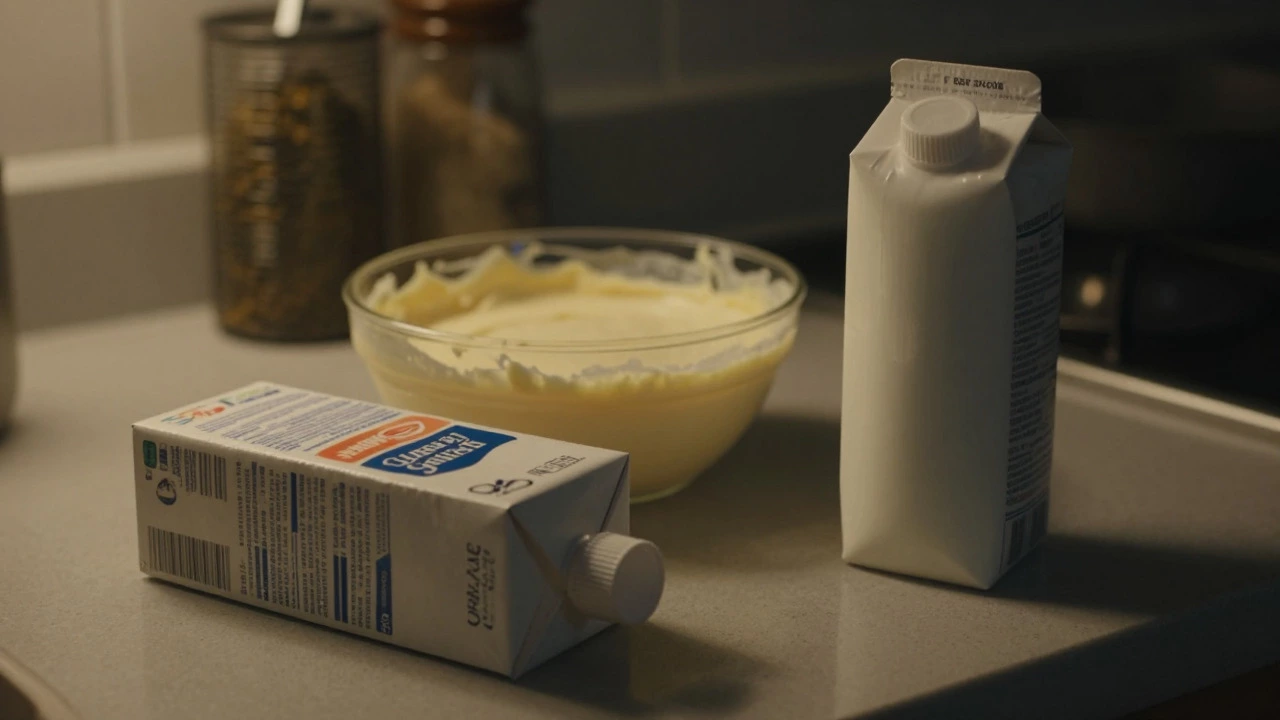
It’s 2 AM. You’re making a New York-style cheesecake is a dense, rich dessert made primarily from cream cheese, sugar, eggs, and heavy cream. You reach for the carton of heavy cream, only to find it empty. The fridge contains a can of evaporated milk left over from a coffee experiment last week. Can you just swap them? It’s both liquid and dairy, right?
The short answer is: yes, but with major caveats. If you dump evaporated milk into your batter expecting the same silky, luxurious texture as heavy cream, you might be disappointed. These two ingredients behave very differently under heat. Understanding why matters if you want your cheesecake to turn out creamy rather than watery or rubbery.
Why Heavy Cream Works in Cheesecake
To understand the substitution, you first need to know what heavy cream does. Heavy cream is a high-fat dairy product containing at least 36% milk fat. In cheesecake, that fat serves three critical jobs:
- Texture: Fat coats the proteins in the cream cheese, preventing them from tightening too much during baking. This keeps the cake tender.
- Richness: Fat carries flavor and provides that mouth-coating sensation we associate with luxury desserts.
- Structure: While eggs provide structure, the fat content stabilizes the emulsion, helping the batter hold together without cracking excessively.
When you bake a cheesecake, the water in the mixture evaporates, leaving behind the fat and protein network. High fat means less water relative to solids, resulting in a denser, smoother final product.
What Evaporated Milk Actually Is
Evaporated milk is canned milk that has had about 60% of its water removed. It looks thick because it’s concentrated, not because it’s high in fat. Regular evaporated milk still has only about 8-10% fat-roughly one-third the fat content of whole milk, let alone heavy cream.
Here’s the trap: evaporated milk feels viscous when cold, so it seems like a logical stand-in for cream. But viscosity isn’t fat. When heated, evaporated milk behaves more like thin milk than thick cream. If you use it straight, you’re adding mostly water and protein back into your batter, which changes the chemistry entirely.
The Risks of Substituting Evaporated Milk for Heavy Cream
If you replace heavy cream with an equal amount of evaporated milk, here’s what typically happens:
- Watery Texture: The extra water content doesn’t fully evaporate during the relatively low-temperature bake of a cheesecake (usually 325°F/160°C). Your center may remain soft or even soupy.
- Rubbery Mouthfeel: Without enough fat to coat the proteins, the casein in the cream cheese and evaporated milk can over-coagulate, leading to a tough, rubbery bite instead of a smooth melt.
- Less Flavor Depth: Fat carries aromatic compounds. Less fat means a blander, more “milk-forward” taste rather than the rich, indulgent profile you expect.
- Increased Cracking: A higher water-to-fat ratio creates more steam during baking, which can cause the surface to crack as it expands and contracts.
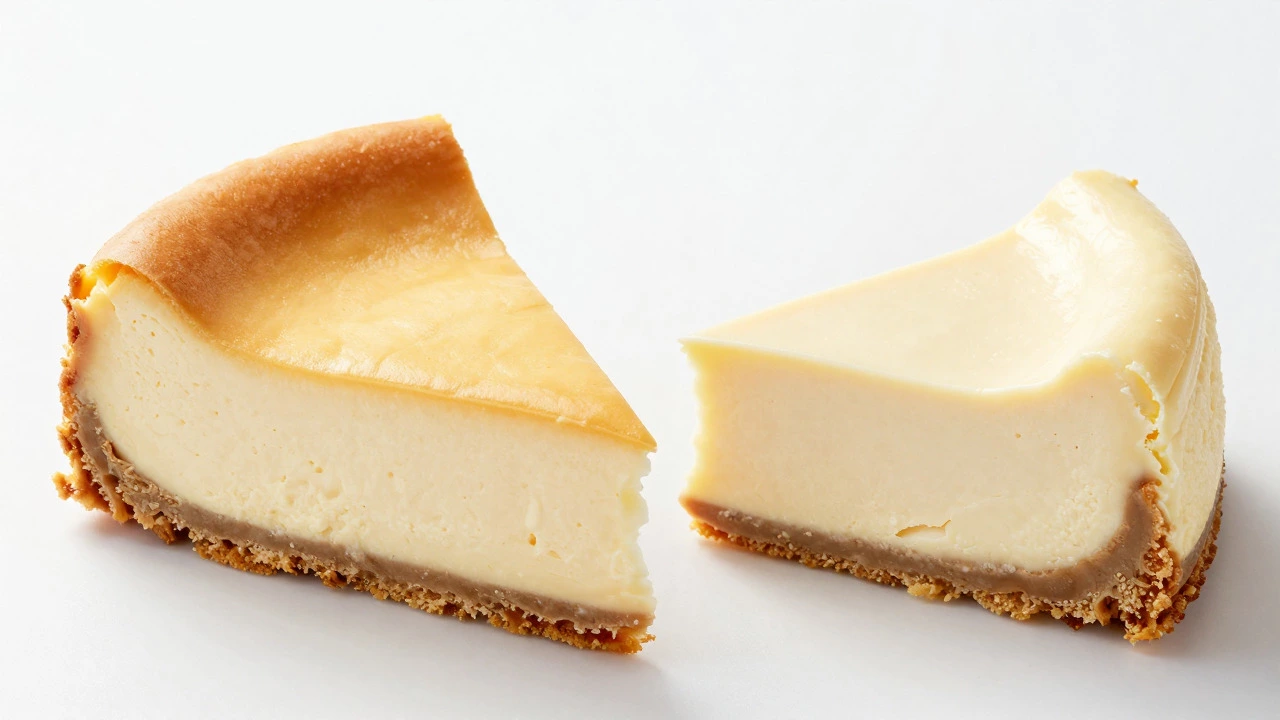
This doesn’t mean your cheesecake will fail catastrophically. It’ll likely still be edible-and possibly delicious-but it won’t have the classic New York density or silkiness.
How to Make the Swap Work Better
If you’re committed to using evaporated milk, you can mitigate the risks with a few adjustments. The goal is to mimic the fat content and reduce excess moisture.
Option 1: Whipped Evaporated Milk (Best for Fold-In Methods)
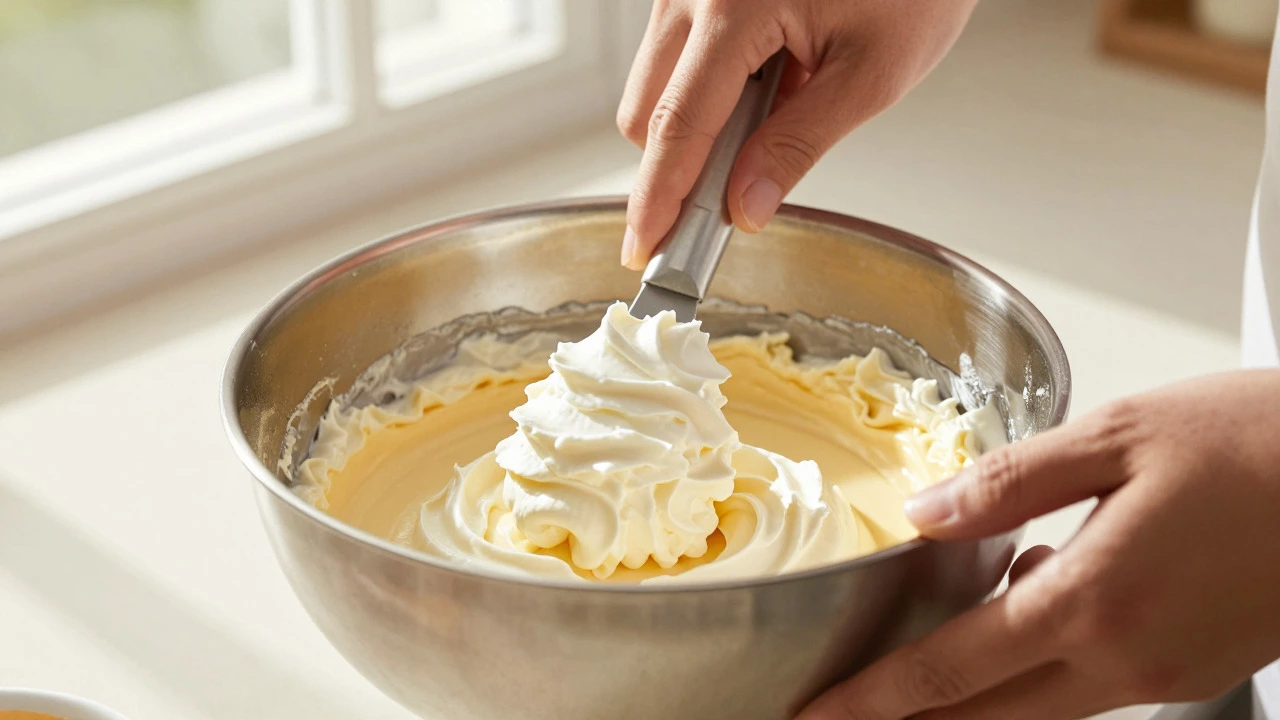
You can whip chilled evaporated milk to incorporate air and create a lighter structure. Here’s how:
- Chill a metal bowl and beaters for 30 minutes.
- Pour in cold evaporated milk and whip on medium-high speed until soft peaks form (about 5-7 minutes).
- Fold this whipped evaporated milk gently into your finished cheesecake batter instead of pouring it in liquid.
This method introduces air, which helps compensate for the lack of fat by creating a lighter, mousse-like texture. It works best in lighter, baked cheesecakes rather than dense New York styles.
Option 2: Add Fat Back In
Since evaporated milk lacks fat, add it separately. For every cup of evaporated milk you use, mix in:
- ½ cup melted butter (cooled slightly), OR
- ¼ cup vegetable oil + ¼ cup sour cream (for tang and body)
This restores some of the missing richness and helps prevent rubberiness. Just ensure the added fat is cool before mixing to avoid curdling the cream cheese.
Option 3: Reduce the Evaporated Milk First
Simmer evaporated milk in a saucepan over medium heat until it reduces by half (about 15-20 minutes). Stir frequently to prevent scorching. Let it cool completely before adding to your batter. This concentrates the solids and removes some water, bringing it closer to the consistency of light cream.
Note: Reduced evaporated milk will have a slightly caramelized flavor due to Maillard reaction. This pairs well with chocolate or coffee cheesecakes but may clash with delicate fruit flavors.
Comparison Table: Heavy Cream vs. Evaporated Milk in Cheesecake
| Attribute | Heavy Cream | Evaporated Milk | Reduced Evaporated Milk |
|---|---|---|---|
| Fat Content | 36-40% | 8-10% | 15-20% (after reduction) |
| Water Content | ~60% | ~90% (original), ~70% (reduced) | ~70% |
| Texture Impact | Dense, smooth, rich | Lighter, potentially watery | Creamier, slightly caramelized |
| Flavor Profile | Neutral, rich | Milky, cooked note | Sweet, toasted notes |
| Best For | New York style, dense cakes | Lighter bakes, no-bake sets | Chocolate, coffee, spice cakes |
Better Alternatives If You’re Out of Heavy Cream
If evaporated milk feels like too much work or risk, consider these easier swaps that perform better in cheesecake:
- Full-Fat Greek Yogurt: Mix 1 cup yogurt with 2 tbsp melted butter. Adds tang and body without excess water.
- Sour Cream: Use 1:1 replacement. Similar fat content (18-20%) and adds desirable acidity.
- Buttermilk + Butter: Combine ¾ cup buttermilk with ¼ cup melted butter. Mimics the fat-acid balance of cream.
- Coconut Cream (for dairy-free): Chill a can of full-fat coconut milk, scoop out the solidified top layer. High fat (20-25%), works well in tropical-flavored cheesecakes.
Avoid skim milk, almond milk, or oat milk unless you’re prepared for significant texture changes. These low-fat options introduce too much water and not enough structure, often leading to collapsed or grainy results.
Pro Tips for Success With Any Dairy Swap
No matter which substitute you choose, follow these guidelines to protect your cheesecake:
- Keep Everything Cold: Cream cheese, eggs, and dairy substitutes should be refrigerated. Warm ingredients increase the risk of curdling and uneven mixing.
- Don’t Overmix: Once you add eggs, mix just until combined. Overbeating incorporates too much air, causing cracks and a soufflé-like rise that collapses later.
- Use a Water Bath: Even with perfect substitutions, a water bath (bain-marie) ensures gentle, even heating. Place your springform pan in a roasting dish filled with 1 inch of hot water. This prevents rapid temperature changes that cause cracking.
- Cool Slowly: After baking, turn off the oven, crack the door open, and let the cheesecake cool inside for 1 hour. Then remove and chill overnight. Rapid cooling shocks the structure, leading to shrinkage and cracks.
When Evaporated Milk Actually Shines in Desserts
While it’s not ideal for traditional baked cheesecake, evaporated milk excels in other applications where its concentration and mild sweetness are assets:
- No-Bake Cheesecakes: Since there’s no baking to drive off moisture, the thicker consistency of evaporated milk helps set the filling faster when combined with gelatin or whipped cream.
- Cheesecake Frostings: Blend softened cream cheese with powdered sugar and a splash of evaporated milk for a spreadable, stable frosting that holds up better than cream-based ones.
- Ice Cream Bases: Evaporated milk adds body and prevents ice crystal formation. Many artisanal ice cream recipes call for it instead of heavy cream for a lighter yet creamy result.
So while it’s not the hero ingredient for classic baked cheesecake, evaporated milk has its place in the dessert pantry-just not always in the role you’d assume.
Final Verdict: Should You Do It?
If you’re making a special occasion cheesecake and precision matters, skip the evaporated milk and use sour cream, Greek yogurt, or even buy a small carton of heavy cream. The difference in texture and richness is noticeable.
If you’re experimenting, making a casual family treat, or working with limited ingredients, go ahead-but adjust your expectations. Aim for a lighter, custard-like result rather than a dense, restaurant-quality slice. And remember: reduce the evaporated milk first, add fat back in, and don’t skip the water bath.
Baking is science disguised as art. Sometimes the best ingredient is patience-and knowing when to adapt without compromising too much.
Can I use evaporated milk instead of heavy cream in no-bake cheesecake?
Yes, evaporated milk works better in no-bake cheesecakes than in baked ones. Since there’s no heat to evaporate excess moisture, the thicker consistency of evaporated milk helps stabilize the filling. Mix it with softened cream cheese, sugar, and gelatin or whipped cream for a set that holds its shape. Just note that the flavor will be milder and less rich than versions made with heavy cream.
Does evaporated milk make cheesecake watery?
It can, if used straight without adjustment. Evaporated milk contains significantly more water than heavy cream. During baking, not all that water evaporates, especially in the cooler center of the cheesecake. To prevent sogginess, reduce the evaporated milk first by simmering it down, or balance it with added fat like butter or sour cream to mimic the solid content of cream.
What’s the best substitute for heavy cream in cheesecake if I’m out?
Sour cream or full-fat Greek yogurt are the closest matches in terms of fat content and texture. Use them in a 1:1 ratio. For a richer option, combine melted butter with buttermilk (¼ cup butter + ¾ cup buttermilk per cup of cream needed). These alternatives maintain the desired density and prevent rubberiness better than evaporated milk alone.
Will my cheesecake crack if I use evaporated milk?
Cracking is more likely with evaporated milk due to higher water content creating steam during baking. However, you can minimize this by using a water bath, avoiding overmixing, and cooling the cheesecake slowly in the turned-off oven. The lower fat content also means less lubrication between protein strands, increasing tension as the cake sets. Adjustments like adding butter or reducing the milk help mitigate this risk.
Can I whip evaporated milk to replace heavy cream in cheesecake?
Yes, whipping chilled evaporated milk creates a light, airy texture that can be folded into cheesecake batter. It won’t replicate the richness of heavy cream, but it adds volume and prevents a dense, gummy result. Whip until soft peaks form, then gently fold into your finished batter. This method works best for lighter, soufflé-style cheesecakes rather than dense New York varieties.