Skittles Vegan Checker
Select your region and identify any controversial ingredients listed on your Skittles package to determine their vegan status.
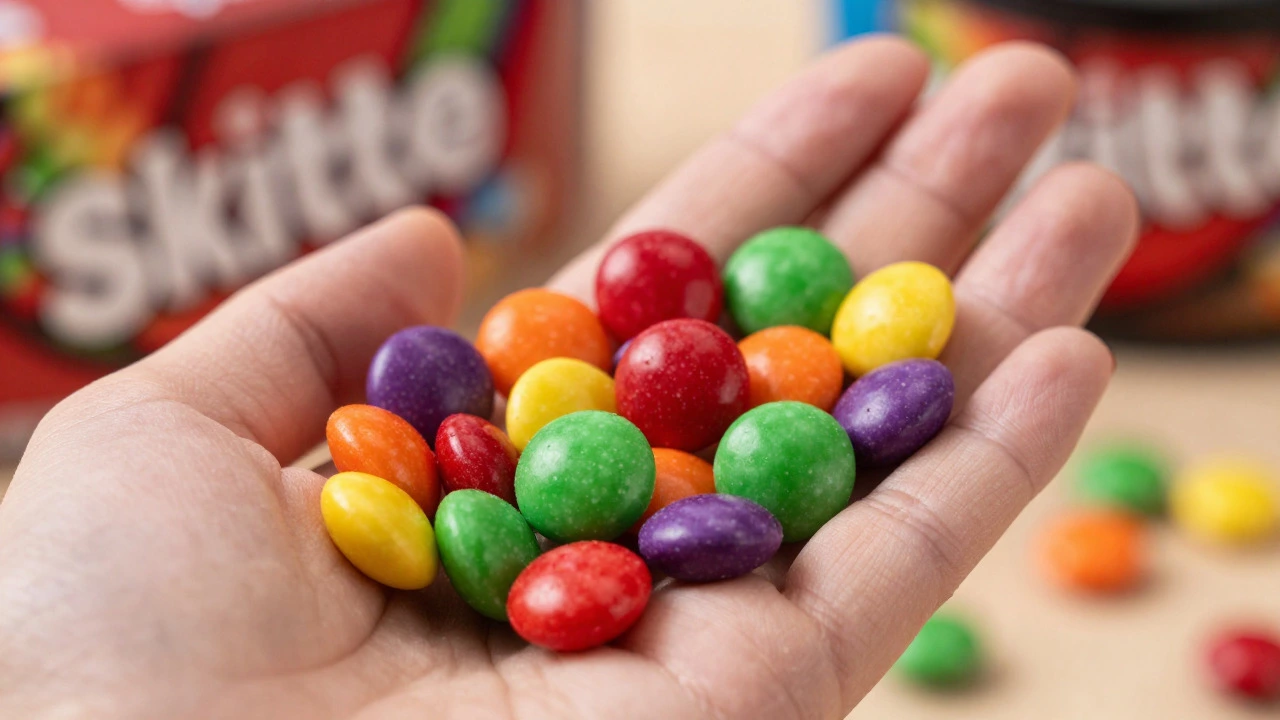
Imagine this: you’re at a party, someone passes around a bag of colorful candies, and you grab a handful. Then the question hits you-can I actually eat these? For vegans, that moment is all too familiar. The short answer to do vegans eat Skittles? It depends entirely on where you live and which version of the candy you hold in your hand.
Skittles have become a global phenomenon, but their recipe isn’t uniform across borders. In some countries, they are completely plant-based. In others, they contain animal-derived ingredients like gelatin or carmine. If you’re navigating the world of vegan sweets, understanding these regional differences is crucial. Let’s break down exactly what’s inside those rainbow shells and why location matters more than you might think.
The Core Ingredients of Skittles
To determine if a food item fits into a vegan lifestyle, we need to look past the marketing and examine the ingredient list. At its heart, a Skittle is a sugar-coated fruit-flavored chewy candy. The base consists of simple components: sugar, corn syrup, modified corn starch, citric acid, and natural and artificial flavors.
For most vegans, these base ingredients are safe. Sugar can sometimes be processed with bone char (a non-vegan filtering agent), but this is less common in modern large-scale production, especially outside the United States. Corn syrup and starch are plant-derived. Citric acid is typically produced through fungal fermentation. The real controversy lies in two specific additives: the coating and the coloring.
| Ingredient | Source | Vegan Friendly? |
|---|---|---|
| Sugar | Cane or beet | Usually yes (check for bone char processing) |
| Corn Syrup | Corn | Yes |
| Gelatin | Animal collagen (pig/cow) | No |
| Carmine (E120) | Crushed cochineal insects | No |
| Shellac (Confectioner's Glaze) | Insect secretion | No |
Regional Differences: Why Location Matters
This is where things get tricky. Mars, Incorporated, the company behind Skittles, formulates products differently depending on local regulations, consumer preferences, and supply chains. This means a bag of Skittles bought in Canada might be vegan-friendly, while the same brand purchased in the UK or Australia could contain animal derivatives.
North America (USA & Canada): In recent years, Skittles sold in the United States and Canada have been reformulated. As of the last major update, they no longer contain gelatin or carmine. The glossy coating uses confectioner’s glaze (shellac) in some older batches, but newer versions often use plant-based waxes. However, strict vegans still debate the sugar source. Most mainstream vegan guides now consider North American Skittles vegan, though purists may avoid them due to potential bone-char-filtered sugar.
United Kingdom & Europe: Historically, Skittles in the UK contained gelatin and carmine. While many varieties have shifted toward plant-based ingredients, you must check the label carefully. Some limited-edition flavors or specific regional packs still include E120 (carmine) for red coloring or gelatin for texture. Always read the packaging; "suitable for vegetarians" does not mean "vegan" in European labeling laws.
Australia & New Zealand: Skittles here have faced scrutiny over the use of shellac (confectioner’s glaze), which is derived from the lac insect. While not an animal tissue per se, it is an animal product, making it non-vegan. Additionally, some Australian variants have used gelatin. Vegans in this region often avoid standard Skittles unless explicitly labeled otherwise.
The Controversial Additives Explained
Let’s dive deeper into the ingredients that cause the most confusion. Understanding these helps you make informed decisions beyond just Skittles.
Gelatin is a protein obtained by boiling skin, tendons, ligaments, and/or bones from animals, usually cattle or pigs. It provides a chewy texture. If Skittles contain gelatin, they are definitely not vegan. Fortunately, most modern Skittles recipes have replaced gelatin with modified corn starch or other plant-based thickeners.
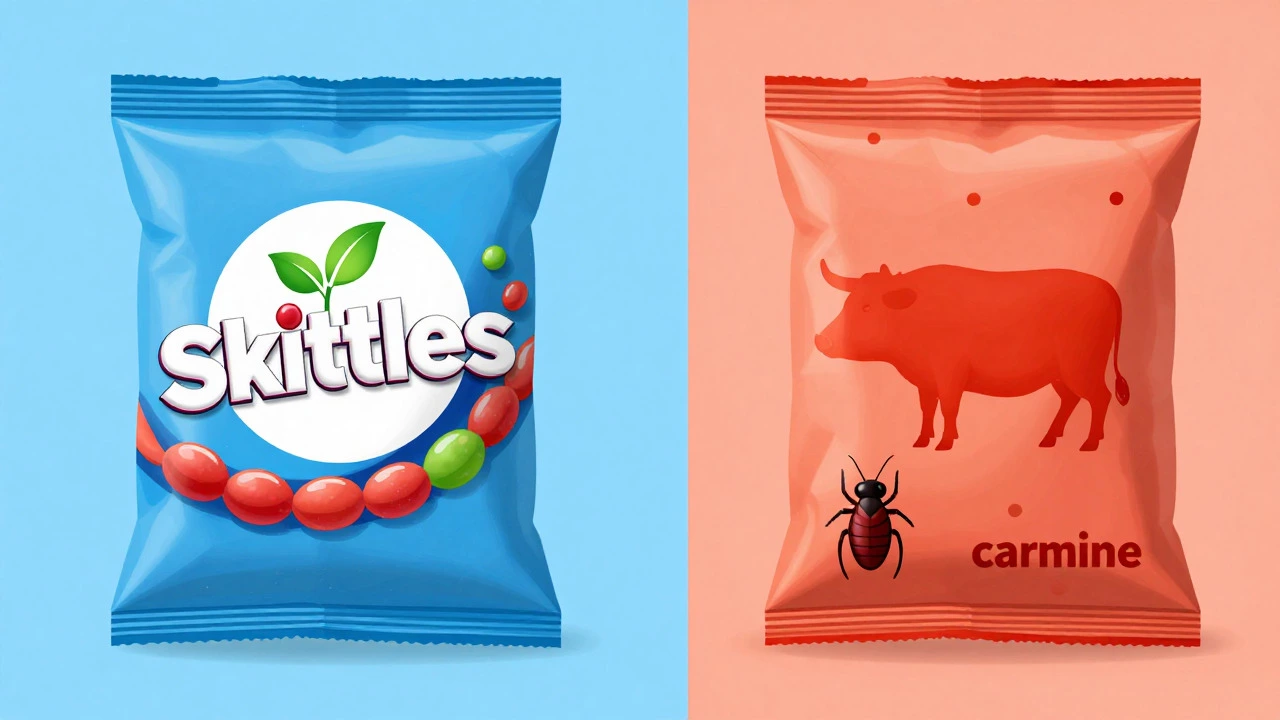
Carmine (E120) is a deep red pigment made from crushed cochineal insects. It was once widely used to give the red Skittles their vibrant color. Many manufacturers have switched to synthetic dyes like Red 40 or plant-based alternatives like beet juice extract, but carmine still lurks in some international markets.
Confectioner’s Glaze (Shellac) is a resin secreted by the female lac insect. It creates that shiny, hard shell on candies. While technically an insect secretion rather than body tissue, most vegans exclude it because it involves exploiting insects. If your Skittles list "confectioner’s glaze" or "resinous glaze," they are likely not vegan.
How to Check If Your Skittles Are Vegan
You don’t need to be a chemist to figure this out. Here’s a practical checklist for your next grocery run:
- Check the Country of Origin: Look at the barcode or manufacturing info. US/Canadian Skittles are generally safer bets than UK/Australian ones.
- Read the Ingredient List: Scan for "gelatin," "carmine," "cochineal extract," "E120," "shellac," or "confectioner’s glaze." If you see any of these, put the bag back.
- Look for Certifications: Some brands carry a V-label or Vegan Society logo. Skittles rarely do, so this step mostly applies to alternative brands.
- Contact the Manufacturer: When in doubt, email Mars Wrigley. They often provide up-to-date allergen and ingredient info for specific regions.
Vegan-Friendly Candy Alternatives
If you decide that Skittles are too risky or simply want to support brands that are transparently vegan, there are plenty of delicious alternatives. The market for plant-based sweets has exploded, offering options that match the taste and texture of traditional candies without the ethical compromise.
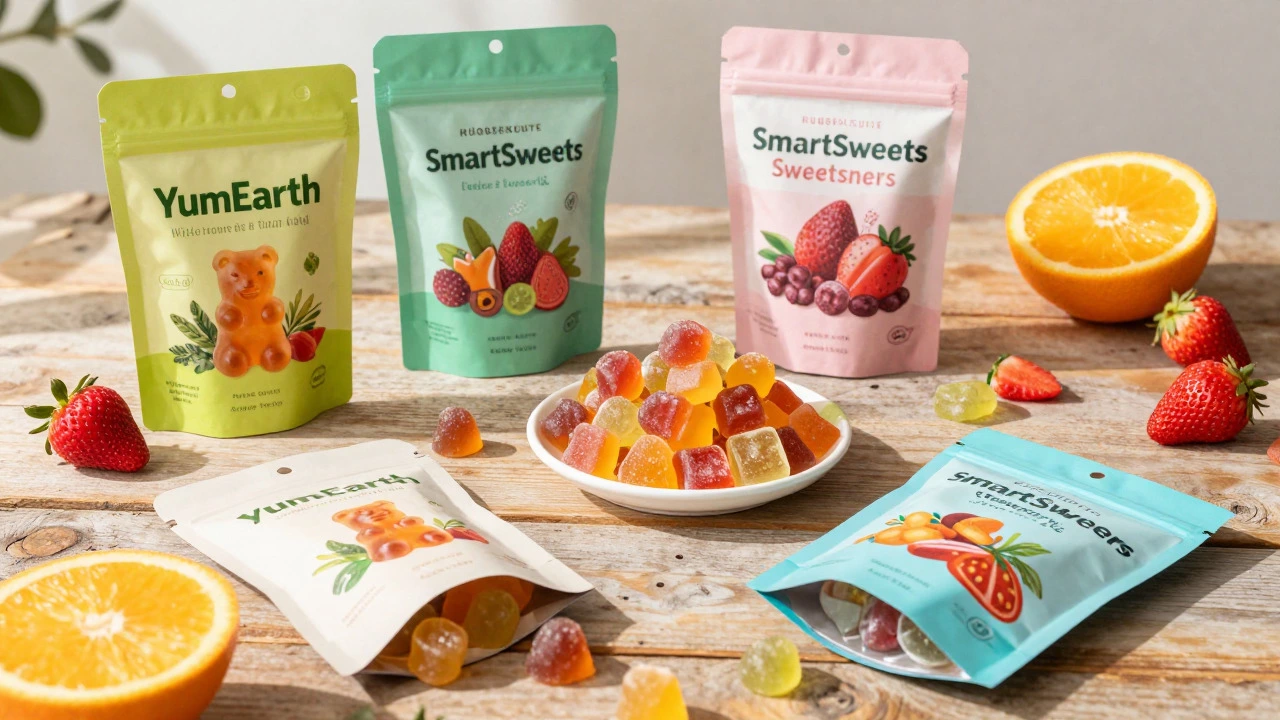
SmartSweets: Known for lower-sugar gummies and chocolates, SmartSweets uses pectin instead of gelatin. Their fruit snacks are bright, chewy, and certified vegan.
YumEarth: This brand offers organic, non-GMO lollipops and gummy bears. They explicitly state that their products are free from gelatin, carmine, and shellac. A reliable choice for parents and adults alike.
Wholesome Sweeteners’ Gummies: Made with organic cane sugar and fruit juices, these gummies avoid artificial colors and animal derivatives entirely.
Local Artisan Candies: Many small-batch candy makers specialize in vegan treats. Look for shops that advertise "plant-based" or "no animal products." These often use agar-agar or pectin for setting agents, resulting in a unique, often superior texture compared to mass-produced gelatin candies.
| Brand | Key Feature | Price Point | Availability |
|---|---|---|---|
| SmartSweets | Low sugar, high fiber | Moderate | Online, major retailers |
| YumEarth | Organic, non-GMO | Moderate | Grocery stores, online |
| Wholesome | Fruit juice sweetened | Budget-friendly | Health food stores |
| Local Artisan | Small batch, unique flavors | Premium | Farmers markets, specialty shops |
Why Do People Care So Much About Candy Ingredients?
It might seem trivial to debate the ethics of a tiny piece of candy. But for many vegans, consistency matters. Veganism is defined by The Vegan Society as "a philosophy and way of living which seeks to exclude-as far as is possible and practicable-all forms of exploitation of, and cruelty to, animals for food, clothing or any other purpose."
If you avoid leather jackets because they come from cows, eating a candy coated in insect secretion feels contradictory. It’s about alignment between values and actions. Plus, hidden animal ingredients can affect people with allergies or religious dietary restrictions (like kosher or halal). Transparency in food labeling benefits everyone, not just vegans.
Final Thoughts on Eating Skittles Vegan-Style
So, do vegans eat Skittles? Yes, many do-but only after checking the label. If you’re in North America, you’re likely in the clear. If you’re traveling abroad, stay vigilant. The landscape of vegan candy is changing rapidly, with more brands committing to clean, plant-based formulas. Until then, reading labels remains your best defense against accidental animal products.
Remember, being vegan doesn’t mean giving up joy or sweetness. It means making mindful choices. Whether you stick with verified vegan Skittles or explore exciting new brands like YumEarth, there’s always a tasty option that aligns with your values.
Are Skittles vegan in the USA?
Yes, currently available Skittles in the USA are considered vegan by most standards. They no longer contain gelatin or carmine. However, some strict vegans avoid them due to potential bone-char-filtered sugar, though this is debated.
What is in the red Skittles that makes them non-vegan?
Historically, red Skittles contained carmine (E120), a dye made from crushed cochineal insects. In many markets, including the US, this has been replaced with artificial dyes like Red 40. Always check the label for "carmine" or "cochineal extract" to be sure.
Do Skittles contain gelatin?
Most modern Skittles do not contain gelatin. They use modified corn starch for texture instead. However, formulations vary by country, so always verify the ingredient list for your specific region.
Is confectioner's glaze vegan?
No, confectioner's glaze (also known as shellac) is not vegan. It is a resin secreted by the lac insect. While not an animal tissue, it is an animal product, and most vegans exclude it from their diet.
What are some good vegan alternatives to Skittles?
Great vegan alternatives include YumEarth gummies, SmartSweets fruit snacks, and Wholesome Sweeteners gummies. These brands explicitly avoid gelatin, carmine, and shellac, offering similar textures and flavors without animal ingredients.
Are Skittles gluten-free?
Yes, Skittles are generally considered gluten-free. They do not contain wheat, barley, or rye ingredients. However, cross-contamination can occur in facilities that process other products, so those with severe celiac disease should check packaging warnings.
Why do Skittles ingredients differ by country?
Mars, Incorporated adjusts recipes based on local regulations, consumer preferences, and ingredient availability. For example, some countries ban certain artificial dyes, forcing manufacturers to use natural or different synthetic alternatives. Supply chain costs also play a role.
Can vegans eat jelly beans?
Many jelly beans are not vegan because they contain gelatin or beeswax in the coating. However, some brands like Jelly Belly offer vegan-friendly options. Always check for gelatin, carmine, and beeswax on the label.