Brownie Style Selector
Answer these questions to find your perfect brownie match.
Why this matches your preferences...
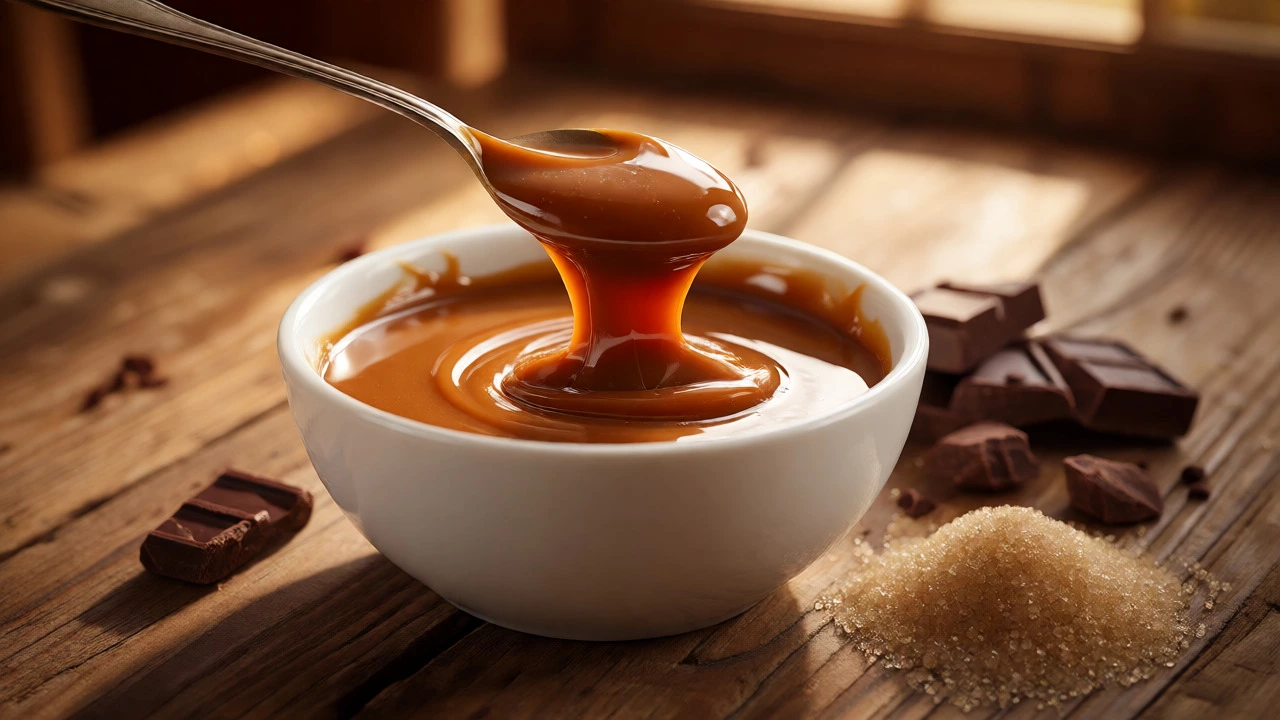
You know that moment when you bite into a brownie and it just melts in your mouth? Now imagine if that fudgy center wasn't just chocolate, but rich, caramelized milk. That's the magic of dulce de leche is a sweet confection made by slowly heating sweetened milk until it turns into a thick, golden-brown spread with a complex, toffee-like flavor. It sounds like a game-changer for your baking routine, right? But does swapping out some sugar for this creamy goodness actually change the fundamental nature of the brownie, or is it just a fancy topping? If you've ever wondered whether these two treats are truly different animals or just cousins wearing different clothes, you're not alone. The difference isn't just about taste; it affects texture, structure, and how you even bake them. Let's break down exactly what happens when you introduce dulce de leche into the classic brownie equation.
The Core Ingredient Shift
A standard classic brownie is a baked square or bar made from flour, eggs, sugar, butter, and chocolate (either melted or cocoa powder). relies on a specific balance of fat and sugar to create its signature chewy or cakey crumb. The sugar here is usually granulated white or brown sugar. Its job is simple: sweeten the batter and help with browning via the Maillard reaction. When you switch to dulce de leche, you aren't just adding sweetness. You're adding moisture, fat, and protein. Dulce de leche is essentially condensed milk that has been cooked down until the sugars caramelize. This means it brings a wet ingredient profile that granulated sugar doesn't have. In a classic brownie, sugar dissolves during mixing and baking. In a dulce de leche brownie, the sweetener is already partially dissolved and emulsified. This changes how the batter behaves. You might find you need less liquid or fewer eggs because the dulce de leche contributes significant hydration. If you treat it exactly like sugar without adjusting other liquids, you could end up with a gummy, undercooked center that never quite sets.
Texture and Mouthfeel Differences
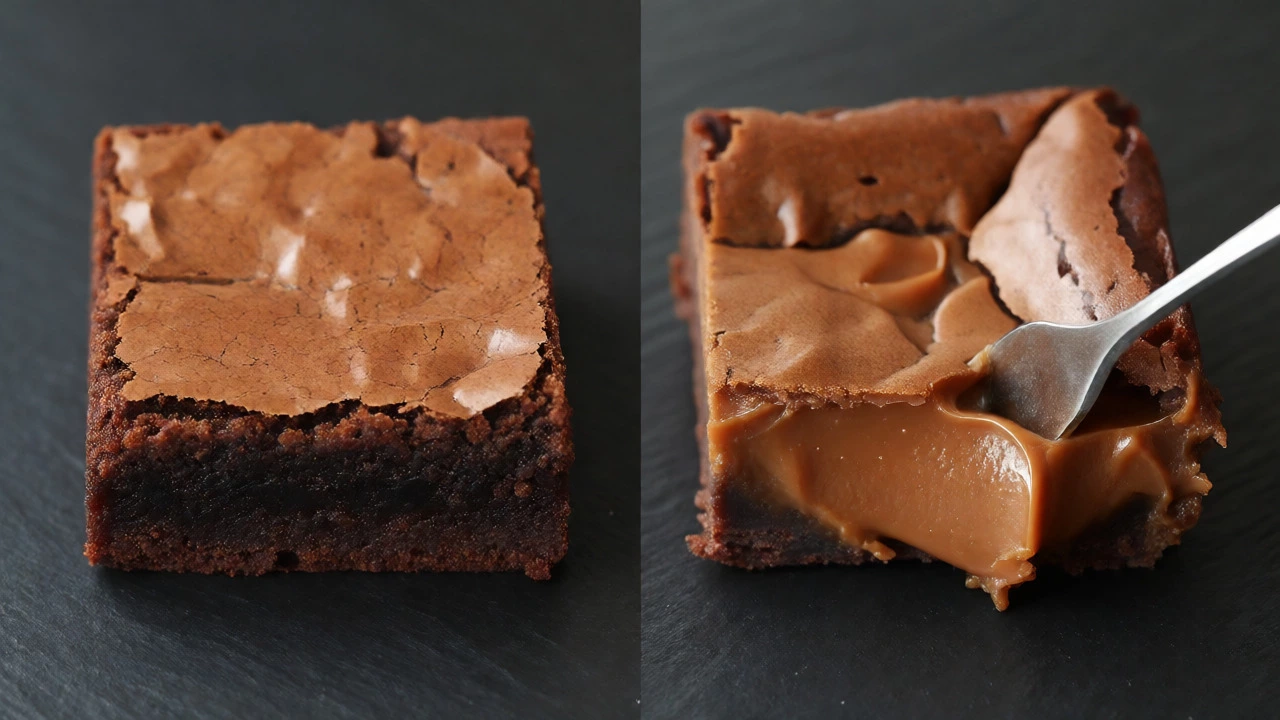
Here is where the experience diverges most sharply. A classic brownie offers a predictable texture. Depending on the ratio of flour to fat, it will be either cakey (lighter, airier) or fudgy (dense, moist). Both textures rely on the crystallization of sugar and the setting of egg proteins. Dulce de leche brownies take "fudgy" to a new level. Because dulce de leche contains milk solids and fats that don't crisp up the same way dry sugar does, the result is inherently softer and more tender. There is rarely a "crackly top" on a heavy dulce de leche brownie unless you specifically design the recipe to create one. Instead, you get a velvety, almost pudding-like interior. If you prefer that snap between your teeth that a well-made classic brownie provides, you might find dulce de leche versions too soft. However, if you love the sensation of biting into warm caramel, the textural shift is a feature, not a bug. Consider the crust. Classic brownies often develop a thin, crispy shell around the edges due to high sugar content contacting the hot pan. Dulce de leche, being stickier and moister, tends to prevent this hard crust from forming fully. The edges stay soft and pliable. This makes them easier to cut and serve, but they can also stick to the pan more aggressively if you don't use parchment paper.
Flavor Profile Complexity
Let's talk taste. A classic brownie tastes like chocolate. Maybe it has notes of vanilla or salt, but the star is the cacao. Whether you use dark chocolate chunks or cocoa powder, the flavor profile is linear: bitter-sweet, rich, deep. Dulce de leche introduces a multi-layered flavor experience. It brings milky, toasty, and slightly nutty notes that complement chocolate rather than compete with it. Think of it as the bridge between a chocolate cake and a flan. The caramelized sugars in dulce de leche add a depth that pure sucrose cannot replicate. When paired with chocolate, it creates a "salted caramel" vibe naturally, even if you haven't added extra salt. This complexity means you can often reduce the amount of added sugar in the recipe because dulce de leche is intensely sweet. Overdoing it can make the brownie cloying, so balance is key.
Baking Mechanics and Adjustments
If you decide to experiment, you can't just dump a jar of dulce de leche into a standard box mix and expect perfection. Here is why:
- Moisture Content: Dulce de leche is roughly 60-70% water. Sugar is 0%. You must reduce other liquids. If your classic recipe calls for milk, skip it. If it calls for three eggs, try using two plus a tablespoon of cornstarch to stabilize the structure.
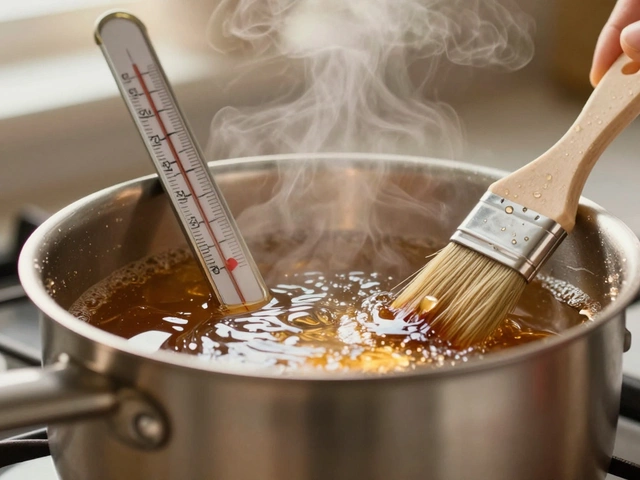
- Temperature Sensitivity: Caramelized sugars burn faster than plain sugar. Bake dulce de leche brownies at a slightly lower temperature (around 325°F / 160°C instead of 350°F / 175°C) to ensure the center cooks before the edges turn to charcoal.
- Setting Time: These brownies need longer to cool completely before cutting. The milk proteins continue to set as they cool. Cutting them warm results in a messy, gooey disaster. Patience is your best ingredient here.
| Feature | Classic Brownie | Dulce de Leche Brownie |
|---|---|---|
| Primary Sweetener | Granulated/Brown Sugar | Dulce de Leche (Caramelized Milk) |
| Texture | Chewy, Cakey, or Fudgy (with crackly top) | Soft, Pudding-like, Tender (no crackly top) |
| Moisture Level | Moderate (controlled by eggs/butter) | High (due to milk content) |
| Crust | Crispy edges, shiny top | Soft edges, matte top |
| Difficulty | Beginner-friendly | Intermediate (requires ratio adjustments) |
Variations and Hybrid Approaches
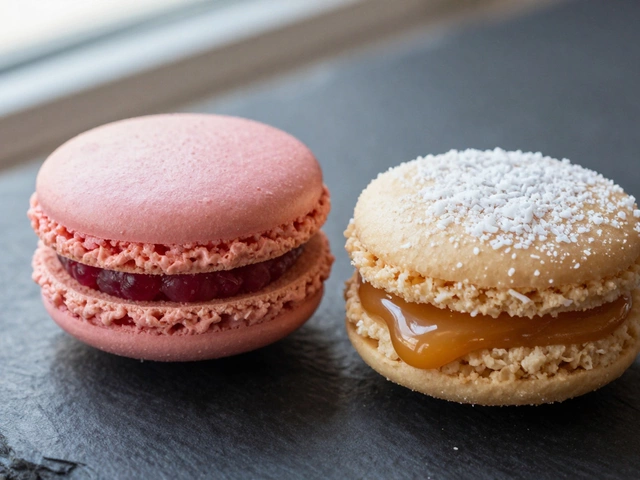
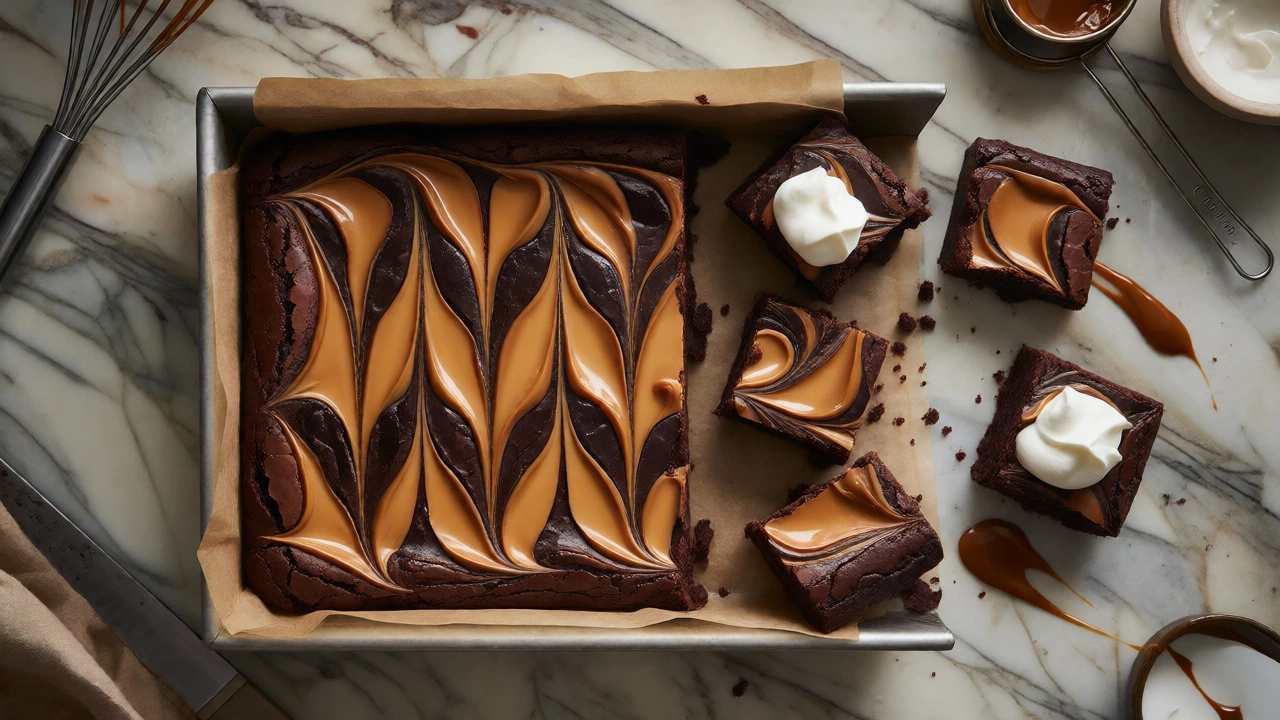
You don't always have to choose one over the other. Many bakers find the sweet spot lies in a hybrid approach. For instance, using a classic fudgy base but swirling in ribbons of dulce de leche before baking creates pockets of intense caramel flavor within a familiar chocolate structure. This preserves the integrity of the brownie while adding bursts of surprise. Another popular method is using dulce de leche as a filling layer. You bake two thin layers of classic brownie and sandwich a thick layer of chilled dulce de leche between them. This gives you the best of both worlds: the structural support of a traditional brownie and the luxurious mouthfeel of the caramel. This style is often seen in Argentine-style alfajores-inspired desserts, which are gaining popularity in North American cafes. There is also the vegan consideration. Traditional dulce de leche uses dairy. However, coconut-based dulce de leche (made by simmering coconut cream and sugar) works surprisingly well in vegan brownies. It mimics the richness of dairy caramel without the lactose, offering a tropical twist that pairs beautifully with dark chocolate.
Which One Should You Choose?
So, which version wins? It depends entirely on what you want from your dessert experience. Choose classic brownies if:
- You love a crispy, crackly top.
- You prefer a defined, chewy texture.
- You want a straightforward, low-maintenance recipe.
- You are serving them to purists who expect traditional chocolate flavor.
- You crave extreme moisture and tenderness.
- You enjoy complex, caramel-toffee flavor notes.
- You don't mind waiting for them to cool completely before eating.
- You want to impress guests with something unique and visually glossy.
Can I substitute dulce de leche for all the sugar in a brownie recipe?
Not directly. Dulce de leche adds significant moisture, so replacing all dry sugar with it will likely result in a batter that is too wet and won't set properly. You typically need to reduce other liquids (like milk or oil) and possibly adjust the number of eggs to maintain the correct consistency.
Why do my dulce de leche brownies stick to the pan?
The high sugar and milk solid content in dulce de leche creates a sticky surface as it bakes. Always line your baking pan with parchment paper, leaving an overhang on the sides, to easily lift the brownies out after cooling. Greasing alone is often insufficient.
Is dulce de leche the same as caramel sauce?
No. While similar in appearance, dulce de leche is made by cooking milk and sugar together, resulting in a thicker, creamier product with a distinct milky flavor. Caramel sauce is typically made by melting sugar and adding cream or butter later, yielding a smoother, glossier, and more brittle texture when cooled.
Do dulce de leche brownies taste strongly of milk?
They have a noticeable milky, toffee undertone, but it shouldn't taste like drinking milk. The flavor is deeply caramelized. When balanced with strong chocolate, the milkiness rounds out the bitterness of the cocoa, creating a harmonious blend rather than a dominant dairy taste.
How long should I cool dulce de leche brownies before cutting?
At least 2 hours at room temperature, or preferably overnight in the refrigerator. Because they are denser and moister than classic brownies, they need more time for the structure to firm up. Cutting them warm will cause them to collapse.