GF Cake Texture Diagnostic Tool
Describe the exact texture of your cake to find out what went wrong and how to fix it next time.
Analysis:
The Likely Cause:
The Solution:
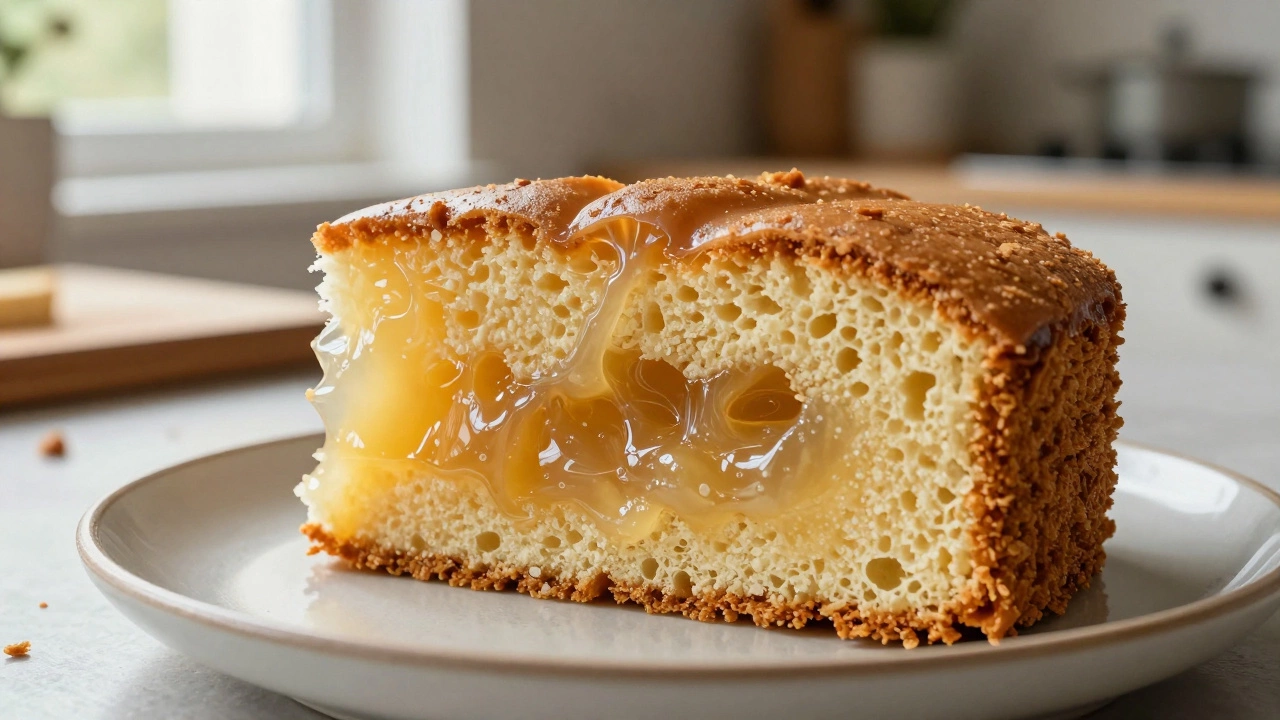
You spent two hours prepping, carefully measured your expensive flour blends, and waited with anticipation for the oven timer to ding. But when you slice into your masterpiece, it doesn't have that fluffy, airy crumb you wanted. Instead, it feels like a damp sponge or, worse, a piece of rubber. That dreaded gummy gluten-free cake texture is a rite of passage for many home bakers, but it's also incredibly frustrating when you've put in the effort.
Quick Fixes for Gummy Cakes
- Check your binder: Reduce xanthan gum if the recipe uses a pre-mixed flour.
- Avoid overmixing: Stop stirring the moment the batter is combined.
- Cool completely: Never slice a GF cake while it's still warm.
- Balance moisture: Ensure you aren't adding too much oil or apple sauce.
The Role of Binders and Gums
In a standard cake, gluten provides the structural "web" that traps air and gives the cake its lift. Since we're removing that, we use substitutes. Xanthan Gum is a food additive used as a thickener and stabilizer that mimics the elasticity of gluten. It is often found in blends of GF flour mixes.
Here is where most people go wrong: double-dosing. If you use a store-bought blend that already contains xanthan gum and then add another teaspoon from a separate shaker, you've created a glue trap. Too much of this binder pulls moisture into the cake and holds onto it too tightly, resulting in a rubbery, gummy center. A general rule of thumb is to use about 1/4 teaspoon per cup of gluten-free flour if the blend doesn't already have it. If you see it on the ingredient list of your flour bag, skip the extra addition entirely.
Flour Ratios and Moisture Absorption
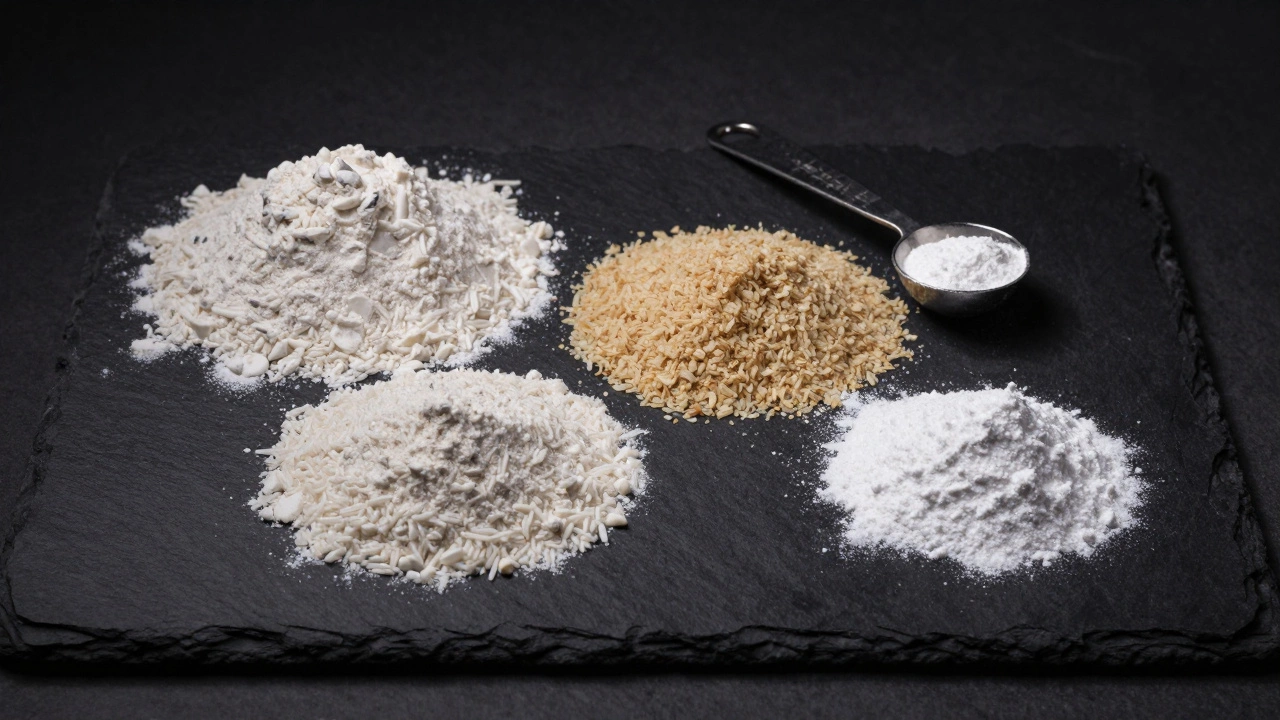
Not all gluten-free flours behave the same. Almond Flour is a nutrient-dense, high-fat flour made from ground almonds that adds richness but lacks structural strength. On the other hand, Rice Flour, specifically brown or white, can be gritty and doesn't absorb moisture as effectively as wheat flour.
When a cake is gummy, it often means the moisture-to-starch ratio is off. If you rely too heavily on heavy flours like almond or coconut flour without enough starch (like cornstarch or potato starch), the cake can't support its own weight. It collapses inward, trapping steam and moisture, which creates that dense, wet texture. Try a blend that balances a "protein" flour (almond, oat) with a "starch" flour (tapioca, cornstarch) for a more balanced crumb.
| Flour Type | Moisture Absorption | Structural Strength | Common Result if Overused |
|---|---|---|---|
| Almond Flour | Low | Low | Dense, oily, or crumbly |
| Rice Flour | Medium | Medium | Gritty or dry |
| Tapioca Starch | High | High (Elastic) | Chewy or gummy |
| Cornstarch | Medium | Medium | Tender, light crumb |
The Danger of Overmixing
You might have heard that you shouldn't overmix wheat cakes to avoid toughness. In the gluten-free world, overmixing causes a different problem. When you beat a GF batter too vigorously, you can over-activate the stabilizers and gums. Instead of creating air bubbles, you're essentially whipping a thick paste. This leads to a cake that is dense and sticky rather than light and fluffy.
Use a spatula to fold your ingredients together until just combined. If you're using a stand mixer, keep it on the lowest speed. If you notice the batter looks like a thick, elastic glue before it even hits the oven, you've likely gone too far with the mixing or the binder amount.
The "Underbaked" Trap and Cooling Times
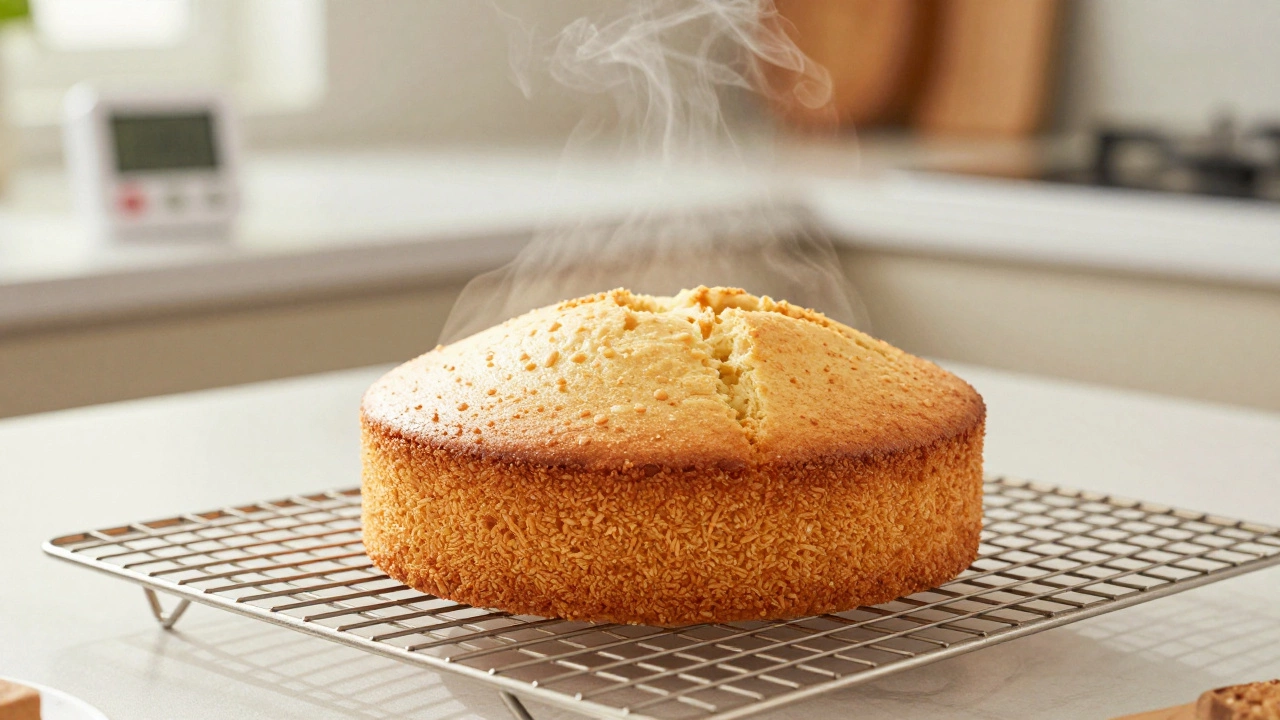
Gluten-free cakes are notorious for lying to you. A cake might look golden brown on top and pass the toothpick test, but the center is still chemically unstable. Because GF flours take longer to set, they often hold a lot of internal steam. If you pull the cake out too early, that steam condenses as it cools, turning the interior into a gummy mess.
The most critical mistake is slicing the cake while it's warm. Retrogradation is the process where starch molecules realign as they cool, setting the structure of the cake. In GF baking, this process is slower. If you cut into a warm GF cake, you're essentially cutting into a semi-set gel. You must let the cake cool completely in the pan-sometimes for several hours-to allow the starches to fully lock in place.
Dealing with Too Much Liquid
Adding "healthy" substitutes like applesauce or yogurt can be a gamble. While they add moisture, they also add weight and acidity. If the recipe isn't balanced with enough leavening agents, the cake will be too heavy to rise. When the air bubbles can't escape, they leave behind pockets of moisture that feel gummy on the tongue.
If you're adapting a recipe, be careful with the fat. Too much oil or melted butter can interfere with the starch's ability to bind, leading to a cake that feels wet or "claggy." Stick to the measurements precisely; GF baking is more like chemistry than art. A few extra tablespoons of liquid can be the difference between a sponge cake and a rubbery disk.
Can I save a cake that is already gummy?
Unfortunately, once a cake is baked and gummy, you can't reverse the chemical structure. However, you can slice it thinly and toast the pieces in a pan or oven. This removes some of the excess moisture and improves the texture. Alternatively, crumble the cake into a trifle or cake pops where the gummy texture is masked by frosting or cream.
Why does my cake feel gummy only in the center?
This usually happens because the edges bake faster than the middle. If the oven temperature is too high, the outside sets and browns, but the center remains undercooked. Try lowering your oven temperature by 25 degrees and baking for a longer period. Using a heating core or a cake strip around the pan can also help the center bake more evenly.
Does the type of sugar affect gumminess?
Yes, liquid sweeteners like honey or maple syrup add more moisture and are hygroscopic, meaning they pull water from the air. This can make a gluten-free cake feel more damp or gummy compared to using granulated sugar. If using liquid sweeteners, you may need to slightly reduce other liquids in the recipe.
Should I use a different pan for GF cakes?
Avoid dark-colored non-stick pans if you're struggling with gummy centers. Dark pans absorb more heat and can burn the outside before the middle is done. Use light-colored aluminum pans for more consistent heat distribution.
Is xanthan gum always the culprit?
Not always, but it's the most common cause of a "rubbery" feel. If the cake is simply wet and dense, it's more likely an underbaking issue or a flour ratio problem. If it feels like a gummy bear, it's almost certainly too much xanthan gum or tapioca starch.