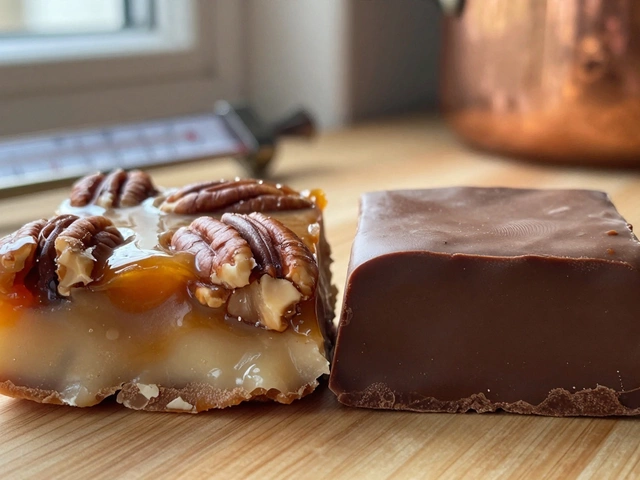
Fudge Storage Decision Tool
Not sure where to put that batch of fudge? Answer three quick questions to get the perfect storage recommendation.
You just spent an hour stirring a pot of sugar, butter, and chocolate until your arm ached. The smell is heavenly, the texture is perfect, and now you’re staring at that slab of warm fudge a dense, smooth confection made from sugar, butter, and milk or cream, wondering where it goes next. Do you shove it in the fridge? Toss it in the freezer? Leave it on the counter like a brave little soldier?
Here’s the truth most recipe blogs gloss over: how you store your fudge changes everything. It affects the texture, the taste, and whether you’ll be eating creamy bliss or crumbly disappointment three days later. There isn’t one right answer for every situation, but there is a right answer for *your* situation.
The Quick Verdict: What You Need to Know Now
| Your Goal | Best Location | Why |
|---|---|---|
| Eating within 3-5 days | Airtight container at room temp (cool spot) | Keeps texture soft and creamy; fridge dries it out. |
| Summer heat / High humidity | Fridge | Prevents melting and bacterial growth in warm climates. |
| Long-term storage (1+ month) | Freezer | Stops crystallization and preserves flavor for months. |
| Gift giving | Room Temp (short term) or Fridge (if perishable add-ins) | Looks best; avoids condensation fogging up packaging. |
Why the Fridge Can Actually Ruin Your Fudge
We tend to think of the refrigerator as the default "safe zone" for all food. But for candy, especially homemade fudge, it can be a trap. The air inside your fridge is incredibly dry. If you put uncovered or loosely covered fudge in there, the moisture migrates out of the candy into the cold air. This process, known as dehydration, turns that smooth, melt-in-your-mouth treat into something grainy and hard.
Beyond drying it out, the fridge introduces another enemy: odors. Fudge has a high fat content from butter and sometimes condensed milk. Fat absorbs smells like a sponge. If you have leftover garlic chicken, onions, or strong cheese sitting nearby, your vanilla bean fudge might start tasting suspiciously savory. Always use a glass or plastic container with a tight-sealing lid if you must use the fridge.
There is also the issue of condensation. When you take cold fudge out of the fridge onto a warm kitchen counter, water vapor from the air condenses on the surface. This makes the top layer sticky and wet, ruining the presentation and potentially causing sugar crystals to form on the surface, creating a gritty texture.
When the Freezer Is Your Best Friend
If you’ve made a double batch because you were feeling ambitious, or if you want to prep holiday gifts in October for December, the freezer is fantastic. Unlike the fridge, freezing halts almost all chemical activity. The sugar structure remains stable, and the fats don’t go rancid nearly as fast.
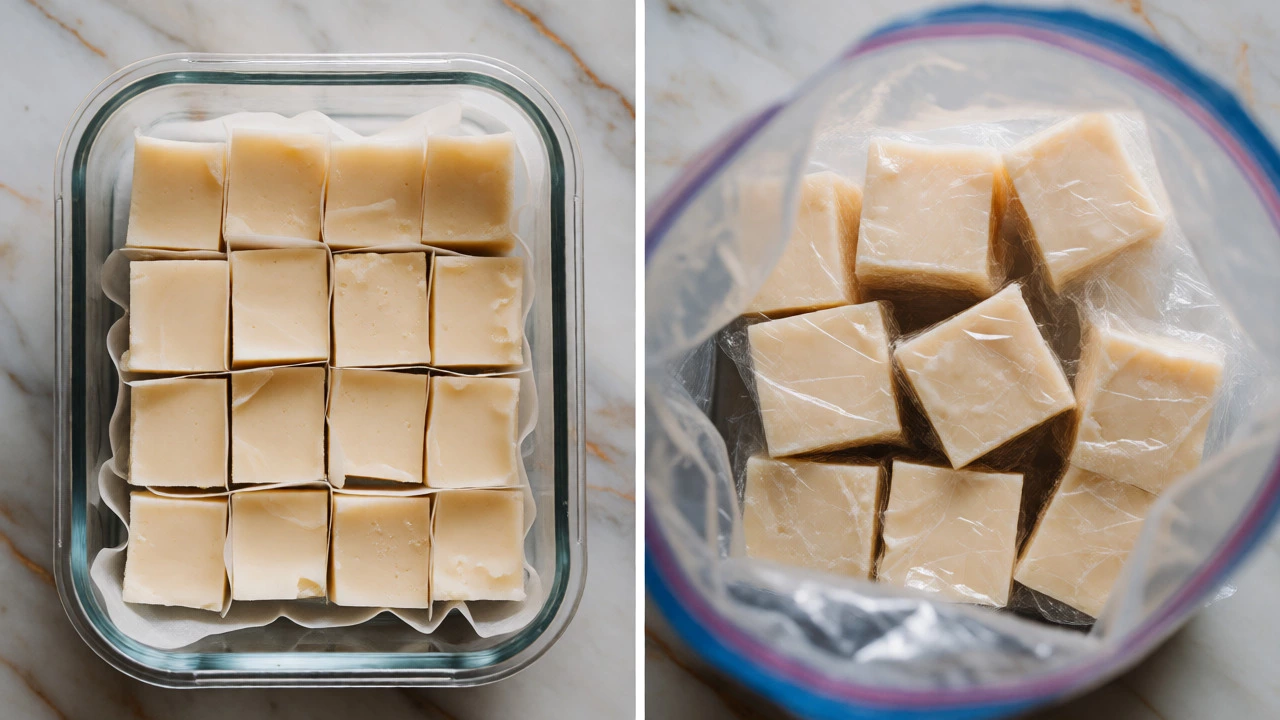
However, you can’t just throw a naked block of fudge into the freezer. You need to wrap it properly to prevent freezer burn. First, cut your fudge into individual squares. This lets you grab just what you need without thawing the whole brick. Wrap each piece tightly in plastic cling film, ensuring no air pockets touch the candy. Then, place those wrapped pieces in a heavy-duty freezer bag or an airtight container. Squeeze as much air out of the bag as possible before sealing.
Properly stored, fudge lasts up to three months in the freezer. After that, it’s still safe to eat, but the quality drops. The flavors might dull, and the texture could become slightly icy if ice crystals formed during the freezing process.
The Ideal Short-Term Storage: Room Temperature
For most people making fudge to eat this week, the pantry or a cool cupboard is actually better than the fridge. Traditional fudge is shelf-stable for about two weeks if kept in a cool, dark place. The key word here is "cool." In Halifax, our kitchens are rarely hot enough to melt fudge in November, but if you live somewhere warmer or your kitchen runs hot, room temperature might push it.
To store at room temperature, line an airtight container with parchment paper. Place the fudge in a single layer if possible. If you need to stack layers, put a sheet of wax paper or parchment between them so they don’t fuse together into one giant candy brick. Keep the container away from direct sunlight and the stove. Heat causes the cocoa butter in chocolate-based fudge to soften, leading to oil separation-that white, waxy bloom on the surface.
Special Cases: When Ingredients Change the Rules
Not all fudge is created equal. While traditional chocolate or vanilla fudge is fine at room temperature, modern variations often include ingredients that spoil faster. If your recipe includes fresh fruit, whipped cream, or dairy-heavy additions like cream cheese, the rules shift.
- Cream Cheese Fudge: This belongs in the fridge. Cream cheese is a perishable dairy product that can grow bacteria at room temperature after a few hours. Treat it like cheesecake.
- Fresh Fruit Fudge: If you stirred in mashed strawberries or banana puree, refrigerate it. The extra water content and natural sugars promote mold growth faster than standard sugar syrup.
- Nutty Fudge: Nuts contain oils that can go rancid. For short-term storage (under a week), room temp is fine. For longer storage, the freezer helps preserve those nutty flavors by keeping the oils stable.
How to Thaw Frozen Fudge Without Making a Mess
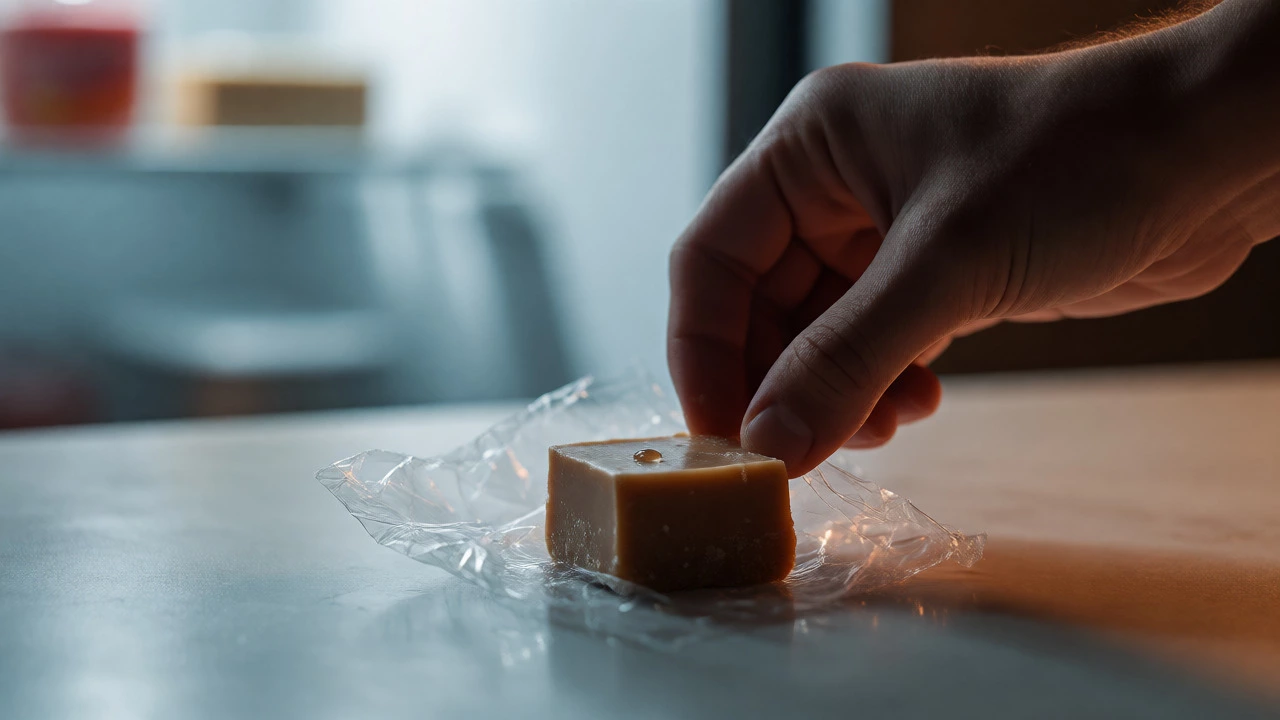
You’ve pulled your frozen fudge out. Now what? Don’t unwrap it immediately. Let it sit in its wrapping on the counter for about 30 minutes to an hour. This gradual warming prevents condensation from forming directly on the candy surface. Once it reaches room temperature, unwrap it and serve.
If you try to microwave frozen fudge to speed things up, you risk overheating the edges while the center stays frozen. This leads to uneven texture-some parts turn into liquid chocolate sludge, others stay rock hard. Patience pays off here. The difference between a perfectly thawed square and a melted mess is worth the wait.
Troubleshooting Common Storage Problems
My fudge is too hard. Did you leave it in the fridge for a week? Take it out and let it come to room temperature. Often, the hardness is just the fats solidifying due to cold. If it’s still hard, it might have been cooked to too high a temperature (hard-ball stage instead of soft-ball). Next time, use a candy thermometer and aim for 234°F-240°F (112°C-116°C).
My fudge is grainy. Graininess usually happens during cooking, not storage, but improper storage can worsen it. If sugar crystals formed on the surface due to fridge humidity, gently warming the piece in your hand can sometimes help dissolve minor surface grit, though the internal texture won't change. To prevent this, always cover fudge tightly.
It’s sticking to the container. This means you didn’t use enough barrier. Parchment paper is your friend. If it’s already stuck, dip a knife in hot water and wipe it dry before cutting around the edges to release it.
Final Thoughts on Keeping Your Candy Perfect
Storage isn’t just about safety; it’s about quality. You worked hard to get that perfect crystalline structure in your fudge. Don’t undo that effort by tossing it into the wrong part of the kitchen. Remember: Cool, dark, and sealed is the golden rule for short-term enjoyment. Cold and wrapped is the secret for long-term preservation. And when in doubt, trust your senses-if it looks shiny and smells rich, it’s probably going to taste amazing.
Does fudge need to be refrigerated?
No, traditional fudge does not need to be refrigerated if consumed within 1-2 weeks. It stays softer and creamier at room temperature in a cool, dry place. Refrigeration is only necessary for fudge with perishable ingredients like cream cheese or fresh fruit, or if your kitchen is very hot and humid.
How long does fudge last in the freezer?
Properly wrapped fudge can last up to 3 months in the freezer. While it remains safe to eat beyond this point, the texture and flavor may degrade over time. Ensure it is wrapped tightly in plastic wrap and placed in an airtight container to prevent freezer burn.
Why is my fudge sticky in the fridge?
Stickiness is usually caused by condensation. When cold fudge is exposed to warmer air, moisture forms on the surface. This dissolves some of the sugar, creating a sticky syrup. To avoid this, let fudge come to room temperature while still wrapped before opening the container.
Can I freeze fudge with nuts?
Yes, you can freeze fudge with nuts. In fact, freezing helps preserve the freshness of the nuts' oils, preventing them from going rancid. Just ensure the fudge is well-wrapped to protect the nuts from absorbing other freezer odors.
What is the best way to pack fudge for shipping?
Wrap individual pieces in wax paper or parchment, then place them in a rigid box lined with tissue paper. Use bubble wrap or packing peanuts to prevent shifting. Ship via ground service if possible to minimize temperature fluctuations, or use insulated mailers with ice packs during summer months.