Paris Macaron Price Calculator 2026
Select a bakery type, choose your quantity, and instantly see the total cost. Based on 2026 Paris market rates.
Neighborhood patisseries and lesser-known shops. Fresh ingredients, traditional recipes.
Skilled artisans with established reputations. Better techniques, refined flavors.
Iconic luxury brands with heritage packaging. Premium experience and consistent quality.
Solid choice for everyday enjoyment without breaking the bank.
Money-Saving Tip
Visit local markets like Marché d’Aligre for fresh batches made that morning at lower prices.
| Tier | Price per Piece | Box of 6 | Best For |
|---|---|---|---|
| Budget | €2.50 – €3.00 | €15 – €18 | Daily treat, casual tasting |
| Mid-Range | €3.50 – €4.50 | €21 – €27 | Balanced quality & price |
| Premium | €5.00 – €6.00+ | €30 – €36+ | Gifts, special occasions |
Walking down the Champs-Élysées or wandering through the narrow streets of Le Marais, you’ve likely seen them: colorful, delicate almond cookies sandwiched with ganache. They look innocent enough, but when you pull one out of a box in Paris, the price tag can sting. If you’re planning a trip to the French capital in 2026 and wondering how much these little treats will cost your wallet, you’re not alone. The question "Quanto custa uma caixa de macarons em Paris?" (How much does a box of macarons cost in Paris?) is more complex than it seems.
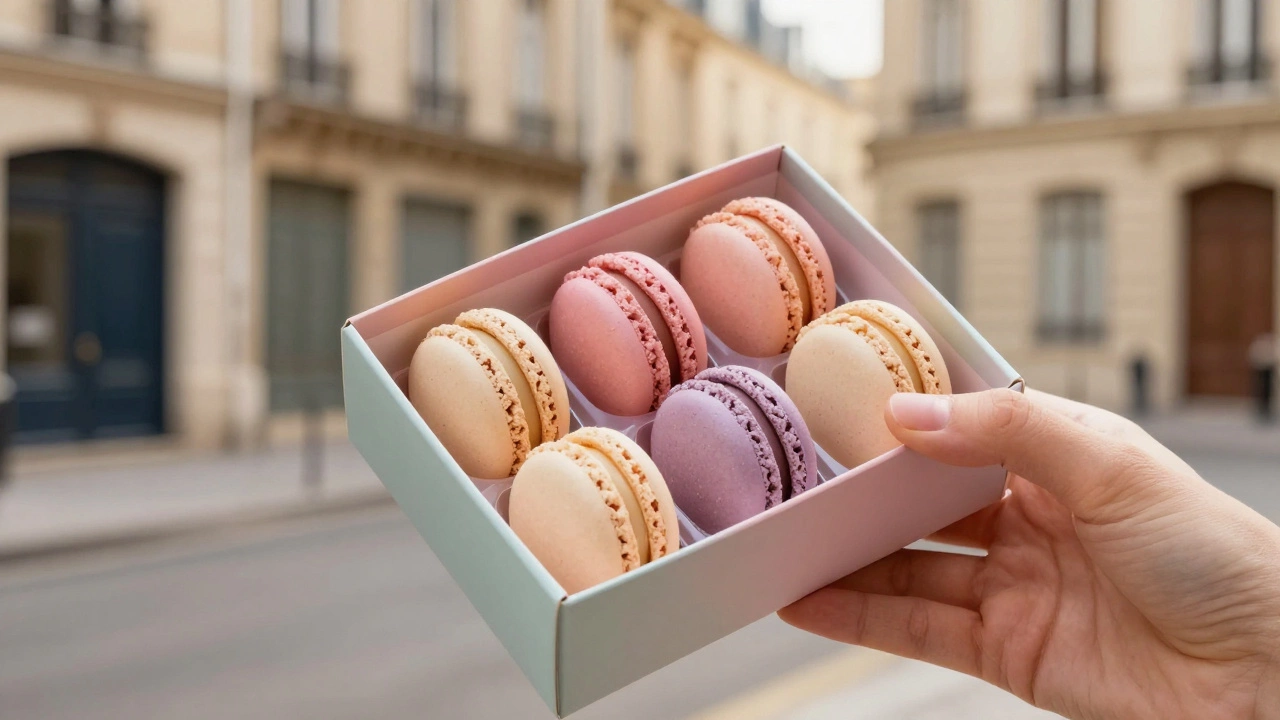
The short answer is that you’ll pay between €18 and €35 for a standard box of six Parisian macarons are delicate French confections made from almond flour, egg whites, and sugar, known for their smooth tops, ruffled feet, and creamy fillings. But the real story lies in who makes them, where you buy them, and what exactly goes into that filling. Some boxes are just sweet decorations; others are culinary masterpieces that justify the premium. Let’s break down the costs so you don’t get ripped off by tourist traps while still enjoying the best sweets the city has to offer.
The Real Cost Breakdown: What You Pay Per Piece
To understand the total bill, you first need to look at the per-unit cost. In most reputable patisseries, a single macaron ranges from €2.50 to €6.00. That might sound steep for a cookie the size of your palm, but the ingredients and labor are significant. High-quality almond flour, fresh eggs, and premium chocolate or fruit purees add up quickly. Plus, making a perfect shell requires skill. The batter must be folded precisely, piped evenly, and baked at exact temperatures. One mistake, and the batch is ruined.
- Budget-friendly options: Expect to pay around €2.50-€3.00 per piece at local bakeries or lesser-known patisseries. A box of six here will set you back roughly €15-€18.
- Mid-range artisans: Shops like Stohrer or smaller neighborhood favorites often charge €3.50-€4.50 per macaron. A six-pack lands between €21 and €27.
- Premium brands: The big names-Ladurée and Pierre Hermé-charge €5.00-€6.00+ per piece. Their boxes of six start at €30 and can go higher for special collections.
If you’re buying a dozen, multiply those numbers accordingly. A dozen from a high-end shop can easily exceed €60. For context, that’s more than a full dinner for two at a casual bistro. So why do people pay it? Because the experience matters as much as the taste. The packaging, the brand heritage, and the consistent quality create value beyond the food itself.
Ladurée vs. Pierre Hermé: The Big Two Showdown
When tourists think of Paris macarons, two names dominate: Ladurée and Pierre Hermé. Both are iconic, both are expensive, and both have loyal followers. But they cater to different tastes-and budgets.
| Feature | Ladurée | Pierre Hermé |
|---|---|---|
| Price per Macaron | €5.50 - €6.00 | €5.00 - €5.50 |
| Box of Six Cost | €33 - €36 | €30 - €33 |
| Flavor Profile | Sweet, classic, floral | Bold, innovative, less sweet |
| Best For | Gifts, Instagram moments | Taste seekers, foodies |
| Locations | Many tourist spots | Fewer, curated locations |
Ladurée is the original celebrity brand. Founded in 1862, it invented the modern macaron as we know it. Their shells are slightly thicker, sweeter, and often decorated with elegant ribbons. You’ll find them everywhere-from the Eiffel Tower to department stores. The downside? They’re heavily marketed to tourists, which means longer lines and higher markups. Their flavors tend toward traditional notes like rose, vanilla, and pistachio, though they’ve expanded recently.
Pierre Hermé, often called the “Picasso of Patisserie,” takes a different approach. His macarons are less about decoration and more about flavor complexity. He uses less sugar, bolder ingredients, and unexpected combinations like wasabi, yuzu, or black sesame. His shells are thinner and crunchier, with a chewier center. While slightly cheaper than Ladurée, his products sell out fast because demand outpaces supply. If you want a true taste of modern French pastry, Hermé is worth the hunt.
Hidden Costs: Taxes, Packaging, and Tourist Traps
There’s another layer to the pricing puzzle: hidden costs. First, remember that all prices in France include VAT (TVA), which is currently 20% for food items. This isn’t an extra charge added at checkout-it’s built into the sticker price. However, if you’re staying in France for more than three months, you may qualify for tax refunds on certain purchases, though this rarely applies to small food items bought daily.
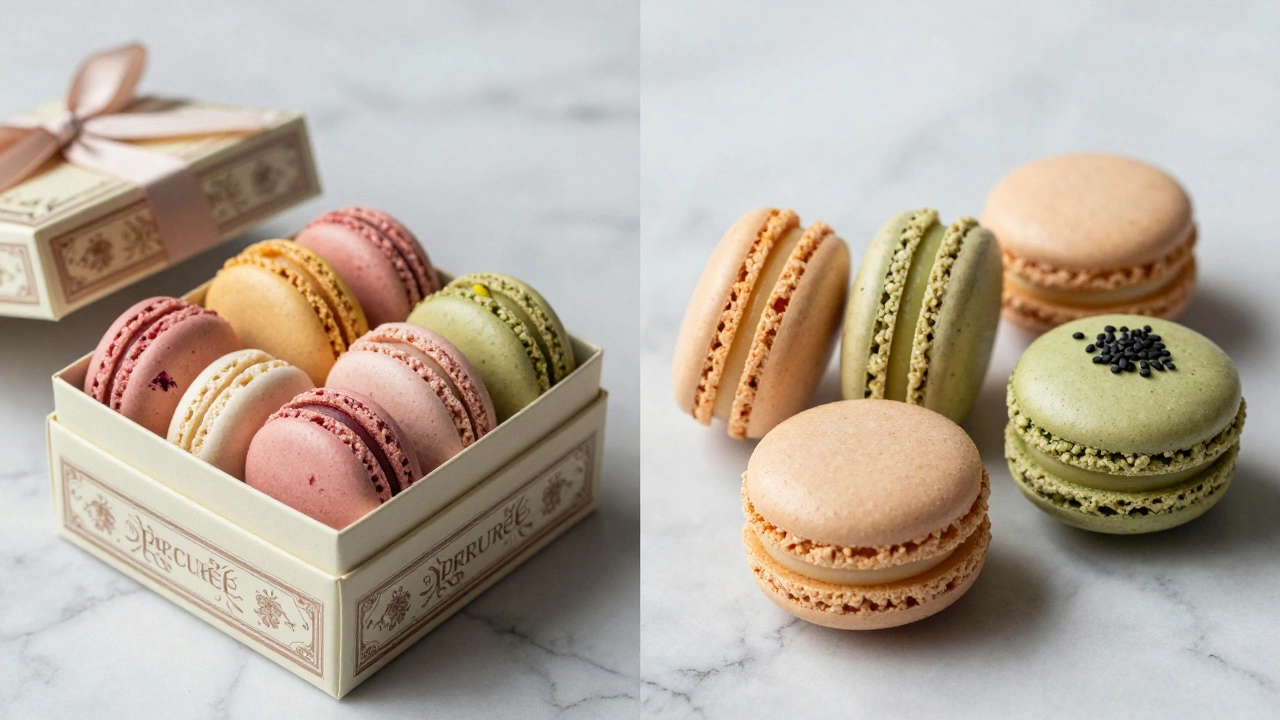
Second, consider packaging. Luxury brands invest heavily in presentation. A Ladurée box is a work of art-sturdy, beautifully printed, and reusable. You’re paying partly for the container, which some collectors keep as souvenirs. Smaller shops might use simpler cardboard boxes or even plastic clamshells, reducing waste and cost. Ask yourself: Do you really need the fancy box, or would you prefer to spend that money on better ingredients?
Third, beware of tourist traps. Areas near major landmarks like Notre-Dame, the Louvre, and Montmartre often feature generic souvenir shops selling mass-produced macarons. These aren’t made by skilled artisans-they’re factory-made, shipped in bulk, and marked up 50-100%. They lack texture, depth, and freshness. Stick to established patisseries with visible kitchen windows or staff who explain their process. Authenticity matters, especially when you’re spending €30 on six cookies.
Where to Find Better Value Without Sacrificing Quality
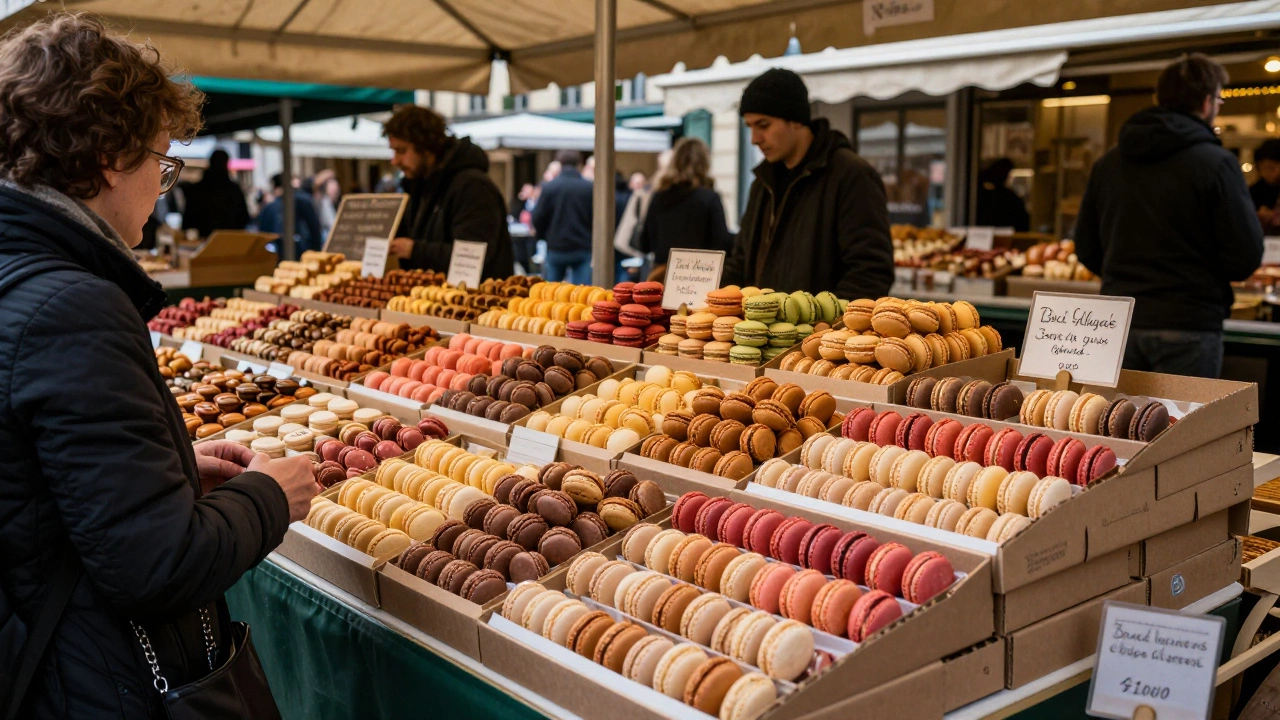
You don’t have to break the bank to enjoy great macarons in Paris. Some of the best values come from neighborhood patisseries that fly under the radar. Here are three strategies to save money without compromising on taste.
- Visit local markets: Places like Marché d’Aligre or Marché des Enfants Rouges host independent bakers who sell macarons at lower prices. Look for stalls with fresh batches made that morning.
- Try lesser-known chains: Brands like Cyril Lignac, Angelina, or Du Pain et des Idées offer excellent quality at mid-range prices. Angelina’s famous hot chocolate pairs well with their modestly priced macarons.
- Buy end-of-day specials: Many patisseries discount unsold pastries after 7 PM. You might score a half-price box of macarons if you’re willing to eat them immediately.
Another tip: Avoid buying directly outside metro stations or inside museums unless it’s a branded kiosk. Those locations pay premium rent, which gets passed on to you. Walk five minutes away, and you’ll often find similar quality for significantly less.
Seasonal Variations and Limited Editions
Prices also fluctuate based on seasonality. During Christmas, Easter, and Valentine’s Day, many shops release limited-edition flavors with gold leaf, edible glitter, or rare ingredients like saffron or truffle. These command higher prices-sometimes €7-€8 per macaron. While tempting, they’re not always worth the markup. Classic flavors like hazelnut, lemon, or salted caramel remain consistently delicious year-round.
In summer, expect slight reductions due to lower foot traffic. Some shops offer promotions or bundle deals (e.g., buy ten, get two free). Winter sees spikes in gifting demand, driving prices up. Plan your visits accordingly if budget is a concern.
How to Spot a Fake or Low-Quality Macaron
Not every macaron sold in Paris is created equal. Learning to spot red flags saves you from disappointment and wasted euros. Watch for these signs:
- Cracked shells: A properly made macaron has a smooth, unbroken surface. Cracks indicate improper drying or baking.
- No “feet”: The ruffled edge at the base of the shell should be distinct. Missing feet suggest poor technique.
- Hard exterior: The shell should snap gently, then give way to a chewy interior. Rock-hard shells mean stale product.
- Overly sweet filling: Balance is key. If the ganache overwhelms the almond flavor, something’s off.
Authentic macarons are perishable. Most shops recommend consuming them within 48 hours. If a vendor offers them sealed in plastic bags labeled “best before 3 weeks,” they’re likely preservative-laden imposters. Freshness is non-negotiable.
Final Thoughts: Is It Worth the Hype?
So, is spending €30 on six macarons worth it? For many visitors, yes-but only if you choose wisely. The experience isn’t just about eating; it’s about indulging in culture, craftsmanship, and momentary joy. Pair your macarons with a strong espresso from a nearby café, sit on a park bench, and savor each bite. That ritual transforms expense into memory.
If you’re traveling on a tight budget, prioritize quality over quantity. Buy three exceptional macarons instead of six mediocre ones. Seek out local recommendations from residents, not travel blogs. And never feel pressured to buy from the most famous name just because it’s photogenic. True appreciation comes from tasting, not posting.
What is the average price of a single macaron in Paris in 2026?
The average price ranges from €2.50 to €6.00 per macaron, depending on the bakery. Mid-range artisanal shops typically charge €3.50-€4.50, while luxury brands like Ladurée and Pierre Hermé exceed €5.00 per piece.
Are Ladurée macarons worth the high price?
It depends on your priorities. Ladurée offers consistent quality, beautiful packaging, and historic prestige, making them ideal for gifts or special occasions. However, if you seek bold, innovative flavors, Pierre Hermé provides better value for serious food enthusiasts.
Can I find cheap macarons in Paris?
Yes, but avoid tourist zones. Local markets, neighborhood patisseries, and end-of-day discounts offer macarons for €15-€18 per box of six. Always check for freshness and proper texture to ensure quality isn’t compromised.
Do macaron prices change during holidays?
Yes, seasonal editions during Christmas, Easter, and Valentine’s Day often cost €7-€8 per macaron due to special ingredients and decorative elements. Regular flavors remain stable throughout the year.
How do I tell if a macaron is fresh?
Fresh macarons have smooth shells with defined “feet,” a gentle snap followed by chewiness, and balanced sweetness. Avoid cracked, hard, or overly dry shells. Reputable shops display production dates and recommend consumption within 48 hours.