

For years, people have asked: Oreos are vegan? The answer isn’t as simple as it seems. On the surface, Oreos look like a snack that should fit into a vegan diet-no obvious milk, no eggs, just chocolate and cookie. But when you dig into the ingredients and how they’re made, things get messy. If you’re trying to stick to a plant-based lifestyle, you need more than a quick glance at the packaging.
What’s actually in an Oreo?
The classic Oreo cookie has three parts: two chocolate wafers and a sweet filling. The ingredient list you’ll find on the box in the U.S. includes sugar, unbleached enriched flour, palm and/or canola oil, cocoa processed with alkali, high fructose corn syrup, leavening, salt, soy lecithin, and artificial flavor. No milk. No eggs. No animal-derived ingredients listed.
That’s why many vegans assume Oreos are safe. But here’s the catch: the sugar. Not all sugar is created equal. Some sugar, especially refined white sugar, is processed using bone char-a filtering agent made from animal bones. This is common in the U.S. and Canada. While the sugar itself doesn’t contain bone particles, the processing method is enough for many strict vegans to avoid it entirely.
Then there’s the manufacturing process. Oreos are made in facilities that also handle dairy products. Cross-contamination isn’t listed as an ingredient, but it’s a real concern for people with dairy allergies or those who avoid animal products for ethical reasons. Nabisco, the maker of Oreos, doesn’t label them as vegan or dairy-free, which tells you everything you need to know about their stance.
Are Oreos certified vegan?
No. Oreos don’t carry any vegan certification from groups like Vegan Action or the Vegan Society. That’s not because they’re full of animal products-it’s because they don’t go through the extra steps to prove they’re free from animal-derived processing aids or cross-contamination.
Compare that to brands like Enjoy Life or Tate’s Bake Shop, which test their products for allergens and get certified vegan labels. Those cookies cost more, but you know exactly what you’re getting. Oreos? You’re left guessing.
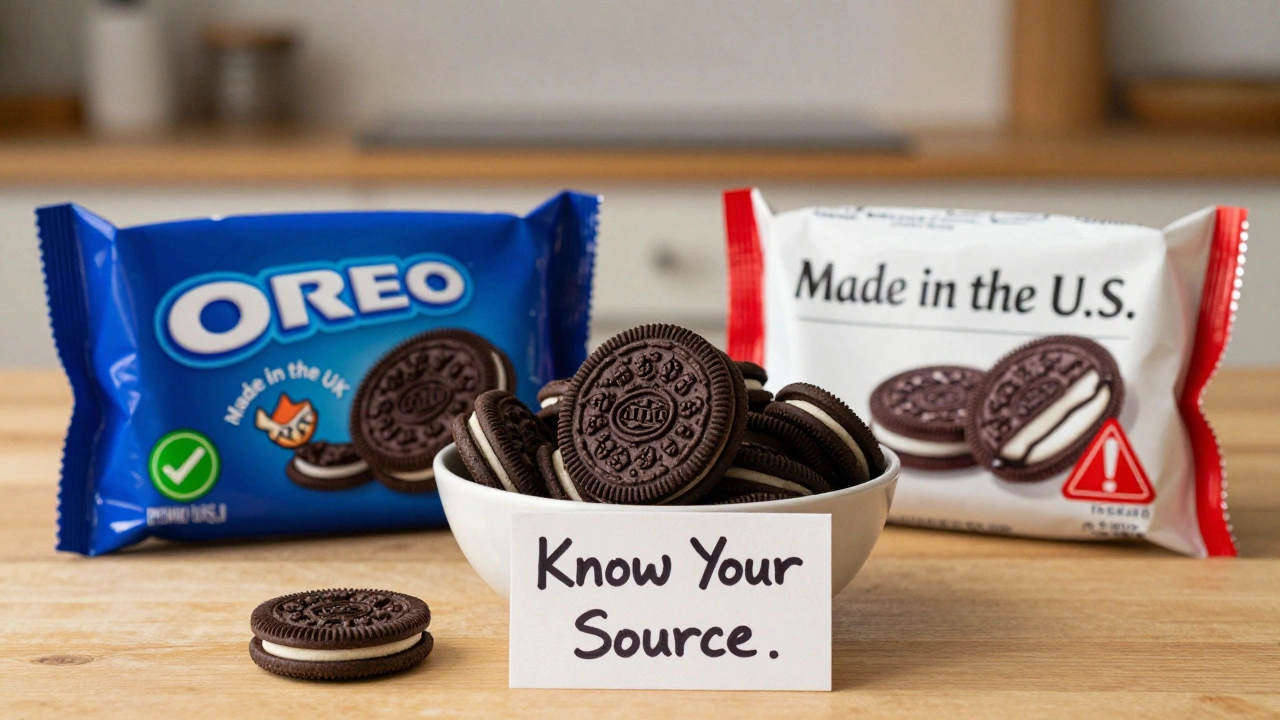
What about international versions?
The story changes depending on where you are. In the UK, Oreos are made with cane sugar, which isn’t filtered with bone char. The ingredient list is nearly identical, but the sugar source makes them acceptable to many UK vegans. The same goes for countries like Australia and parts of Europe where beet sugar is used instead of cane sugar.
But if you’re in the U.S. or Canada? The sugar is likely processed with bone char. So even if the ingredient list looks clean, the journey from cane to cookie isn’t vegan-friendly.
What do vegans actually do?
Some vegans eat Oreos without a second thought. They focus on the ingredients list and don’t worry about processing methods. For them, it’s about avoiding direct animal products-not indirect ones.
Others refuse them outright. They see sugar processing as part of the animal industry and won’t support it, even if the cookie doesn’t contain milk. There’s no right or wrong here-it’s personal.
Many choose to skip Oreos and go for alternatives like:
- Enjoy Life Soft Baked Cookies - certified vegan, allergen-free, made with organic ingredients
- Tate’s Bake Shop Vegan Chocolate Chip Cookies - crispy, sweet, and clearly labeled
- Amazon’s Private Label Vegan Cookies - often cheaper and made in dedicated vegan facilities
- Homemade Oreo-style cookies - easy to make with vegan butter, cane sugar, and cocoa
One popular recipe swaps out the filling with coconut cream, powdered sugar, and vanilla extract. It’s not exactly the same, but it’s cleaner, and you know every ingredient.

Why does this matter?
It’s not just about Oreos. It’s about how we define veganism. Is it about avoiding obvious animal ingredients? Or is it about rejecting all systems that exploit animals-even if they’re hidden in sugar processing or shared equipment?
Most vegan certifications require companies to prove they’ve eliminated animal-derived processing aids, tested for cross-contamination, and use dedicated equipment. Oreos don’t do any of that. So if you’re looking for a reliable vegan snack, you’re better off choosing something that’s transparent about its process.
Bottom line: Are Oreos vegan?
Technically? The ingredients don’t include animal products. But ethically? For many vegans, the answer is no.
If you’re new to veganism, you might be tempted to say yes. But if you’re deep into plant-based living, you’ll likely skip them. The real question isn’t whether Oreos are vegan-it’s whether you’re okay with the gray areas.
And if you want something that’s truly vegan? There are dozens of better options out there. You don’t have to settle for a cookie that walks the line.
Are Oreos dairy-free?
Yes, the classic Oreo cookie doesn’t contain dairy ingredients. But they’re made on equipment that also processes dairy products, so there’s a risk of cross-contamination. If you have a milk allergy, this matters. If you’re vegan for ethical reasons, you might still avoid them.
Is the sugar in Oreos vegan?
In the U.S. and Canada, the sugar in Oreos is likely refined using bone char-a byproduct of animal bones. While no animal parts remain in the final sugar, many vegans avoid it because of how it’s processed. In countries like the UK and Australia, where beet sugar or unrefined cane sugar is used, the sugar is considered vegan.
Are Oreo Thins vegan?
Oreo Thins have the same ingredients as regular Oreos, so the same concerns apply. The sugar source and manufacturing process haven’t changed. They’re not certified vegan, and the processing methods remain the same.
Can I eat Oreos if I’m plant-based for health reasons?
If your goal is to avoid animal products for health, Oreos are technically fine. But they’re still ultra-processed, high in sugar, and contain palm oil-which has environmental and ethical concerns. Many health-focused plant-based eaters avoid them for those reasons, even if they’re technically vegan.
What’s the best vegan alternative to Oreos?
Enjoy Life Soft Baked Cookies are the closest in texture and flavor. They’re certified vegan, gluten-free, and made without common allergens. Tate’s Bake Shop Vegan Chocolate Chip Cookies are another solid pick. For a homemade version, try using coconut oil, cane sugar, and cocoa powder-it’s easy and you control every ingredient.