Gluten-Free Food Safety Checker
Quick Tips
- Whole Foods: Fruits, veggies, meat, and dairy are naturally GF.
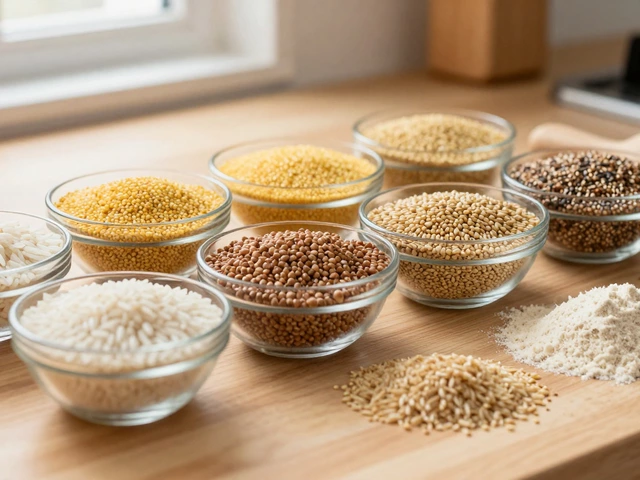
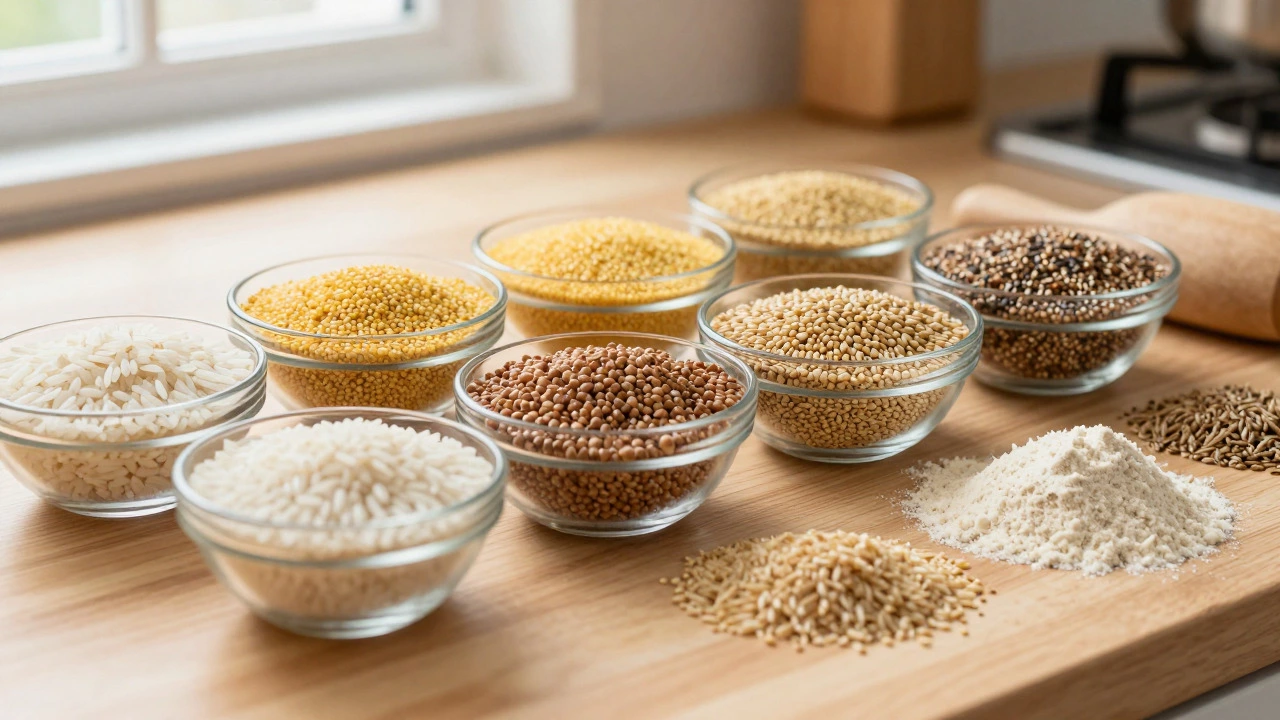
- Grains: Rice, Quinoa, Buckwheat, Millet are safe.
- Processed: Watch out for soy sauce, dressings, and candies.
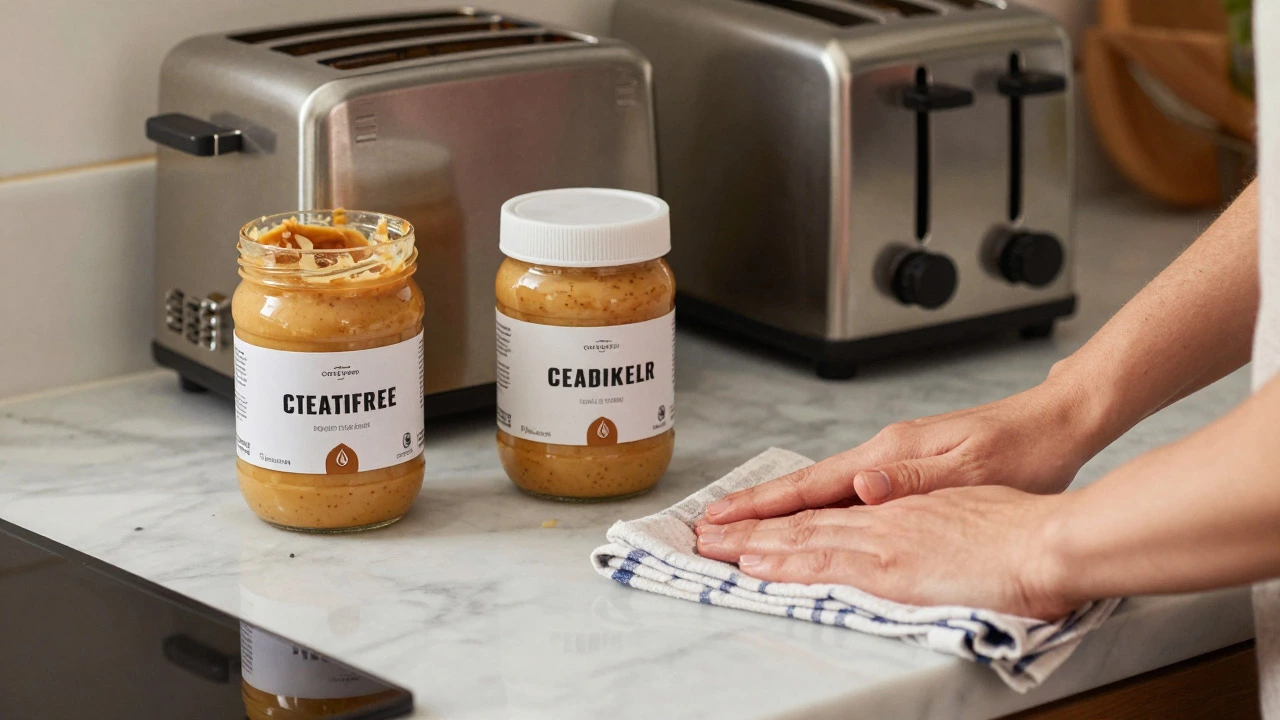
- Cross-Contamination: Always use dedicated toasters and utensils.
Walking down the grocery aisle can feel like navigating a minefield if you are avoiding gluten. You pick up a box of crackers, turn it over, and see that tiny asterisk next to "may contain traces of wheat." It is frustrating, but understanding what foods are naturally gluten-free changes everything. When you know exactly which ingredients are safe by nature, you stop guessing and start cooking with confidence. This knowledge is especially critical when you want to bake delicious treats, like gluten-free cakes, without relying on expensive, pre-packaged mixes that often taste dry or chalky.
The good news? The list of naturally gluten-free foods is surprisingly long. Most whole, unprocessed foods do not contain gluten. The problem usually arises with processed items where hidden gluten sneaks in as a thickener or stabilizer. By focusing on whole foods, you not only avoid gluten but also tend to eat more nutrient-dense meals. Let’s break down exactly what you can eat, what to watch out for, and how to keep your kitchen safe from cross-contamination.
Whole Grains That Are Safe to Eat
When people hear "gluten-free," they often think they have to give up bread, pasta, and cereal entirely. That is a myth. There are several grains that never contained gluten in their history. These are your best friends for baking and daily staples.
- Rice is a versatile grain available in white, brown, basmati, and jasmine varieties. It is one of the most widely consumed gluten-free staples globally.
- Quinoa is a pseudo-grain that provides complete protein and has a fluffy texture similar to couscous. It cooks quickly and absorbs flavors well.
- Buckwheat is despite its name, not related to wheat and is completely gluten-free. It is excellent for pancakes and soba noodles, provided the noodles are 100% buckwheat.
- Millet is a small, yellow seed that cooks into a porridge-like consistency or can be ground into flour. It has a mild, slightly sweet flavor.
- Sorghum is an ancient grain often used in gluten-free flours and cereals. It has a nutty taste and holds up well in baking.
- Teff is a tiny grain native to Ethiopia, rich in iron and calcium. It is commonly used to make injera, a sourdough-style flatbread.
- Amaranth is a high-protein pseudo-grain that can be popped like popcorn or cooked like quinoa. It adds a dense, hearty texture to baked goods.
- Brown Rice Flour is made from ground brown rice and is a common base for gluten-free cake mixes. It retains the bran layer, offering more fiber than white rice flour.
For baking specifically, rice flour and sorghum flour are workhorses. They provide structure, though they lack the elasticity of gluten. This is why recipes often combine them with starches like tapioca or potato starch to achieve a light crumb in cakes.
Fruits, Vegetables, and Proteins
This category is the easiest part of a gluten-free diet. Fresh produce is inherently free of gluten. If you buy a raw apple, a head of broccoli, or a chicken breast, there is no gluten involved. The risk here is minimal unless the food has been processed or prepared in a shared environment.
- All fresh fruits, including berries, apples, bananas, and citrus.
- All fresh vegetables, such as leafy greens, root vegetables, and cruciferous veggies.
- Unprocessed meats, poultry, fish, and eggs. Look for labels that say "no additives" or "plain." Avoid marinated meats unless you verify the marinade ingredients.
- Dairy products like milk, plain yogurt, cheese, and butter. Always check flavored yogurts or shredded cheeses, which may use anti-caking agents containing wheat starch.
- Nuts and seeds, provided they are raw or roasted in a dedicated facility. Almonds, walnuts, chia seeds, and flaxseeds are great additions to smoothies and baking.
- Legumes like beans, lentils, and peas. These are natural sources of fiber and protein.
When incorporating these into your diet, focus on variety. A bowl of quinoa topped with roasted vegetables and grilled chicken is a complete, satisfying meal that requires zero special ingredients.
Hidden Dangers: Processed Foods to Watch
While whole foods are safe, processed foods are where gluten hides. Manufacturers use wheat derivatives for texture, preservation, or cost-saving. Even if a product looks simple, read the label every time.
| Food Category | Why It Might Have Gluten | Safe Alternative |
|---|---|---|
| Soy Sauce | Traditional soy sauce is brewed with wheat. | Coconut aminos or tamari (labeled gluten-free). |
| Salad Dressings | Wheat flour may be used as a thickener. | Vinaigrettes made with oil, vinegar, and herbs. |
| Candy and Chocolate | Barley malt flavoring or cookie pieces. | Pure chocolate bars or fruit-based candies. |
| Imitation Seafood | Often uses wheat flour as a binder. | Fresh fish or certified gluten-free surimi. |
| Seasoning Blends | Anti-caking agents may include wheat starch. | Single-ingredient spices like garlic powder or paprika. |
Always look for the "Certified Gluten-Free" logo. This means the product has been tested and contains less than 20 parts per million (ppm) of gluten, which is the safety threshold established by major health organizations. Without this certification, even "wheat-free" labels can be misleading, as barley and rye are still sources of gluten.
Preventing Cross-Contamination at Home
You can buy all the right ingredients, but if your kitchen is contaminated, your efforts are wasted. Cross-contact happens when gluten-free food touches surfaces, utensils, or appliances that have touched gluten. For someone with celiac disease, even microscopic crumbs can trigger an immune response.
- Dedicate a Toaster: Crumbs get stuck in toaster slots and are nearly impossible to clean completely. Use a separate toaster for gluten-free bread or switch to toaster bags.
- Separate Condiments: Double-dipping a knife into peanut butter or jam after spreading it on regular bread introduces gluten. Keep two jars: one for gluten-free use and one for everyone else.
- Clean Surfaces Thoroughly: Wipe down countertops, cutting boards, and stovetops before preparing gluten-free meals. Use separate sponges if possible.
- Check Your Spices: If you share a home with gluten-eaters, ensure spice shakers aren't being used for both types of food. Consider buying smaller containers for personal use.
- Use Dedicated Baking Tools: Mixing bowls, measuring cups, and spatulas should be reserved for gluten-free baking. Plastic tools can harbor gluten in scratches, so consider glass or stainless steel.
These steps might seem excessive, but they make a huge difference in how you feel. Many people report feeling better once they eliminate cross-contamination, even if they were already eating gluten-free foods.
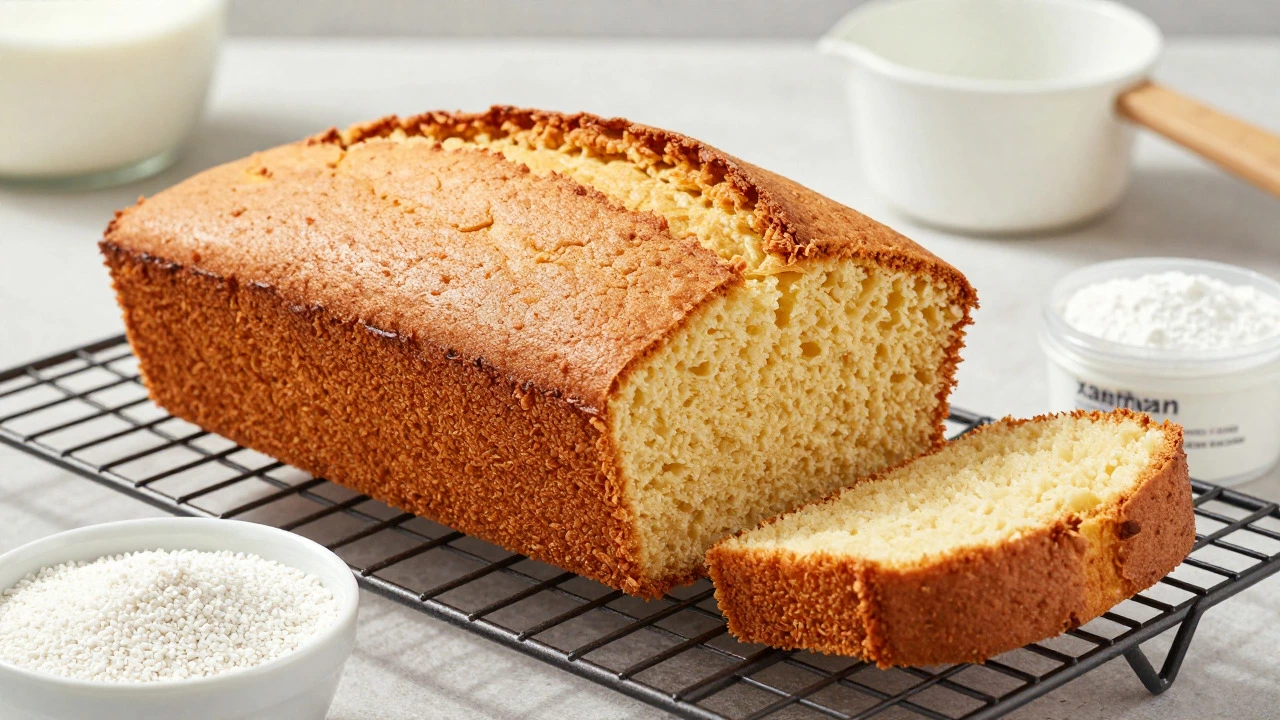
Baking Gluten-Free Cakes Successfully
Now, let’s talk about that cake. Baking without gluten is different because you lose the elastic network that gluten provides. Instead of rising and holding shape naturally, gluten-free batters rely on chemical leaveners and binders. Here is how to get it right.
First, understand your flours. All-purpose gluten-free flour blends exist, but making your own blend gives you control. A typical ratio for cakes involves a mix of protein-rich flours (like brown rice or sorghum) and starches (like tapioca or potato starch). Starches provide tenderness, while protein flours provide structure.
Second, use xanthan gum or guar gum. These hydrocolloids mimic the binding properties of gluten. Most commercial gluten-free flour blends include this, but if you are mixing your own, add about half a teaspoon per cup of flour. It prevents the cake from crumbling.
Third, don’t overmix. Unlike wheat dough, gluten-free batter doesn’t develop toughness if mixed too much, but overmixing can incorporate too much air, leading to collapse. Mix until just combined.
Finally, let it cool completely. Gluten-free cakes are fragile when warm. Trying to frost or cut them immediately will result in shards. Patience ensures a clean slice and a professional finish.
Reading Labels Like a Pro
Ingredient lists can be confusing. Manufacturers change formulations frequently. Here is a quick guide to terms that signal gluten presence:
- Wheat: Includes spelt, kamut, farro, durum, semolina, and triticale.
- Barley: Often found in malt vinegar, beer, and soups.
- Rye: Common in certain breads and vodkas.
- Malt: Unless specified as gluten-free, malt comes from barley.
- Modified Food Starch: In many countries, if the source isn’t listed, assume it could be wheat. In the US, if it’s corn, it must say "corn starch."
If you see any of these, put the item back. Stick to recognizable ingredients. The simpler the ingredient list, the lower the risk of hidden gluten.
Is oats naturally gluten-free?
Oats are naturally gluten-free, but they are almost always contaminated during farming or processing because they are grown near wheat and barley. To be safe, always buy oats labeled "certified gluten-free." Regular oats can trigger symptoms in people with celiac disease due to this cross-contact.
Can I use regular soy sauce in my stir-fry?
No, traditional soy sauce contains wheat as a primary ingredient. Instead, use tamari that is explicitly labeled gluten-free or coconut aminos. Coconut aminos are sweeter and lower in sodium, making them a versatile substitute in Asian-inspired dishes.
What is the best flour for gluten-free cakes?
There is no single best flour; the key is blending. A combination of brown rice flour (for structure), tapioca starch (for chewiness), and potato starch (for moisture) works well. Adding xanthan gum helps bind the ingredients together, mimicking the texture of wheat-based cakes.
Are all nuts and seeds safe for a gluten-free diet?
Raw nuts and seeds are naturally gluten-free. However, flavored or roasted varieties may be processed on equipment that handles wheat. Always check the label for allergen warnings. Buying in bulk from bins can also be risky if scoops are shared between gluten-containing and gluten-free items.
How long does it take to adjust to a gluten-free diet?
Physical healing for those with celiac disease can take months to years. However, adjusting to new recipes and finding favorite gluten-free brands usually takes a few weeks. Start with whole foods like fruits, vegetables, and meats, then gradually experiment with gluten-free grains and baking.