New York Cheesecake Customizer
Select Options to Start
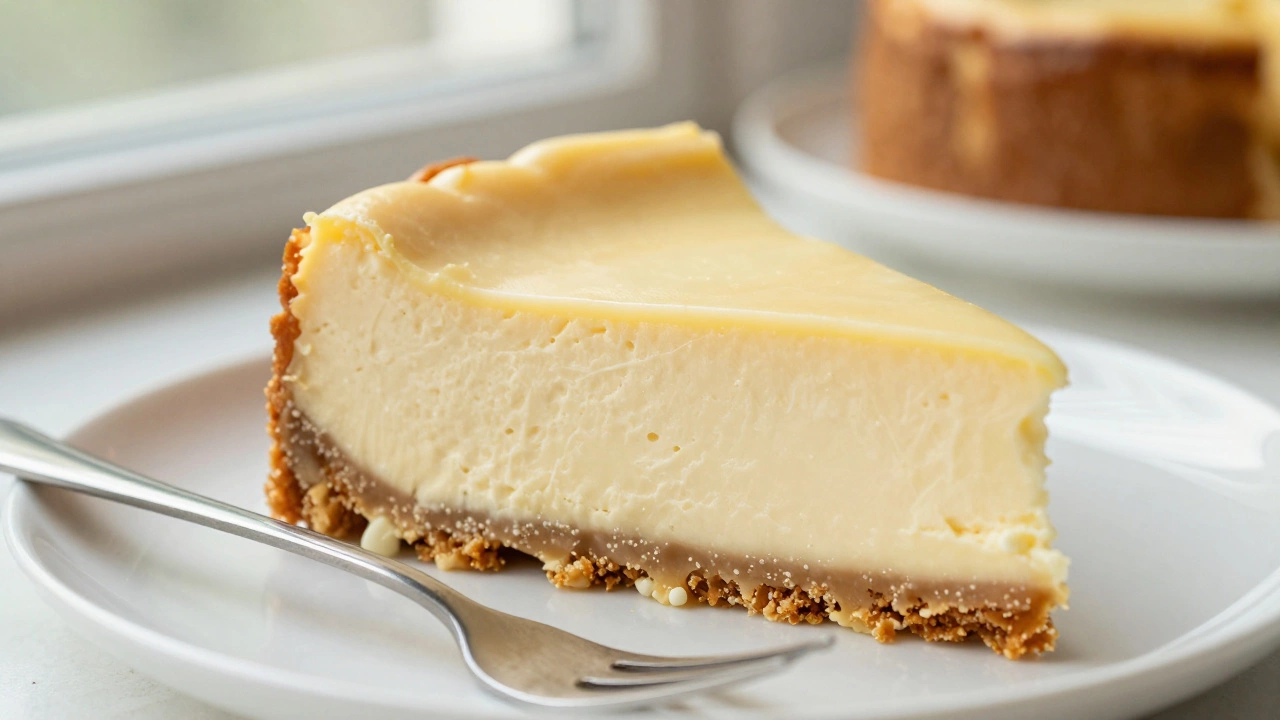
You know that slice. It’s thick, heavy, and intensely creamy. It doesn’t wobble like a jelly; it sits firm on your plate, demanding a fork rather than a spoon. If you’ve ever eaten a legendary slice in Manhattan or ordered it at a high-end restaurant across North America, you are thinking of New York-style cheesecake. But what exactly makes it "famous"? Is it just marketing, or is there a specific chemistry behind this dense, rich treat?
The name isn't a secret code. It is simply called **New York cheesecake**. However, calling it just "cheesecake" misses the point. This style is distinct from its lighter, airier cousins like the Italian ricotta cheesecake or the fluffy French variety. To understand why it holds such a cult status, we have to look at the ingredients, the technique, and the history that turned a simple dairy product into an American icon.
The Anatomy of New York Style
What separates a generic supermarket cheesecake from the real deal? It comes down to density and richness. A standard home-baked cheesecake often uses whipped egg whites or extra flour to create lift. New York style rejects this fluffiness. It aims for a texture that is almost custard-like but solid enough to hold a sharp edge.
| Feature | New York Style | Italian/Ricotta Style | French/Bavarian Style |
|---|---|---|---|
| Cheese Base | Full-fat Cream Cheese (Philadelphia) | Ricotta & Mascarpone | Crème Fraîche or Light Cream Cheese |
| Texture | Dense, Heavy, Smooth | Grainy, Light, Airy | Fluffy, Soft, Wobbly |
| Crust | Graham Cracker or Digestive Biscuit | Often None or Simple Shortcrust | Pastry Shell or No Crust |
| Taste Profile | Tangy, Rich, Sweet | Mild, Nutty, Subtle | Delicate, Floral, Light |
The star ingredient here is cream cheese, specifically the full-fat variety. In the United States, the brand Philadelphia became synonymous with the genre because they were one of the first to mass-produce shelf-stable cream cheese in the late 19th century. When you see recipes calling for "NY Style," they almost always specify four bricks of cream cheese. Why four? Because the ratio of fat to water matters. Lower fat means more moisture, which leads to cracking and a less luxurious mouthfeel.
History: From Paterson to Manhattan
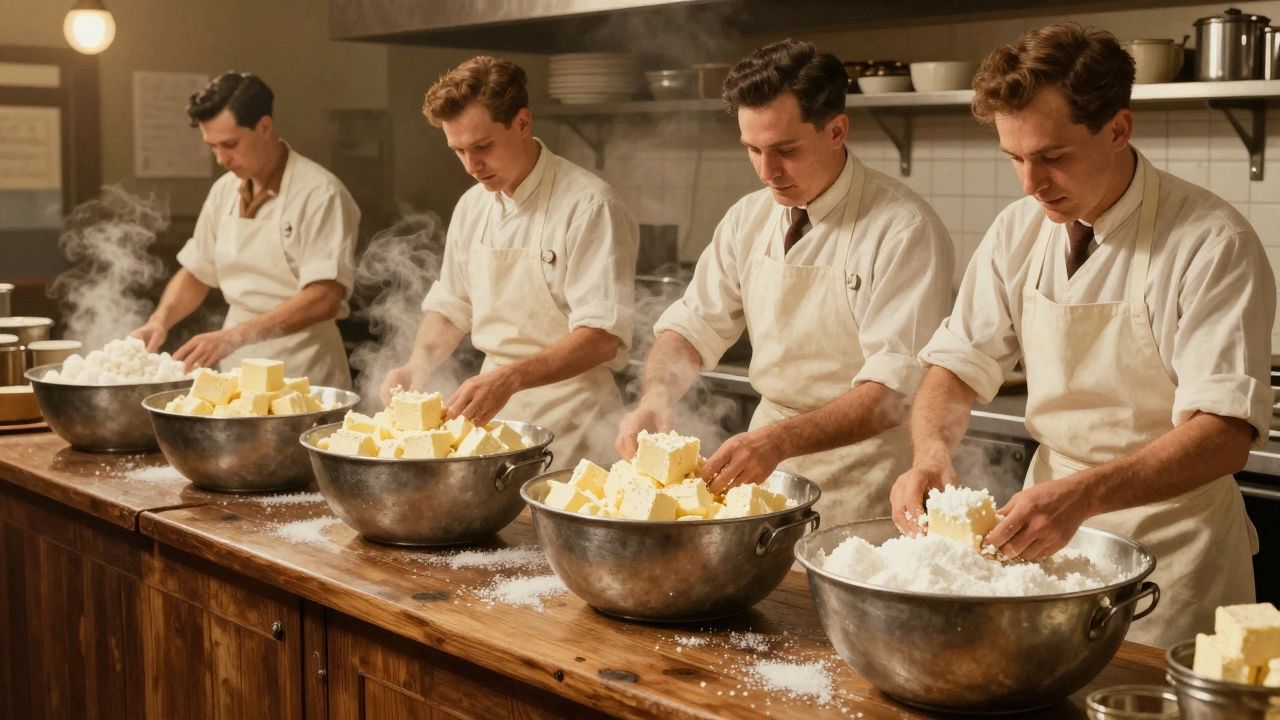
It might surprise you to learn that New York cheesecake didn't start in New York City. Its roots trace back to Paterson, New Jersey. In the early 1900s, Jacob Greiner ran a small shop where he experimented with adding cream cheese to traditional sponge cake batters. He found that by increasing the amount of cream cheese and reducing the flour, he created a denser, richer dessert that people couldn't get enough of.
Greiner eventually sold his business, and the recipe traveled east. By the 1930s and 40s, bakeries in Manhattan began adopting this style. The post-war boom in refrigeration allowed for the widespread availability of cold-processed cream cheese, making this dessert accessible to the average American household. It wasn't just a luxury item anymore; it was a staple of birthday parties and holiday dinners across the country.
The Secret Ingredients: More Than Just Cheese
If you buy a box mix, you’re missing half the battle. Authentic New York cheesecake relies on a few key components that work together chemically to create that signature smoothness.
- Sour Cream: While some purists argue against it, sour cream adds acidity and tang. It cuts through the intense sweetness of the sugar and the heaviness of the fat. It also helps keep the crumb moist without adding excess liquid like milk would.
- Eggs: Eggs act as the binder. They provide structure so the cake doesn't collapse. However, over-beating them incorporates too much air, leading to cracks. The goal is to mix them gently until just combined.
- Vaniila Extract: High-quality vanilla is non-negotiable. Since there are no other strong flavors masking the base, the vanilla provides the aromatic backbone that defines the dessert's aroma.
- Flour: A small amount of all-purpose flour (usually 2-3 tablespoons) stabilizes the batter. It prevents the proteins in the eggs and cheese from tightening too much during baking, which causes shrinkage.
Baking Technique: Avoiding the Crack
Have you ever baked a cheesecake only to find a massive crack running down the center? It looks ugly, but does it taste bad? Not necessarily. However, for that professional "New York" look, you need to manage heat carefully.
The enemy of the cheesecake is rapid temperature change. If the oven is too hot, the outside sets before the inside cooks, causing tension that results in cracking. Most professional bakers use a water bath (bain-marie). You place the springform pan inside a larger roasting pan filled with hot water. This creates a humid environment that cooks the cheesecake gently and evenly.
Another pro tip: Don't open the oven door during the first hour of baking. Even a slight draft can cause the delicate structure to sink. After baking, turn off the oven, crack the door open slightly, and let the cheesecake cool inside for an hour. This gradual cooling process is crucial for preventing surface cracks.
The Crust: Graham vs. Digestive
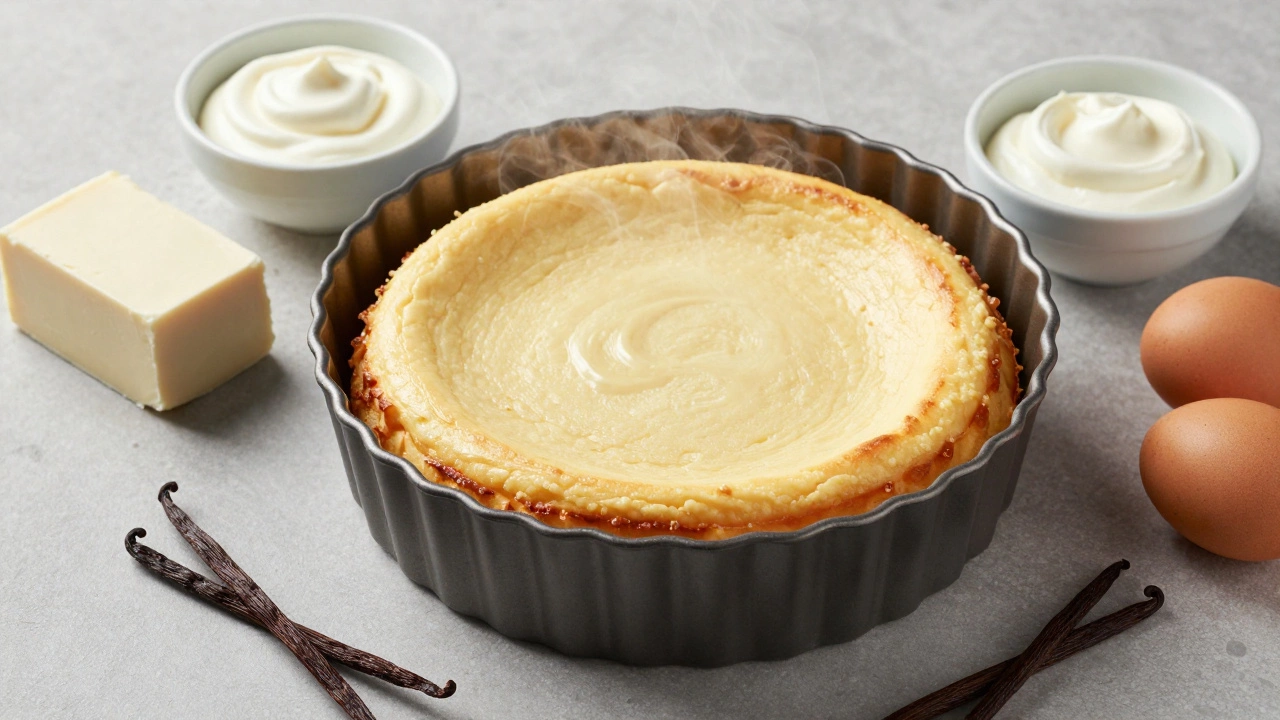
In New York, the crust is made from graham crackers. These honey-sweetened wheat squares provide a gritty, sweet contrast to the smooth filling. If you are outside the US, you won't find graham crackers easily. In Canada and the UK, digestive biscuits or Marie cookies are the standard substitute. They offer a similar texture and mild sweetness, though they lack the cinnamon note often found in graham blends. To mimic the flavor profile, add a pinch of cinnamon to your biscuit crumbs.
The crust should be pressed firmly into the bottom of the pan. Some recipes call for pressing it up the sides, but true NY style usually keeps the crust flat on the bottom, allowing the tall, imposing wall of cheese to take center stage.
Serving Suggestions: Keep It Simple
A common mistake is overloading the top with fruit compotes or chocolate ganache. While delicious, these toppings can mask the delicate balance of the cheesecake itself. Traditional New York serving styles include:
- Plain: Just a dusting of powdered sugar or lemon zest.
- Berry Compote: A warm sauce of strawberries or blueberries served on the side, not poured directly over the slice.
- Caramel Drizzle: A thin line of salted caramel adds depth without overwhelming the palate.
Remember, this dessert is rich. One slice is often enough. Serve it at room temperature for the best flavor release, or slightly chilled if you prefer a firmer bite.
Why is New York cheesecake so dense?
The density comes from the high ratio of cream cheese to other ingredients and the absence of leavening agents like baking powder or whipped egg whites. The focus is on pure dairy richness rather than airiness.
Can I make New York cheesecake without a water bath?
Yes, but you must bake it at a lower temperature (around 300°F / 150°C) and avoid opening the oven door. Without the water bath, the risk of cracking increases significantly due to uneven heating.
What is the best brand of cream cheese for this recipe?
Philadelphia is the gold standard because it has a consistent fat content and smooth texture. However, any full-fat (not light or low-fat) brick cream cheese will work. Avoid tub spreads, as they contain stabilizers that affect the final texture.
How long does New York cheesecake last in the fridge?
Stored in an airtight container, it can last up to 5 days. For longer storage, you can freeze individual slices for up to 3 months. Thaw overnight in the refrigerator for best results.
Is New York cheesecake gluten-free?
Traditionally, no, because of the graham cracker crust and the small amount of flour in the filling. However, you can easily make it gluten-free by using gluten-free digestive biscuits for the crust and omitting the flour or using a gluten-free blend.