Italian Dessert Matchmaker
Not sure which Italian treat to pick? Answer three quick questions to find the perfect match for your palate.
Your Perfect Match:
There is no single "best" Italian dessert because Italy is not a monolith; it is a patchwork of regions with fiercely proud culinary traditions. If you ask a Roman, they will tell you about Torta Caprese is a dense, flourless chocolate and almond cake from the island of Capri.. A Sicilian will defend their Cannolo is a crispy fried pastry tube filled with sweet, creamy ricotta cheese.. Meanwhile, a Neapolitan might argue that nothing beats a perfect scoop of Gelato is dense, low-fat Italian ice cream served at a lower temperature than American ice cream..
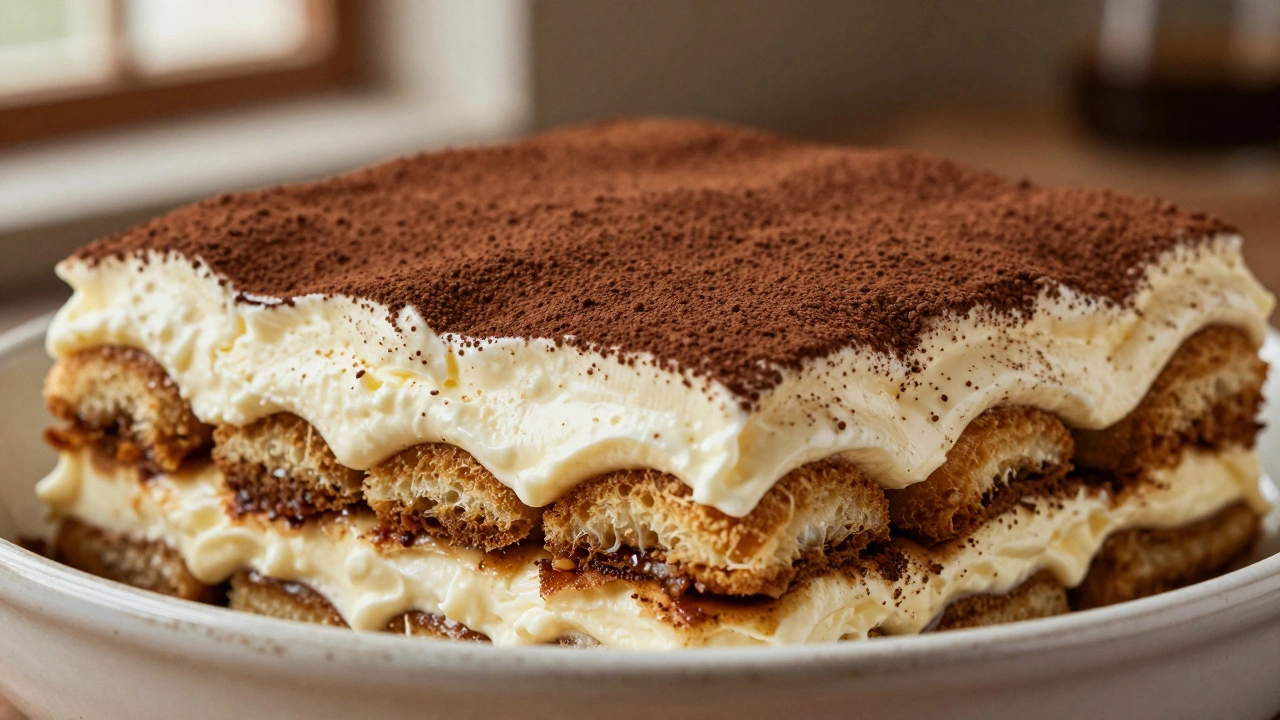
However, if we are talking about global recognition, complexity, and sheer popularity, one name usually rises to the top: Tiramisu is a classic Italian coffee-flavored dessert made with ladyfingers soaked in espresso, mascarpone cheese, eggs, and sugar.. But is it truly the best? To answer that, we have to look beyond the hype and examine what makes these desserts tick.
Why Tiramisu Dominates the Conversation
Tiramisu is a layered dessert originating from Veneto or Friuli-Venezia Giulia in northeastern Italy.. The name literally translates to "pick me up" or "cheer me up," referring to the caffeine kick from the espresso and the energy boost from the sugar and eggs. This isn't just a snack; it's an experience built on contrast.
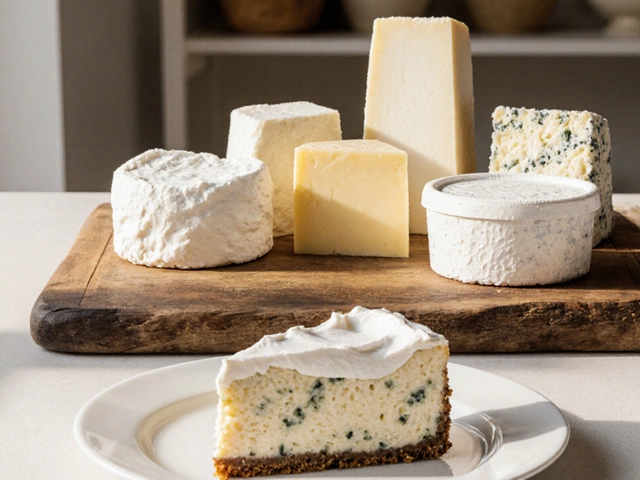
The magic lies in the texture. You have the dry, crisp structure of the Ladyfinger biscuit is an oblong sponge cookie traditionally used in Italian desserts like tiramisu. (savoiardi) meeting the liquid intensity of strong Espresso is a concentrated form of coffee brewed by forcing hot water through finely-ground coffee beans.. Then comes the cloud-like smoothness of Mascarpone is a fresh Italian cream cheese known for its high fat content and mild, buttery flavor..
Most people get tiramisu wrong. They soak the biscuits too long, turning them into mush, or they use weak coffee, resulting in a bland taste. The key is speed. Dip the ladyfinger, place it, repeat. Do not let it sit. The moisture should penetrate the outer layer but leave the center slightly firm. When you cut into it, you want distinct layers, not a homogeneous sludge.
Another common mistake is skipping the cocoa powder. Dusting the top with unsweetened cocoa isn't just for looks; it adds a bitter note that cuts through the richness of the mascarpone and balances the sweetness. Without it, the dessert can feel cloying.
The Case for Panna Cotta: Simplicity Done Right
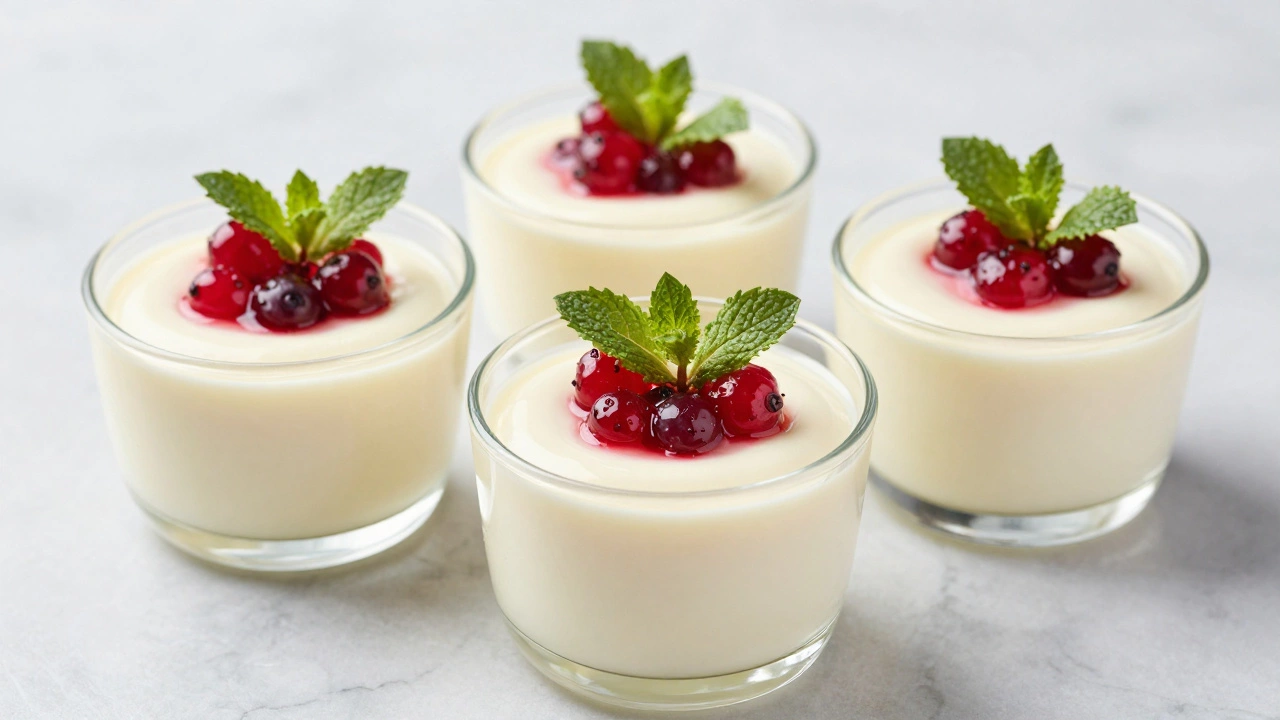
If tiramisu is the dramatic opera singer, Panna Cotta is a simple Italian dessert made from cooked cream, sugar, and vanilla, set with gelatin. is the minimalist jazz musician. Originating from Piedmont in northwest Italy, this dessert proves that you don't need complex techniques to create something elegant.
The name means "cooked cream." That’s it. No baking, no frying, no assembly lines of ingredients. Just heavy cream, sugar, vanilla bean, and a pinch of gelatin. The challenge here isn't the recipe; it's the execution. You need to heat the cream just enough to dissolve the gelatin without boiling it, which can break down the proteins and result in a grainy texture instead of a silky one.
Panna cotta is versatile. It serves as a blank canvas for toppings. In Italy, you’ll often find it served with a berry compote, caramel sauce, or passion fruit coulis. The acidity of the fruit contrasts beautifully with the rich, fatty mouthfeel of the cream. It’s lighter than tiramisu, making it a better choice for summer evenings or after a heavy meal.
Sicily’s Pride: The Cannolo
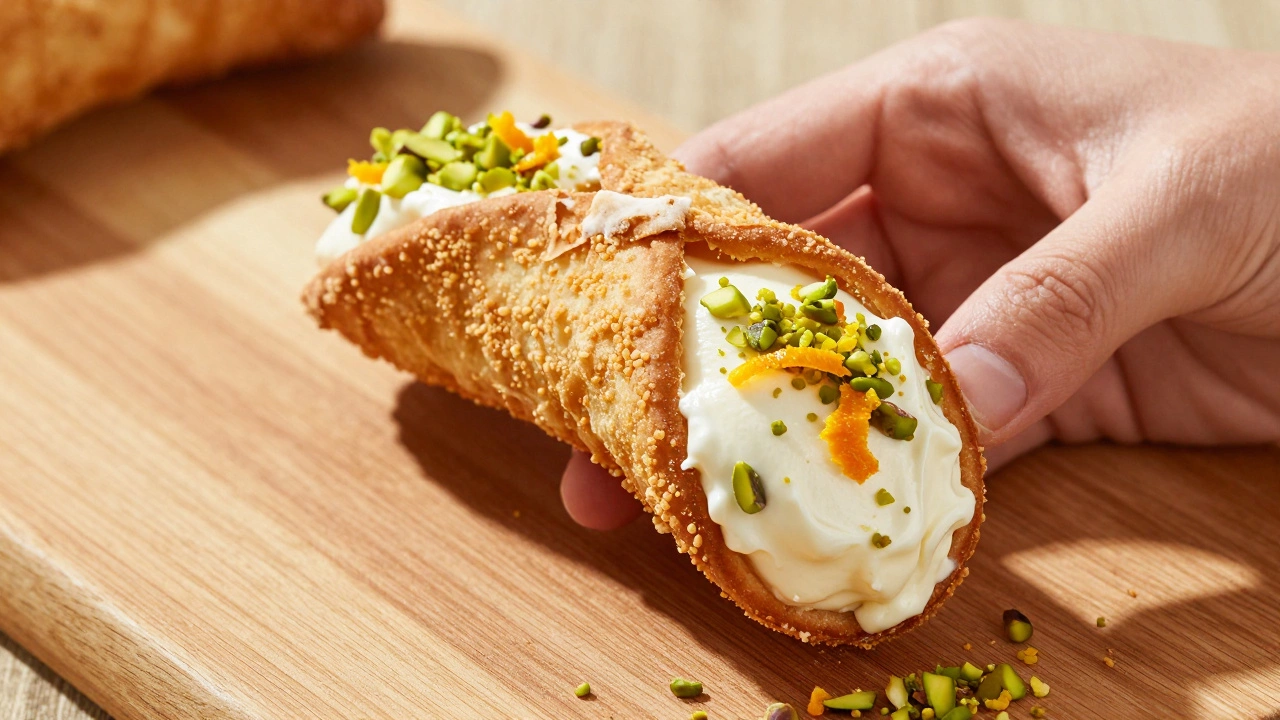
You cannot talk about Italian desserts without mentioning Sicily. The Cannolo is a traditional Sicilian pastry consisting of a tube-shaped shell of fried pasta dough, turned outward and filled with a sweet, creamy filling typically containing ricotta. is more than a dessert; it’s a cultural icon. Unlike tiramisu or panna cotta, which are eaten with a spoon, the cannolo is handheld. It’s messy, loud, and incredibly satisfying.
The shell is the first hurdle. It needs to be thin enough to shatter when you bite into it but sturdy enough to hold the filling. This requires a specific type of dough-usually just flour, sugar, butter, and sometimes a splash of wine or Marsala-and precise rolling. If the dough is too thick, it becomes chewy. Too thin, and it tears during frying.
The filling is where opinions divide. Purists insist on whole-milk ricotta, drained well to remove excess whey, mixed with powdered sugar, candied orange peel, and chopped pistachios. Some add chocolate chips. Others swear by a hint of cinnamon. The ricotta must be fresh and sweet; if it’s sour or watery, the entire dessert fails. The contrast between the hot, oily crunch of the shell and the cold, creamy filling is addictive.
Gelato vs. Ice Cream: What’s the Difference?
While technically frozen dairy, Gelato is Italian-style ice cream that is churned slower than regular ice cream, resulting in less air incorporation and a denser product. deserves a spot in this conversation because it’s the most consumed dessert in Italy. But why is it considered superior to American-style ice cream?
It comes down to two factors: air and fat. Gelato is churned at a slower speed, incorporating less air (overrun). This makes it denser and allows the flavors to hit your palate more intensely. Additionally, gelato contains less milk fat (usually 4-8%) compared to ice cream (14-25%). Lower fat means the flavors aren’t masked by creaminess. You taste the strawberries, the hazelnuts, the pistachios more clearly.
Gelato is also served at a higher temperature (around -10°C or 14°F) than ice cream (-18°C or 0°F). This means it’s softer and coats your tongue better, releasing aromas that frozen solid ice cream locks away. If you’re looking for purity of flavor, gelato wins. If you want richness and body, stick with ice cream.
Regional Showdown: Which One Should You Choose?
Choosing the "best" depends entirely on your mood and context. Here is a quick guide to help you decide:
| Dessert | Key Ingredients | Texture | Best For | Prep Time |
|---|---|---|---|---|
| Tiramisu | Espresso, Mascarpone, Ladyfingers | Layered, Moist, Creamy | Date nights, Coffee lovers | 30 mins + chilling |
| Panna Cotta | Cream, Sugar, Gelatin | Silky, Smooth, Jiggly | Summer, Light meals | 15 mins + chilling |
| Cannoli | Fried Dough, Ricotta | Crispy, Creamy | Parties, Handheld snacks | 1 hour |
| Gelato | Milk, Cream, Flavorings | Dense, Dense, Cold | Hot days, Quick treats | Varies |
If you want to impress someone with a show-stopping plate, go with tiramisu. If you want something elegant and effortless, choose panna cotta. If you’re hungry and want a savory-sweet crunch, grab a cannolo. And if you just want a cool treat on a hot day, gelato is unbeatable.
Common Mistakes to Avoid
Even experienced cooks mess up Italian desserts. Here are three pitfalls to watch out for:
- Using store-bought ricotta for cannoli: Most supermarket ricotta is too wet and lacks the sharp, clean flavor needed. Drain it overnight in cheesecloth, or make your own from whole milk.
- Serving gelato too cold: If it’s rock hard, it’s not gelato. Let it sit at room temperature for 2-3 minutes before serving to allow the flavors to open up.
- Neglecting the coffee quality in tiramisu: Since coffee is the primary flavor driver, using instant coffee or weak brew will ruin the dessert. Use freshly brewed espresso or very strong dark roast.
Final Thoughts on Sweet Traditions
There is no winner in the battle for the best Italian dessert because each one represents a different aspect of Italian culture. Tiramisu reflects the love of coffee and comfort. Panna cotta shows appreciation for simplicity and quality ingredients. Cannoli celebrates craftsmanship and tradition. Gelato highlights the pursuit of pure flavor.
Instead of picking one, try them all. Start with a cannolo for breakfast (yes, Italians do this), enjoy a panna cotta for lunch, and finish with tiramisu after dinner. Your palate will thank you.
Is tiramisu actually Italian?
Yes, tiramisu originated in Italy, specifically in the Veneto region (possibly Treviso) or Friuli-Venezia Giulia in the 1960s or 1970s. Despite some claims of earlier origins, modern tiramisu as we know it is a relatively recent invention.
Can I make tiramisu without raw eggs?
Absolutely. Traditional recipes use raw egg yolks, but you can substitute them with whipped cream or a stabilized mascarpone mixture heated gently to pasteurize the eggs. Many commercial versions avoid raw eggs for safety reasons.
What is the difference between gelato and sorbetto?
Gelato contains dairy (milk and/or cream), while sorbetto (sorbet) is dairy-free and made primarily from fruit puree, sugar, and water. Sorbetto is lighter and more acidic, making it a popular palate cleanser.
How long does tiramisu last in the fridge?
Tiramisu lasts up to 3-4 days in the refrigerator. Because it contains raw eggs (in traditional recipes) and dairy, it should not be left at room temperature for more than two hours. Cover it tightly to prevent it from absorbing other fridge odors.
Why is my panna cotta not setting?
This usually happens if the gelatin wasn't properly bloomed or dissolved, or if the cream was boiled, which can degrade the gelatin's setting power. Ensure you use the correct ratio of gelatin to liquid (usually 1 packet per 2 cups of liquid) and chill for at least 4 hours.