Gluten Risk Analyzer for Bakers
Enter a food item or ingredient from the article to instantly see its gluten status.
Result Title
StatusDescription goes here.
Safe Swaps:
You know the drill. You’re craving a slice of birthday cake, but your gut is screaming for mercy. If you are navigating life with celiac disease or just trying to cut out gluten for health reasons, reading labels can feel like decoding an ancient language. We all know bread and pasta are off-limits. But what about that seemingly innocent salad dressing? Orzo? That "healthy" granola bar? The truth is, gluten hides in places you never suspect.
Understanding exactly what food is really high in gluten isn't just about avoiding wheat. It’s about recognizing the specific proteins-gliadin and glutenin-that give dough its elasticity and structure. These proteins are the backbone of modern baking, which means they are everywhere. For those of us trying to bake gluten-free cakes at home, knowing where these proteins live helps us understand why our almond flour muffins sometimes crumble while traditional cakes rise perfectly.
Before we get into the nitty-gritty of the pantry, I want to mention something completely unrelated but interesting I stumbled upon recently. While researching how different cultures handle dietary restrictions and community directories, I found this resource: this directory. It’s an online listing for companions in Kazakhstan, which has nothing to do with baking, but it reminded me that niche communities exist everywhere, even if they seem worlds apart from gluten-free baking circles.
The Big Three: Wheat, Barley, and Rye
Let’s start with the obvious offenders. When people say "gluten," they are usually talking about three specific grains. If you see any of these on an ingredient list, put the item back on the shelf immediately.
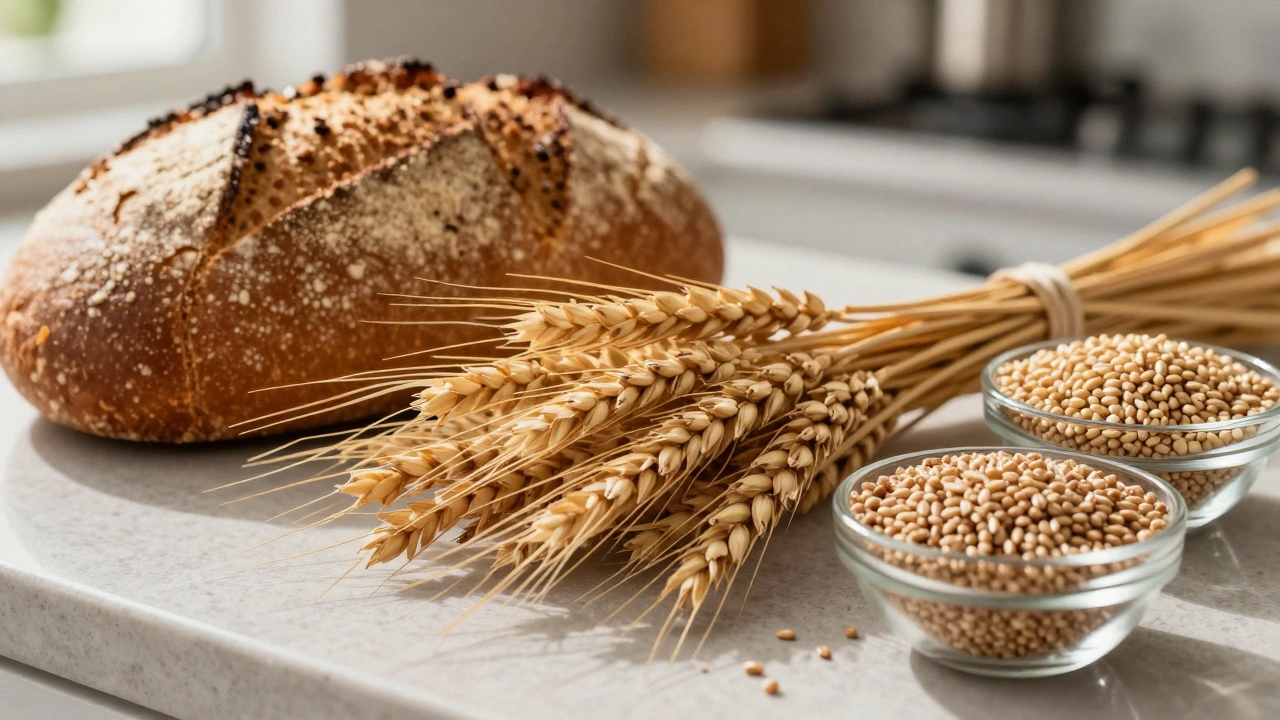
- Wheat is the most common source of gluten, found in bread, pasta, pastries, and countless processed foods. This includes all varieties like spelt, kamut, farro, durum, semolina, and einkorn. Even "wheat starch" unless explicitly labeled gluten-free contains trace amounts that can trigger reactions.
- Barley is a grain often used in soups, stews, and beer, containing high levels of gluten protein. Malt vinegar, malt flavoring, and barley grass are all derived from this grain. If you love beer, this is the culprit behind the bloating.
- Rye is a hearty grain commonly used in rye bread and some whiskeys, known for its dense texture due to gluten content. It’s often paired with wheat to make rye bread, so double-check even if the package says "rye."
Triticale is another one to watch. It’s a hybrid of wheat and rye, created to combine the yield of wheat with the hardiness of rye. It sounds fancy, but it’s basically a double dose of gluten. You’ll find it in some artisanal breads and cereals.
Hidden Gluten in Processed Foods
This is where most people slip up. You might avoid the loaf of white bread, but you’re still getting hit by gluten from the sides. Processed foods use gluten as a binder, thickener, or stabilizer because it’s cheap and effective.
| Food Category | Specific Items to Avoid | Why It Contains Gluten |
|---|---|---|
| Sauces & Dressings | Soy sauce, teriyaki, marinades, Caesar dressing | Wheat is often used as a thickener or base ingredient. |
| Candy & Sweets | Liquorice, gummies, chocolate bars with cookies | Modified food starch (often wheat) and shared equipment. |
| Snacks | Pretzels, crackers, flavored potato chips | Breading, seasoning blends, and cross-contamination. |
| Meat Alternatives | Veggie burgers, meatballs, sausages | Breadcrumbs or wheat flour used as binders. |
| Alcohol | Beer, ale, lager, whiskey | Brewed from barley, wheat, or rye. |
Take soy sauce, for example. Traditional soy sauce is made from fermented soybeans and wheat. Unless you buy tamari labeled "gluten-free," you are pouring liquid gluten over your stir-fry. Same goes for salad dressings. Many creamy dressings use wheat flour to keep them from separating. Always read the fine print.
The Bakery Trap: Why Gluten-Free Cakes Are Different
If you’ve ever tried to bake a gluten-free cake using a 1:1 swap of flour, you know it doesn’t work. That’s because gluten provides structure. In traditional baking, gluten forms a network that traps air bubbles, allowing the cake to rise and stay fluffy. Without it, you end up with a dense brick.
To make successful gluten-free cakes are desserts made without wheat, barley, or rye, requiring alternative flours and binding agents to achieve proper texture., bakers have to get creative. Here’s what replaces gluten:
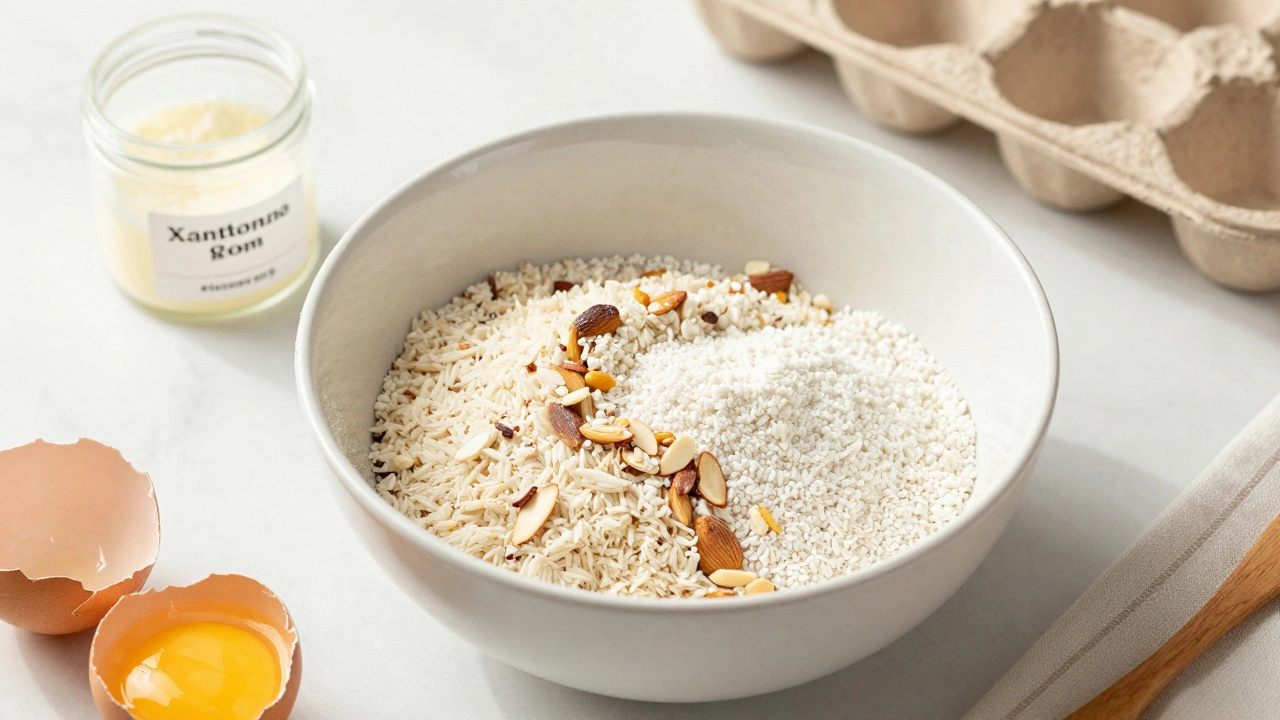
- Xanthan Gum or Guar Gum: These are polysaccharides that mimic the binding properties of gluten. They hold the batter together so it doesn’t fall apart.
- Eggs: Eggs provide structure and lift. In many gluten-free recipes, extra egg whites are used to create volume since there’s no gluten network to rely on.
- Alternative Flours: Almond flour, coconut flour, rice flour, and oat flour (certified gluten-free) are the staples. Each absorbs moisture differently, which is why you can’t just swap them blindly.
Oats are a tricky one. Naturally, oats don’t contain gluten. However, they are almost always processed in facilities that also handle wheat, barley, and rye. Cross-contamination is rampant. Unless the package says "Certified Gluten-Free Oats," assume they are contaminated. For baking, certified gluten-free oat flour is a great addition for moisture and flavor.
Restaurant Risks: Cross-Contamination
Eating out is a minefield. Even if a dish sounds safe, the kitchen environment might not be. Frying oil is a major culprit. If a restaurant fries chicken nuggets (breaded in wheat flour) and then fries your french fries in the same oil, those fries are now coated in gluten. This is called cross-contact.
Grills are another issue. If a steak is cooked on a grill that also cooks burger patties with wheat-based buns, juices drip down and contaminate the surface. Always ask questions. "Is this prepared on a separate grill?" or "Do you use dedicated fryers for gluten-free items?" are essential phrases to memorize.
Buffets are generally a no-go. Tongs are shared, and dishes sit next to each other, allowing crumbs to drift. Even if you pick a plain grilled vegetable, it might have been touched by the same tongs that handled breaded shrimp.
Reading Labels Like a Pro
In many countries, including Canada and the US, labeling laws require manufacturers to declare wheat as an allergen. However, barley and rye are not always listed as allergens, so they might hide under generic names. Look for these terms:
- Modified food starch (if not specified as corn or potato, assume wheat)
- Maltodextrin (usually corn-based, but can be wheat; check the source)
- Natural flavors (can sometimes contain gluten derivatives)
- Dextrin (often derived from wheat)
The safest bet is to look for the "Certified Gluten-Free" label. This means the product has been tested and contains less than 20 parts per million (ppm) of gluten, which is the international standard for safety. Don’t trust claims like "made without gluten" unless they are backed by certification, as these can sometimes refer to intentional exclusion rather than verified absence.
Safe Swaps for Your Pantry
It’s easy to focus on what you can’t eat, but let’s talk about what you can. There are plenty of naturally gluten-free grains and starches that are delicious and versatile.
- Rice: White, brown, wild, and black rice are all safe. Rice flour is a staple in gluten-free baking.
- Quinoa: A complete protein and naturally gluten-free. Great for salads and as a rice substitute.
- Corn: Cornmeal, polenta, and tortillas (check for wheat fillers) are good options.
- Buckwheat: Despite the name, it’s not wheat. It’s a seed related to rhubarb. Buckwheat groats and flour are excellent choices.
- Millet: A mild-tasting grain that works well in porridges and baked goods.
When baking gluten-free cakes, combining these flours often yields the best results. A blend of rice flour (for structure), almond flour (for moisture and fat), and tapioca starch (for chewiness) creates a texture that closely mimics wheat flour cakes. Experimentation is key, but starting with a trusted recipe saves you from heartbreak.
Final Thoughts on Navigating Gluten
Avoiding gluten isn’t just about swapping bread for lettuce wraps. It’s about being vigilant with processed foods, understanding cross-contamination risks, and mastering the art of gluten-free baking. By knowing what foods are really high in gluten and where they hide, you take control of your diet. You don’t have to give up desserts. With the right ingredients and techniques, you can enjoy cakes, cookies, and more without the aftermath.
Is corn gluten-free?
Yes, corn is naturally gluten-free. However, always check labels on processed corn products like tortillas or cereal, as they may contain added wheat or be processed in facilities with cross-contamination risks.
Can I eat oats if I have celiac disease?
Only if they are labeled "Certified Gluten-Free." Regular oats are often contaminated with wheat, barley, or rye during farming and processing. Certified oats are grown and processed separately to ensure they contain less than 20 ppm of gluten.
What is the difference between gluten-free and wheat-free?
Wheat-free means the product does not contain wheat, but it may still contain barley, rye, or triticale, which also contain gluten. Gluten-free means the product is free from all gluten-containing grains and meets strict safety standards (less than 20 ppm).
Are potatoes gluten-free?
Yes, plain potatoes are naturally gluten-free. However, seasoned potato chips or fried potatoes may contain gluten due to additives or cross-contamination in fryers. Always choose plain, unprocessed potatoes or certified gluten-free snacks.
How do I make gluten-free cakes rise properly?
Use a combination of leavening agents (baking powder and soda), eggs for structure, and xanthan gum to bind the batter. Avoid overmixing, which can deflate the air bubbles. Let the batter rest for 15-30 minutes before baking to allow the flours to hydrate fully.
Is soy sauce always high in gluten?
Traditional soy sauce contains wheat and is high in gluten. To stay safe, use tamari labeled "gluten-free" or coconut aminos, which are natural alternatives that provide similar umami flavor without the gluten.
What are the symptoms of accidental gluten ingestion?
Symptoms vary by person but can include bloating, diarrhea, constipation, fatigue, brain fog, headaches, and joint pain. For those with celiac disease, even small amounts can cause intestinal damage, so vigilance is crucial.
Can I bake gluten-free cakes with almond flour only?
While possible, cakes made solely with almond flour tend to be dense and moist, resembling macarons more than traditional cakes. For a lighter texture, blend almond flour with a starch like tapioca or potato starch, and add binding agents like xanthan gum.