The Ultimate Cookie Customizer
Design your perfect chocolate chip cookie by adjusting key ingredients and techniques based on the article's expert tips.
Expert Analysis of Your Recipe
- Adjust sliders to see how changes affect the outcome.
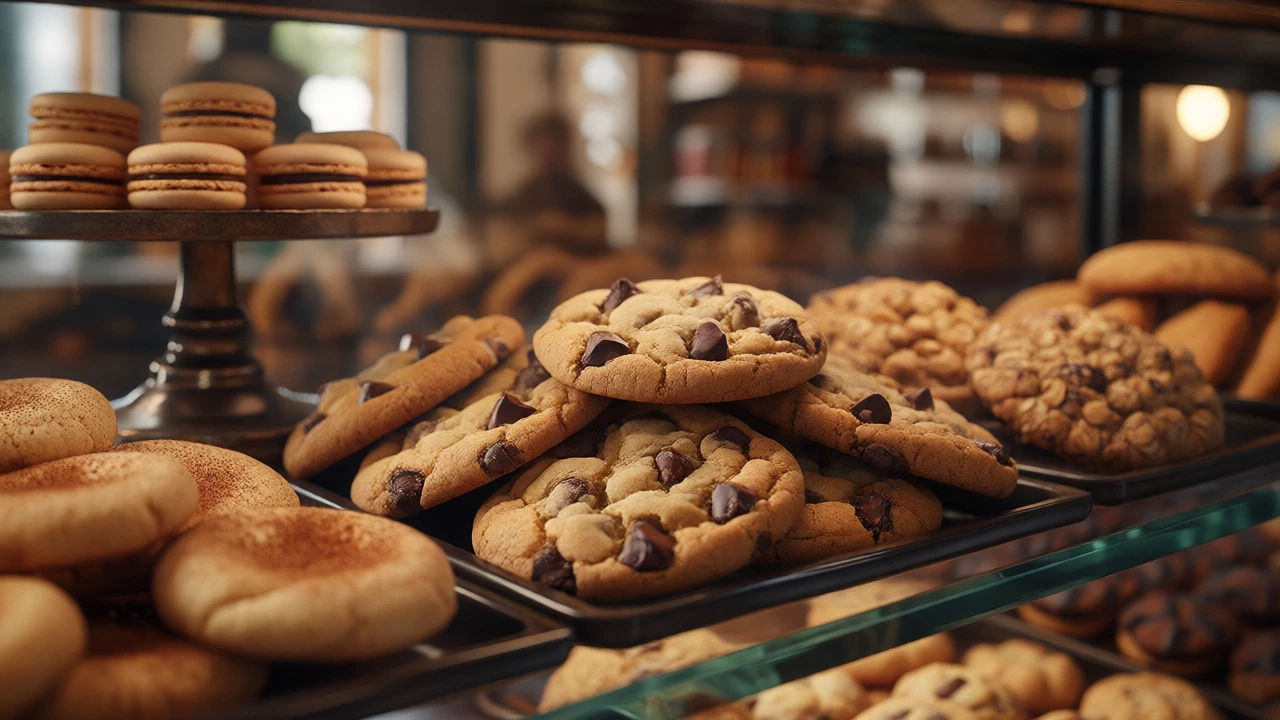
You walk into a bakery. The air smells like browned butter and vanilla. You scan the glass case. There are snickerdoodles dusted in cinnamon, oatmeal raisin looking rustic and hearty, and maybe some fancy macarons sitting pretty on a tiered stand. But your eyes? They go straight to the pile of golden-brown discs studded with dark chocolate chunks. It’s almost automatic. You don’t even think about it. You order the chocolate chip cookie.
Why does this specific combination of flour, sugar, fat, and chocolate win every time? Is it nostalgia? Is it the perfect balance of salty and sweet? Or is it just that humans have an innate biological drive for high-calorie carbs paired with fat?
The answer is a mix of all three, but if we’re talking data, sales figures, and search trends, there is no contest. The chocolate chip cookie isn't just popular; it is the undisputed king of the baked goods aisle. But knowing *what* is popular doesn't help you bake a better one. Let’s break down why this cookie holds the throne, how it got there, and what actually makes a homemade version beat the store-bought stuff.
The Data Doesn't Lie: Chocolate Chip Wins by a Mile
If you look at global sales data from major retailers like Nestlé Toll House or supermarket chains, chocolate chip consistently outsells every other variety combined in many regions. In the United States alone, estimates suggest that Americans consume billions of these cookies annually. That’s not a niche preference; that’s a cultural staple.
Search engine trends back this up. If you type "cookie recipe" into Google, the autocomplete immediately suggests "chocolate chip." Compare this to "snickerdoodle" or "gingersnap," which require more specific intent. People aren't searching for alternatives when they want comfort food; they are searching for the default setting.
| Cookie Type | Global Sales Rank | Primary Appeal | Complexity Level |
|---|---|---|---|
| Chocolate Chip | #1 | Nostalgia, Sweet/Salty Balance | Low to Medium |
| Oatmeal Raisin | #2-3 (Varies by Region) | Texture, Perceived Healthiness | Low |
| Snickerdoodle | #4 | Cinnamon Flavor, Chewy Texture | Low |
| Sugar Cookie | #5 | Versatility for Decorating | Medium |
Notice the complexity level. Chocolate chip sits in the middle. It’s simple enough for a beginner but has enough variables (browning butter, chilling dough) to keep experts obsessed. This accessibility keeps its popularity sustained across generations.
A Happy Accident Created the King
It’s hard to overstate how recent this phenomenon is. For centuries, cookies were either plain wafers, spice-heavy gingerbread, or fruit-filled tarts. There was no "default" sweet treat. Then, in 1938, Ruth Wakefield ran out of baker's chocolate while making cookies at her Toll House Inn in Massachusetts.
She chopped up a semi-sweet chocolate bar, expecting it to melt into the dough like regular cocoa. Instead, the chunks held their shape, creating pockets of molten goodness. She called them "Toll House Crunch Cookies." The rest is history. This wasn't a calculated marketing move; it was a kitchen mistake. And that imperfection is part of the charm. When you bake them at home, you're replicating a serendipitous moment from nearly 90 years ago.
This historical context matters because it explains the cookie's identity. It’s not refined French pastry. It’s American ingenuity meets comfort food. It’s unpretentious. You can eat it warm off the sheet pan without worrying about etiquette. Try doing that with a delicate madeleine.
Why Your Brain Loves Chocolate Chip More Than Anything Else
Let’s get into the science, briefly. You don’t need a PhD to understand why this combo works, but knowing the mechanics helps you bake better.
First, there’s the textural contrast. A great chocolate chip cookie offers a crisp edge, a chewy center, and a soft, gooey chocolate pocket. Your brain loves varied textures. Uniform foods (like plain crackers) become boring quickly. The interplay between the crunch of the toasted edges and the yield of the center triggers a higher satisfaction response.
Second, it’s the Maillard reaction. This is the chemical reaction between amino acids and reducing sugars that gives browned food its distinctive flavor. When you bake a cookie, the sugars caramelize. Chocolate enhances this because cocoa solids contain compounds that deepen those roasted, nutty flavors. Vanilla extract amplifies this further. It’s a flavor feedback loop.
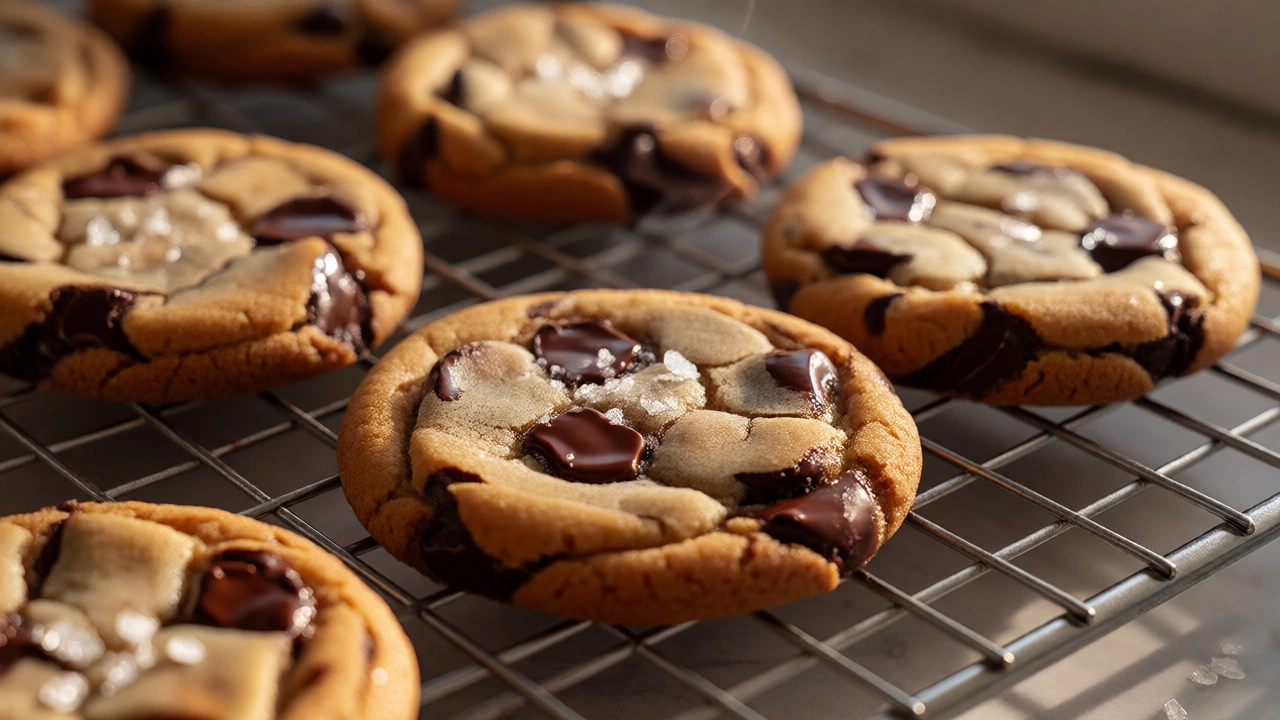
Third, salt. The best recipes always call for sea salt on top. Salt suppresses bitterness and enhances sweetness. Without it, a chocolate chip cookie tastes flat. With it, the chocolate tastes more chocolatey, and the butter tastes richer. This is why professional bakers swear by flaky finishing salt. It turns a good cookie into a great one.
Homemade vs. Store-Bought: Where the Magic Happens
So, if chocolate chip is so popular, why bother making them at home? Isn't it easier to buy a sleeve of Chips Ahoy?
Sure, it’s easier. But it’s not better. Here is the brutal truth about commercial cookies: they rely on stabilizers, preservatives, and lower-quality fats to stay soft for months. Your homemade cookie is fresh. The butter is real. The chocolate is actual cacao, not vegetable oil disguised as "chocolate flavored chips."
When you make them yourself, you control the ratio. Do you like more chocolate than dough? Add more. Do you prefer crispy? Bake longer. Do you hate raisins? Leave them out (sorry, oatmeal raisin fans). The power of customization is huge, especially for dietary needs. Gluten-free almond flour versions taste surprisingly close to the original if you use xanthan gum correctly. Vegan versions using coconut oil and flax eggs also hit the mark.
There’s also the smell factor. Nothing beats the aroma of baking cookies filling your house. It’s a sensory experience that packaged snacks simply cannot replicate. That scent triggers memory and emotion faster than any visual cue. It’s primal comfort.
How to Make the Best Chocolate Chip Cookie at Home
Since we’ve established that this is the champion, let’s make sure yours are worthy of the title. Most people fail because they rush the process. Here are the non-negotiable rules for a top-tier batch.
- Use Brown Butter: Melt your butter until it foams and turns amber, then let it cool. This adds a deep, nutty flavor that regular melted butter lacks. It changes everything.
- Chill the Dough: This is the biggest secret. Letting the dough sit in the fridge for at least 24 hours allows the flour to hydrate fully and the flavors to meld. It also prevents the cookies from spreading too thin in the oven.
- Use Both Sugars: White sugar creates crispness. Brown sugar creates moisture and chewiness. A 50/50 split gives you the best of both worlds.
- Underbake Slightly: Pull them out when the edges are set but the centers still look slightly underdone. They will continue cooking on the hot baking sheet. If they look perfectly done in the oven, they’ll be rock hard after cooling.
- Finish with Flaky Salt: Immediately after pulling them from the oven, sprinkle coarse sea salt on top. The temperature difference helps the salt adhere, and it cuts through the sweetness.
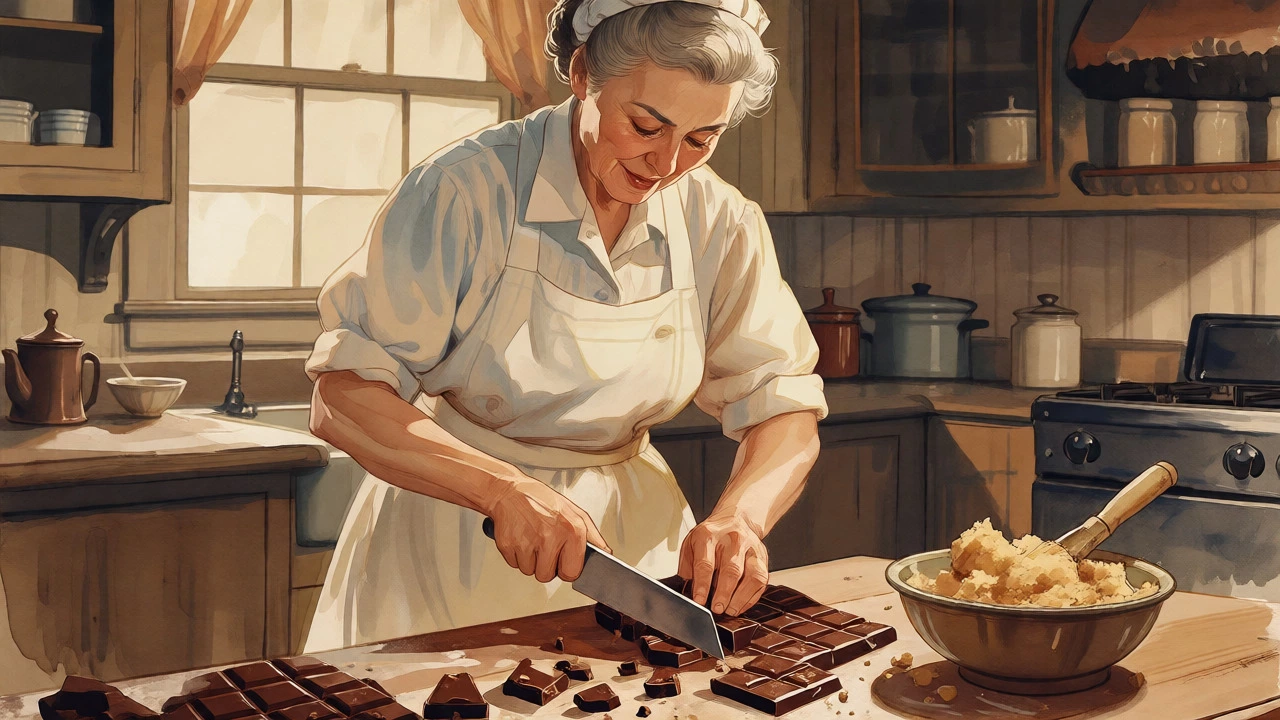
Don’t skimp on the chocolate quality. Use bars chopped into chunks rather than uniform chips. Chips have stabilizers to hold their shape, but chopped bars melt beautifully, creating those coveted pools of chocolate.
Is There a Challenger?
While chocolate chip wears the crown, it faces stiff competition in specific niches. Oatmeal raisin often takes second place, particularly among health-conscious consumers who perceive oats as "virtuous." However, studies show that adding chocolate chips to oatmeal cookies significantly increases consumption rates. Basically, people will eat more oatmeal cookies if you hide chocolate inside them.
Snickerdoodles have a loyal following, especially during the holidays. Their tangy cream of tartar bite provides a unique profile that stands apart from the butter-chocolate norm. But they lack the universal appeal of chocolate. You either love cinnamon or you don’t. Everyone loves chocolate.
What about the future? We are seeing a rise in hybrid cookies-cookies stuffed with Oreos, pretzels, or potato chips. These viral trends spike interest but rarely dethrone the classic. They are novelties. The chocolate chip cookie is a foundation.
Frequently Asked Questions
Why are my homemade cookies flat?
Flat cookies usually result from butter that is too warm or insufficient flour measurement. If the butter melts before the structure sets, the cookie spreads. Always chill your dough for at least 30 minutes before baking to solidify the fat.
Can I substitute margarine for butter?
You can, but the texture and flavor will change. Margarine has a higher water content and lower fat content than butter, leading to a cakier, less flavorful cookie. For the best results, stick to unsalted butter. If you must use margarine, choose a brand with at least 80% fat content.
How long do homemade cookies last?
Stored in an airtight container at room temperature, homemade chocolate chip cookies stay fresh for 3 to 5 days. To extend their life, place a slice of bread in the container; the cookies will absorb moisture from the bread and stay soft. They can also be frozen for up to 3 months.
What is the difference between baking soda and baking powder in cookies?
Baking soda requires an acid (like brown sugar or cream of tartar) to activate and promotes browning and spread. Baking powder contains its own acid and base, providing lift without requiring additional acidic ingredients. Most chocolate chip recipes use baking soda for the desired spread and chewiness.
Why do professionals put salt on top of cookies?
Salt enhances the perception of sweetness and balances the richness of the butter and chocolate. It also adds a textural contrast. Without salt, a sweet cookie can taste cloying. Flaky sea salt is preferred because it dissolves slowly, giving bursts of flavor.
Final Thoughts: Bake What You Love
The chocolate chip cookie remains the most popular type because it hits every note: nostalgic, delicious, versatile, and easy to master. It’s the blank canvas of the dessert world. You can add nuts, swap milk chocolate for dark, or throw in espresso powder for depth. But the core formula remains unbeaten.
Next time you’re craving something sweet, skip the debate. Preheat your oven. Cream the butter and sugars. Chill the dough. And remember, the best cookie is the one you share. Whether you’re feeding a crowd or sneaking bites at midnight, the chocolate chip cookie delivers every single time.